





 Portuguese
  English
  Spanish
  5 min of reading
  0 comments



After Years of Expectation, the French Manufacturer Decides to Discontinue One of Its Most Promising Projects in the South American Market, Ending an International Partnership That Involved Factories, Investors and Consumers Attentive to the Future of Pickups in the Region.
After years of frustrating attempts to establish itself in the pickup market, Renault has definitively decided to end production of the Alaskan, a model that arose from a strategic alliance with Nissan and that was promised but never marketed in Brazil.
The decision was motivated by the end of Nissan Frontier production in Argentina, the structural and mechanical base of the Alaskan, which was also assembled in Córdoba, in the same industrial unit.
With this, an ambitious chapter of the French manufacturer in the medium utility segment in Latin America comes to an end.
-
5 cheapest used cars than a Honda CG 160 Titan 0 km, with options starting at R$ 13,000 for those who want to trade their motorcycle for a car and escape the rain, sun, and risks of riding.

-
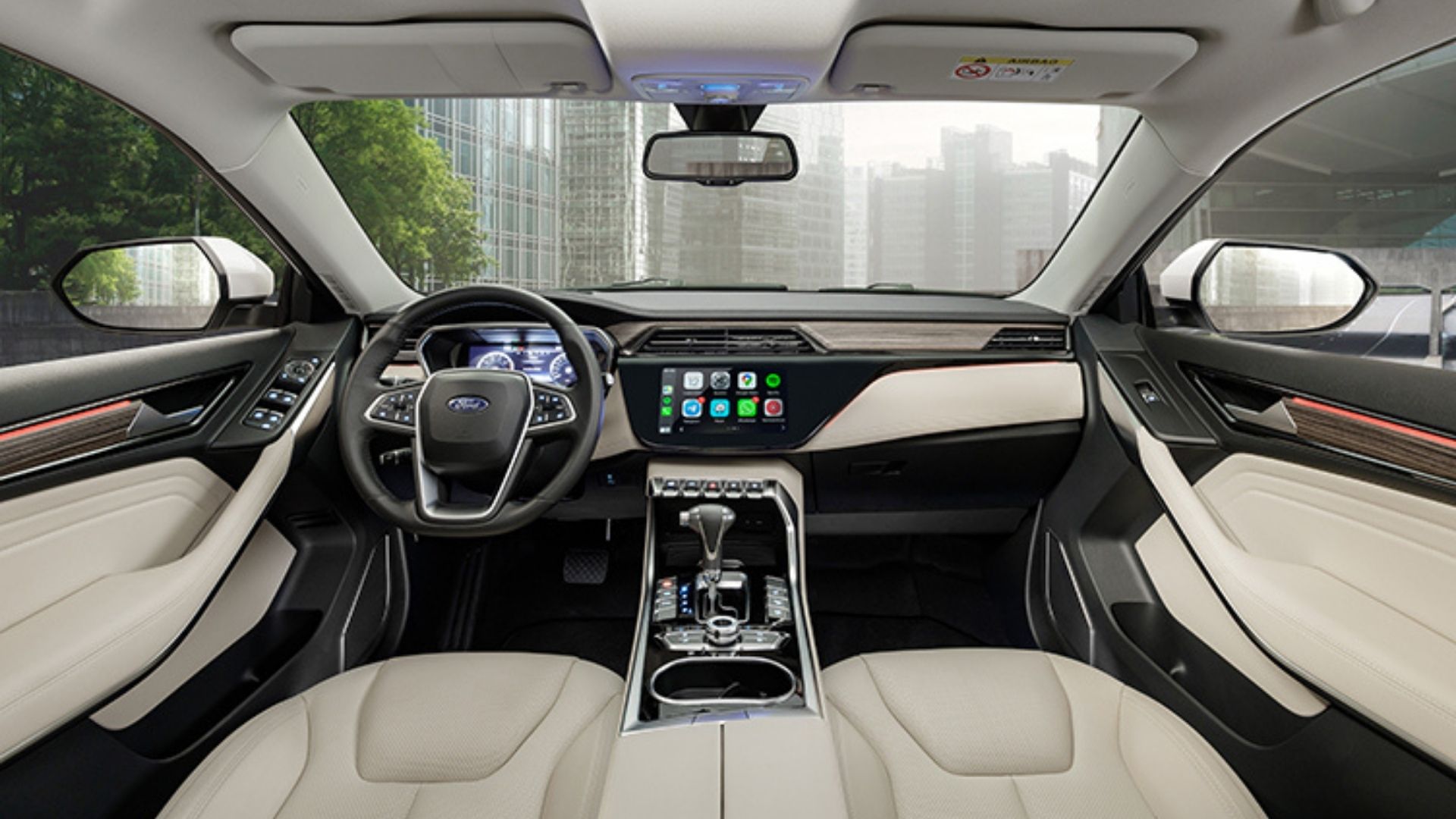
Around R$ 24,000: 4 used Ford SUVs with up to 253 hp, V6 engine, all-wheel drive, 7 airbags, panoramic sunroof, and a complete package that surprises with its price and performance in Brazil.
-
A brand new car starts at around R$ 75,000 in Brazil, but what stands out the most is seeing streets filled with SUVs and expensive sedans in a country where millions remain in debt.

-
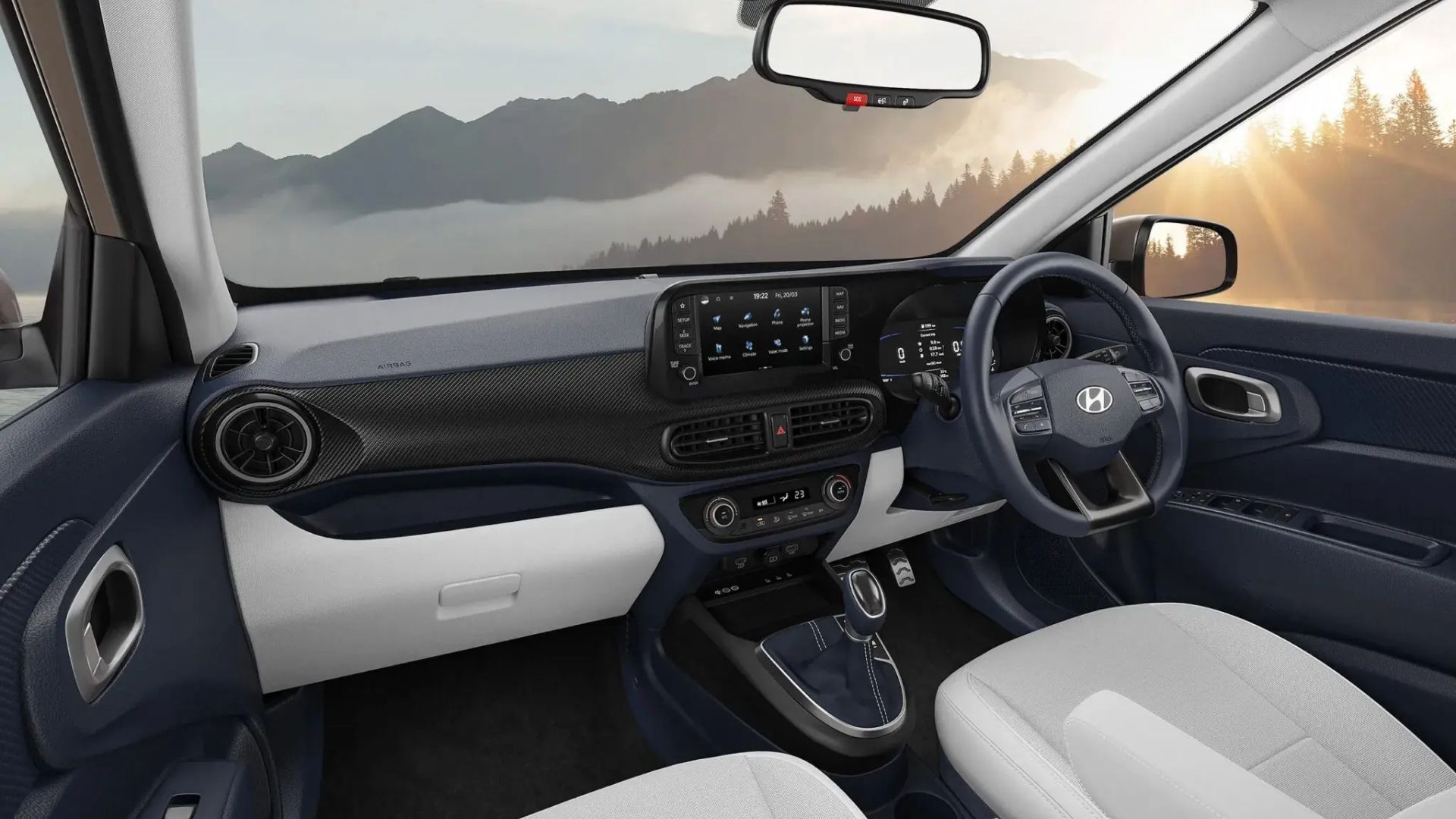
For R$ 32,000, a brand new Hyundai car is a rival to the Kwid with a 1.2 engine producing 82 hp, 6 airbags as standard, multimedia with wireless Android Auto, up to 391 liters in the trunk, and a refreshed look for 2026 in India.

Ambitious Project Did Not Materialize
Launched globally in 2016, the Renault Alaskan was the result of a bold joint project involving Renault, Nissan and Mercedes-Benz.
The mid-size pickup shared the same platform as the Nissan Frontier, one of the most traditional in the category, and was supposed to represent a global offensive by Renault in the automotive utility sector.
The manufacturing of the Alaskan in Argentina began years after its global debut, as part of the strategy to increase the brand’s presence in the South American continent.
Despite this, the model never officially reached Brazilian dealerships, frustrating the expectations of consumers and specialists.
During the São Paulo Auto Show in 2018, Renault even showcased the pickup as a harbinger of its arrival in the national market.
However, the promise never came to fruition.
According to industry analysts, the lack of confidence in sales potential and logistical challenges contributed to the cancellation of the launch in Brazil.

International Partnership with Mixed Results
The Alaskan project was, from the beginning, a bold move by the Renault-Nissan-Mitsubishi group, which at the time still counted on the collaboration of Mercedes-Benz.
The proposal involved the development of three distinct pickups based on the same platform but with their own brand identity.
The Mercedes variant, named Class X, was discontinued prematurely.
According to reports from specialized vehicles, the German manufacturer was dissatisfied with the quality of the first prototypes, and the project ended up being abandoned before it even gained traction.
Meanwhile, Renault continued with the production of the Alaskan in restricted markets, such as Colombia, Chile, Mexico and Argentina.
The pickup, despite being robust and equipped with a 190-horsepower 2.3 turbodiesel engine inherited from the Frontier, failed to meet the stipulated commercial targets.
In Argentina, the Alaskan faced strong competition from consolidated models such as the Toyota Hilux, Ford Ranger and Volkswagen Amarok.
The lack of significant differentiation from the Frontier, combined with a less established brand image in this segment, limited the expansion of the Alaskan even in neighboring markets.
Production in Córdoba Will Continue with Renewed Focus
With the discontinuation of the Alaskan, the Renault factory in Córdoba will continue to operate, but with a focus on new models and strategic projects for the brand.
The unit will continue to produce vehicles such as the Kangoo, Logan and Sandero, and is already being prepared to enter a new phase for the manufacturer in the pickup sector.
The latest bet is the so-called Niagara project, which plans to launch a new intermediate model — larger than the Duster Oroch, but smaller and more accessible than a traditional mid-size pickup.
This new pickup, which is expected to hit the market in the coming years, aims to fill the gap left by the absence of the Alaskan and cater to an audience seeking versatility with lower operational costs.
According to sources linked to the manufacturer, the new vehicle is expected to have urban appeal and will be designed to offer good performance in both rural areas and large cities.

Alaskan: From Promise to Disappointment
The trajectory of the Alaskan can be seen as a reflection of the challenges faced by manufacturers trying to enter already established segments.
Even with Nissan’s technical backing and a robust project, the pickup failed to win over consumers outside specific niches.
Experts point out that the lack of an aggressive marketing plan, coupled with a distribution network poorly prepared for medium utilities, hindered the model’s trajectory.
The fact that it never reached Brazil, one of the largest pickup markets in Latin America, was also a determining factor for its low performance.
In practice, the Alaskan became a “unfulfilled promise” of Renault, and its discontinuation marks not only the end of a production line but also the end of a frustrated attempt to expand the French brand’s participation in the competitive world of mid-size pickups.

What Lies Ahead After the Failure of the Alaskan
Despite the failure of the Alaskan, Renault shows that it does not intend to abandon the utility segment.
The development of the Niagara project shows that the manufacturer has learned from past mistakes and is more attentive to the needs of the Latin American market.
The expectation is that the new model will be more accessible, focusing on fuel economy, modern design and embedded technology compatible with the demands of today’s consumer.
If Renault is successful, it could gain a new foothold in the market, especially among those seeking more economical alternatives to traditional mid-size pickups.
Additionally, analysts believe that the Córdoba factory will gain a strategic role in producing vehicles adapted to regional demands, which could contribute to strengthening the brand’s presence in Mercosur countries.
Renault is still betting heavily on innovation and electrification of its global lineup, but understands that, for markets like South America, practical, robust solutions with good cost-benefit ratios remain fundamental.
With the end of production of the Alaskan, will Renault finally be able to launch a successful pickup in Brazil? Leave your opinion in the comments!






-

Uma pessoa reagiu a isso.