





 Portuguese
  English
  Spanish
  3 min of reading
  3 comments


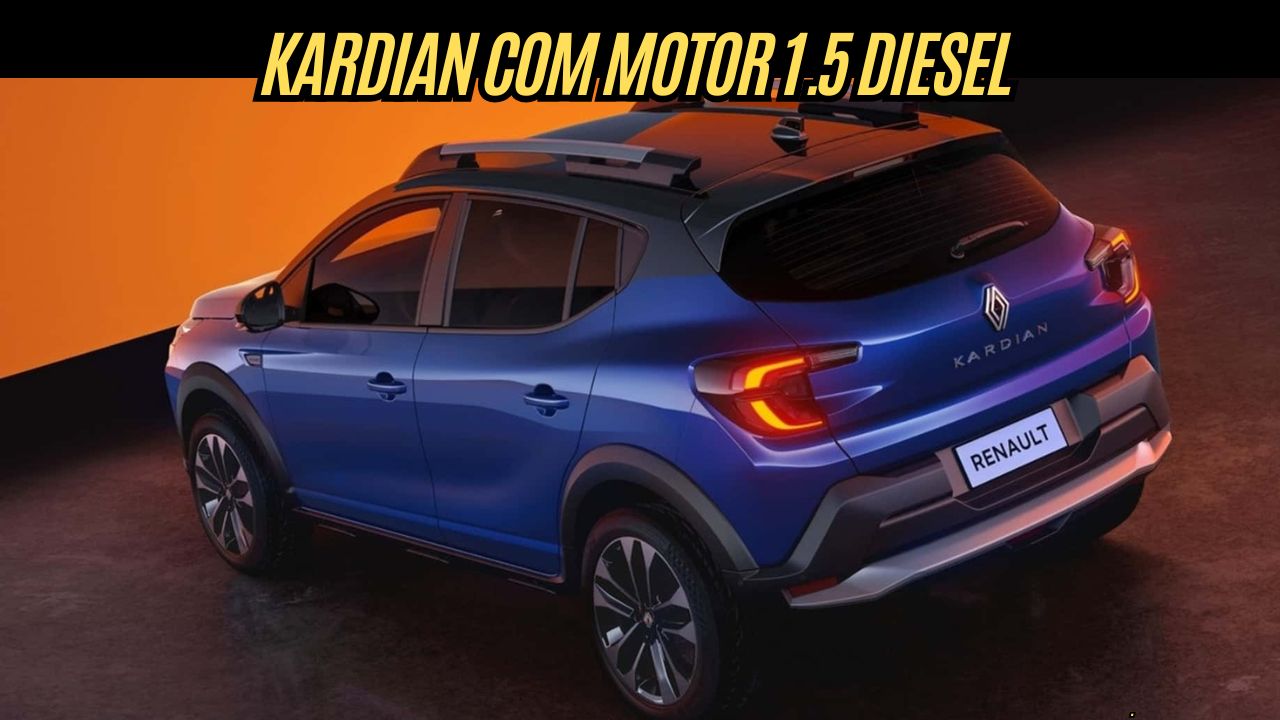


Renault Kardian Starts Being Produced in Morocco, Receives 1.5 Diesel Engine and Will Supply Markets in Africa and the Middle East.
The Renault Kardian continues its journey of international expansion and is now also manufactured in Morocco, just over nine months after starting production in Brazil. The new feature is the 1.5 diesel engine, a desired engine option that, although sought after by many, is prohibited in Brazil for passenger vehicles.
The Renault Kardian Reaches New Horizons
Renault announced that the model, which is already produced in Brazilian territory, has started assembly in Morocco. From there, the automaker will supply markets in Africa and the Middle East, strengthening its global presence. Morocco, which is already responsible for the production of other models from the group, such as the Dacia Sandero and Logan, now adds the Kardian to the local portfolio.
Although visually the Moroccan Renault Kardian is almost identical to the Brazilian version, there are important differences. On the outside, the wheel design and color palette have been adjusted to the tastes of local consumers. Inside, the center console has a simpler finish, the gear lever is traditional, and the steering wheel features an exclusive center.
-
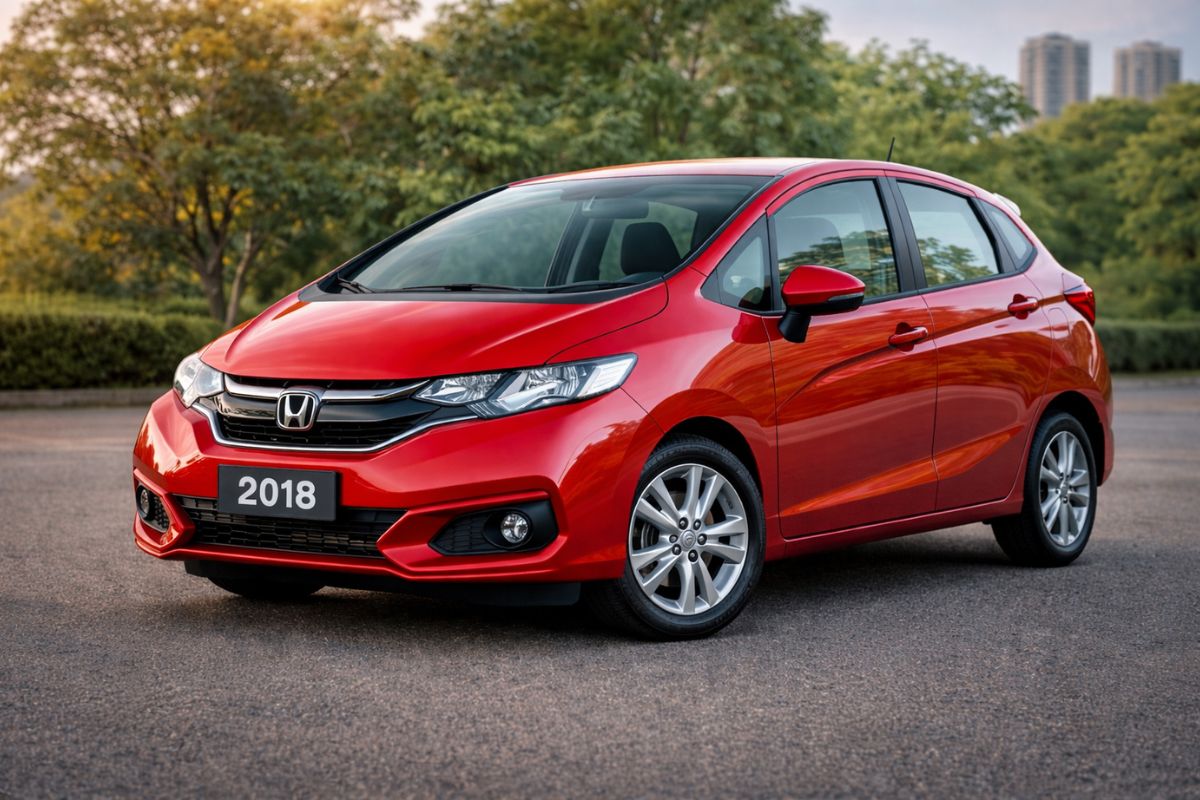
The Honda Fit has been discontinued for years, but the 2018 model is worth more today in the Fipe table than it cost brand new, proving that this used car, valued with a 1.5 i-VTEC engine and Magic Seat, only increases in price.
-
Volkswagen unveiled the 2027 Atlas with a 282-horsepower EA888 turbo engine, a 15-inch screen, massage seats, and a completely new interior to finally elevate the three-row SUV built on the MQB platform to a new level.

-
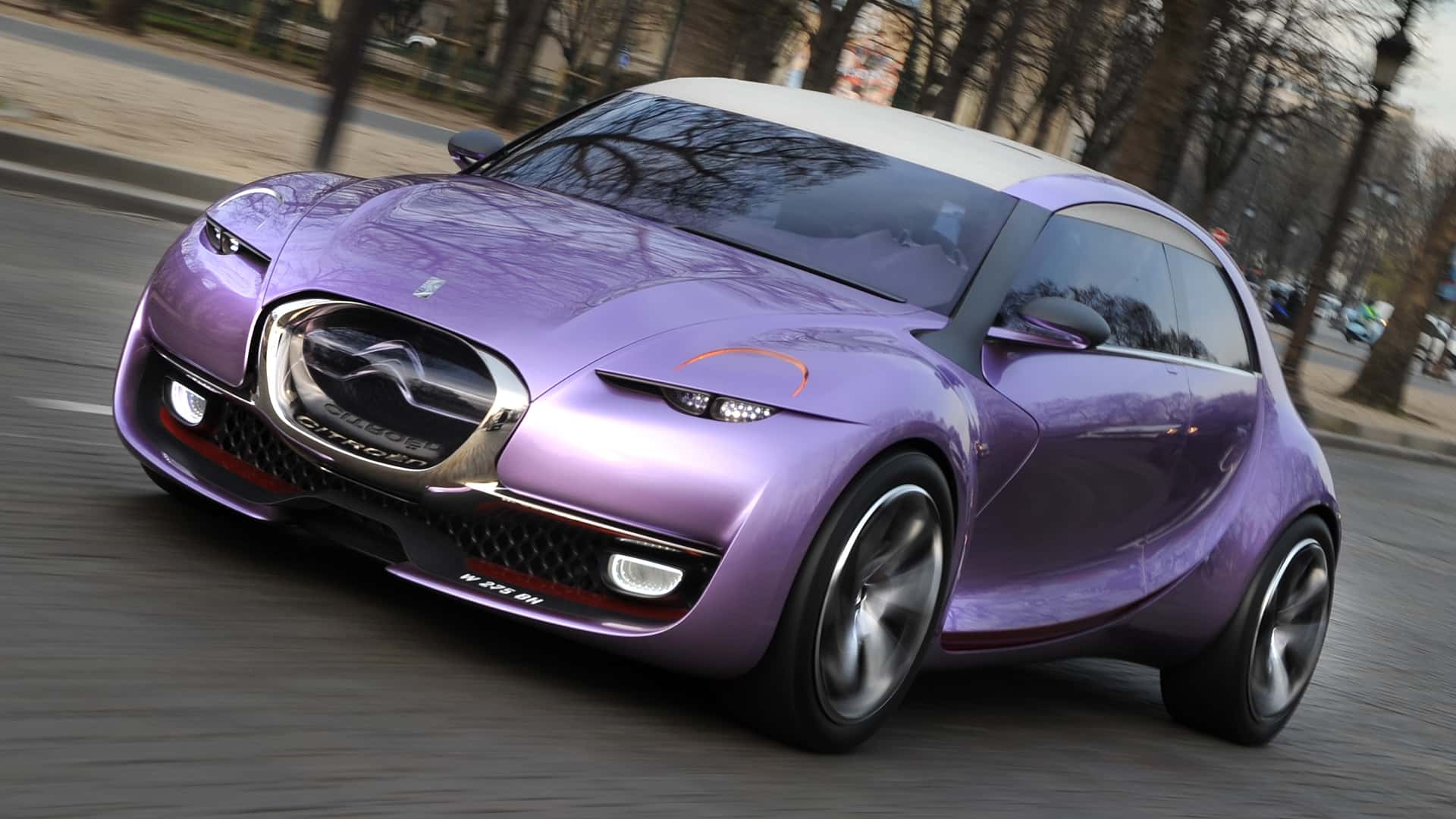
After decades out of the spotlight, Citroën is preparing to bring back the legendary 2CV as a low-cost electric vehicle, betting on the revival of one of the most popular cars in history and aiming to enter the race for affordable compact cars.
-
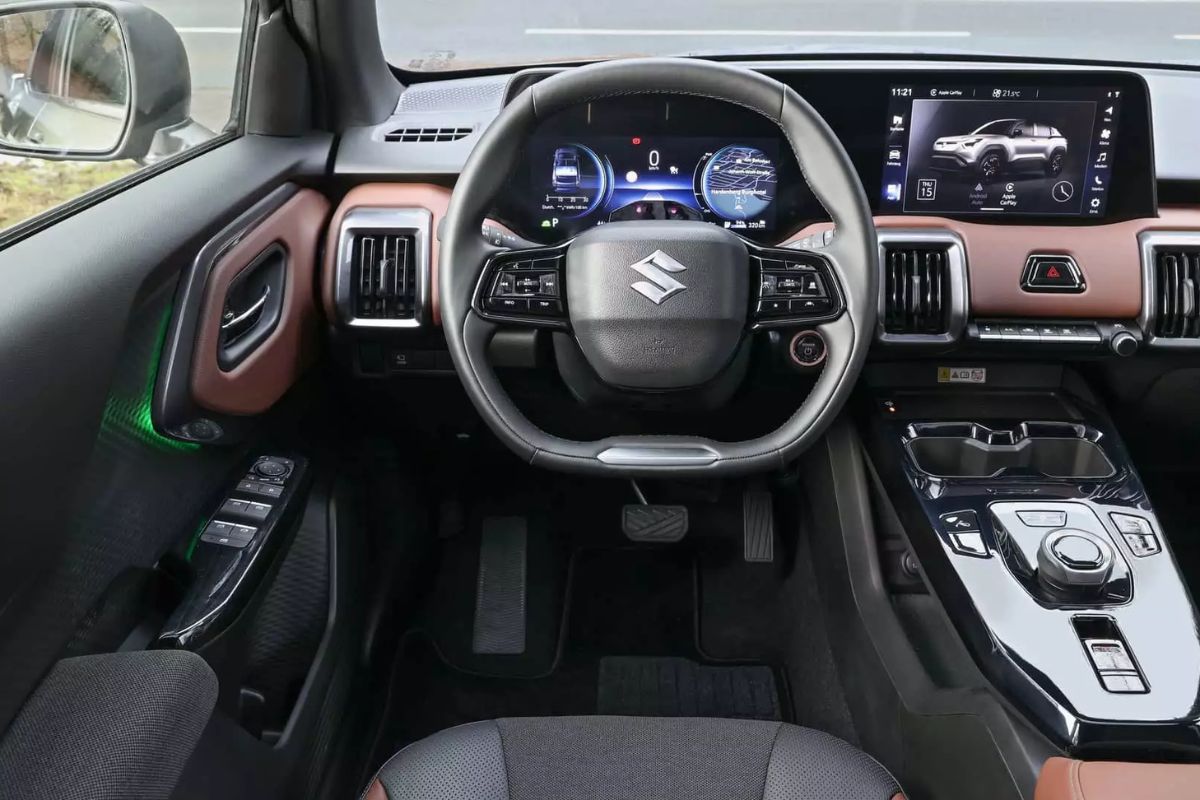
The 2026 electric Vitara arrives in Brazil and proves that Suzuki is not leaving: 4×4 traction, 184 hp, 61 kWh LFP battery, 293 km range, R$ 259,000, and a trunk capacity of 224 L.

Moroccan Model Has Fewer Standard Items

In terms of equipment, the model produced in Morocco has fewer standard items in its basic versions. While in Brazil all versions have 6 airbags, a digital dashboard, and a rearview camera, in Morocco the entry-level model has only two airbags and an analog instrument panel. The top-of-the-line version, however, receives a more complete package, with features such as blind spot monitoring and automatic air conditioning.
The Major Mechanical Difference is the 1.5 Diesel Engine
The Moroccan Renault Kardian features the 1.5 dCi diesel engine, delivering 102 hp and 22.4 kgfm of torque, always with a 5-speed manual transmission. Additionally, Renault offers a 1.0 TCe turbo gasoline engine option, but with reduced power of 100 hp. This configuration contrasts with Brazil, where the same engine reaches 125 hp and is paired with a CVT automated dual-clutch transmission.
The highlight is indeed the 1.5 diesel engine, a configuration that cannot be sold in passenger vehicles in Brazil due to local regulations. This reinforces the exclusivity of the Moroccan model for international markets.
Same Brazilian Base
Despite the differences, the Renault Kardian maintains the same base: the RGMP modular platform, dimensions of 4.11 meters in length, 1.77 meters in width, 1.54 meters in height, and a wheelbase of 2.60 meters. The expansion to Morocco reflects Renault’s global strategy to adapt its models to regional needs, with the 1.5 diesel engine being yet another piece of this puzzle.
The success of the Renault Kardian abroad, now with new engine possibilities, promises to further enhance the model’s relevance in the global market.







Interessante no Brasil o motor 1.0 Turbo é vendido com um câmbio CVT de dupla embreagem, automatizado e CVT ao mesmo tempo. Essa Renault está revolucionando hein 🤣🤣🤣
Fiquei muito curioso para saber o consumo
O Renault Kardian, modelo que já é produzido no Brasil, agora também é fabricado no Marrocos. Esta versão tem como novidade o motor 1.5 diesel, com 102 cv e 22,4 kgfm de torque, associado a um câmbio manual de 5 marchas. Esta configuração é exclusiva para mercados internacionais, como África e Oriente Médio, e não está disponível no Brasil devido às regulamentações locais.