





 Portuguese
  English
  Spanish
  2 min of reading
  0 comments



Zen Version With 1.6 Engine and X-Tronic Gearbox Launched Below R$ 70 Thousand, Anticipating Trend in Entry Segment
The Renault Sandero marked an important point in the history of popular cars by being one of the first entry-level cars in Brazil with CVT automatic transmission. This innovation reached the market in 2019, with the Zen version equipped with a 1.6 SCe engine and the X-Tronic transmission, previously restricted to more expensive models.
The inclusion of the CVT in a vehicle priced below R$ 70 thousand represented a significant change in the technological standard of compact hatches. The Sandero anticipated a growing demand for driving comfort, without compromising accessibility.
CVT in Cheap Cars: A Paradigm Shift
The CVT (continuously variable transmission) ensures smoother acceleration and lower fuel consumption, eliminating traditional “gear shifts.” Until 2019, this type of gearbox was rare in popular models, being associated with mid-size sedans and compact SUVs.
-
5 cheapest used cars than a Honda CG 160 Titan 0 km, with options starting at R$ 13,000 for those who want to trade their motorcycle for a car and escape the rain, sun, and risks of riding.

-
Around R$ 24,000: 4 used Ford SUVs with up to 253 hp, V6 engine, all-wheel drive, 7 airbags, panoramic sunroof, and a complete package that surprises with its price and performance in Brazil.

-
A brand new car starts at around R$ 75,000 in Brazil, but what stands out the most is seeing streets filled with SUVs and expensive sedans in a country where millions remain in debt.

-
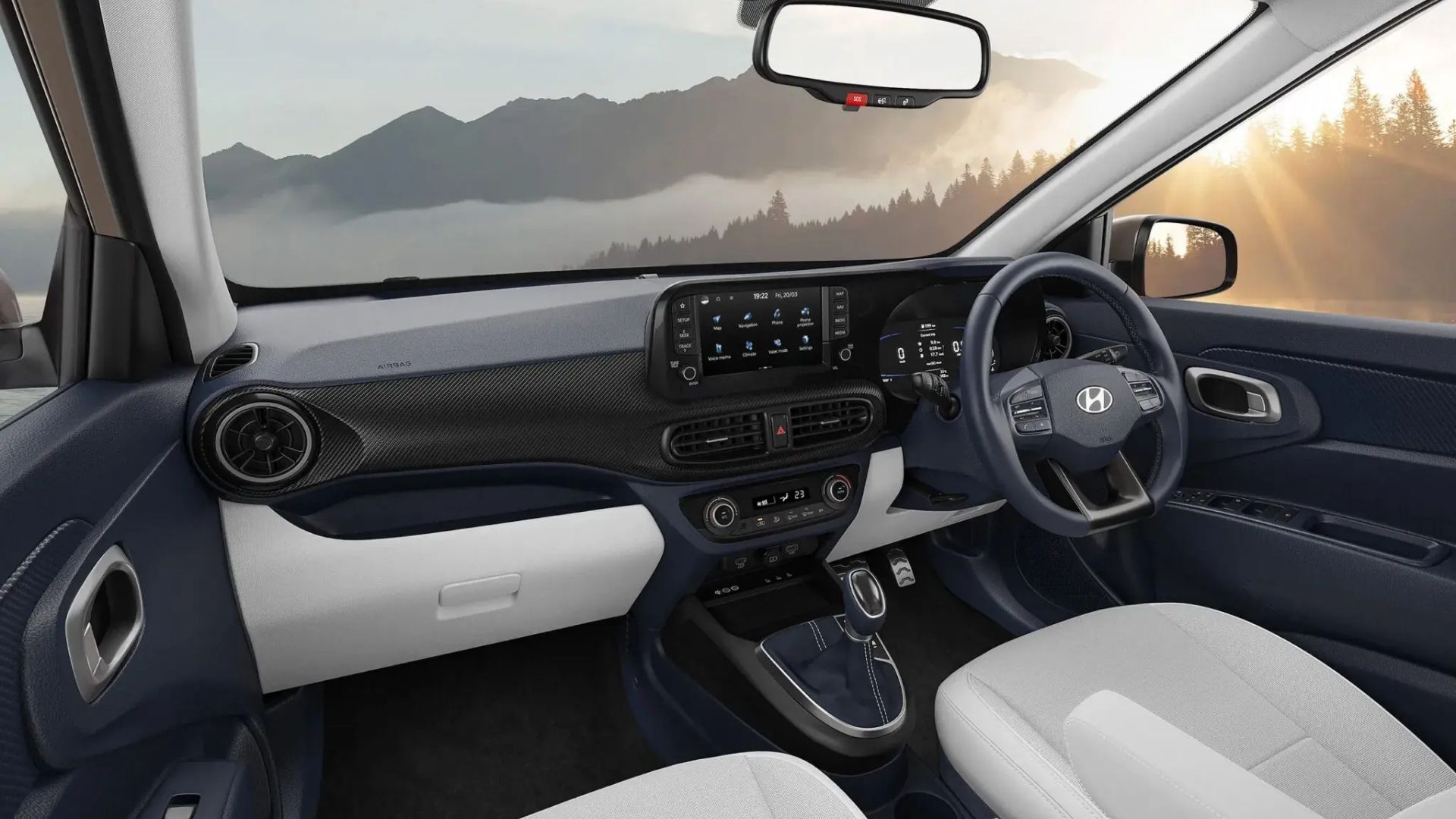
For R$ 32,000, a brand new Hyundai car is a rival to the Kwid with a 1.2 engine producing 82 hp, 6 airbags as standard, multimedia with wireless Android Auto, up to 391 liters in the trunk, and a refreshed look for 2026 in India.

With the Sandero Zen 1.6 CVT, Renault offered a competitive package for about R$ 62,990, a price below the market average at the time. The X-Tronic transmission, derived from the Renault-Nissan alliance, was adapted for the Brazilian market and also equipped the Stepway with an adventurous look.
Pioneering and Its Limits
The facelift of the Sandero line in 2020 brought the visual and technical update that accompanied the arrival of the CVT. Renault maintained this offer for a limited time: between 2019 and 2021, the CVT was available in versions of the traditional Sandero. From then on, the brand restricted the feature to the Stepway CVT, maintaining the more robust appeal of the version.
Before that, the Sandero had already featured automated transmissions (like the Easy-R), but these were not of the CVT type and had inferior performance. The introduction of the CVT was a response to the growing demand for affordable automatic cars.
Impact on the Market and the Consumer
Renault’s decision influenced competitors to offer CVTs in cheaper models, as seen later with automatic versions of the Toyota Yaris, Nissan Versa, and Hyundai HB20. Still, the Sandero stood out for being one of the first to break this price barrier, offering real CVT in an entry-level urban model.
With national production in São José dos Pinhais (PR), the Sandero became one of Renault’s most emblematic vehicles in the country. The strategy of offering comfort and practicality at affordable prices strengthened the brand’s position among consumers seeking economy and convenience in daily use.
Do you remember when the CVT arrived in popular cars? Have you driven an automatic Sandero? Share your experience in the comments and join the discussion about accessible technology in the Brazilian market.









Seja o primeiro a reagir!