





 Portuguese
  English
  Spanish
  5 min of reading
  0 comments


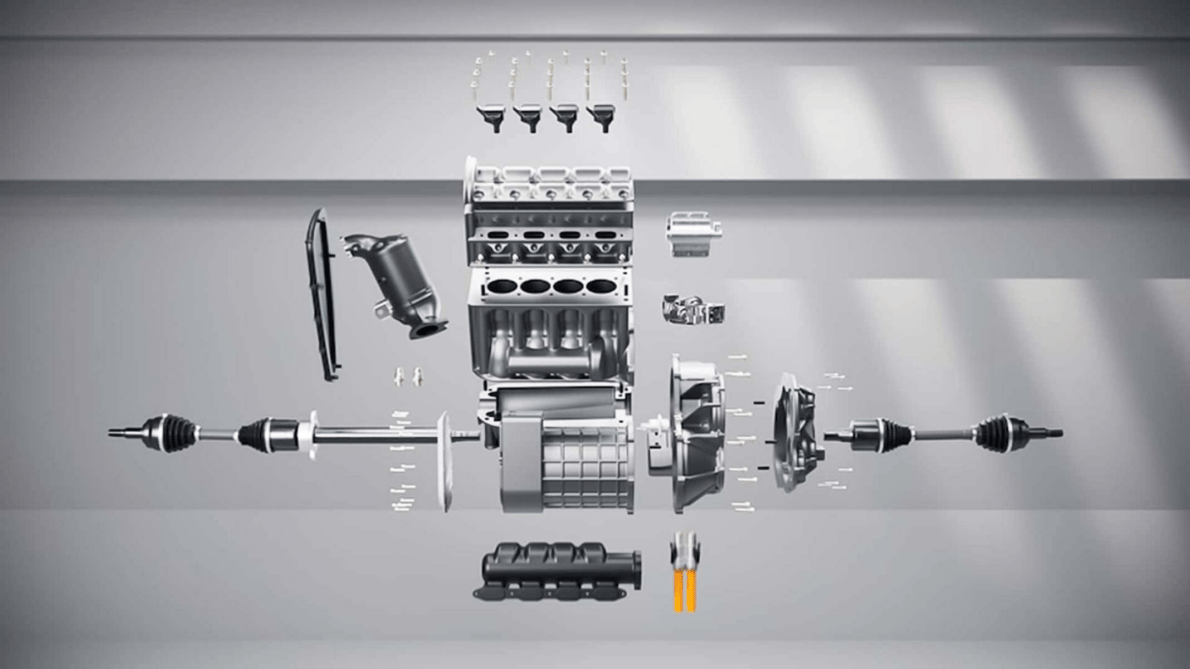
An Innovation That Promises to Change the Game in the Automotive Industry by Combining Advanced Technology with Energy Efficiency and Accessible Solutions for the Global Market.
An innovative and modular solution that promises to transform the future of global mobility was presented at the Shanghai 2025 Auto Show.
Horse Powertrain, a joint venture between French Renault and Chinese Geely, unveiled the Future Hybrid Concept: a system that can extend the range of electric vehicles or transform combustion cars into hybrids with minimal modifications.
The proposal offers a more accessible alternative to total electrification, without requiring major changes in current production lines.
-
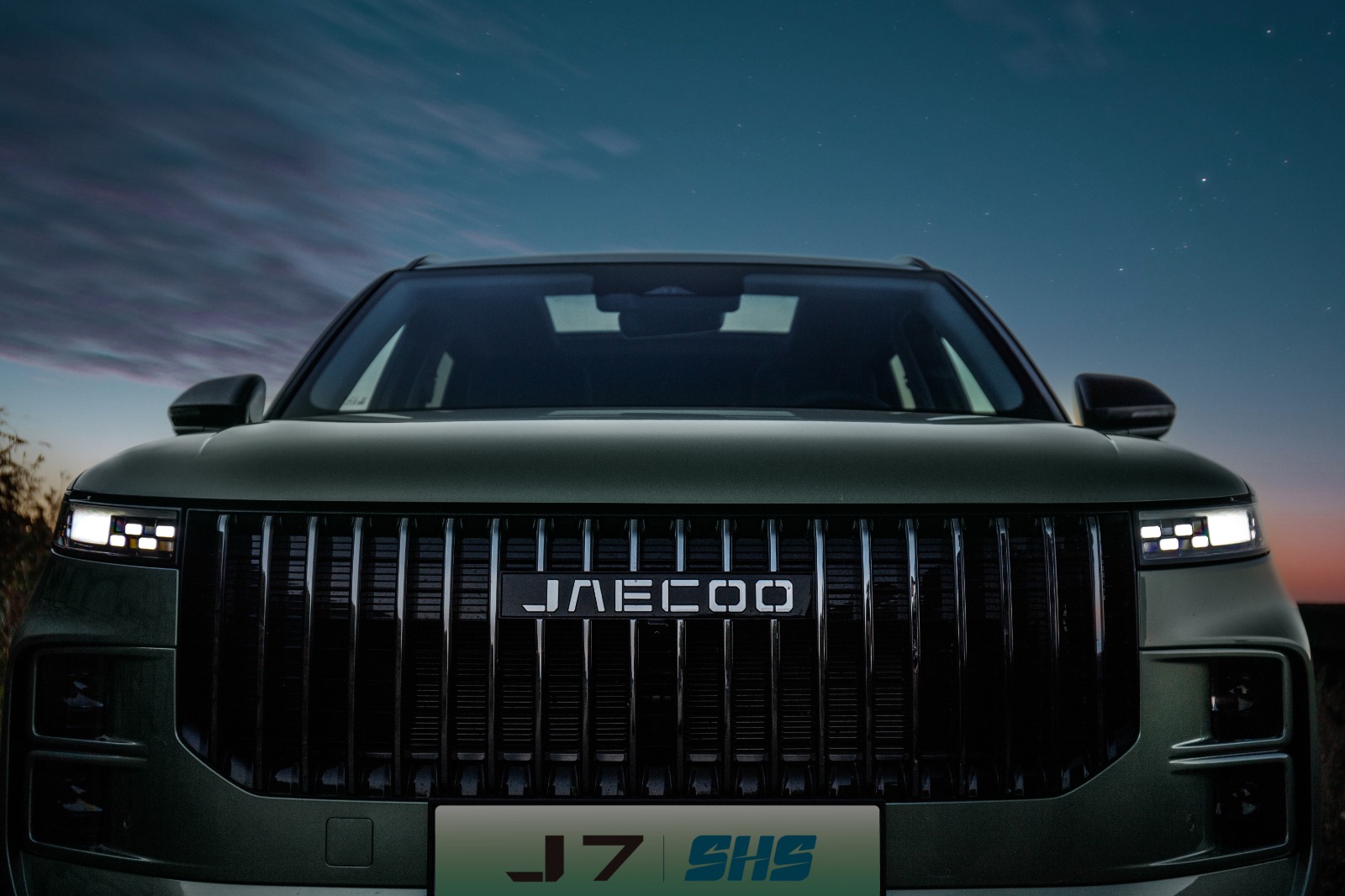
With awards in various countries, the Jaecoo 7 is establishing itself globally and accelerating the expansion of Omoda & Jaecoo in the hybrid SUV market.
-
5 cheapest used cars than a Honda CG 160 Titan 0 km, with options starting at R$ 13,000 for those who want to trade their motorcycle for a car and escape the rain, sun, and risks of riding.

-
Around R$ 24,000: 4 used Ford SUVs with up to 253 hp, V6 engine, all-wheel drive, 7 airbags, panoramic sunroof, and a complete package that surprises with its price and performance in Brazil.
-
A brand new car starts at around R$ 75,000 in Brazil, but what stands out the most is seeing streets filled with SUVs and expensive sedans in a country where millions remain in debt.


The technology arrives at a strategic moment, as the global automotive industry still faces high costs of energy transition and resistance from part of the market to 100% electric models, especially in emerging countries.

With the Future Hybrid Concept, Horse promises to ease this transition with a versatile architecture that can be applied to multiple types of vehicles and accepts different fuels, including those widely used in Brazil, such as ethanol.
A Modular and Adaptable System
The Future Hybrid Concept was designed as a compact and integrated unit that combines internal combustion engine, electric motor, and transmission system into a single module.
Its greatest asset lies in its modularity and adaptability, allowing it to be incorporated into vehicles of different segments, from urban SUVs to entry-level models, without the need to restructure factories.
The technology offers all-wheel drive in electric or hybrid modes, which broadens its use possibilities in markets with varying performance demands and infrastructure.
In addition, the system is compatible with a variety of fuels, such as gasoline, E85 ethanol, methanol, and even synthetic fuels — a considerable advantage for countries like Brazil, where over 90% of new cars are flex-fuel.
Direct Impact on the Brazilian Market
Brazil emerges as one of the most promising markets for this technology.
Horse has already confirmed the supply of 1.0 turbo HR10 engines for the Lecar 459 Hybrid, an extended-range SUV that will be produced in Curitiba starting in 2026.
With a projected production of 12,000 units per year, this model may pave the way for the application of the Future Hybrid Concept in domestic vehicles.
The flexibility of the system could, for example, transform the Renault Duster into a hybrid with 4×4 drive, operating both on ethanol and electricity, with fast charging capability.
Compatibility with flex-fuel is seen as essential for the viability of this technology in Brazil, considering the tax incentives and the country’s tradition in this type of engine.

Adaptation Without Reinventing the Wheel
According to Horse Powertrain, one of the major differences of the Future Hybrid Concept is its ability to be integrated without the need to redesign existing platforms, reducing implementation costs for automakers.
This can benefit manufacturers like Dacia, Volvo, Nissan, and even competitors like BYD, Polestar, and VinFast, who have already expressed interest in the concept.
“The Future Hybrid solves one of the greatest dilemmas of the automotive industry: how to advance to zero emissions without relying exclusively on electric vehicles,” said Matias Giannini, CEO of Horse.
According to him, the technology allows manufacturers to expand their offer of hybrid and electric models while maintaining production chain efficiency.
Robust and Modern Structure
The structure of the Future Hybrid is compact and efficient.
The unit occupies the same space as a conventional electric motor, but includes an internal combustion engine with pre-chamber ignition — technology that improves efficiency and reduces emissions.
The system also supports ultra-fast 800 V charging, heat pumps with R290 refrigerant (less polluting), and meets the strictest international standards for vehicle safety.
Engineer Ragnar Burenius, the technical lead for the project, highlights the simplicity of installation as a key factor for the success of the proposal.
“We integrated all components into a single structure, which significantly reduces the complexity of adaptation in existing platforms,” explains Burenius.

Utilization of Existing Factories and Structure
In Brazil, the collaboration between Renault and Geely is already bearing fruit. Geely will begin using Renault’s factory in São José dos Pinhais (PR) to assemble the electric SUV EX5 starting in July 2025.
This move demonstrates the potential for synergy between the brands and suggests that the Future Hybrid may also be produced domestically.
Industry experts see this alliance as a smart strategy to leverage Renault’s expertise with flex fuels and Geely’s technological know-how in automotive electrification.
In addition, local industrial presence may facilitate the expansion of the new technology without relying on large imports.
Adoption Challenges and the Future of Technology
Although the concept is promising, the acceptance of the Future Hybrid will depend on factors such as price competitiveness and technical viability for smaller manufacturers.
Even with minimal adaptation, costs can still be significant for brands with lower investment capacity.
On the other hand, the technology has the potential to lower costs for hybrid versions of compact SUVs in the Brazilian market, which lacks affordable options.
This could accelerate the electrification of the national fleet, providing real alternatives to consumers without requiring a direct leap to 100% electric vehicles.
Experts point out that the Future Hybrid could be the ideal “middle ground” in the journey to zero emissions, balancing performance, economy, and sustainability.
If all goes as planned, the first cars equipped with the system are expected to hit the streets starting in 2028.
A Silent Revolution in Mobility
With the Future Hybrid Concept, Renault and Geely are betting on a silent and progressive revolution in the automotive industry, proposing easily applicable solutions, reduced costs, and great flexibility.
The proposal is poised to gain traction in strategic markets such as Brazil, where consumers value efficiency, versatility, and cost-effectiveness.
It remains to be seen how the market — and the public — will react to this new proposal.
Will Future Hybrid truly transform the way we drive in the coming years?







Seja o primeiro a reagir!