





 Portuguese
  English
  Spanish
  5 min of reading
  0 comments


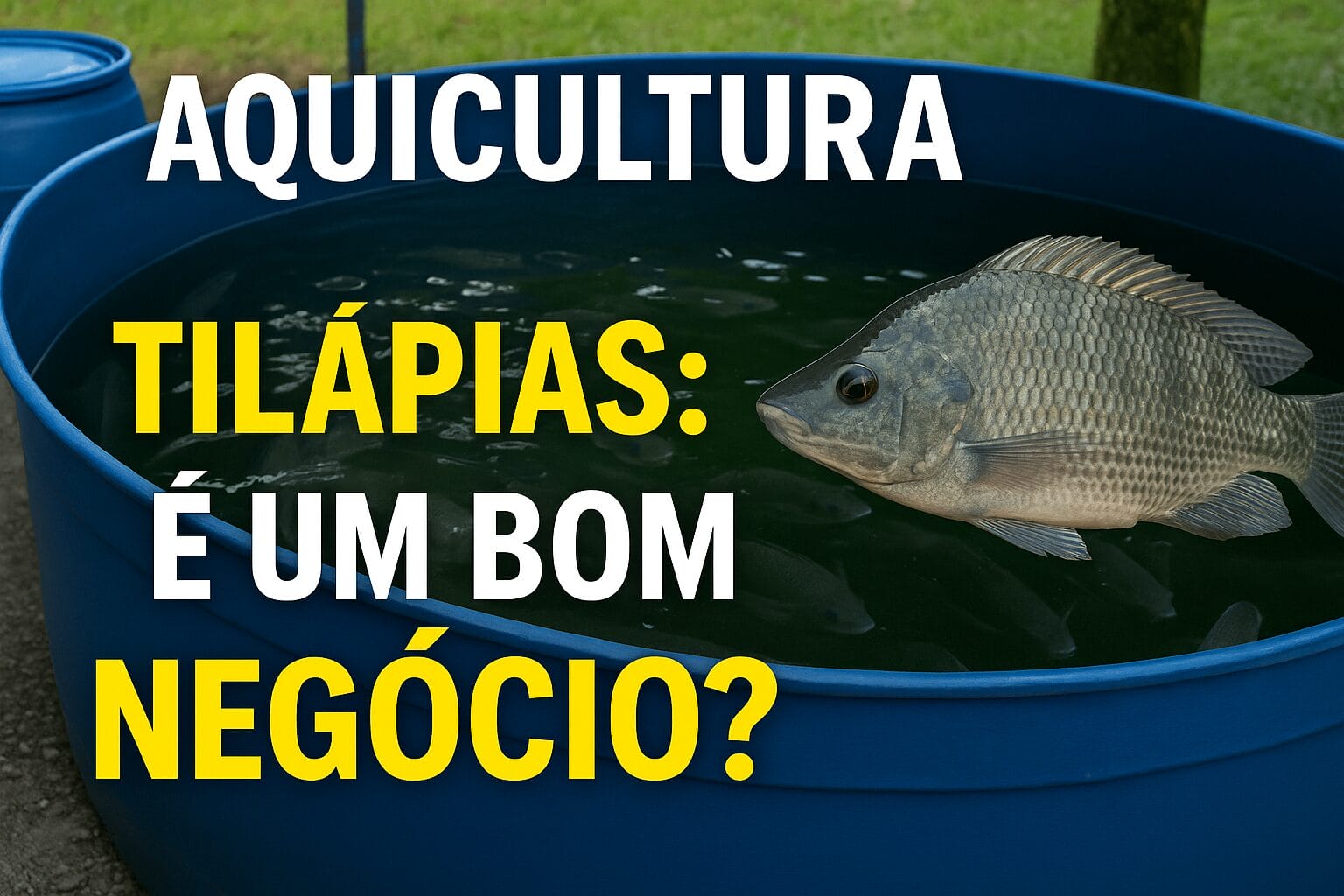
With An Investment Starting At R$ 2,000, It Is Possible To Set Up A Tilapia Farming System In A Water Tank And Profit In A Few Months With A Production Of Up To 100 Fish.
Amid a challenging economic scenario, finding viable alternatives to generate income or reduce expenses has become a priority for many Brazilian families. A great example is tilapia farming in water tanks.
With the rising cost of food and the difficulty of starting conventional businesses, low-risk productive activities with quick returns are gaining prominence.
Among them, tilapia farming in water tanks has gained ground in both rural and urban settings.
-
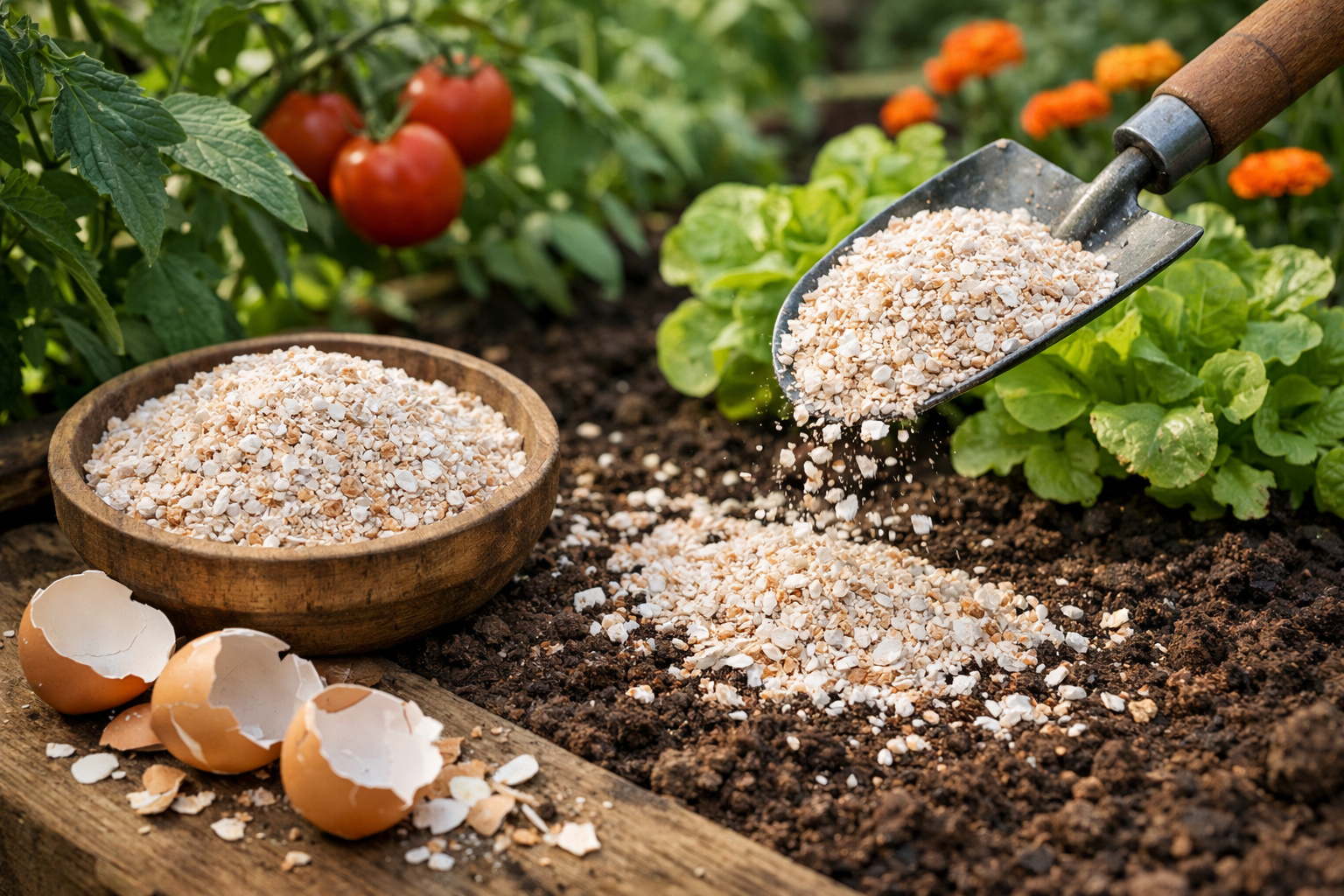
The eggshell that almost everyone throws away is made up of about 95% calcium carbonate and can help enrich the soil when crushed, slowly releasing nutrients and being reused in home gardens and vegetable patches.
-
This farm in the United States does not use sunlight, does not use soil, and produces 500 times more food per square meter than traditional agriculture: the secret lies in 42,000 LEDs, hydroponics, and a system that recycles even the heat from the lamps.

-
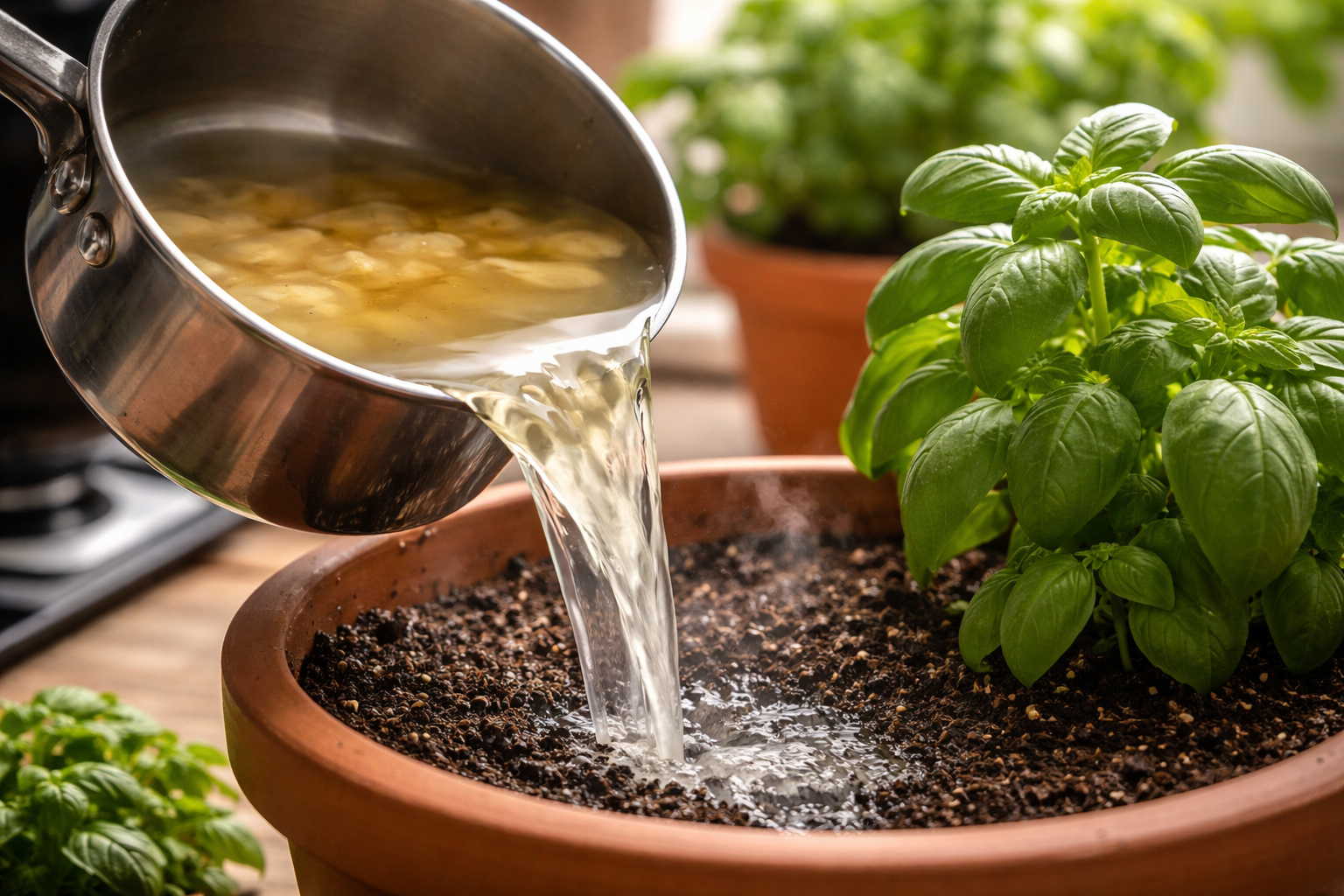
The water that almost everyone throws away after cooking potatoes carries nutrients released during the preparation and can be reused to help in the development of plants when used correctly at the base of gardens and pots, at no additional cost and without changing the routine.
-
The sea water temperature rose from 28 to 34 degrees in Santa Catarina and killed up to 90% of the oysters: producers who planted over 1 million seeds lost practically everything and say that if it happens again, production is doomed to end.


The proposal is simple: utilize small spaces to produce quality food and simultaneously pave the way for a supplementary source of income.
The necessary structure is affordable, and basic care can be easily learned. Throughout this article, you will understand how this farming works, what is needed to get started, the essential care required, and how to turn this productive model into a profitable and sustainable business.


What You Need To Get Started
The first step to set up your tilapia farming in water tanks is to understand the size and type of structure you want.
The system can be simple or more sophisticated, but the basic principle remains the same: clean, oxygenated, and well-filtered water, with well-fed fish cared for daily.
For a basic system, you will need:
- Water tank of 1,000 to 5,000 liters
- Aerator (oxygenator)
- Biological or mechanical filter
- Feed suitable for tilapia
- Fingerlings (baby tilapia)
- Water thermometer
- Simple water quality tests
The initial investment can vary between R$ 2,000 and R$ 10,000, depending on the scale and quality of the equipment.
A small system with 1,000 liters and about 100 fish can be started for less than R$ 2,000.
Choosing The Right Tank
The most commonly used tanks in aquaculture are made of fiberglass or polyethylene. These materials are durable and do not affect water quality.
For beginners, a 1,000-liter tank is sufficient to understand how the system works and gain experience in handling.
In a tank of this size, it is possible to raise between 50 to 100 tilapia, which corresponds to a density of 5 to 10 fish per 100 liters of water. Choosing the higher density requires care with oxygenation and filtration.
Fish, Feeding, And Growth
Tilapia is a hardy and fast-growing fish. This helps reduce the return time on investment.
In ideal conditions, tilapia reaches between 800 grams and 1.2 kg in a period of 5 to 7 months. This time depends on the quality of the feed, water, and daily management.
Feeding is one of the primary factors for success. The ideal feed should contain between 32% and 40% protein. There are specific feeds for each growth stage: fingerlings, juveniles, and adults.
The finer feed is recommended for the young, while larger fish can consume extruded pellets.
It is possible to supplement with natural foods such as vegetables and insects, but a balanced commercial diet is essential to ensure meat quality and good weight gain.
Clean Water Is Life
The quality of the water directly impacts the well-being and development of the fish. Therefore, a filtration system is essential.
The biological or mechanical filter serves to remove waste, leftover feed, and ammonia. It should operate continuously and be cleaned regularly.
Another important aspect is oxygenation. Tilapia need well-oxygenated water to grow healthily.
The aerator is the equipment that injects air into the water and prevents oxygen depletion. There are simple models starting at R$ 300, which work well in small systems.
A partial water change once a week is also recommended, replacing 10% to 20% of the total volume. This helps maintain a clean environment and reduces toxin concentration.
Avoid Diseases With Basic Care
Keeping the fish healthy is crucial to prevent losses. Some common diseases in tilapia farming are caused by parasites, bacteria, or fungi, and are often linked to dirty water or overcrowding.
To avoid problems, follow these practices:
- Do not overcrowd the system with more fish than it can support
- Keep the water always clean and oxygenated
- Use quality feed
- Conduct daily observations to notice any unusual behaviors
An extra tip is to use coarse salt in the water, at a ratio of 5g per liter. This simple practice can reduce parasitic infections and help control the overall health of the system.
Economic Viability — Is It Possible To Make A Profit?
One of the major advantages of farming in a water tank is the possibility of quick returns. In a system with 100 fish, for example, it is possible to obtain between R$ 1,000 and R$ 2,500 per cycle, which lasts on average six months.
The value depends on the selling price in the region and the costs of feed, electricity, and maintenance.
Over time, it is possible to scale up, invest in larger systems, and sell to local markets, restaurants, fish shops, or directly to consumers.
Where To Sell Your Production
Sales can be made in different ways:
- Direct sales at local markets and fairs
- Supply to fishing farms and restaurants
- Distribution to small fish shops
- Delivery of fresh or frozen fish on order
Assessing local demand is essential. Before starting, it is worth talking to local merchants, observing the competition, and studying the average prices per kilogram of tilapia.
Even being an accessible system, tilapia farming requires dedication. Investing in technical courses, watching specialized videos, and seeking help from those already working in the field can make all the difference in the final outcome.
There are free materials available on platforms like YouTube, in addition to in-person and online courses offered by cooperatives, technical institutes, and universities.
Legalization And Sanitary Regulations
Those who wish to turn farming into a formal business must pay attention to regulations. Aquaculture is an activity that requires permits in some states and municipalities. It is necessary to check the requirements of health surveillance, environmental agencies, and even the local city hall.
Even for small productions, being regularized helps avoid fines and facilitates sales in more structured channels.
Is It Worth Raising Tilapia In A Water Tank?
Yes. For those seeking a productive activity with a relatively quick return and no need for large areas, tilapia farming in water tanks is an increasingly viable option in Brazil.
With the tropical climate, the species adapts well and allows for production year-round.
With planning, dedication, and a bit of technical knowledge, this practice can turn into a reliable source of income or even a way to self-consume fresh and healthy fish at the family table.






-

Uma pessoa reagiu a isso.