





 Portuguese
  English
  Spanish
  4 min of reading
  3 comments


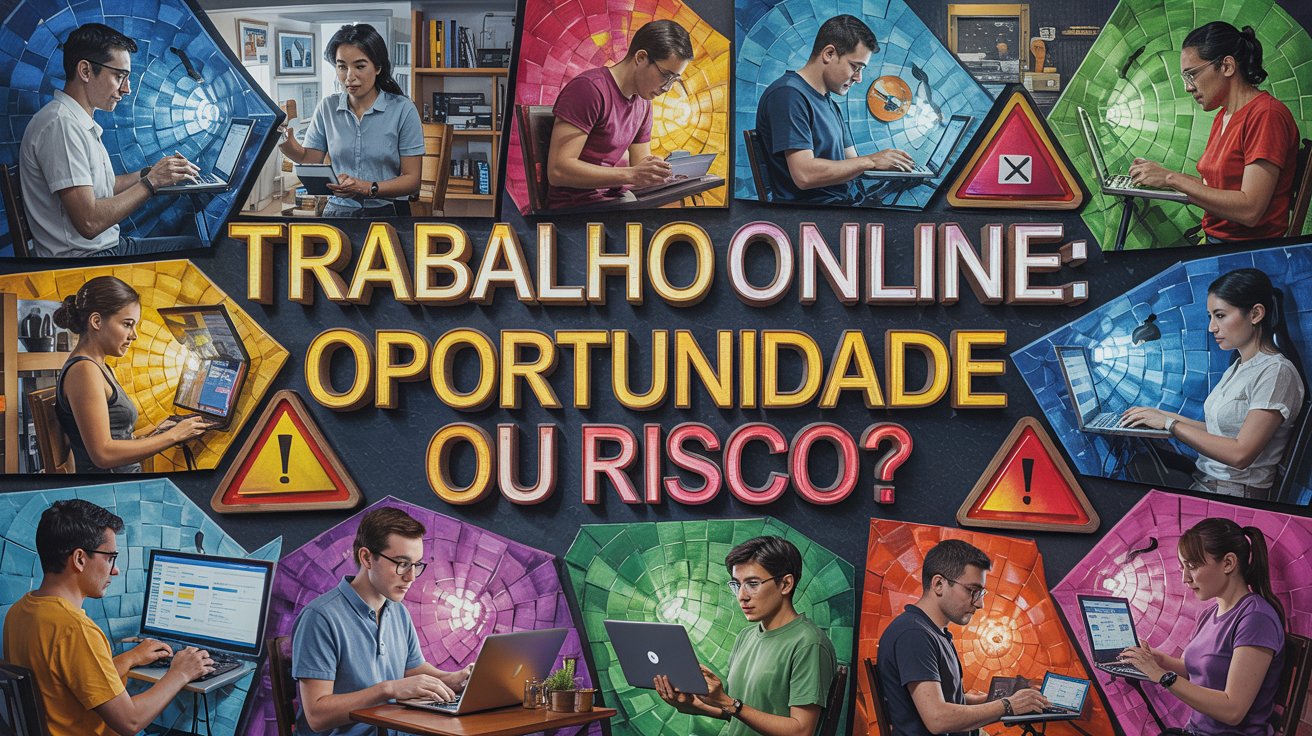

Apps That Promise Easy Money Spread Quickly on Social Media, but Few Reveal What Really Happens Behind the Screen. Discover What Few Talk About These Apps and Their Risks That Impact Thousands in Brazil.
In recent months, Brazil has seen a true avalanche of apps promising easy and quick money for those looking for extra income.
With the economic crisis, unemployment, and the rising cost of living, many Brazilians have found themselves motivated to seek new income sources online, and these apps emerge as the perfect solution — or do they?
While some users achieve legitimate supplementary income, others end up as victims of digital scams that can cause financial losses and even expose their personal data.
-
With over 14 million baskets of earth moved, an ancient North American metropolis built a monumental pyramid of 30 meters and established a city with 20,000 inhabitants nearly a thousand years ago.

-
A 1,900-year-old treasure emerges from a Roman house destroyed by fire and sealed since antiquity in Romania, with coins and metals fused among the ashes.

-
The Brazilian colonial city that stopped in time and shares territory with a rocket launch base.

-
79-year-old woman challenges limits, visits 193 countries in the world after 56 years of planning and reveals the behind-the-scenes of a global journey that few have managed to accomplish.


Why Are ‘Quick Money’ Apps So Popular?
The popularity of these apps primarily grows due to the appeal of “earning money without leaving home,” something that has become even more attractive after the pandemic, which accelerated the digitization of life and work.
These apps spread quickly on social media, WhatsApp groups, and even in sponsored ads, drawing attention with phrases like “earn R$ 500 a day” or “multiply your money with a small investment.”
The promise of easy and quick extra money captivates mainly young people, the unemployed, and those with limited income.
However, experts warn that, in the vast majority of cases, these platforms use strategies based on financial pyramids or Ponzi schemes, models that rely on the constant recruitment of new users to pay older ones.
This means that, while there are new entrants, some may win, but most end up losing money when the flow of people decreases or the app simply disappears.

How Do These Apps Work in Practice?
Many of these apps feature a simple and intuitive interface, which increases the sense of credibility and facilitates engagement.
Users are invited to perform simple tasks, such as watching videos, answering surveys, downloading other apps, inviting friends, or even investing small amounts to “multiply” their balance.
However, there are several types of traps behind this model:
- Payments that are never released for withdrawal, with error messages or demands for new tasks;
- Hidden charges or fees that only appear after the user tries to withdraw money;
- Constant pressure to refer others, offering higher commissions and creating a pyramid structure;
- Apps that disappear from the official app store or lose contact with support.
Another concerning point is the risk of exposure of personal data. When filling out registrations, the user may provide sensitive information that is sold to third parties or used for fraud.
Tips to Identify If an App Is a Scam or Reliable
In light of this scenario, how can Brazilians protect themselves and identify a legitimate app? Experts recommend paying special attention to some clear warning signs, such as:
- Promises of very high earnings in a short time, with no effort;
- Request for payment or initial deposit;
- Lack of clear information about the responsible company, address, and CNPJ;
- Absence of positive reviews from reliable sources;
- Pressure to bring in new users and create referral networks;
- Frequent complaints about difficulty withdrawing or account blocking on complaint sites.
Additionally, it is always advisable to conduct thorough research online about the app, consulting Procon, specialized fraud websites, and even the Public Ministry. The experiences of other users can be an important gauge to avoid falling into traps.
Legitimate Extra Income: What Really Works?
Not all apps that promise extra income are scams. There are reliable platforms that offer payments for real services, such as answering opinion surveys, performing microtasks, participating in affiliate programs, or selling digital products and services.
These platforms are transparent, have clear rules, and allow users to withdraw their accumulated money easily, without hidden fees.
Moreover, remote work and digital entrepreneurship have been consolidating in Brazil, creating real opportunities for those looking to supplement their income, from freelancers to small online businesses.
However, the recipe for success is patience and dedication: there is no shortcut to quickly becoming rich online.


How to Act Safely in the Search for Extra Income?
To avoid losses, it is essential to have some basic precautions:
- Never make advance payments to use an app or platform;
- Be wary of miraculous promises that seem too good to be true;
- Look for well-known platforms with a good reputation;
- Protect your personal data by avoiding sharing document numbers, passwords, or banking details in unknown apps;
- Only use official stores to download apps (Google Play or App Store);
- Be alert to suspicious messages and avoid clicking on links received via social media or WhatsApp without confirming the source.
Brazilian authorities, such as the Public Ministry and Procon, have been intensifying oversight of these apps, combating scams and punishing fraudulent companies. Despite this, individual caution is always the best defense.
Have you ever tried using any of these apps to make money? What was your experience? Do you believe that extra income from apps is a real opportunity or a trap? Share your opinion!







Não, nunca cair, fico muito atento, já um ditado que diz, “Quando a esmola é grande, todo Santo desconfia”… Há uma mensagem recorrente nas páginas do Google, que já fiz uma série de denúncias, alertando que é golpe, mas ela aparece reescrita de forma diferente, mas o conteudo é o mesmo e consta como matéria “patrocinada”, ao verificar a procedência a horigem vem de diversos países, os que já vi: Reino Unido, Hong Kong, Canadá e por aí vai.
E algumas vezes a chamada da matéria vem assim: Empresário da fé teve entrevista interrompida em horário nobre, pelo Banco Central, por divulgar como ficou milionário em pouco tempo.
Cuidado!!!
Sim, já usei. É difícil completar a cota para fazer um saque, já tem tutoriais para responder essas pesquisas.
Tudo isso com ar de salvação nos leva a múltiplas enganações ,e a nossa cota de erros , nos endividam muito mais, ou seja o caus.