





 Portuguese
  English
  Spanish
  5 min of reading
  0 comments


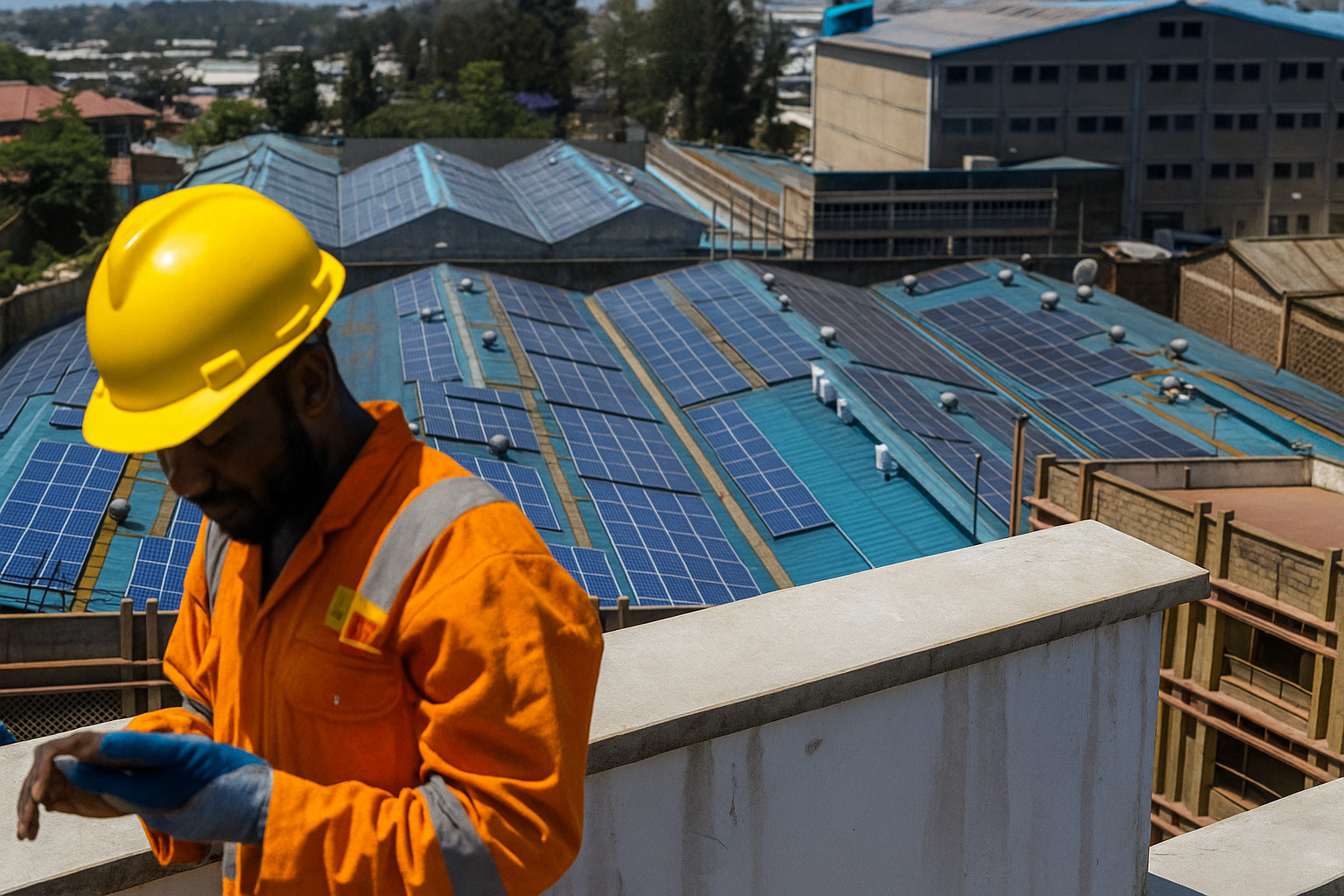
Renewables Drive The Future And Establish Themselves As The Largest Source Of Electric Power, Marking The Start Of A New Sustainable And Accessible Era Worldwide.
The world is finally experiencing a historic moment. For the first time, renewable sources have overtaken coal and become the largest source of electric power. This milestone represents much more than a simple statistical change.
In fact, it symbolizes the beginning of a new era in electricity production, an era marked by the transition to cleaner, more sustainable systems that are accessible to all.
Since the Industrial Revolution, coal has dominated energy generation and sustained the growth of economies. Throughout the 19th and 20th centuries, it powered factories, locomotives, and entire cities.
-
How green infrastructure and renewable energy at the World Cup transform the logistics of the largest sporting event on the planet in North America.

-
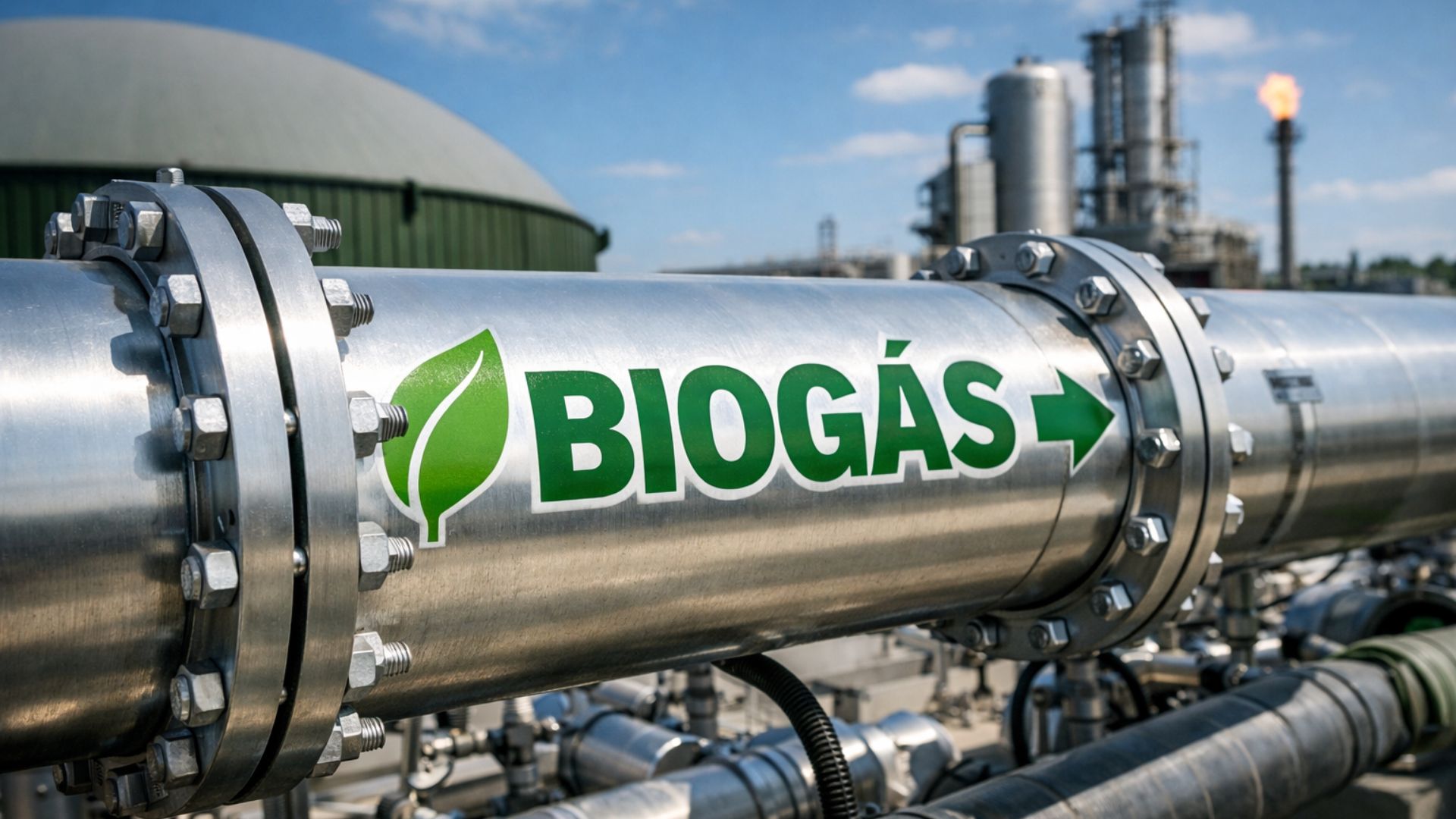
The Cagece and UFC project advances in sustainable innovation with biogas by converting waste into renewable energy, reducing environmental impacts, and increasing sanitation efficiency with concrete and measurable results.
-
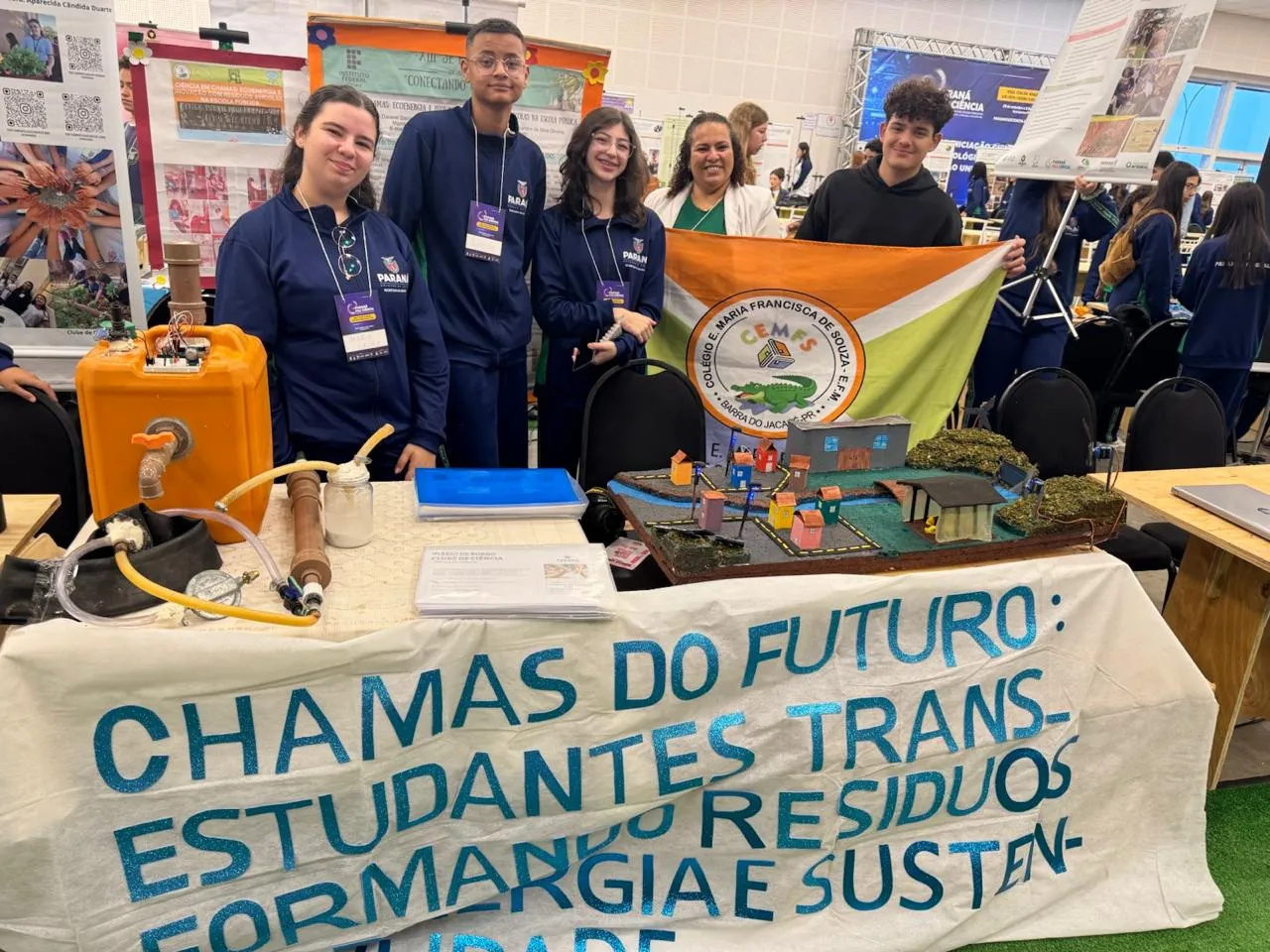
Paranaense students develop a system that transforms farm waste into clean energy and revolutionizes sustainable agribusiness.
-
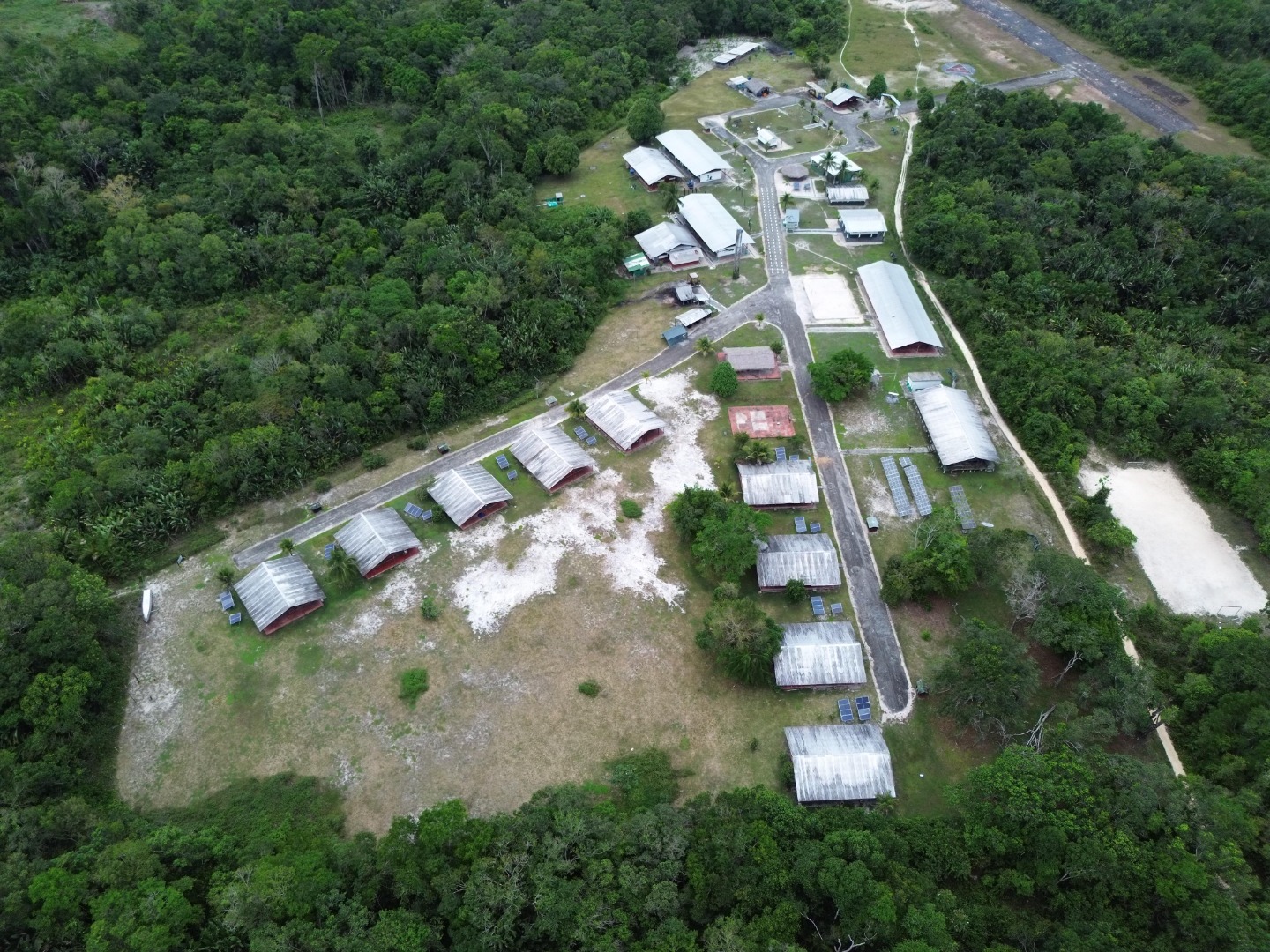
The Ministry of Defense installs a giant photovoltaic plant and ensures a stable supply of clean energy in Maturacá, in the Amazon.
However, this prominence came at a high environmental cost. Emissions from coal have propelled global warming, becoming one of the main causes of the climate change that the planet currently faces.
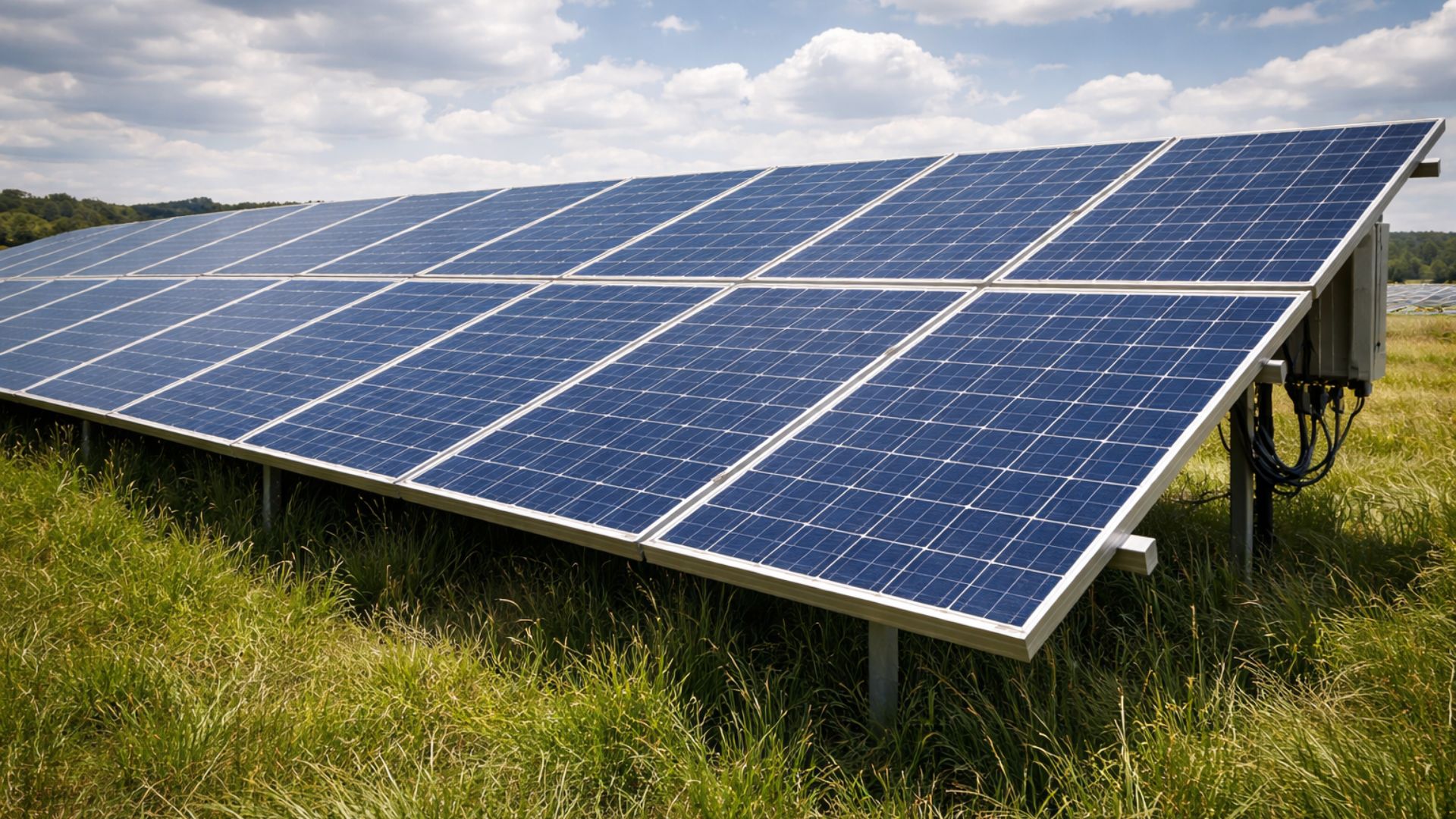
In recent years, however, the landscape has begun to change. The rapid advancement of solar and wind energy has transformed the global electricity sector.
As solar panels have become cheaper and more efficient, and wind turbines have reduced their costs, these sources have begun to compete on equal footing with fossil fuels.
As a result, the world has finally witnessed renewable energy surpassing coal and taking its place as the largest source of electricity.
The Advancement of Renewable Energies Worldwide
Currently, renewable sources account for the majority of electric power generated globally, demonstrating the strength of the energy transition.
This advancement is particularly notable in developing countries, such as China and India, which are leading the expansion of solar and wind energy.
Meanwhile, some developed nations, like the United States and countries in the European Union, still face challenges in reducing their dependence on fossil fuels.
In China, for example, the growth of clean energy has been impressive. The country has added, in just a few years, more solar and wind capacity than the rest of the world combined.
Thanks to this, China has managed to not only meet the increasing domestic demand for electricity but also reduce coal generation by 2%.
By heavily investing in innovation and domestic industry, the country has established itself as the leading global supplier of clean technologies, dominating the production of solar panels, turbines, and batteries.
Similarly, India is charting a path of continuous expansion. With vast sunny territories and ideal conditions for photovoltaic energy use, the country has managed to combine economic growth and sustainability.
As a result, it has reduced the use of coal and gas while creating thousands of green jobs related to the installation and maintenance of renewable systems.
In contrast, regions like the United States and Europe still face a slower transition.
Although there have been significant advances, the demand for electricity has been growing faster than the capacity for clean generation.
A Crucial Turning Point In The History Of Electric Energy
Despite regional differences, experts believe that the planet has reached a crucial turning point.
For the first time, clean energy not only keeps pace with global demand but also is proving capable of sustaining it in a constant, safe, and competitive manner.
This progress is largely due to the dramatic drop in solar energy costs, which have decreased by about 99.9% since 1975.
As a result, low-income countries that were previously reliant on imported fuels now see solar energy as an economical and efficient alternative.
Consequently, solar generation has rapidly expanded in regions such as Africa.
South Africa, for example, is leading this growth, followed by Nigeria and Algeria.
In many of these countries, solar electricity is already powering millions of households, replacing the use of polluting sources and reducing costs.
Similarly, Pakistan has made headlines by doubling, in just one year, the amount of imported solar panels.
This capacity, estimated at 17 gigawatts by 2024, reinforces the role of renewable energies as the largest source of electric power in the world.
By reducing dependence on fossil fuels, the country improves its energy security and strengthens its economy.
Moreover, the global solar boom has stimulated the creation of new production chains and encouraged investments in infrastructure and technology.
This broadens the benefits of the energy transition.
Challenges And Opportunities Of The New Energy Matrix
However, the rapid advancement of renewable energies also poses new challenges.
In some regions, such as Afghanistan, the intensive use of solar-powered water pumps has reduced groundwater levels, threatening access to subterranean water.
This example shows that the energy transition must occur with planning and responsibility.
Additionally, integrating renewable sources into traditional electrical systems requires modernizing grids and investing in energy storage.
As solar and wind energy depend on variable weather conditions, it is necessary to develop batteries and intelligent systems capable of balancing supply and demand in real-time.
Fortunately, technological advancements have made these solutions increasingly accessible.
At the same time, governments need to adopt effective public policies to accelerate the energy transition.
Tax incentives, green credit lines, and carbon neutrality targets help attract investments and strengthen market confidence.
In many countries, these policies are already driving the gradual replacement of fossil fuels with clean sources.
As a result, the world is witnessing a profound transformation.
The coal era, which dominated for over 150 years, is making way for a period of clean, affordable, and decentralized energy.
This change redefines not only the energy matrix but also the very concept of sustainable development.
The Role Of China And The Future Of The Largest Source Of Electric Power
China’s leadership in this new scenario is undeniable.
By 2025, the country achieved record exports of clean technologies, surpassing US$ 20 billion.
The growth of electric vehicle and battery sales has made these products worth more than double the exports of solar panels.
Thus, China has established itself as the engine of the global energy revolution.
However, other regions are also advancing rapidly.
Latin America, for example, is seizing its immense natural potential.
Brazil is among the ten largest producers of renewable energy in the world, with a predominantly clean electricity matrix.
Meanwhile, Chile is heavily investing in solar and wind farms in the Atacama Desert.
Therefore, the future of the largest source of electric power is undoubtedly in the hands of renewable energies.
They offer cheaper electricity, reduce carbon emissions, and help combat climate change.
Additionally, they provide energy autonomy and stimulate the growth of emerging economies.
Over the last decades, this revolution has resulted from the union of science, public policies, and technological innovation.
Today, the world is advancing toward a more just and sustainable energy system, where progress goes hand in hand with the preservation of the environment.
Consequently, the energy transition has become irreversible.
Solar, wind, and other clean sources now occupy the center of the global energy matrix.
Therefore, the future of humanity will be powered by renewable energy — the largest source of electricity and the symbol of a new time.








Seja o primeiro a reagir!