





 Portuguese
  English
  Spanish
 4 min of reading
  0 comments


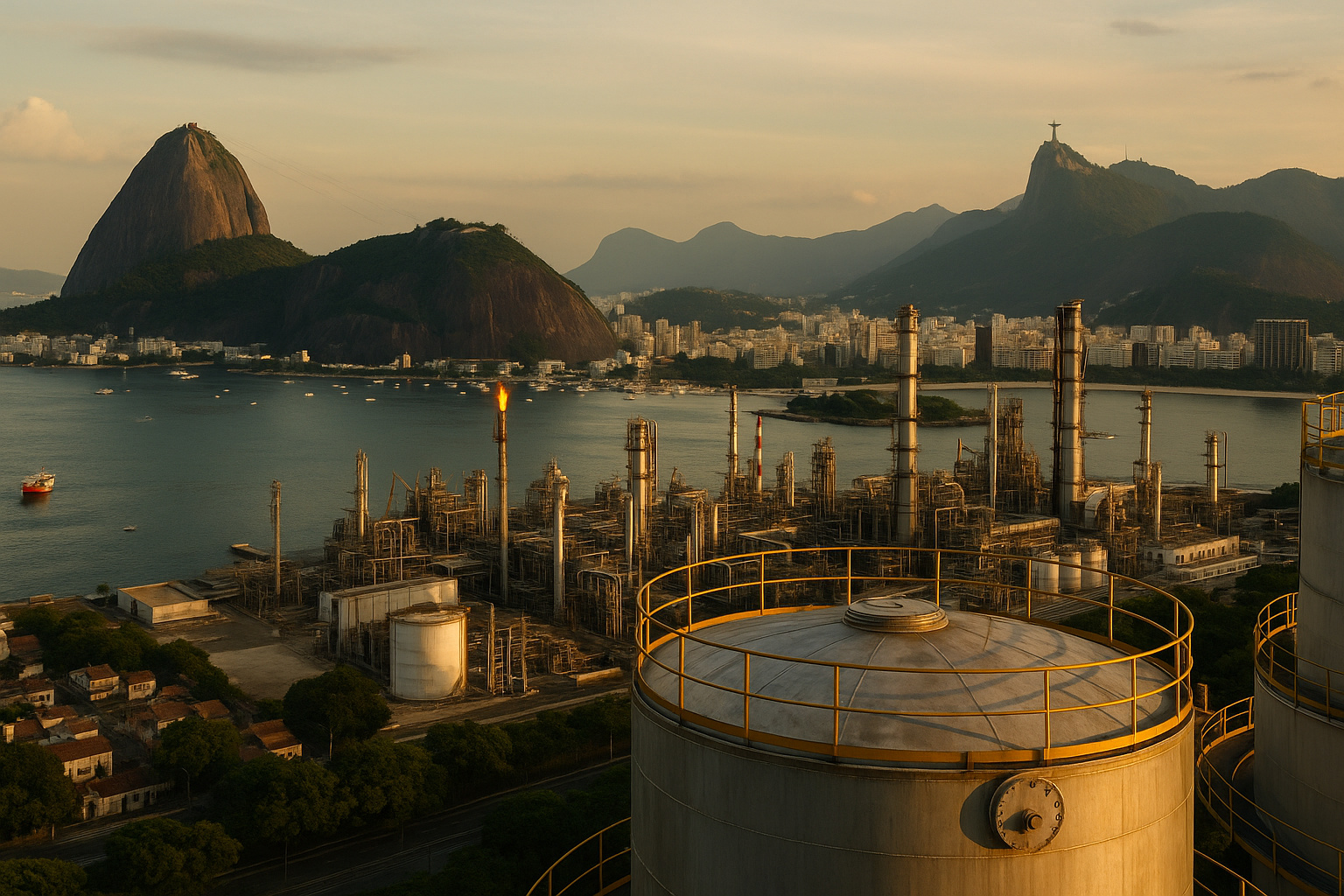
A Bill May Increase The Cost Of Natural Gas, Halt Investments And Reduce The Competitiveness Of Rio De Janeiro In The Oil And Gas Sector
A political movement with significant economic impact is drawing attention from the energy sector in Brazil. The bill 6034/2025, submitted in August by Governor Cláudio Castro (PL-RJ) and discussed in the Legislative Assembly of Rio de Janeiro (Alerj) since October 8, 2025, proposes an increase in the Temporary Budget Fund (FOT) rate. This change could alter the tax balance of the Repetro, a regime essential for oil and natural gas exploration and production operations.
According to sector entities, the proposal could raise the cost of natural gas and reduce the attractiveness of investments in the state, directly affecting the Campos Basin, one of the strategic poles of the Fluminense economy.
Tax Changes May Discourage Production And Affect The Pre-Salt
The FOT was created in 2019 with a deposit of 10% for companies seeking tax incentives linked to ICMS. However, with the new proposal, the percentage would rise to 18.8% in 2025. In addition, the project provides for progressive increases — 30% in 2026, 60% in 2029, and 90% in 2032, the last year before the full tax reform.
-
The rise in oil prices could ensure an extra revenue of R$ 100 billion for the Federal Government, indicates a recent economic study.

-
Naturgy begins an investment of R$ 1.6 million to expand the gas network in Niterói and benefit thousands of new residences and businesses.
-
A major turn in the Justice system suspends tax increases and directly impacts oil and gas companies in Brazil by affecting costs, contracts, and financial planning, leaving uncertain what could happen to the sector if these costs had increased.

-
Brava Energia begins drilling in Papa-Terra and Atlanta and could change the game by reducing costs in oil while increasing production and strengthening competitiveness in the offshore market.

According to the Brazilian Institute of Oil and Gas (IBP), the Brazilian Association of Independent Oil and Gas Production (Abpip), Abespetro, Sinaval, Ompetro, Abeemar, Logística Brasil, and Sidennf, the measure could render part of the exploration and production projects unfeasible, including in the mature and marginal fields of the Campos Basin.
The entities state that without the Repetro incentives, there will be a significant increase in the cost of imported goods and equipment. Thus, investments may be postponed or even canceled. Furthermore, the text contradicts previous decisions of the Supreme Federal Court (STF), which could generate new tax disputes and increase legal uncertainty in the sector.
Market Reaction And Risk Of Losing Competitiveness
The associations highlight that increasing the FOT reduces tax predictability and compromises long-term planning. This happens because the oil and gas sector requires huge capital investments and regulatory stability.
With the changes, the molecule of natural gas produced in Rio would be more expensive than in other states, reducing the competitiveness of the local industry. Moreover, the interstate sales cost would be lower, especially when the gas is used as input in thermoelectric plants.
This difference in prices could diminish the logistical advantage of Rio de Janeiro, affecting industries such as plastics, lubricants, and aircraft refueling. As a result, the impact would be immediate on the Fluminense production chain, with lower job generation and decreased new investments.
Government Claims Need For Fiscal Balance
On the other hand, the state government argues that increasing the FOT is essential to balance public accounts. In the message sent to the Alerj in August 2025, Cláudio Castro emphasized that the state faces budget deficits between R$ 15.9 billion and R$ 21.5 billion, projected between 2026 and 2028.
According to studies by the Subsecretariat of Tax Policy of the State, the new rate could increase revenue by R$ 2.125 billion in 2026, which represents R$ 1.27 billion more than the current amount. Thus, the government expects to ensure fiscal sustainability and continuity of essential public services.
However, sector entities claim that increasing the tax burden will bring more harm than benefits. For them, fiscal instability drives away investors and harms industrial growth.
Debate In Alerj Will Define The Future Of Energy Policy
As the project advances in the Alerj, industry representatives are calling for technical dialogue and transparency. They argue that the competitiveness of the state and the maintenance of skilled jobs depend on legal security and balanced incentives.
The vote, scheduled for October 2025, will be decisive for the future of the energy sector in Rio. The outcome could change the economic landscape of the Fluminense oil industry, influencing the price of gas, investments, and the sustainability of the production chain.
In light of this scenario, the question remains: Will the increase of the FOT guarantee fiscal balance or put the energy and economic future of Rio de Janeiro at risk?









-

Uma pessoa reagiu a isso.