





 Portuguese
  English
  Spanish
  4 min of reading
  0 comments


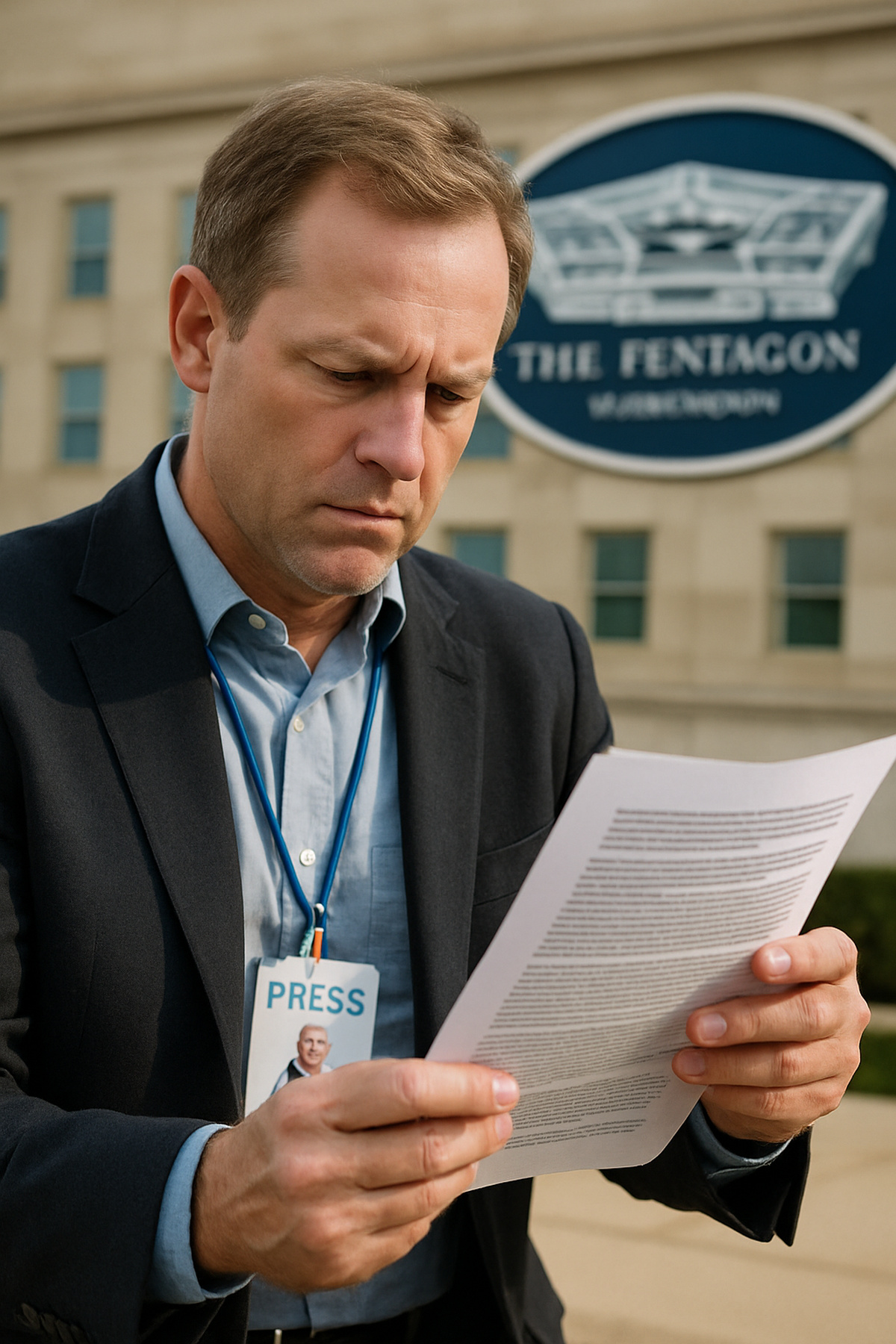
New Requirement In 2025 Requires Reporters To Submit Stories Before Publication And Generates Criticism From Journalistic Organizations
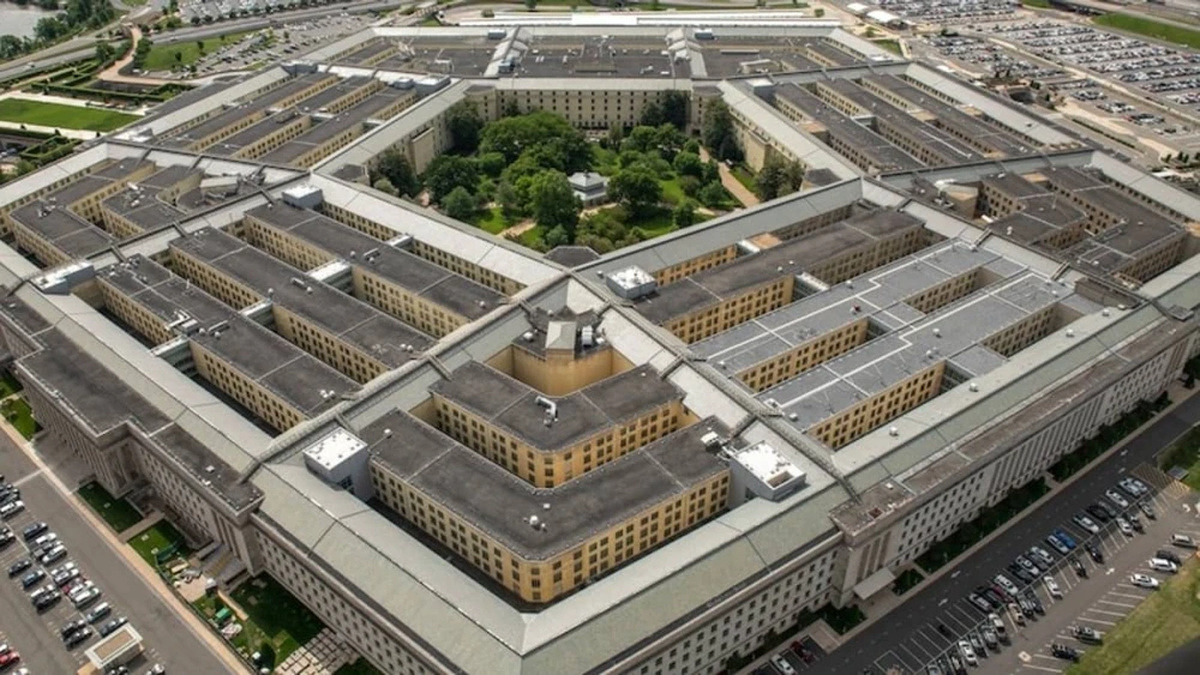
In September 2025, the U.S. Department of Defense announced an unprecedented measure that surprised the press. Journalists accredited at the Pentagon must sign a term that obligates them to submit their stories for approval by government officials before publication. Furthermore, non-compliance with this requirement results in the loss of access credentials to the building, which further amplifies criticism.
According to the determination, those who fail to comply lose their credentials and the right of entry. The decision, revealed by Secretary of Defense Pete Hegseth, received severe criticism from entities advocating for freedom of the press. Therefore, experts assess that the measure symbolizes a democratic setback.
Many analysts consider the rule an attack on transparency, while Hegseth reinforced that “the press does not run the Pentagon”. Thus, the tension between government and the press intensified immediately.
-
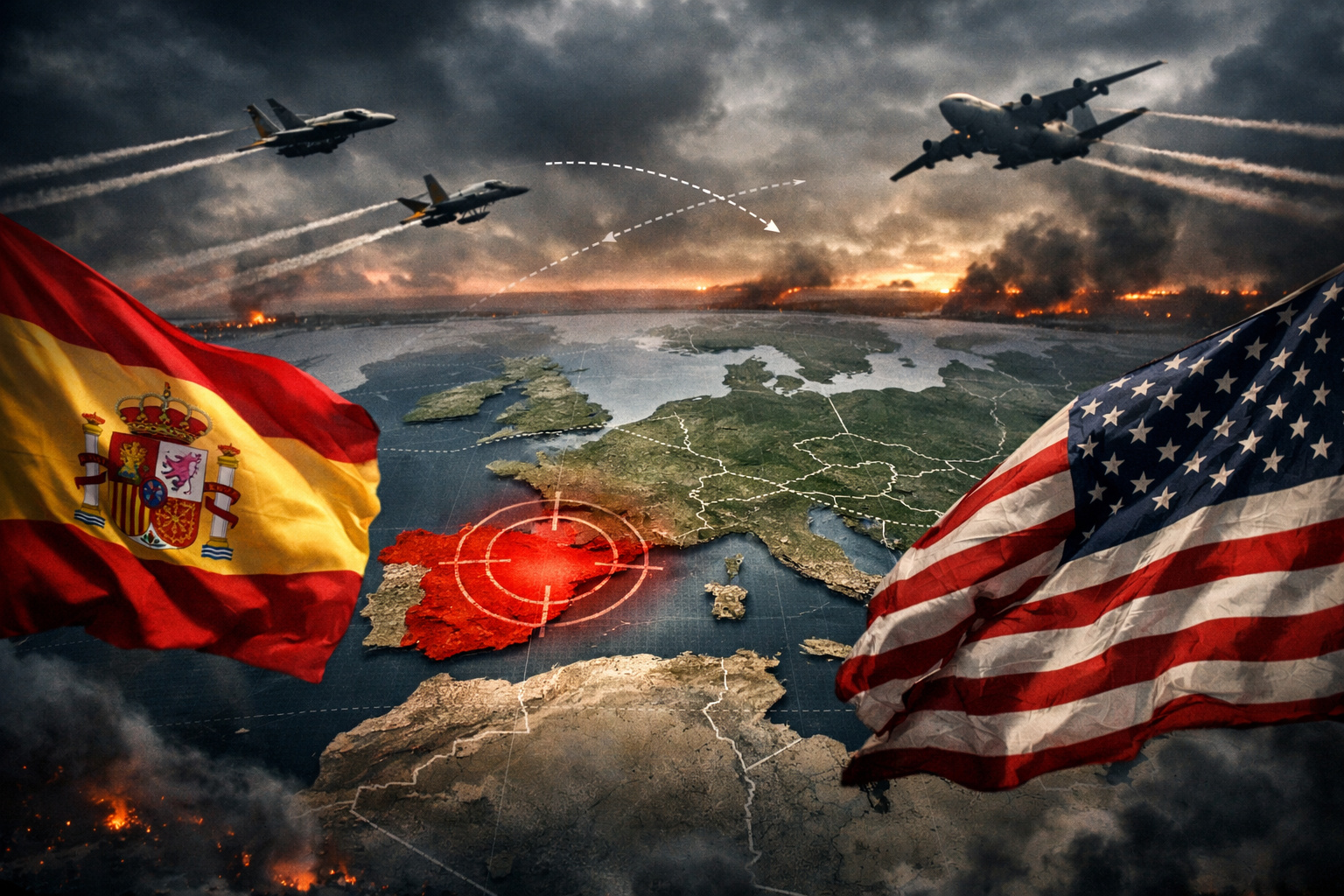
Spain challenges the USA and closes its airspace for operations against Iran, raising global tension and provoking the threat of a trade rupture.
-
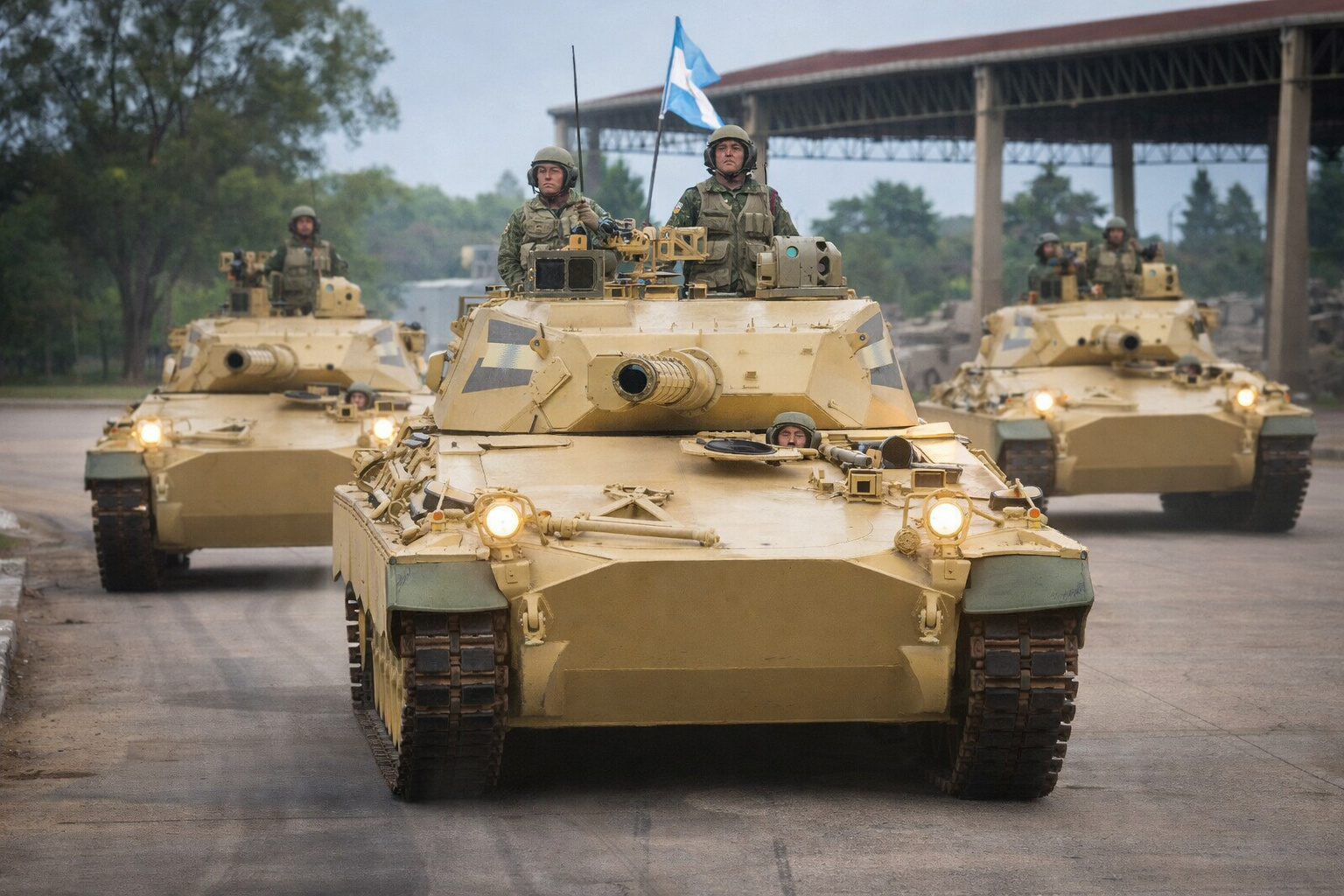
While no other country manufactures tanks in Latin America, Argentina activates the TAM 2C-A2 and raises a curiosity about the technological lag in the region.
-
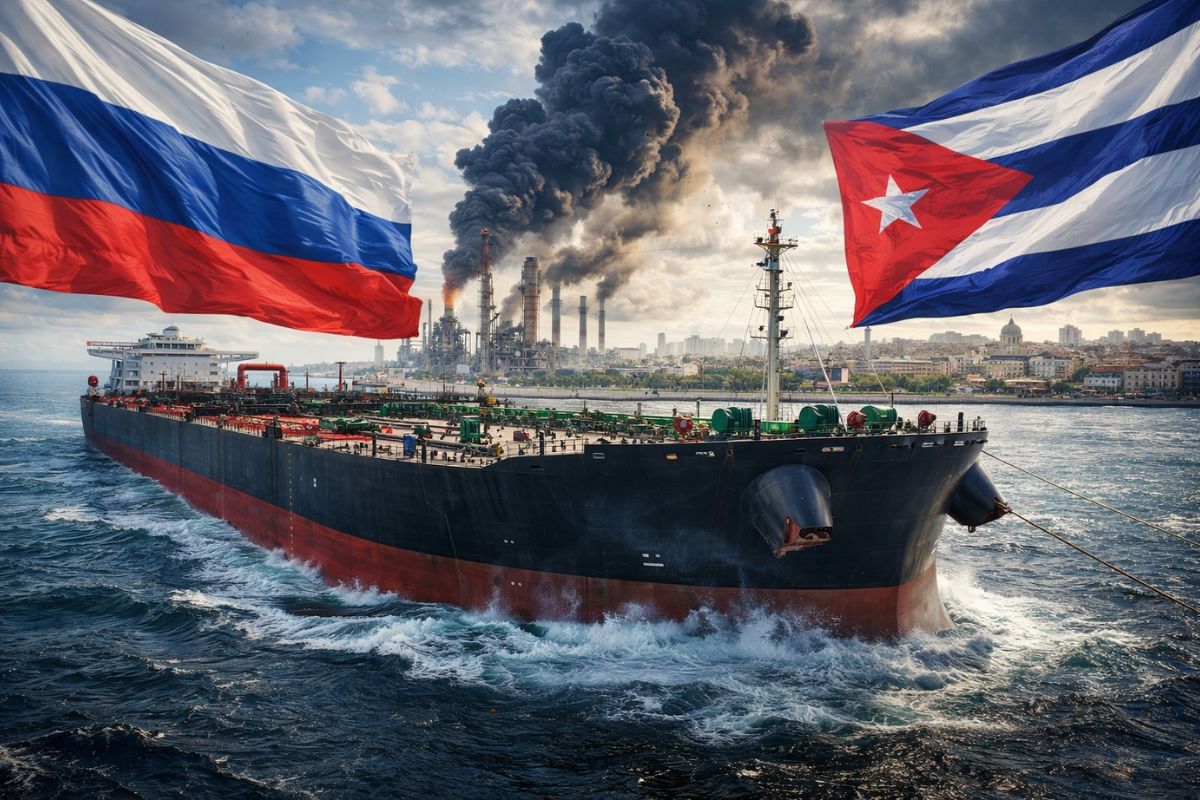
A Russian ship with 730,000 barrels of oil has just arrived in Cuba while Mexico negotiates fuel sales through private companies: the communist island is desperately seeking alternatives after losing its supply from Venezuela due to American military action.
-
Iranian drones and missiles destroyed a 270 million dollar American spy plane in Saudi Arabia, splitting the E-3 Sentry aircraft in half and injuring 12 military personnel in an attack that exposes the vulnerability of U.S. bases in the Persian Gulf.

Criticism From Journalistic Organizations
Contrary reactions emerged rapidly. The National Press Club stated that the decision amounts to “a direct attack on independent journalism, precisely where scrutiny is most needed: in the U.S. Armed Forces”.
The organization’s president, Mike Balsamo, highlighted that for decades, reporters have provided crucial information about wars and military operations, which helped keep society informed. Additionally, he emphasized that a free press guarantees the functioning of democracy.
He also stated that when news depends on government authorization, the public receives only what authorities choose to disclose. “This should alarm all Americans. Independent reporting is essential for citizens to hold leaders accountable and monitor decisions on war and peace in broad daylight”, Balsamo reinforced.
Response From the Department of Defense
In response, Secretary Pete Hegseth declared that “the people, not the press, run the Pentagon”. He continued on social media: “Wear a badge and follow the rules — or go home.”
This clash heightened the tension between government and journalists. Additionally, in May 2025, the same department restricted press circulation in previously allowed areas, requiring additional authorizations and escorts, which had already caused discomfort.
Constitutional Violations
The Freedom of the Press Foundation classified the new policy as “the most serious violation of the First Amendment of the U.S. Constitution”. The entity emphasized that the government cannot prevent the dissemination of public information merely on the grounds of confidentiality. Therefore, the rule represents a direct threat to fundamental rights.
The First Amendment, in effect since 1791, guarantees freedom of speech and of the press. Thus, experts understand that the decision marks a direct attack on pillars of American democracy, posing serious risks to institutional transparency.
Growing Pressure Against the Media in 2025
The September 2025 requirement did not occur in isolation. On the contrary, other measures from the Trump administration increased pressure against the press throughout the year:
- In May 2025, reporters were physically restricted in the Pentagon, needing escorts to move around.
- In the week prior to prior approval, Donald Trump threatened to revoke licenses of radio and television stations critical of the government, which escalated protests.
- A few days later, the ABC network, owned by Disney, suspended the show of host Jimmy Kimmel, a critic of the administration, after strong pressure from the White House.
These episodes reinforce allegations that the government is attempting to weaken independent journalism and control the public narrative. Furthermore, they amplify fears of widespread censorship.
The Importance of Independent Journalism
Journalistic entities emphasize that independent coverage of the Armed Forces is fundamental to democracy, as it ensures society access to information about decisions on war and peace. Thus, the population can demand transparency from authorities.
Mike Balsamo reminded that, for generations, only the freedom of investigation has allowed informing the public about the directions of conflicts. “Without independent press, society loses the right to demand transparency and accountability from leaders”, he said.
Perspectives and Risks for Democracy
Experts warn that the imposition of prior censorship creates a dangerous precedent. If maintained, it may redefine the relationship between government and press in the U.S., reducing society’s access to free and reliable information. Additionally, the weakening of the press also weakens social oversight.
Independent organizations are pushing for the revocation of the policy. At the same time, journalists fear that the decision is merely the beginning of institutionalized control of information, which further compromises freedom of expression.
After all, in a country that has historically defended freedom, the requirement for prior approval of reports at the Pentagon raises a serious question: Are the U.S. limiting one of the pillars of their own democracy?









Seja o primeiro a reagir!