





 Portuguese
  English
  Spanish
  2 min of reading


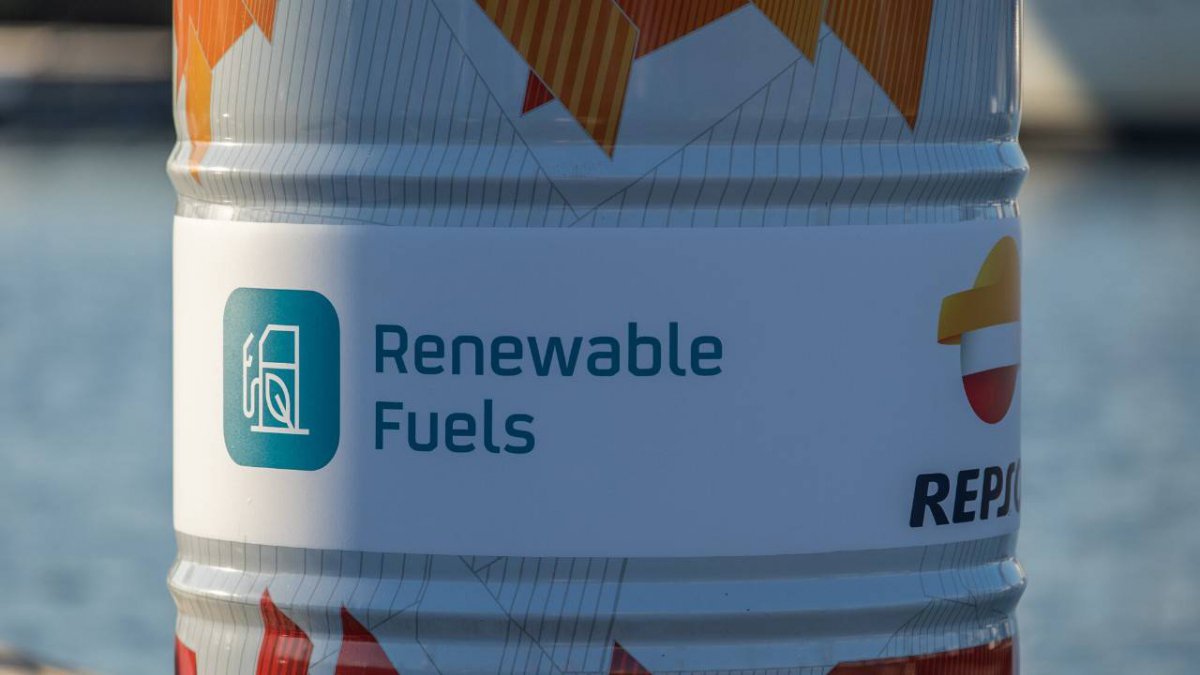
Repsol, One of the Leading Energy Companies in the World, Recently Launched 100% Renewable Fuel at Three Service Stations in the Iberian Peninsula, One of Which Is Located in Alcochete, Portugal.
The goal is to have a total network of 60 service stations by the end of the project, with 50 located in Spain and the other ten in Portugal, strategically positioned along key transport routes.
According to the statement issued by Repsol, 100% renewable fuels are produced from waste from the agricultural and forestry sectors and used cooking oils, and are one of the company’s bets to achieve zero carbon dioxide (CO2) emissions, along with synthetic fuels and hydrogen.
The New Fuel Has the Potential to Reduce CO2 Emissions by Up to 100%, Making It an Excellent Alternative for Vehicle Propulsion Systems.
Additionally, it will not be necessary to adapt the supply structures at gas stations and it can be easily used by drivers.
-
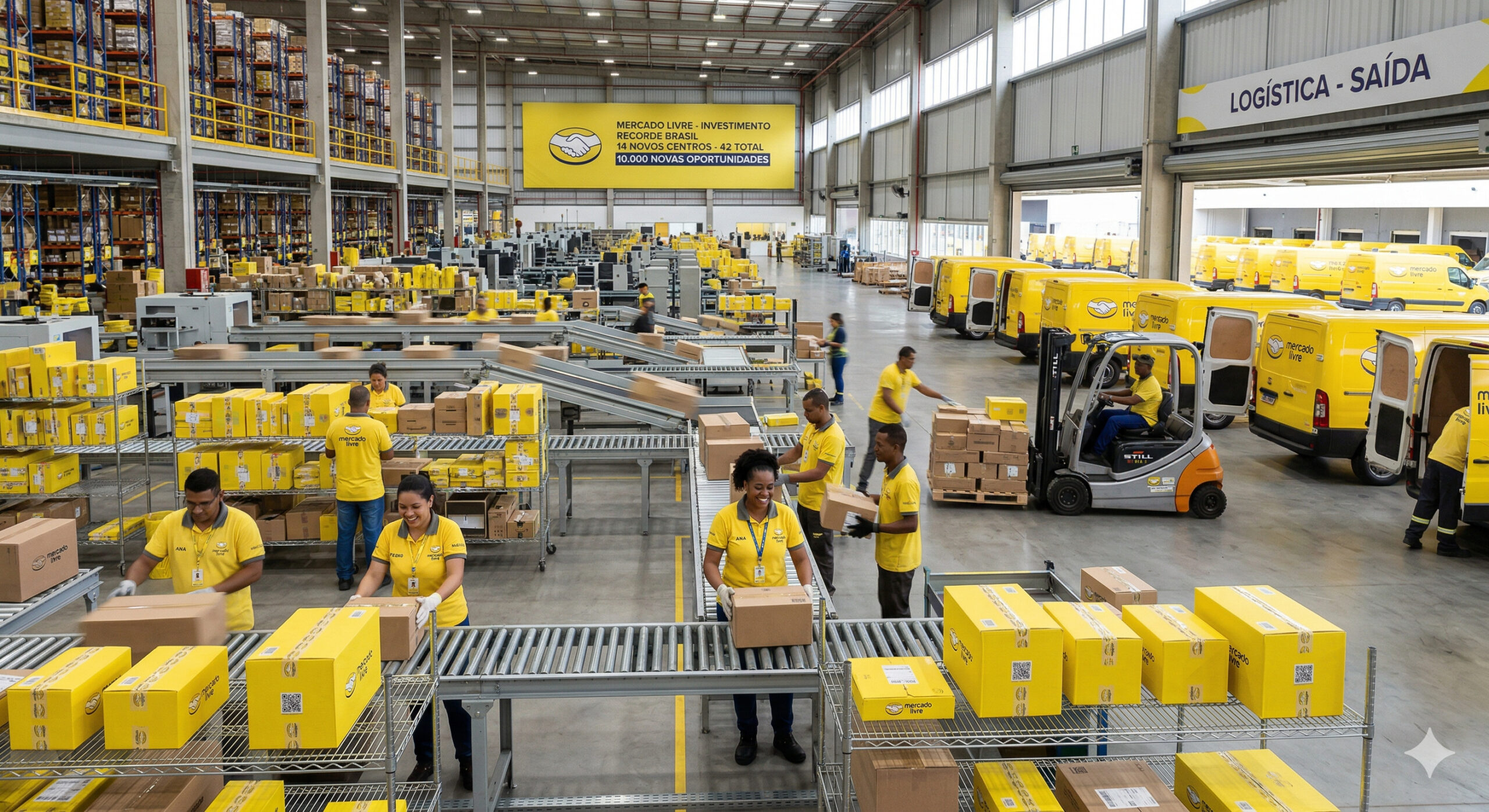
Mercado Livre “opens the vault” and announces a record investment of R$ 57 billion in Brazil in 2026, a value 50% higher than the previous year, with an expansion plan that includes 14 new logistics centers, totaling 42 units in the country and hiring an additional 10,000 employees.
-
How investment in technology can revolutionize the national economy and enhance industrial gains, according to a study that highlights the direct impact on productivity, innovation, and wealth retention within Brazil.

-
The largest food company on the planet, JBS, has just opened a 4,000 square meter laboratory in Florianópolis to develop customized proteins that modulate muscle mass gain, immune response, and metabolic performance.

-
After nearly 30 bids and competition among industry giants, a Spanish company purchases one of the largest airports in Brazil for almost R$ 3 billion and takes over the management of Galeão in a concession that will last until 2039.


Repsol is conducting a pilot test for the use of 100% renewable diesel under real operating conditions, involving various companies such as Coca-Cola, DPD, Elis, Lidl, Atlantic Cargo, HAVI, Transportes J. Amaral, and Transportes Florêncio Silva. This test aims to evaluate the effectiveness of the new fuel and its impacts in terms of reducing CO2 emissions.
Still this year, the company intends to inaugurate the first factory dedicated exclusively to the production of advanced biofuels from waste in the Iberian Peninsula, with a capacity to produce up to 250,000 tons per year, adding to the 750,000 tons already produced currently.
In this way, Repsol reinforces its commitment to sustainability and the environment by investing in renewable and clean solutions to reduce greenhouse gas emissions and pollution, contributing to a healthier future for the planet.








Seja o primeiro a reagir!