





 Portuguese
  English
  Spanish
  3 min of reading
  0 comments


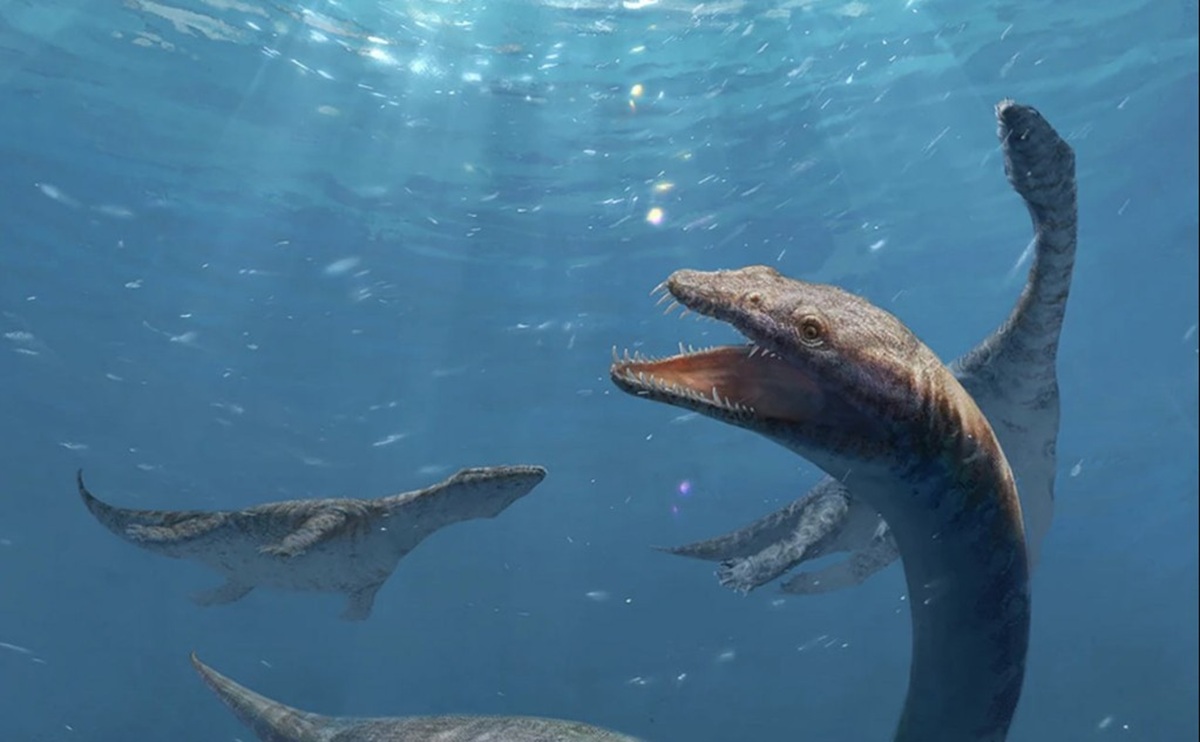
The Discovery of Lijiangosaurus yongshengensis, With a Neck Formed by 42 Cervical Vertebrae, Reveals That Extreme Cervical Elongation Emerged Among Triassic Marine Sauropterygia Before the Appearance of Plesiosaurs
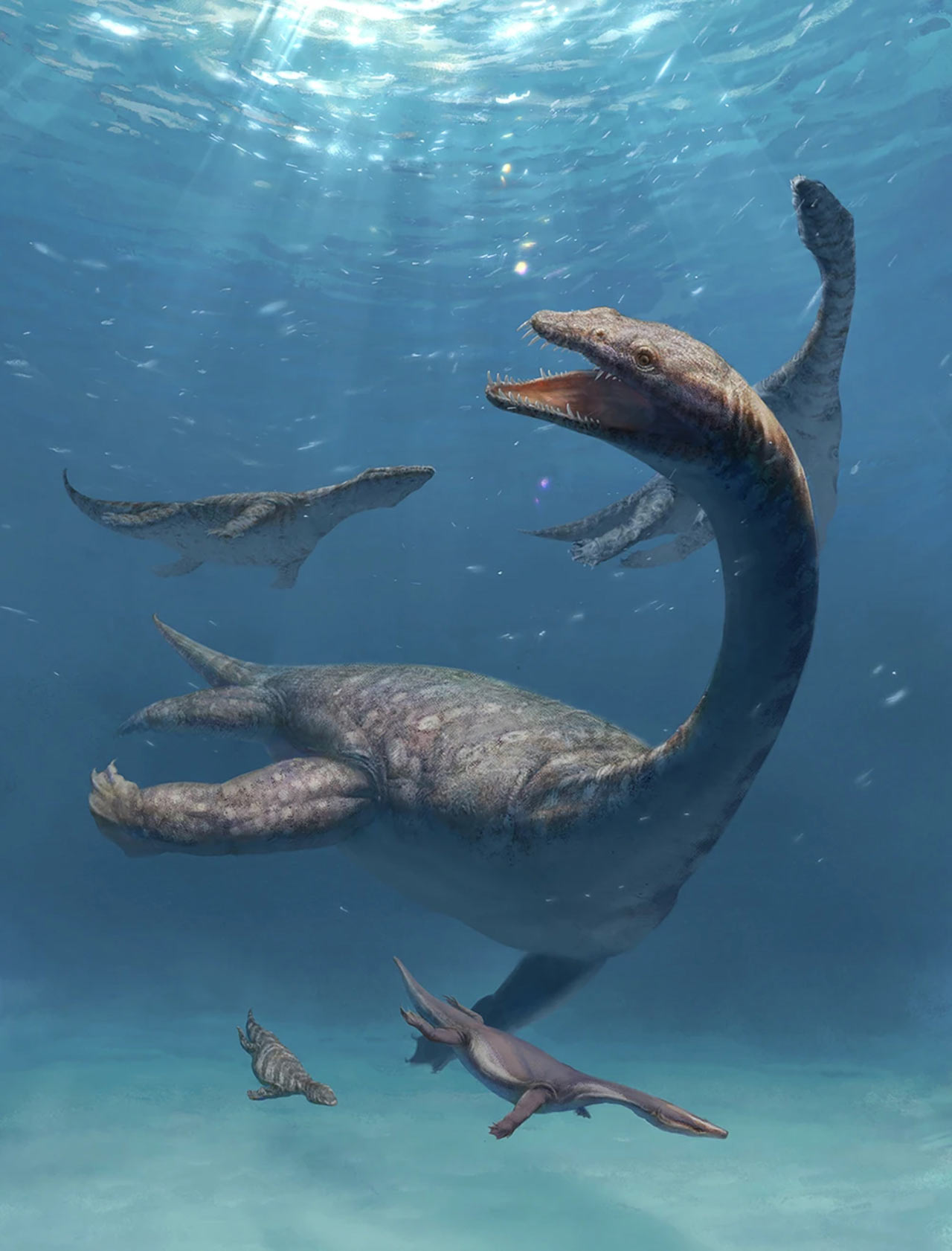
The fossil of Lijiangosaurus yongshengensis, a primitive marine reptile over 2.5 meters long with a neck formed by 42 cervical vertebrae, was unearthed in China, revealing extreme cervical elongation in the Middle Triassic between 247 and 241 million years ago.
Discovery and Geological Context
The fossilized skeleton was found in a previously unknown location from the early Middle Triassic, within the Beiya Formation, in the Chinese province of Yunnan, near the eastern part of the Tibetan Plateau and north of Myanmar.
The area differs from the fossil-rich regions previously documented in southwestern China, particularly in the zones near the border between the provinces of Yunnan and Guizhou, according to the excavation team.
-
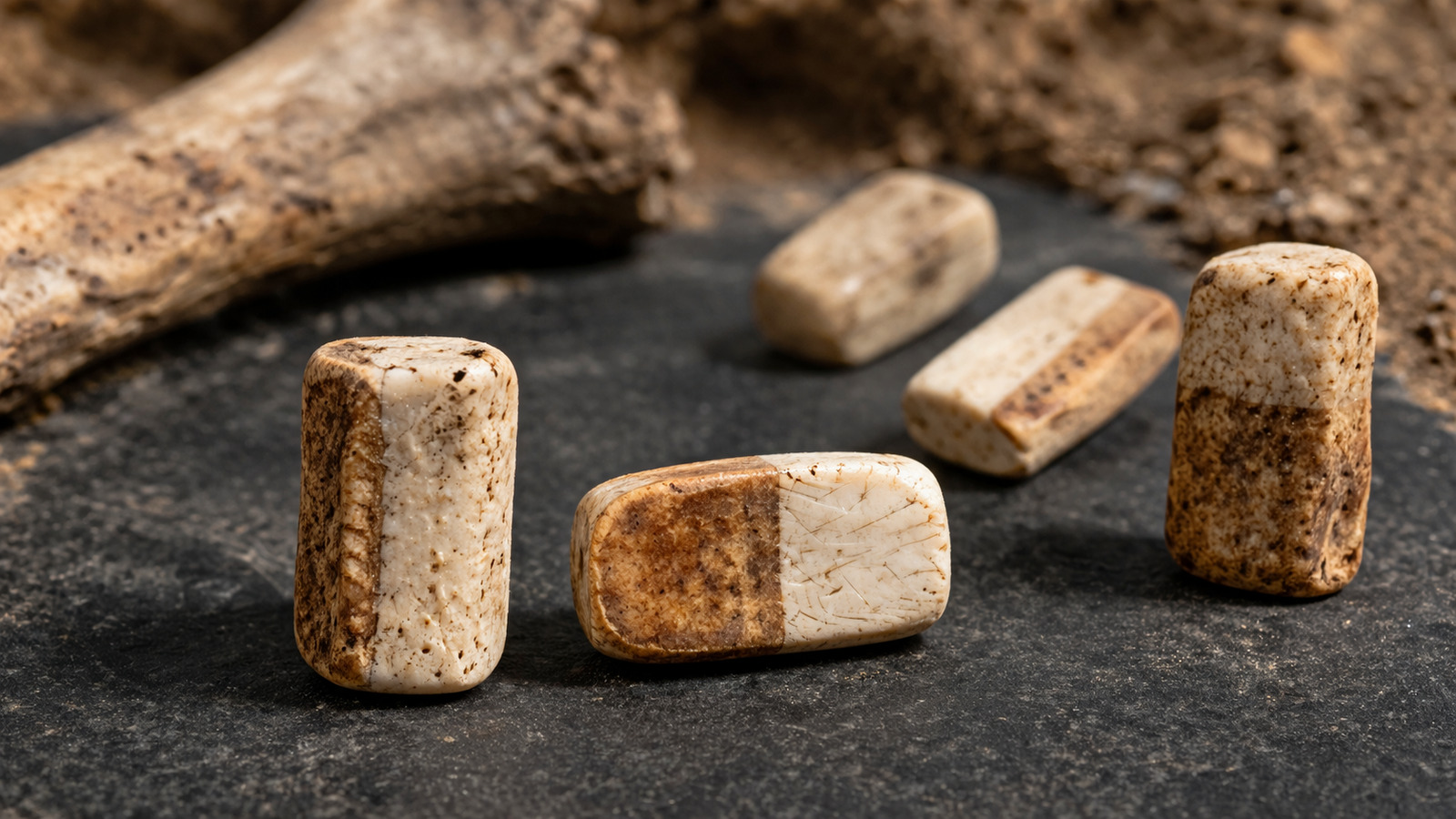
They seemed like common bones, but scientists were surprised to find a relic over 12,000 years old that dates back to before the Bronze Age.
-
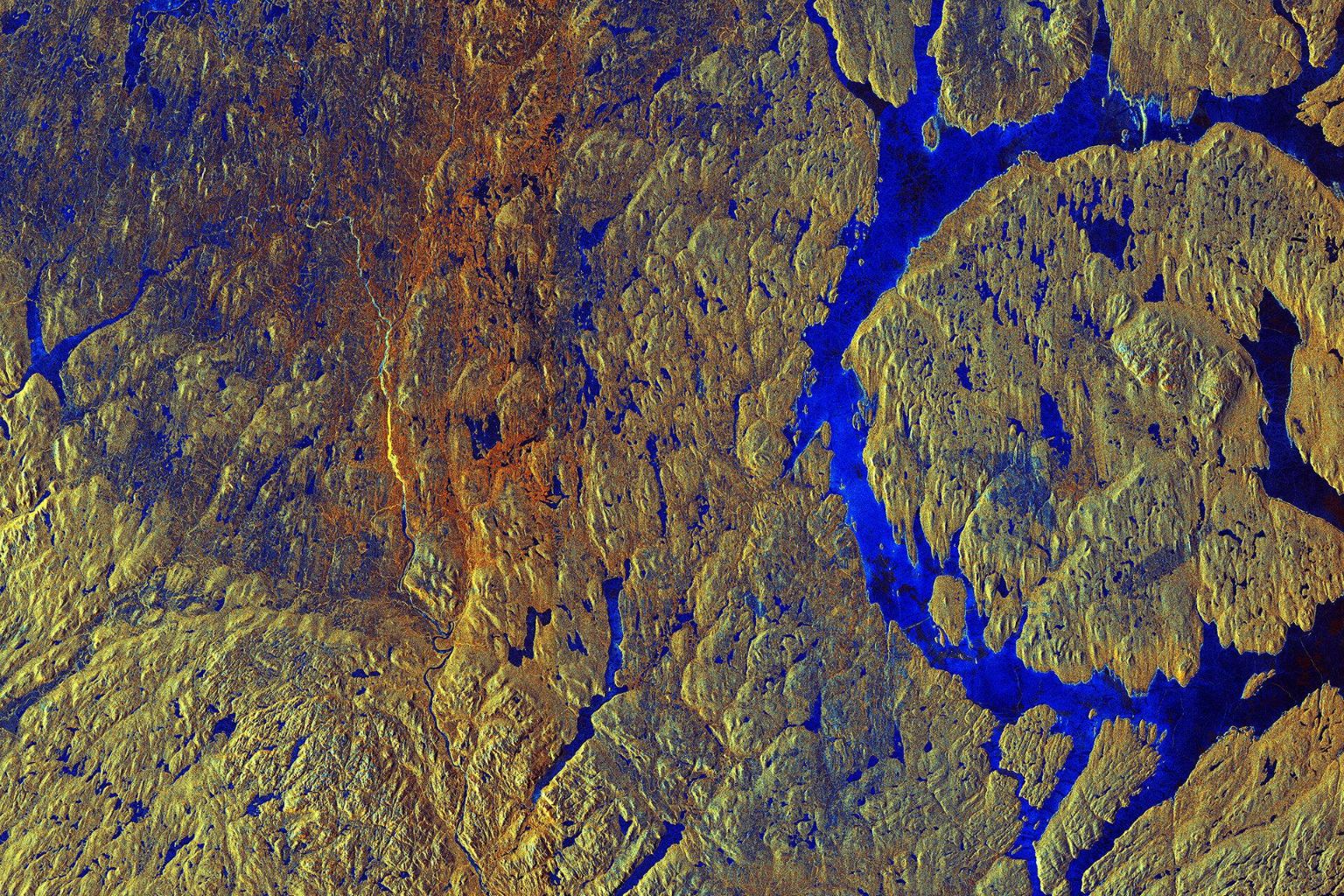
With an almost perfect ring of 70 km visible from space, known as the “Eye of Quebec” and over 100 km in length, the Manicouagan Crater in Canada reveals the colossal mark left by a giant asteroid and has become one of the most impressive formations ever identified on the Earth’s surface.
-
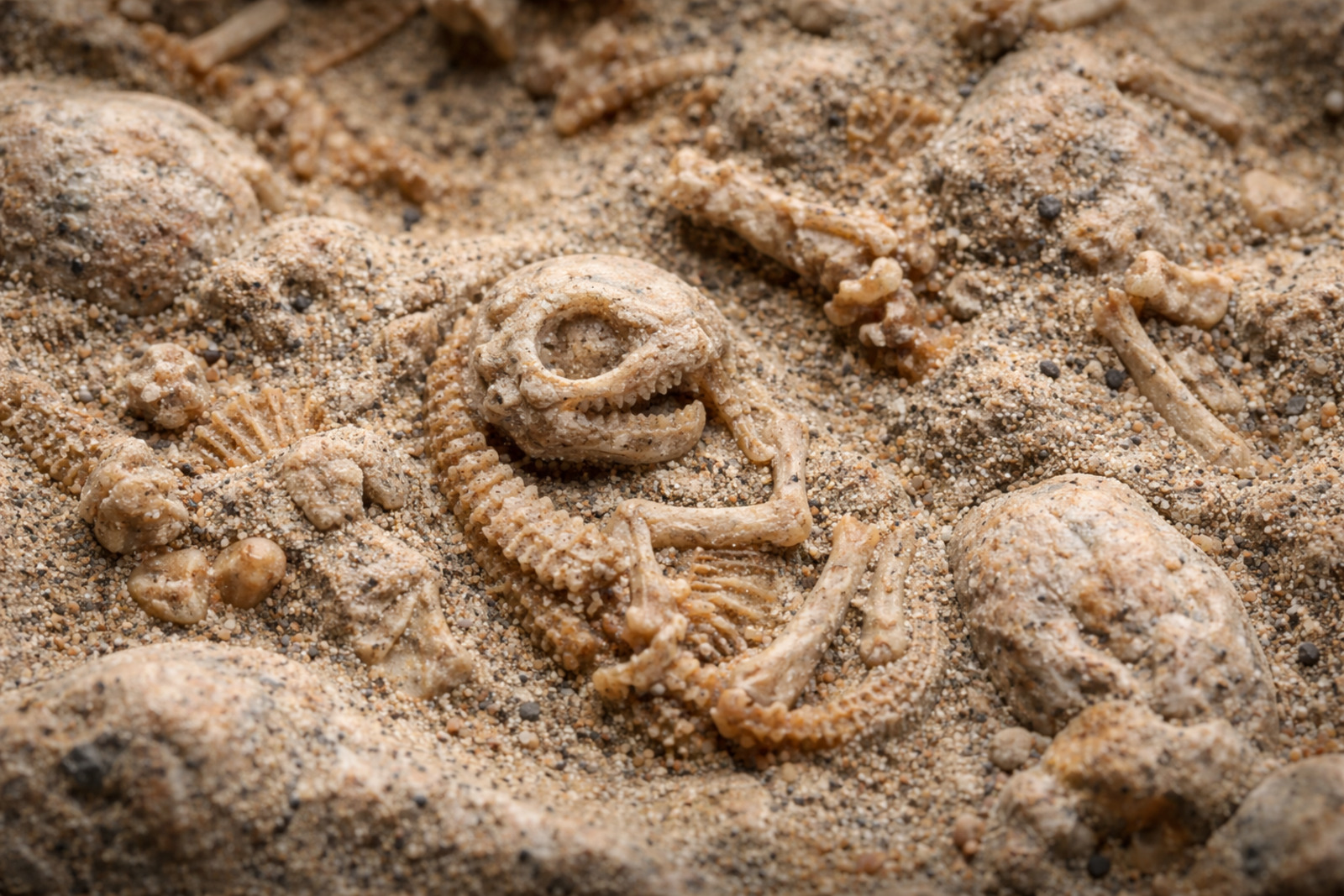
Scientists have found in China dinosaur embryos dating back 190 million years in various stages of development, and the discovery still preserves traces of extremely rare proteins in the bones, something that could change what is known about life before hatching.
-
The CEO of Honor in Spain says that smartphones will change with AI, foldables, and even robot phones; the component crisis is making cheap models more expensive in 2026 and shifting the focus to premium.

Classification and General Characteristics
Lijiangosaurus yongshengensis is classified as a nothosaur, belonging to the clade of marine reptiles known as sauropterygians, a group that established itself as a central component of marine ecosystems during the Early and Middle Triassic.
Nothosaurs could reach lengths of up to 7 meters and swam using four paddle-like limbs, featuring flattened skulls and thin conical teeth used for capturing fish and squids.
The body size of nothosaurs was generally larger than that of pachypleurosaurs but smaller than that of pistosaurs, a group that includes plesiosaurs, marine reptiles known for their long necks.
Neck Structure and Anatomical Uniqueness
The identified specimen had a small skull and a body length exceeding 2.5 meters but stood out for developing an exceptionally long neck, composed of 42 cervical vertebrae.
This number represents double that observed in most sauropterygians of the same time, surpassing the limit of 30 cervical vertebrae used as a reference for defining long or elongated necks.
Although plesiosaurs are generally characterized by extraordinarily long necks, the new fossil indicates that this adaptation emerged before the appearance of plesiosaurs and their ancestral pistosaurs.
Evolutionary Implications of the Discovery
The discovery demonstrates that extreme cervical elongation developed in sauropterygians at an earlier stage of marine evolution, anticipating a characteristic considered iconic in later plesiosaurs.
Furthermore, Lijiangosaurus yongshengensis exhibits a unique type of accessory intervertebral joint, different from those observed in other known marine reptiles to date.
The researchers attribute this structure to the reduction of body undulation, indicating specific functional adaptations in the vertebral column during the early evolution of marine sauropterygians.
Contribution to Paleontology
The find expands the known diversity of accessory intervertebral joints in reptiles and highlights the significant plasticity of the vertebral column in the early evolutionary stages of sauropterygians.
Despite numerous described species, nothosaurs exhibit lower morphological diversity at the genus level compared to other subgroups of sauropterygians, making the new fossil even more relevant.
The study reinforces that sauropterygians included placodonts, pachypleurosaurs, nothosaurs, and early pistosaurs, comprising a diverse group that dominated marine environments for about 180 million years.
The research findings, conducted by paleontologists from the Institute of Vertebrate Paleontology and Paleoanthropology of the Chinese Academy of Sciences, were published in the journal Communications Biology.







-

-

-

-

6 pessoas reagiram a isso.