





 Portuguese
  English
  Spanish
  6 min of reading
  0 comments


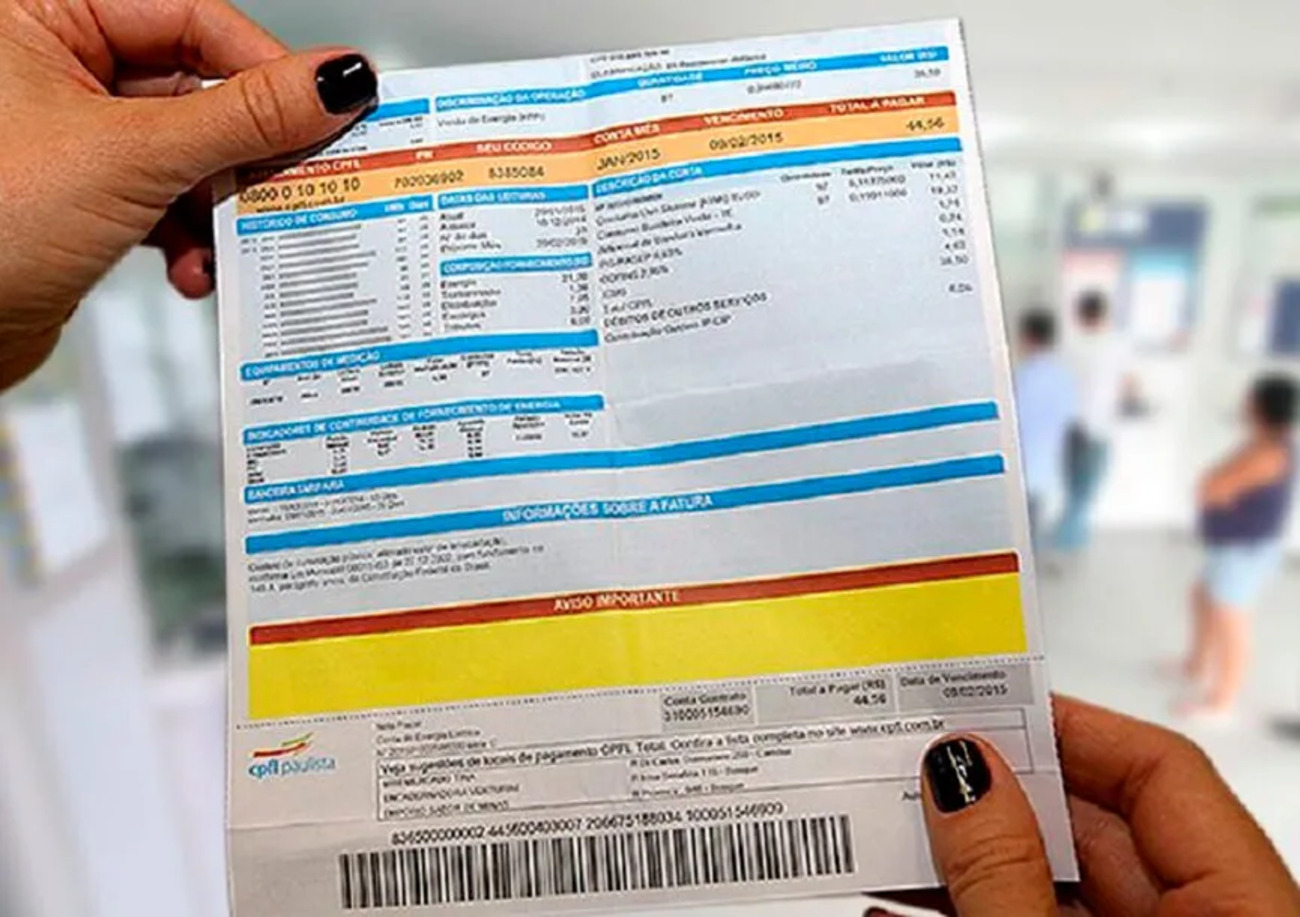
The economic scenario and high energy inflation make Brazilian consumers prioritize low prices, confirming that the population rejects paying more for renewable energy in 2026.
The overwhelming majority of Brazilian consumers dismiss the possibility of paying more for renewable energy on their monthly electricity bill, according to a new survey on the behavior of the national electricity sector.
Although the country boasts one of the cleanest energy matrices in the world, price sensitivity remains the decisive factor for families, who already face high tariffs due to sector charges and periods of water scarcity.
The research demonstrates a paradox: Brazilians support the energy transition and sources like solar and wind, but demand that this change does not result in higher bills. For the average citizen, environmental preservation must go hand in hand with economic efficiency and relief in household budgets.
-
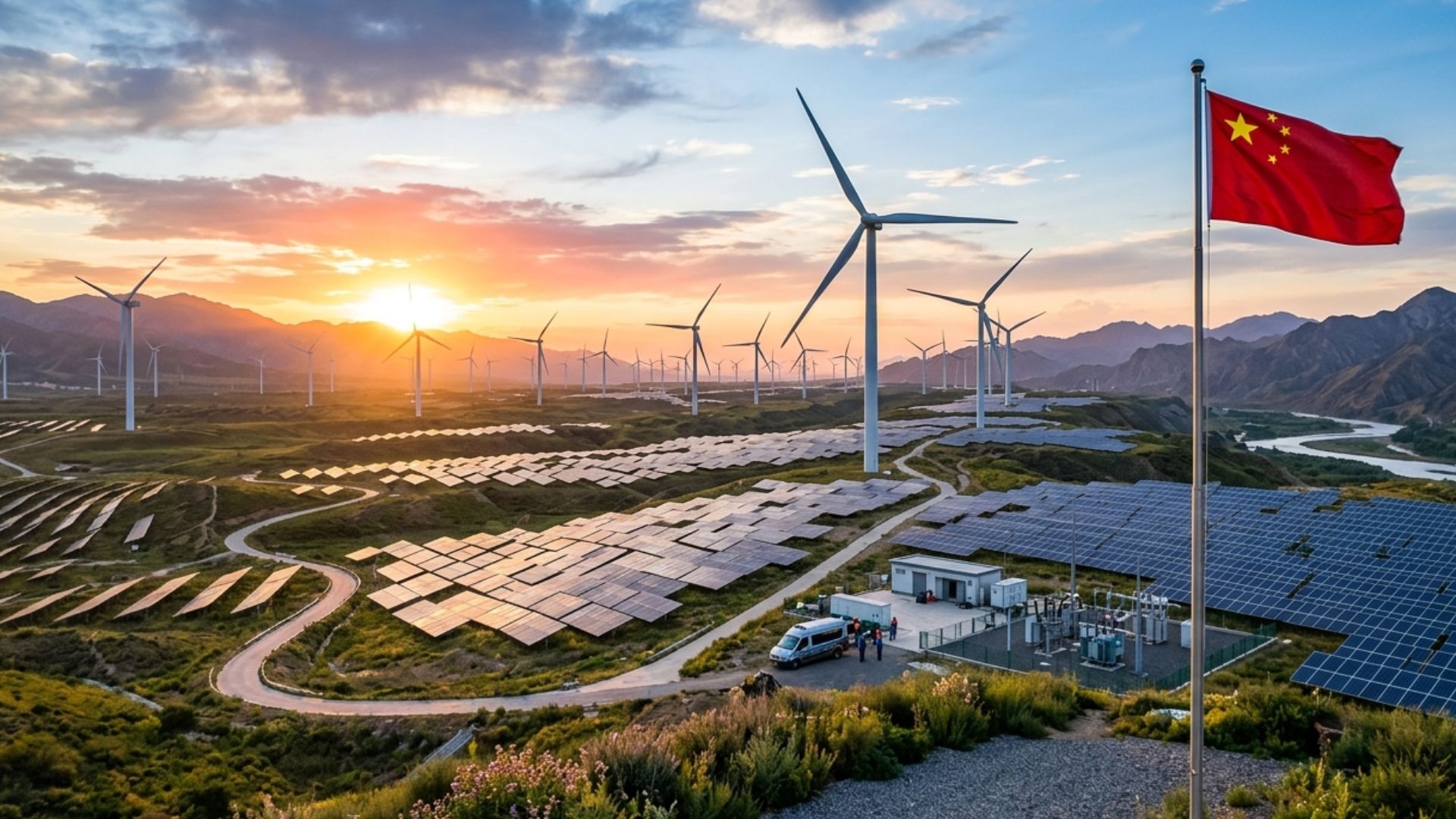
Renewable energy advances globally with Asia taking the lead; Irena’s analysis indicates a strategic progress that drives the energy transition and reduces generation costs.
-
Globo broadcaster achieves 100% renewable energy and advances climate goal, strengthening environmental commitment, reducing emissions, and influencing large companies to adopt more sustainable and competitive strategies.
-
New mapping reveals the Brazilian states with the greatest potential for the production and use of green hydrogen in Brazil to lead the global market.
-
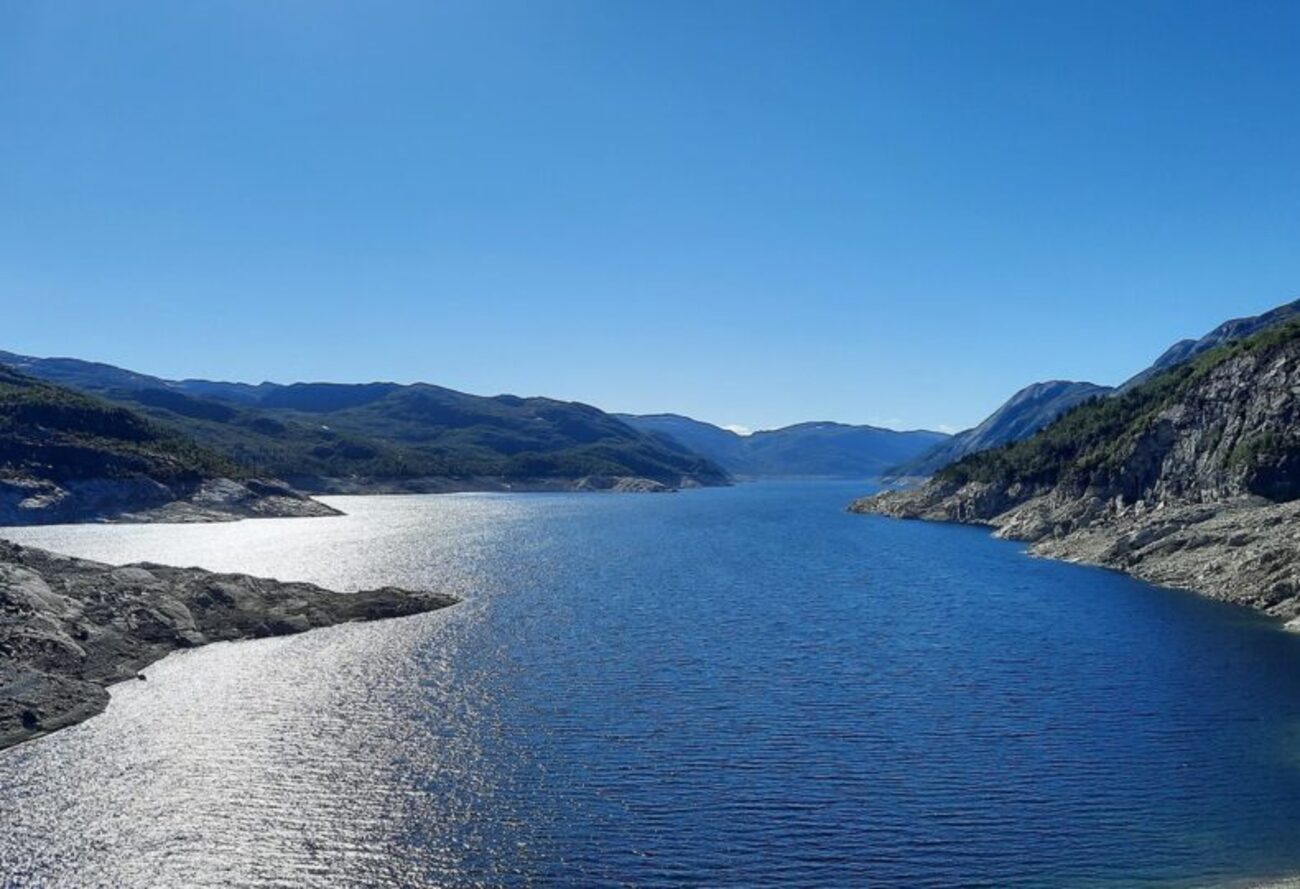
Historical drought and lack of snow in the Norwegian Alps threaten the largest clean energy reserve in Europe and could drive up electricity prices.
This data raises a red flag for authorities and companies in the sector, as it reveals that any public policy for decarbonization that ignores the final cost to consumers will encounter strong popular resistance. In a country where electricity represents a significant portion of income, sustainability only gains traction when it offers financial competitiveness.
The paradox of environmental awareness versus the wallet
The average Brazilian recognizes the importance of protecting the environment and understands that burning fossil fuels harms the planet. However, financial reality imposes severe limits on this awareness.
The survey indicates that when respondents need to choose between a cheap “dirty” source and an expensive “clean” source, the option for the lowest cost prevails in most households.
This resistance to paying more for renewable energy reflects the perception that Brazil already contributes significantly to the global climate. With almost 90% of electricity coming from renewable sources (hydroelectric, wind, solar, and biomass), consumers feel they are already doing their part.
The feeling of injustice grows when citizens perceive that developed countries, historically greater polluters, are trying to transfer the cost of the transition to developing nations through international taxes or tariffs.
Curiosities about the cost of energy in Brazil
Did you know that Brazil has one of the most expensive energies in the world for the end consumer, despite having an abundance of natural resources? This happens because almost half of the electricity bill does not pay for energy generation itself, but rather taxes (ICMS, PIS/COFINS) and sector charges that finance everything from subsidies for other sectors to social programs.

Thus, the Brazilian’s room for maneuver to accept increases is nonexistent. When a new technology, such as green hydrogen or offshore wind, enters the market with high initial costs, the consumer market reacts negatively.
The population expects technological progress to reduce prices, not the other way around. The history of residential solar energy in Brazil proves this: the sector only exploded when the price of panels fell and the return on investment became evident for the middle class.
Real impact: The burden of tariffs on industrial production
The rejection of paying more for renewable energy is not limited to households. Small and medium enterprises (SMEs) also struggle against any increase in fixed costs. In the service and retail sectors, the electricity bill is often the second largest expense, surpassed only by payroll.
Increasing the cost of energy in the name of sustainability can cause a cascading effect on the economy:
- Price increases: Merchants pass the extra cost onto the end consumer in products.
- Loss of competitiveness: Domestic industries lose market share to imported products that use cheaper (albeit more polluting) energy.
- Unemployment: High operational costs force cuts in spending and reduce companies’ hiring capacity.

Therefore, the government seeks strategies to lower the cost of renewable generation through competitive auctions and infrastructure incentives, avoiding that the green transition becomes a burden for national productivity in 2026.
The role of Distributed Generation (DG) as an intermediate solution
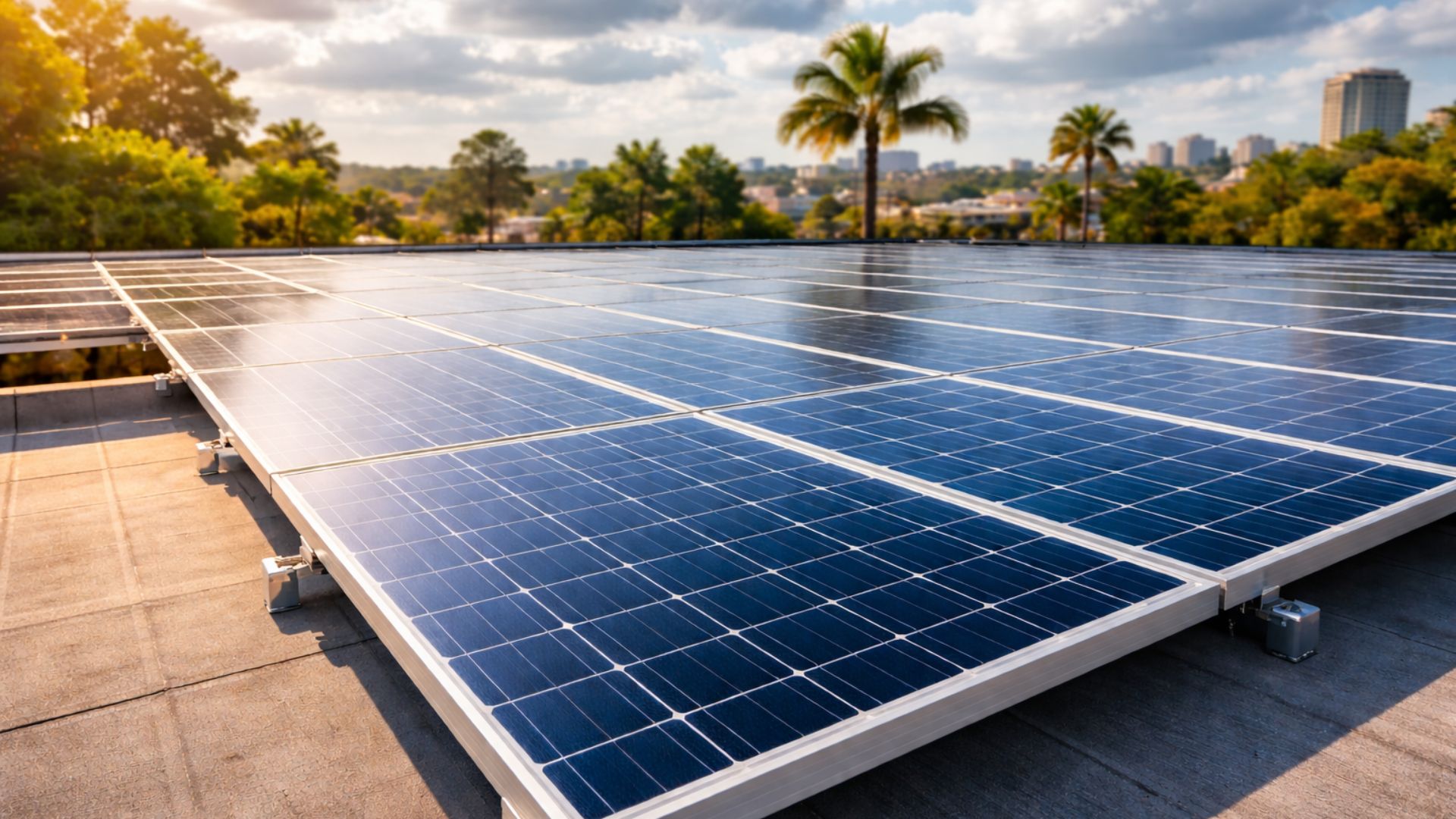
Faced with the refusal to pay extra fees for large green plants, many Brazilians have found the solution in Distributed Generation. By installing solar panels on their own roofs, consumers take control of their bills. In this model, they are not paying more for the environment; they are investing to pay less to the distributor.
DG has democratized access to clean energy because it offers a direct and tangible financial benefit. The study suggests that the path to decarbonization in Brazil necessarily goes through the economy. If the government wants the population to adopt renewable sources en masse, it needs to ensure that these sources are the most economical options on the energy menu.
Why are wind and solar energy getting cheaper?
A positive news for those who do not want to spend more is that renewable sources have reached technical maturity. Today, building a wind farm in the Northeast or a solar plant in the Southeast costs much less than building a gas or coal thermoelectric plant.
Industrial scale has driven down component prices, allowing clean energy to be, for the first time in history, the cheapest option.
The problem lies in transmission and storage. Transporting energy from the winds of the interior of Bahia to the factories in São Paulo requires billion-dollar investments in transmission lines. These costs end up on the electricity bill.
Therefore, Brazilians do not reject the renewable source itself, but rather the infrastructure costs that often accompany these new projects. Logistical efficiency thus becomes the great challenge for the Brazilian electricity sector in the coming years.
International comparison: How does the world view the electricity bill?
In European countries like Germany and Denmark, the population has accepted, for years, to pay surcharges to incentivize wind energy. This model, known as “feed-in tariffs,” helped consolidate the technology on the continent. However, with the recent energy crisis and global inflation, even Europeans are beginning to question the cost of this transition.
In Brazil, the income reality is different. The national minimum wage cannot accommodate extra fees that would be considered negligible in euros or dollars. The survey on the rejection of paying more for renewable energy reflects this socioeconomic inequality.
The electricity sector needs to understand that the energy transition in tropical countries requires a creative financing model that does not burden the base of the social pyramid.
Transparency and “greenwashing”
Another factor contributing to the rejection is the lack of consumer trust. Many people suspect that the label of “clean energy” is just an excuse for distributors to increase profits. Without clear communication about where the extra money will be invested, Brazilians prefer to maintain the current system.
Transparency in the electricity bill is essential. Consumers want to know exactly how much they pay for energy, how much they pay for the wires, and how much they pay for charges.

If clean energy companies cannot prove that their costs are honest and that the environmental benefit is real, popular resistance will continue to block the advancement of new technologies that depend on direct subsidies.
The future: Energy efficiency and conscious consumption
If the population does not accept paying more, the alternative solution lies in spending less. Energy efficiency, the use of devices that consume less electricity to perform the same task, becomes the priority in 2026. LED bulbs, high-efficiency motors, and thermal insulation in buildings reduce the total demand on the grid.
By reducing demand, the electrical system avoids activating more expensive plants. Thus, sustainability occurs passively: the consumer saves money while simultaneously reducing the need for new generation sources, keeping the system balanced.
This is the “smooth path” to decarbonization, respecting the financial limits of citizens and promoting a culture of rational use of natural resources.
Sustainability needs to be cheap to succeed
The survey makes it clear that Brazil does not accept the model of “punitive sustainability“, where citizens pay the price for past climate mistakes. To transform the Brazilian energy matrix definitively, projects need to present immediate economic viability. Wind and sun are free; the challenge for Brazilian engineering is to ensure that the technology to capture them is as well.
The resistance to paying more for renewable energy is not a sign of a lack of environmental education, but a cry for economic survival. The future of the electricity sector in 2026 depends on companies’ ability to innovate to deliver clean, stable, and above all, cheap energy.
Only when the electricity bill decreases will the energy transition be embraced by all strata of society, consolidating Brazil as the true green power that the world expects.






Seja o primeiro a reagir!