





 Portuguese
  English
  Spanish
  3 min of reading


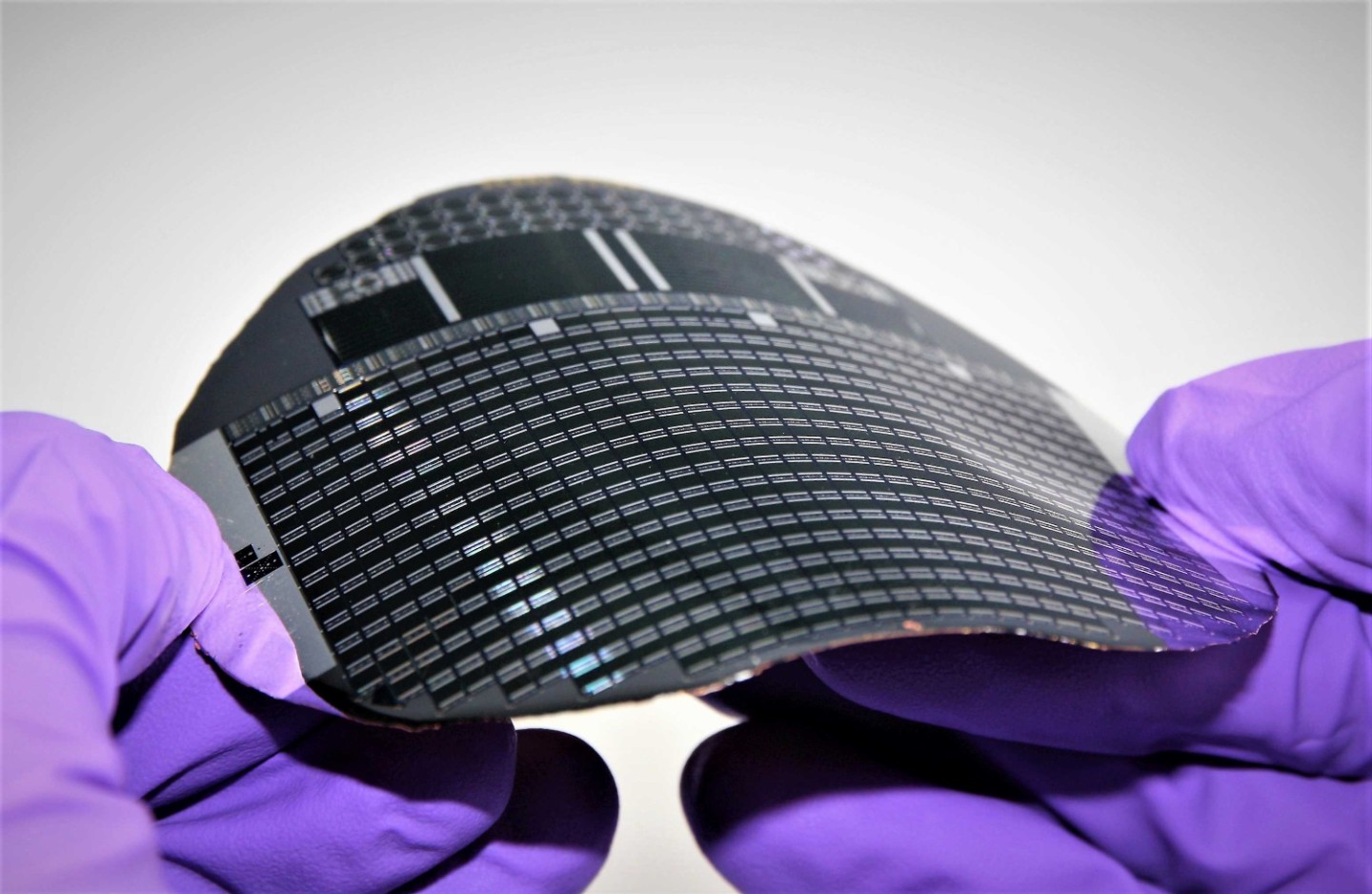
Researchers in Germany Developed an Ultrafine Coating That Can Transform Any Modules into Self-Cleaning Solar Panels. The Technology Can Be Produced on a Large Scale Soon.
Recently, the German research organization Fraunhofer announced the development of a new ultrafine coating that can transform common solar panels and other surfaces into self-cleaning ones. This innovation can benefit millions of photovoltaic panels spread across the world and will be presented in April at BAU, the world’s largest trade fair for architecture, materials, and systems.
Coating for Solar Panels is Titanium Dioxide
The popularization of the new material could represent a significant boost for the installation of solar energy, currently the largest source of clean energy, and is rapidly expanding, given that even the most modern solar panels cannot function properly when covered with dirt, and cleaning them regularly can be somewhat unfeasible.
The main highlight of the new product from Fraunhofer is the use of titanium dioxide to transform common products into self-cleaning solar panels. The material acts as a solar blocker that, in its normal state, repels water, forming droplets that easily slide off the surfaces of the panels.
-
Mercado Livre has started selling medications in Brazil with delivery in up to 3 hours, and the project that launches in São Paulo may expand to the entire country, transforming the way millions of Brazilians buy medicines.

-
While the South begins April with sun and heat, a change in the weather already has a defined scenario in Brazil, and forecasts indicate heavy rain in the North and a sharp drop in temperature in the coming days.

-
Elon Musk wants to place humanoid robots in roles currently occupied by people, leading alongside giants like Amazon, Nvidia, and Figure in a race to replace human labor with machines, and advocates for a future where working would cease to be an obligation and become a choice.

-
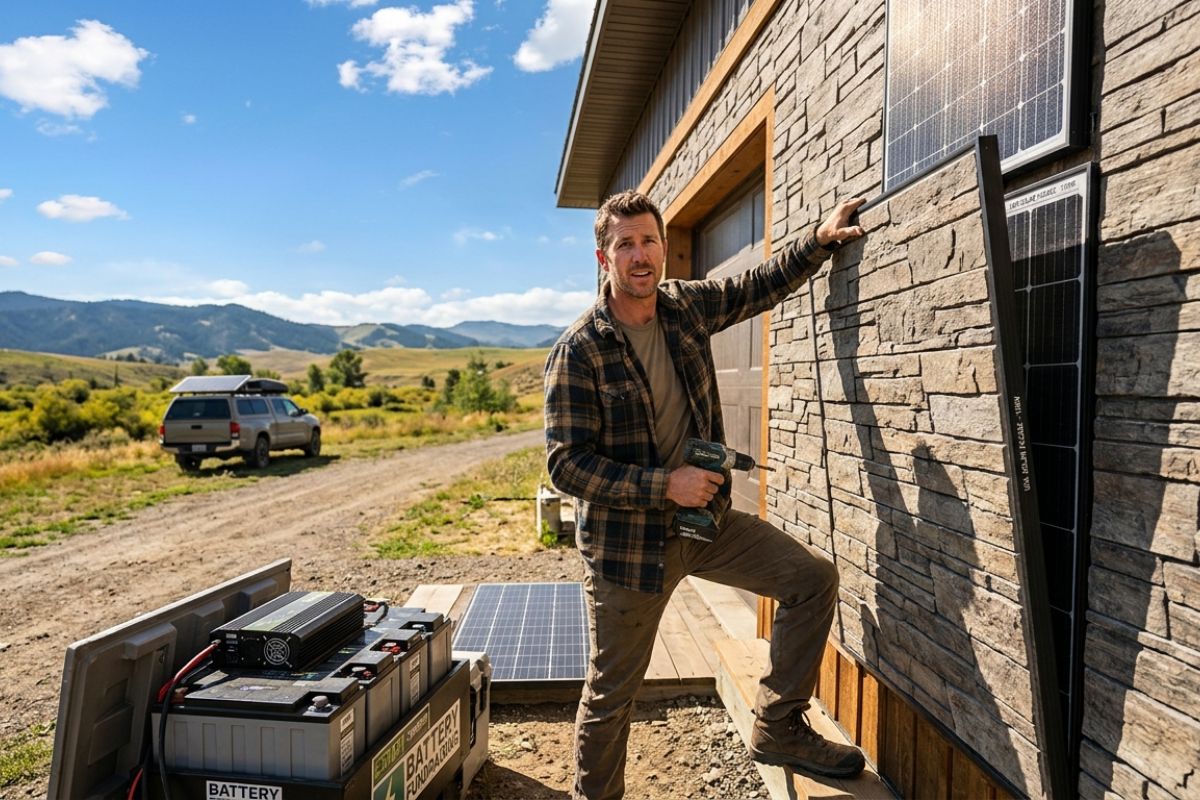
A US company creates a facade that looks like stone or wood but generates energy: “invisible” solar panels for walls, easy installation, up to 130 W, and an off-grid YouTuber showcases it and raises funds for a battery.
However, when this material is exposed to ultraviolet light, it changes its state and becomes very attractive to water, keeping the surface constantly wet. Self-cleaning solar panels are not a completely new concept, but the models currently marketed involve either a repellent or attraction mechanism to water, but not both together.
Coating Can Be Installed on Various Surfaces Besides Solar Panels
In tests conducted by Fraunhofer, the research team used a pilot plant to generate thin glass rolls measuring 30 cm in width, 100 micrometers in thickness, and 20 meters in length. It is important to mention that titanium dioxide has a thickness of up to 150 nm.
The key differentiator of the new technology for self-cleaning solar panels is that they are estimated to be produced en masse, with individual rolls that can be layered onto photovoltaic cells, windows, and other existing surfaces.
Although the team stated in the research that the thin glass is still a fragile material vulnerable to heat, future production promises to correct these imperfections and identify the use of polymer films.
New Technologies Emerge in the Solar Energy Market
Solar panel manufacturers are always on the lookout for new technologies that enhance the efficiency of their products to gain prominence in this vast market. Thus, in November of last year, the photovoltaic module manufacturer DAH Solar brought to market the Fullscreen Solar Panel, which is a new full-screen solar panel.
Patented in over 20 countries, the technology focuses on use in roof projects or BIPV-integrated solar systems. This new technology does not have a frame on the front, being just a single piece of glass, resulting in a more refined design while offering significant technical advantages.
Among the main advantages of this technology is the self-cleaning capability of the panels, due to the lack of a visible frame on the front, reducing dirt accumulation and the risk of hot spots, increasing savings as it avoids the costs and maintenance associated with cleaning.
These factors, in addition to improving energy generation, result in a lower amount of hot spots due to the reduced area of dirt that accumulates near the interior frame. During tests conducted in April in the Xixia district of Yinshuan, China, it was possible to notice the difference in dirt between a new panel with the technology and a common module.







Seja o primeiro a reagir!