Portuguese
  Spanish


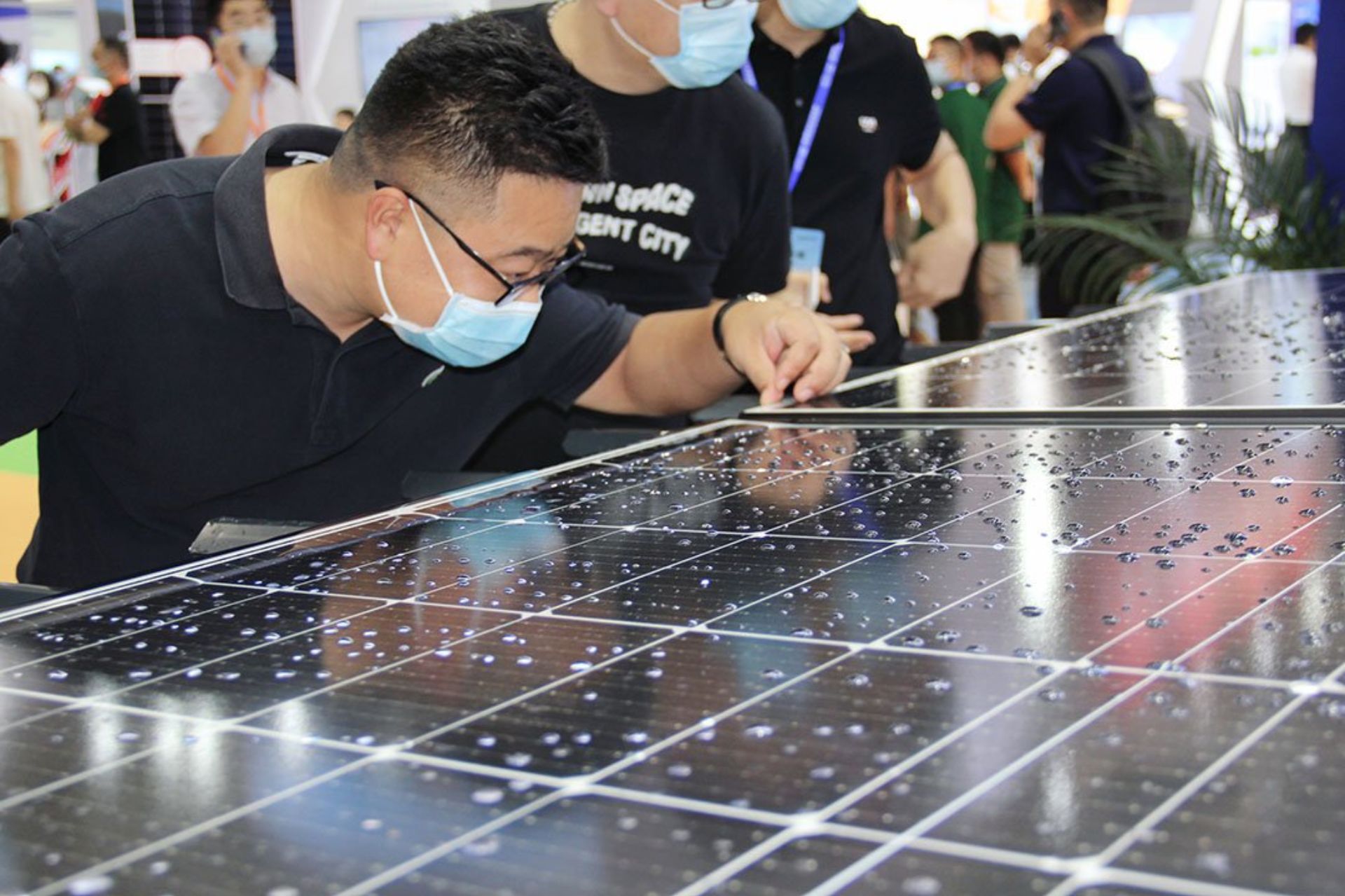

Company Develops New Photovoltaic Technology: The Full Screen Solar Panel, Capable of Being 11.5% More Efficient Compared to Conventional Solar Panels.
Manufacturers of solar panels are always looking for new technologies that can expand the efficiency of their products in order to stand out in this vast solar energy market. Recently, DAH Solar, a manufacturer of photovoltaic modules, brought to market the Full Screen solar panel, a new full-screen solar panel.
Understand the Advantages Behind the New Full Screen Solar Panel

With patents in over 20 countries, the technology is aimed at use in rooftop projects or in building-integrated photovoltaic (BIPV) systems. The new technology has no frame on the front, consisting of a single pane of glass, resulting in a more refined design, while also offering significant technical advantages.
Among the main benefits of the new Full Screen solar panel is the self-cleaning capability of the panels, because the module does not have a visible frame on the front, further reducing dirt accumulation and the risk of hot spots, while also enhancing savings by avoiding maintenance costs for cleaning.
-
Fired during apartheid and with a little borrowed money, an electrician started with a borrowed truck and transformed electrical services into a group connected to energy, real estate, and infrastructure in South Africa.

-
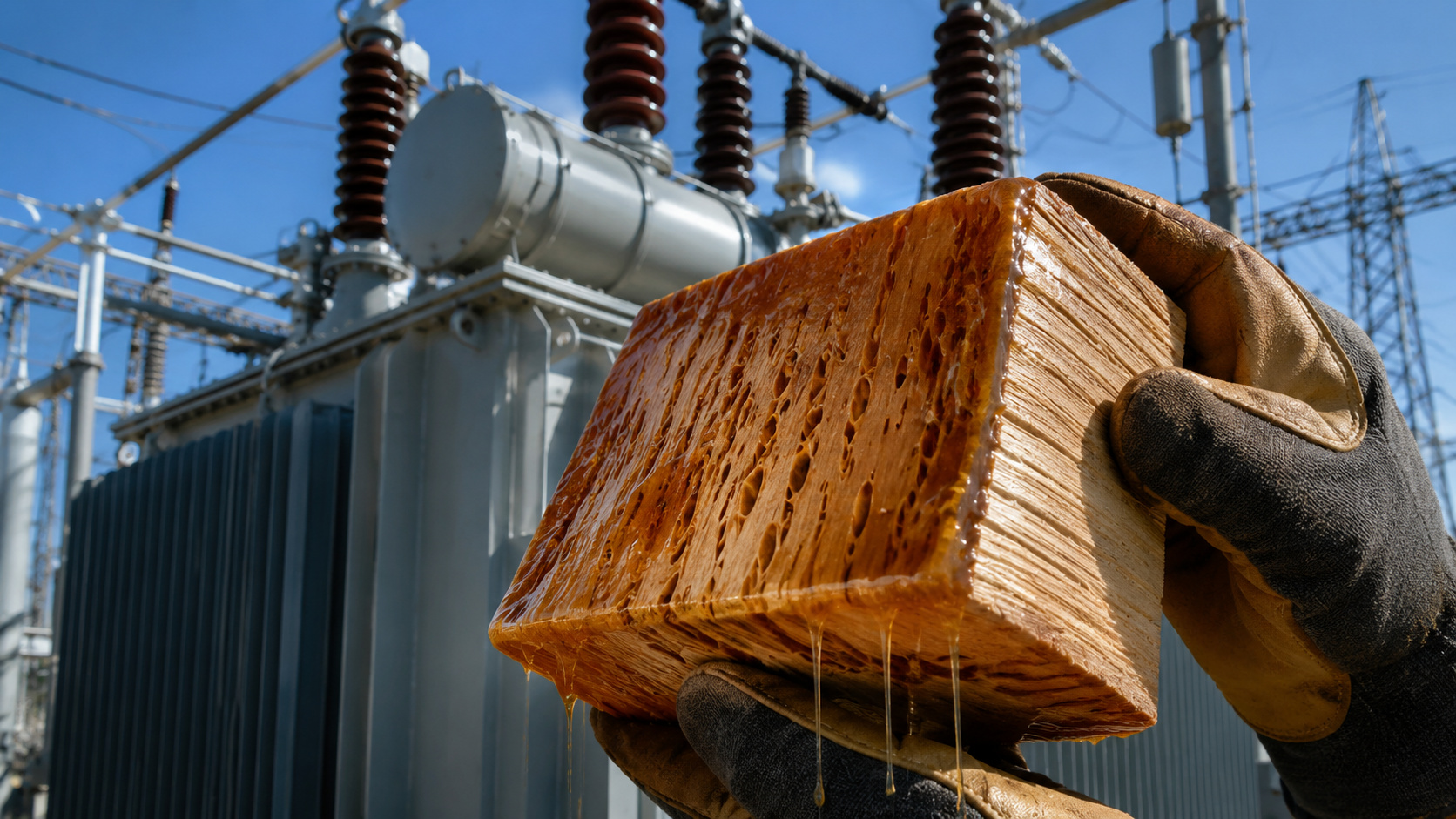
Wood has ceased to be just a construction material in Yale research and has become insulation for electrical transformers that face intense heat, aging, and increasing pressure from the renewable energy-powered grid.
-
More than 1,000 residents of a remote island in Kiribati now have clean water and electricity with solar systems operated by the community itself.
-
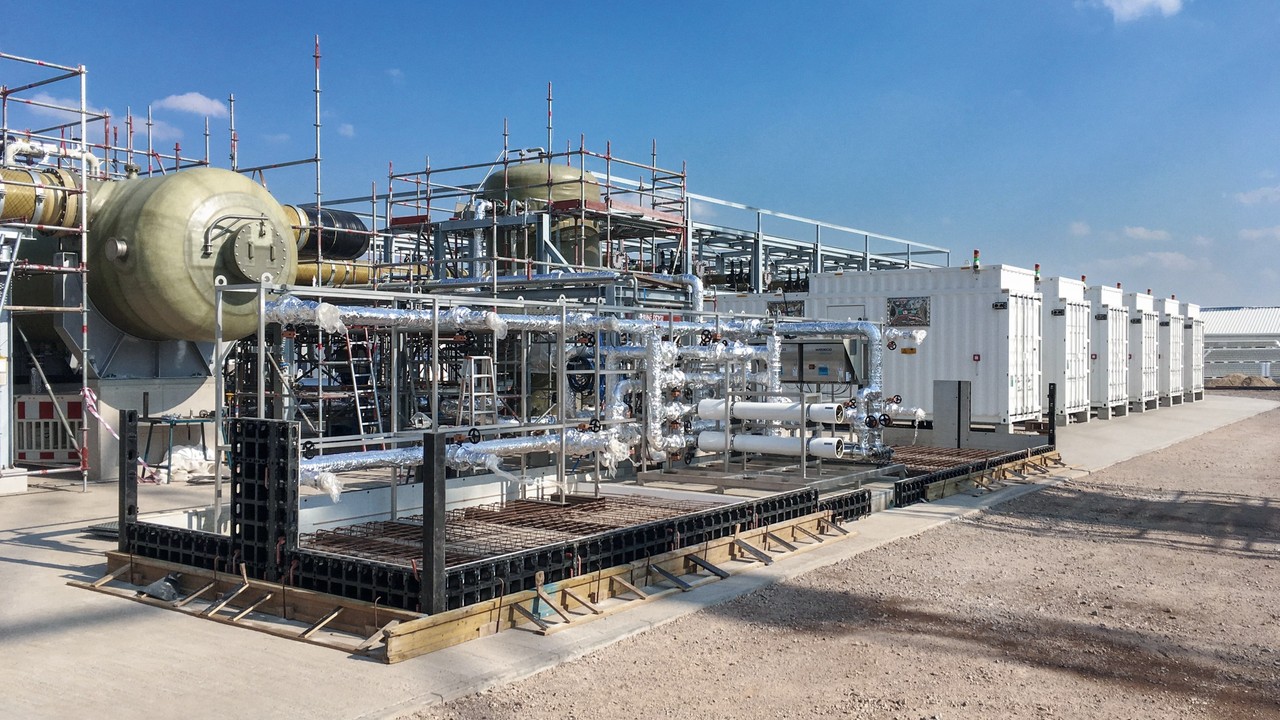
Ceará brings together 7 giants and R$ 66 billion to transform Pecém into the largest green hydrogen hub in Brazil, with final decisions expected by the end of 2026.



Recently, TÜV Nord published a comparative field test report between 460W solar panels from DAH Solar, a monofacial module with the new technology and another half-cell with mono-PERC technology, both with the same dimensions of 1910 x 1134 x 32 mm. The test results show that the energy generation from the full-screen solar panel compared to the conventional half-cell mono-PERC module was 11.5% higher.
Test Results from the Full Screen Solar Panels
The energy production gain advantage is characterized by the lower amount of dirt that the panels exhibit compared to common modules, as their structure lacks a front frame, allowing natural washing by rainwater.
The difference these factors create, in addition to improving electricity generation, is a lower number of hot spots due to the reduction of the dirt belt, an area of dust that is usually accumulated near the bottom frame of conventional panels.
During the tests conducted in April in the Xixia district of Yinshuan, China, it was possible to notice the difference in dirt between the new Full Screen solar panel and the common module. The parameters used in the tests were the fixed installation angle of the modules, exposure to sunlight, and irradiation.
Thus, the new technology generated 73.21 kWh of energy and had an accumulated energy generation per watt of 161.17 kWh/kW, while the half-cell mono-PERC module obtained values of 65.06 kWh and 144.5 kWh/kW. Thus, the comparison showed that the new solar energy panel can generate 11.5% more energy compared to the half-cell mono-PERC module.
Discovery of New Technologies in the Solar Energy Sector is Expanding More and More
The German company RWE announced that it plans to invest in the development of a flexible solar panel like a carpet that can be installed over the sea to generate energy from sunlight.
The new technology will be deployed in the North Sea and will aim to increase the energy capacity of offshore companies. The solar carpet is durable, although lightweight and thin, able to withstand even the most intense water waves.
According to the responsible company, it will be able to produce up to 0.5 MWp. In a statement, RWE states that the project will be one of the pilots of SolarDuck, a Dutch company.