





 Portuguese
  English
  Spanish
  6 min of reading
  0 comments



Confirmed in 2026 by French researchers, the possible largest natural hydrogen deposit in the world was identified underground in Lorraine, with estimates between 34 million and 46 million tons, after drilling that reached 3,600 meters and reignited the debate on energy, industrial viability, and environmental risk in Europe
The largest natural hydrogen deposit ever identified may be underground in Lorraine, in northeastern France, where French researchers confirmed in 2026 the presence of a reservoir estimated between 34 million and 46 million tons of pure H₂. The discovery, linked to the region’s ancient coal basin, places the hydrogen deposit at the center of discussions about new low-emission energy sources.
The confirmation was made by a team affiliated with the CNRS and the University of Lorraine, based on studies developed in the Regalor project, conducted between 2018 and 2023 by the company La Française de l’Énergie, in partnership with the GeoRessources laboratory. Measurements and exploratory drilling indicated that the gas was generated underground by geochemical reactions between water and iron-rich minerals.
The finding emerged during searches for methane in ancient coal layers, but the data revealed an unexpected increase in dissolved hydrogen in the groundwater at depth. Based on this result, the project began to focus efforts on confirming the size and composition of the reservoir identified beneath the region.
-
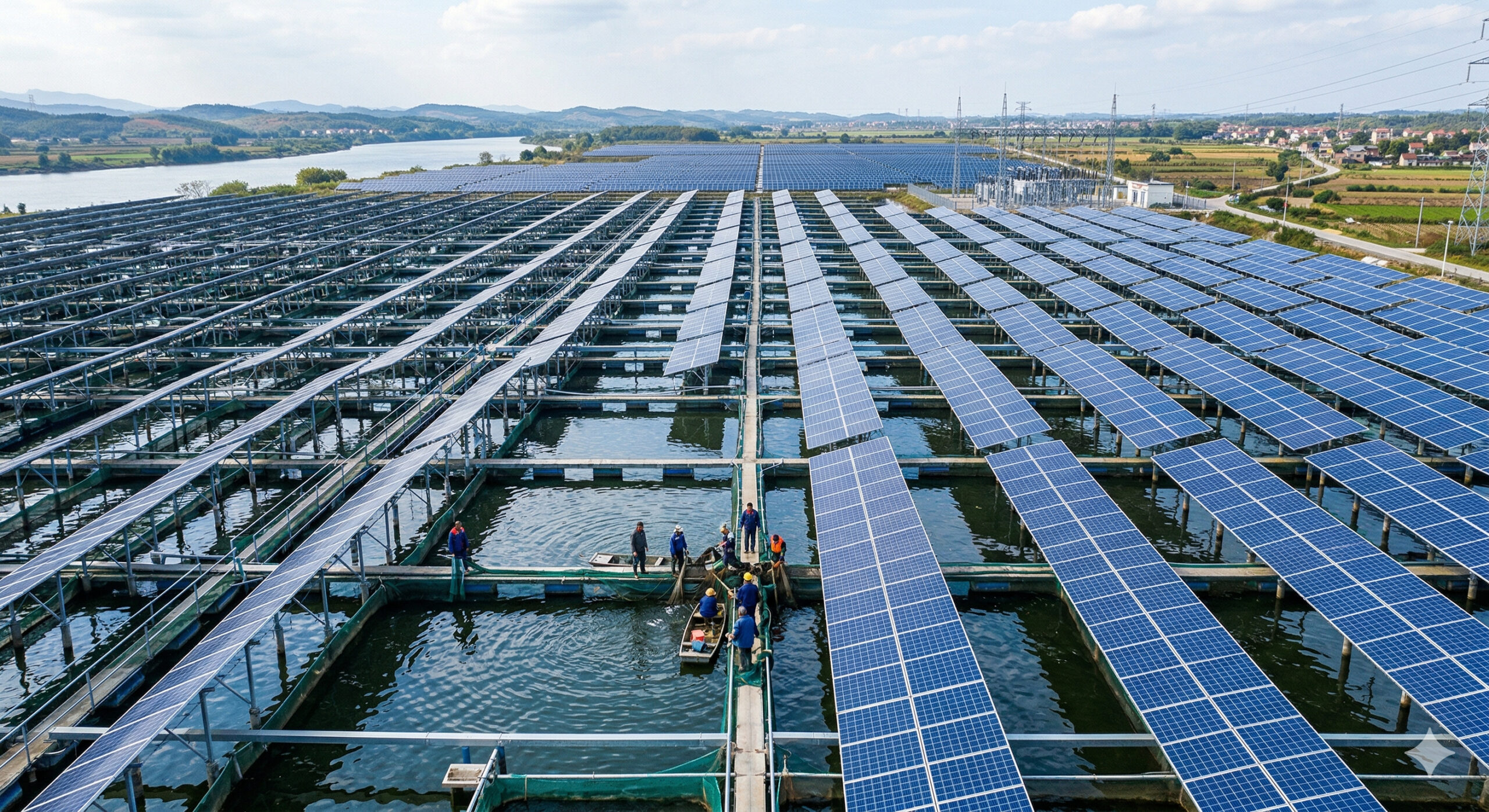
China bets on the Fishery-PV model and transforms fish farms into giant solar plants, covering ponds with panels that generate energy while utilizing the same space for large-scale aquaculture production.
-
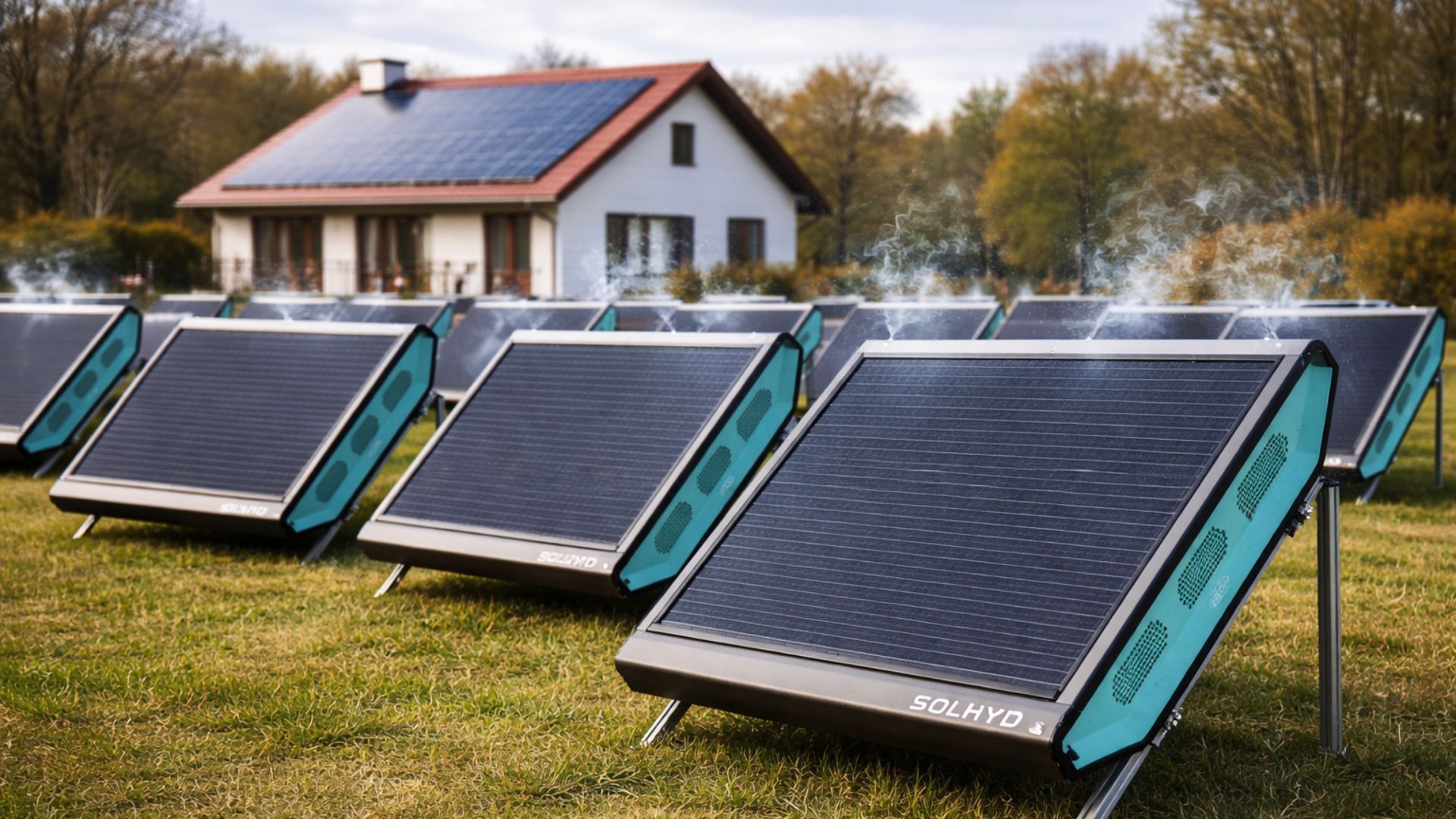
Green hydrogen at home: Belgium launches new technology that makes solar panels produce fuel from the moisture in the air, which could boost the energy transition.
-
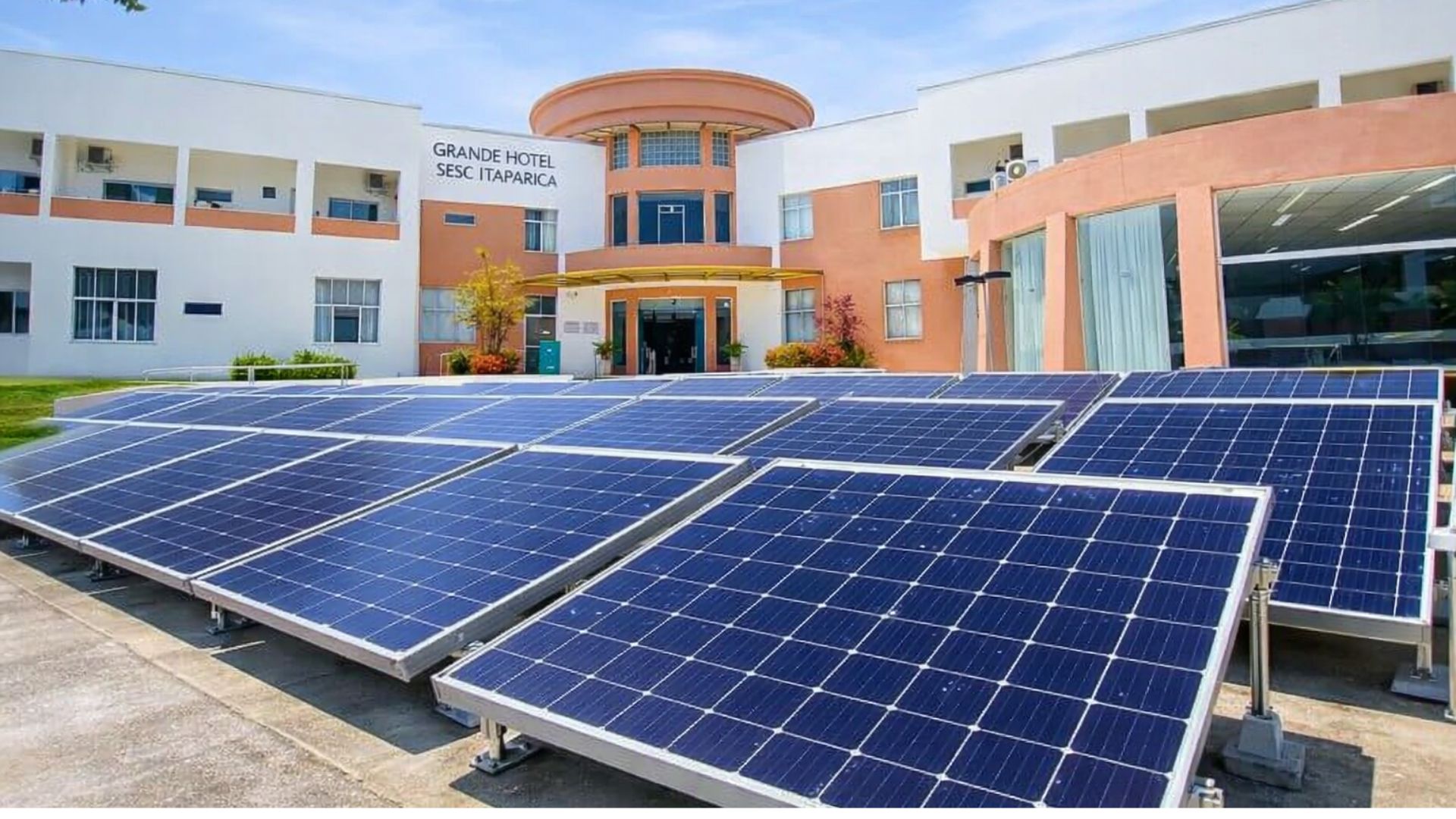
Sesc-BA bets on renewable energy with the support of EDP and drives the energy transition with a direct impact on cost reduction and the sustainability of its operations in Bahia.
-
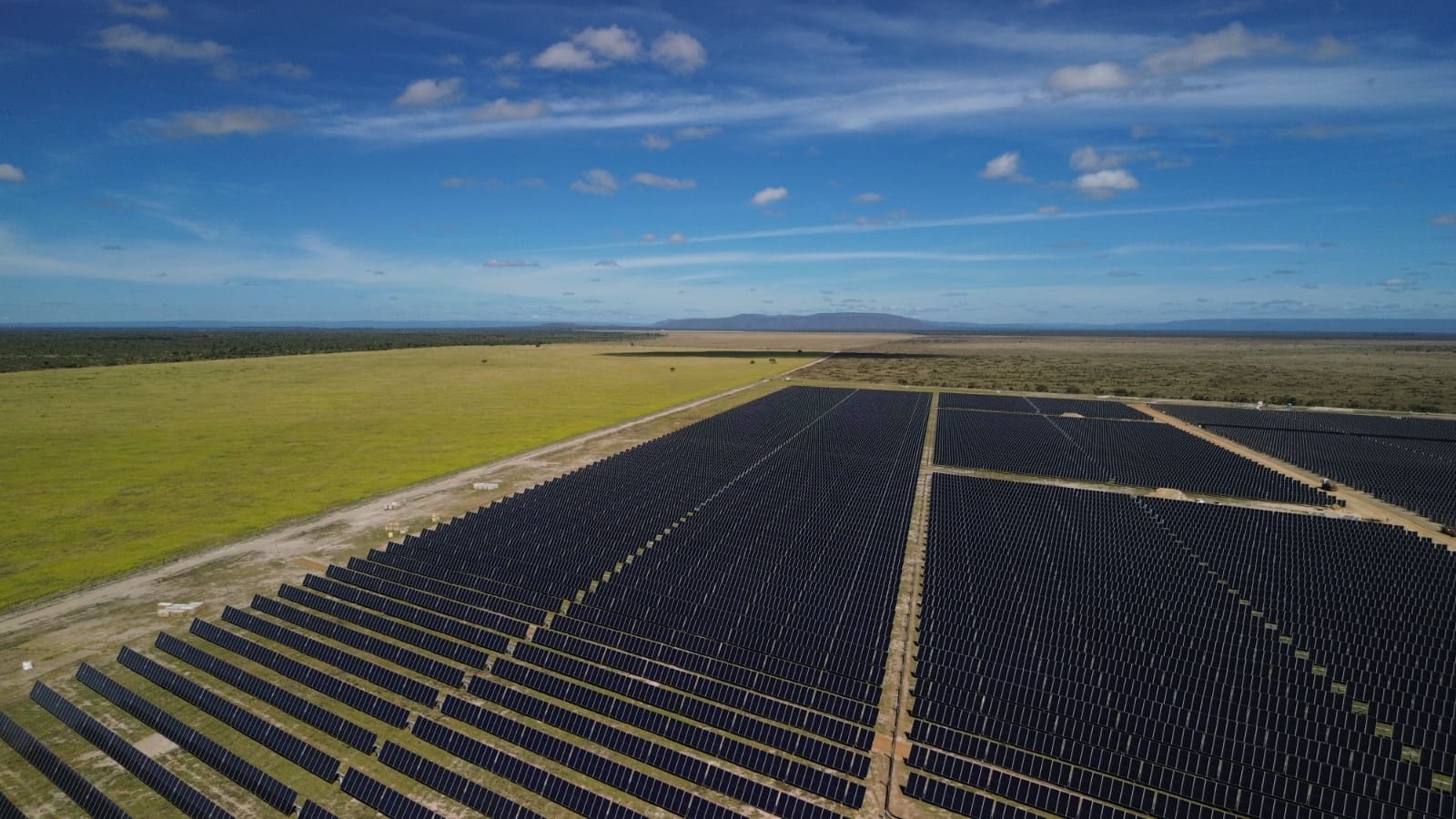
Technology giant breaks global sustainability records: How Amazon’s leadership in renewable energy procurement transformed the global energy market in the past year.


What is the white hydrogen deposit
White hydrogen, also called native hydrogen, is the molecular hydrogen found naturally on Earth, formed by geological processes. Unlike green hydrogen, obtained through electrolysis, and gray hydrogen, produced using fossil fuels, it forms underground without the need for these industrial processes.
This gas is composed of pure H₂, sometimes with traces of nitrogen or methane. Its energy potential is high, as 1 kilogram is equivalent to about 33 kWh, making it a relevant vector for energy storage and for use in turbines or fuel cells.
The main difference pointed out for this type of resource lies in the initial production stage. When extracted from the ground, white hydrogen does not generate CO₂ emissions in its formation, although its viability on a commercial scale still depends on testing, regulation, and the development of specific infrastructure.
Why Lorraine has the conditions to form H₂
The hydrogen deposit was located beneath Lorraine, in the Grand Est region of France, within the ancient Lorraine coal basin, especially in the Moselle area. This underground strip is rich in iron, water, and carbonated minerals, a combination considered essential for the chemical reactions that produce the gas.
Researchers explain that when these components come into contact, an oxidation-reduction reaction occurs that can separate water molecules into oxygen and hydrogen. Jacques Pironon from GeoRessources stated that the land around Folschviller in Moselle is rich in these compounds and that their contact divides water into O₂ and H₂.
This process has been described as a kind of continuous natural hydrogen factory underground. It is not geothermal energy nor a fossil process, but rather direct geochemical production in the rocks, without CO₂ generation at the source.
The area is not limited to French territory. Estimates indicate that the reservoir also extends into Belgium, Luxembourg, and Germany, which enhances the geological and energy relevance of the finding on a European scale.
How the project identified the reservoir
The first decisive measurements were made with the SysMoG probe, developed with the company Solexperts to measure dissolved gases in deep aquifers. The equipment, with a diameter of 6 centimeters, can operate up to about 1,200 meters deep.
With this technology, researchers recorded about 1% hydrogen at a depth of 200 meters in 2022. The percentage rose to 6% at 800 meters and reached 15% at 1,100 meters, signaling a progression compatible with even higher concentrations at deeper levels.
Modeling based on this data indicated that at 3,000 meters, the concentration could exceed 90%. Based on this hypothesis, the total reserve began to be estimated at up to 46 million tons, a figure greater than half of the current global hydrogen production.
To deepen the investigation, FDE installed a 41-meter platform in Pontpierre, in Moselle, and began exploratory drilling between 2025 and 2026. The plan was to initially reach 2,600 meters and then reach 4,000 meters throughout 2026.
By March 2026, the well had already reached 3,600 meters, becoming the deepest in the world at that time. During drilling, gas bubbles identified as hydrogen emerged, and samples were collected for analysis.
FDE announced that it measured 15% H₂ at 1,093 meters and projected up to 98% at 3,000 meters. Throughout the stages, the team began recording pressure, permeability, and other geological parameters to refine models about the extent and behavior of the reservoir.
Energy scale and limits of estimated potential
Estimates about the size of the hydrogen deposit vary according to the source and calculation method. In 2023, the CNRS, within the Regalor project, initially worked with a volume of about 34 million tons for the entire Lorraine reservoir.
More recent analyses raised this projection to 46 million tons. In energy terms, this volume would correspond to approximately 1,500 TWh, or about 132 Mtoe, an amount described as sufficient to cover one year of large-scale European energy demand.
Even so, the potential of the deposit does not eliminate the need for other production routes. The estimated volume is comparable to the projected European consumption of green hydrogen, around 20 million tons per year by 2030, indicating a complementary, rather than substitutive, role within the continent’s energy strategy.
Today, most of the hydrogen produced in the world still comes from fossil fuels. In 2023, 97 million tons were generated this way, emitting about 920 million tons of CO₂ per year.
In this scenario, the confirmation of a large white hydrogen deposit could enhance the energy autonomy of France and the European Union concerning imported natural gas. The reservoir could also supply the cross-border MosaHYc pipeline, planned to start in 2026, as a complement to European hydrogen goals.
Technical, environmental, and economic challenges
The transition from geological discovery to industrial operation is still considered long and costly. Extraction requires drilling between 3 and 4 kilometers deep, using advanced engineering and equipment adapted to a highly diffusive and flammable gas.
Wells, pipelines, and compressors would need to be prepared to reduce risks of leakage and explosion. There have already been reports of hydrogen bubbles emitting at the surface during drilling, and while there is use of this gas for electricity generation in Mali, there is still no equivalent large-scale experience in the European Union.
The environmental aspect appears as another sensitive point. In Lorraine itself, the Bleue Lorraine gas concession was annulled in 2025 by the French Council of State due to the high risk of contaminating aquifers, which reinforces the concern for the protection of groundwater in deep drilling projects.
In economic terms, the project is still surrounded more by uncertainties than by consolidated values. The research already requires high investments in specialized probes, deep drilling, and the development of methods to quantify and test the extraction of the resource.
FDE mobilizes private capital and subsidies to support the new phase of work. The REGALOR II program, planned for 2024 to 2027, aims to measure the available resources more accurately and develop extraction prototypes.
The expectation is that by the end of the 2020s, it will be possible to know if the hydrogen deposit can sustain a viable pilot project. If confirmed, large-scale commercial exploration should only begin in the 2030s, given the technical, environmental, and regulatory complexity involved.
For now, the largest hydrogen deposit ever identified remains a promise of significant energy impact, but still far from becoming an immediate industrial reality.








Seja o primeiro a reagir!