





 Portuguese
  English
  Spanish
 3 min of reading
  0 comments


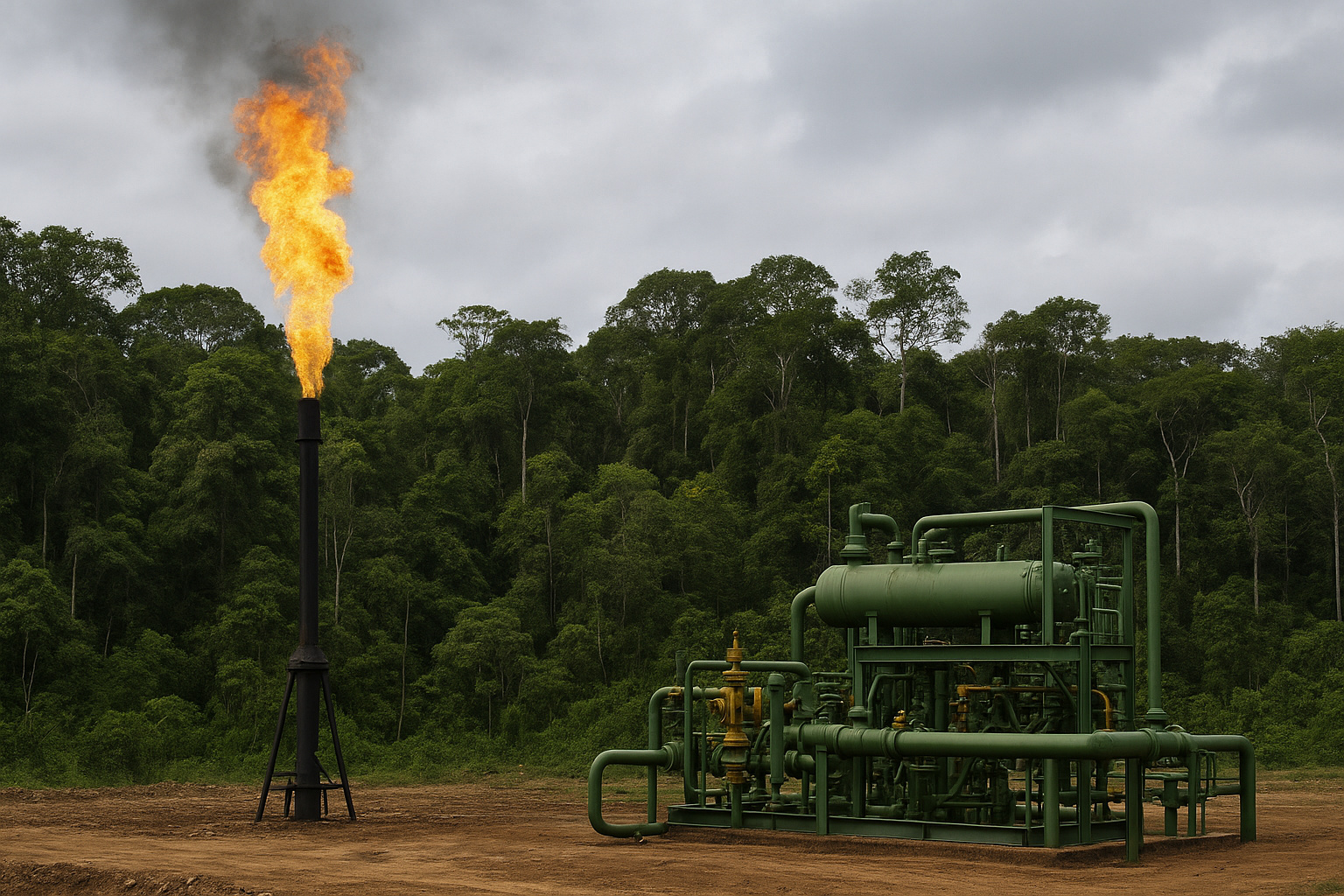
Over the past decade, the oil and gas reserve in the Amazon has stood out for its commitment to sustainability. According to G1, the area managed to reduce 80% of natural gas flaring in just nine years, while simultaneously preserving 98% of the forest. This achievement demonstrates that it is possible to reconcile energy production and environmental protection.
Historically, the oil sector faced challenges related to flaring, a safety system that burns excess natural gas. In the past, large volumes of gas were released into the atmosphere, significantly contributing to CO₂ emissions and environmental degradation. However, global efforts and technological advancements have been changing this reality.
Sustainability And Innovation Go Hand In Hand
The reduction of gas flaring in the Amazon did not happen in isolation. Advanced technological solutions, such as gas recovery systems and real-time monitoring, allowed production to continue without compromising the environment. According to the company, these technologies enable the capture of excess gas for energy generation or reinjection into reservoirs.
-
The rise in oil prices could ensure an extra revenue of R$ 100 billion for the Federal Government, indicates a recent economic study.

-
Naturgy begins an investment of R$ 1.6 million to expand the gas network in Niterói and benefit thousands of new residences and businesses.
-
A major turn in the Justice system suspends tax increases and directly impacts oil and gas companies in Brazil by affecting costs, contracts, and financial planning, leaving uncertain what could happen to the sector if these costs had increased.

-
Brava Energia begins drilling in Papa-Terra and Atlanta and could change the game by reducing costs in oil while increasing production and strengthening competitiveness in the offshore market.
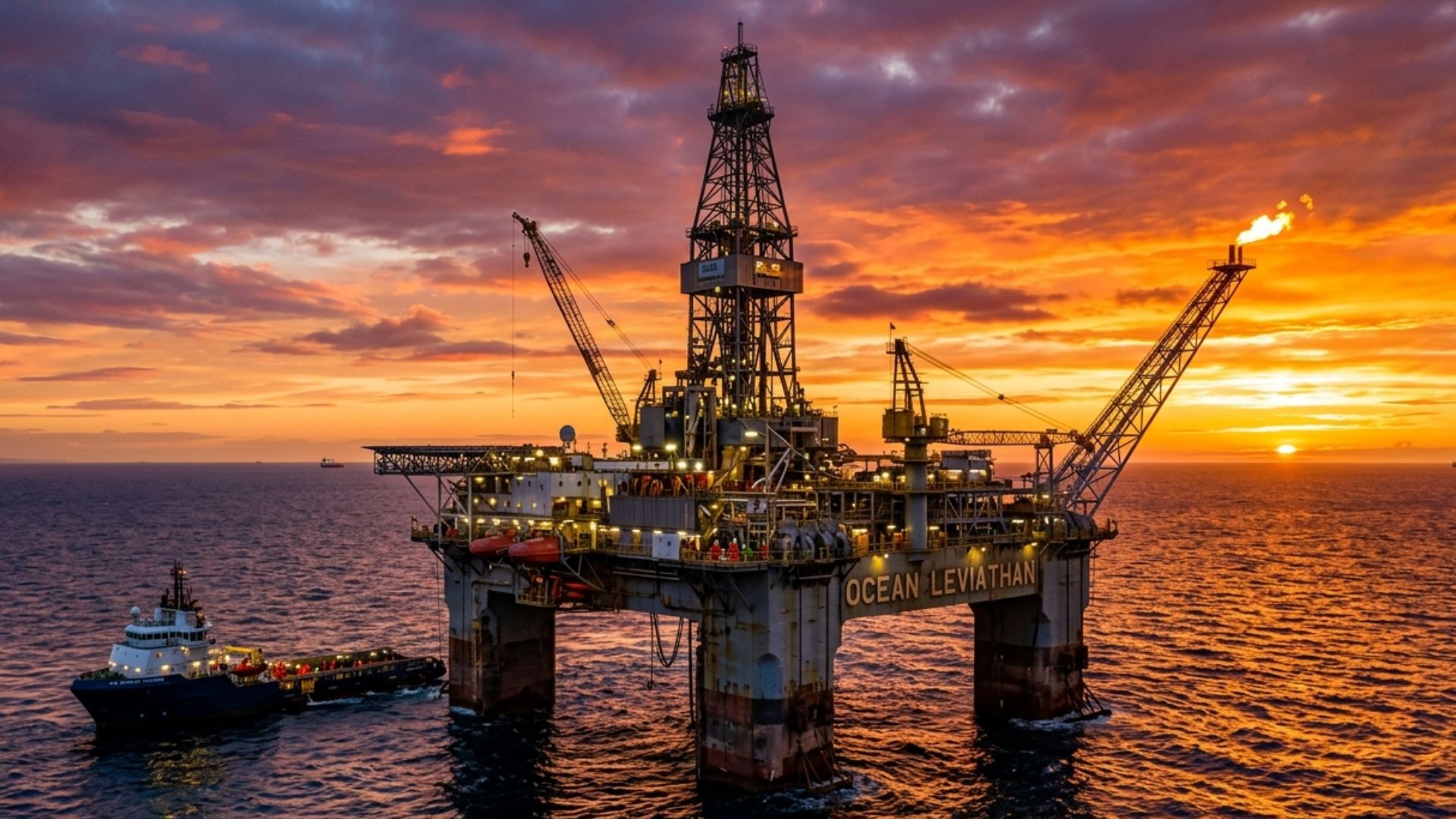

Furthermore, the region has become a model for sustainable natural resource management. With 98% of the forest preserved, local biodiversity is maintained, greenhouse gas emissions are reduced, and climate balance is protected. According to experts cited by G1, the balance between energy exploration and environmental conservation is an example for other projects in sensitive regions of the planet.
This combination of innovation and environmental care reinforces that sustainability is not just an ethical goal, but also a strategic advantage capable of generating resource savings, risk reduction, and a positive reputation for the industry.
Historical Context And Advances In The Energy Sector
Historically, the exploration of oil and gas in Brazil has always involved environmental risks, especially in areas of high biodiversity such as the Amazon. In the 1970s and 1980s, the focus was on expanding production, often with little consideration for environmental impact.
However, over the past 20 years, stricter environmental policies and technological advancements have driven change. According to the Brazilian Institute of Environment and Renewable Natural Resources (IBAMA), monitoring and enforcement programs have significantly reduced harmful practices, such as excessive flaring and deforestation associated with extraction infrastructure.
The effort made in the Amazon reflects this evolution. The reduction of gas flaring by 80% in nine years highlights the potential of sustainability policies when combined with cutting-edge technology, strategic planning, and constant monitoring.
Social And Environmental Impact
The preservation of almost the entire Amazon rainforest has direct effects on society and the global climate. Tropical forests play a crucial role in carbon absorption and rainfall regulation, essential for agriculture and ecosystems. Additionally, the reduction of emissions improves air quality, directly benefiting local communities.
According to the federal government, projects focused on sustainability in the energy sector not only help combat climate change but also promote social inclusion, create green jobs, and strengthen national energy security.
Moreover, the experience of the Amazon reserve demonstrates that it is possible to maintain high levels of oil and gas production without compromising environmental integrity. This model can serve as a reference for future operations in ecologically sensitive areas, both in Brazil and in other countries.
The Future Of Sustainability In The Energy Sector
Based on the results achieved, it is expected that the efficient use of natural gas and the reduction of flaring will continue to be a strategic priority. Gas recovery projects, technological innovations, and environmental preservation policies should be expanded, establishing the Amazon as a global reference in sustainable energy production.
According to Petrobras, the goal is to maintain sustainable practices, reinforcing that sustainability and economic growth can go hand in hand. The success achieved so far shows that it is possible to reconcile energy production, technological innovation, and environmental preservation.
Therefore, the 80% reduction in gas flaring and the preservation of 98% of the Amazon rainforest demonstrate that the oil and gas sector can move towards a more sustainable, secure, and efficient future, serving as a model for the entire world.








Seja o primeiro a reagir!