





 Portuguese
  English
  Spanish
  3 min of reading
  0 comments


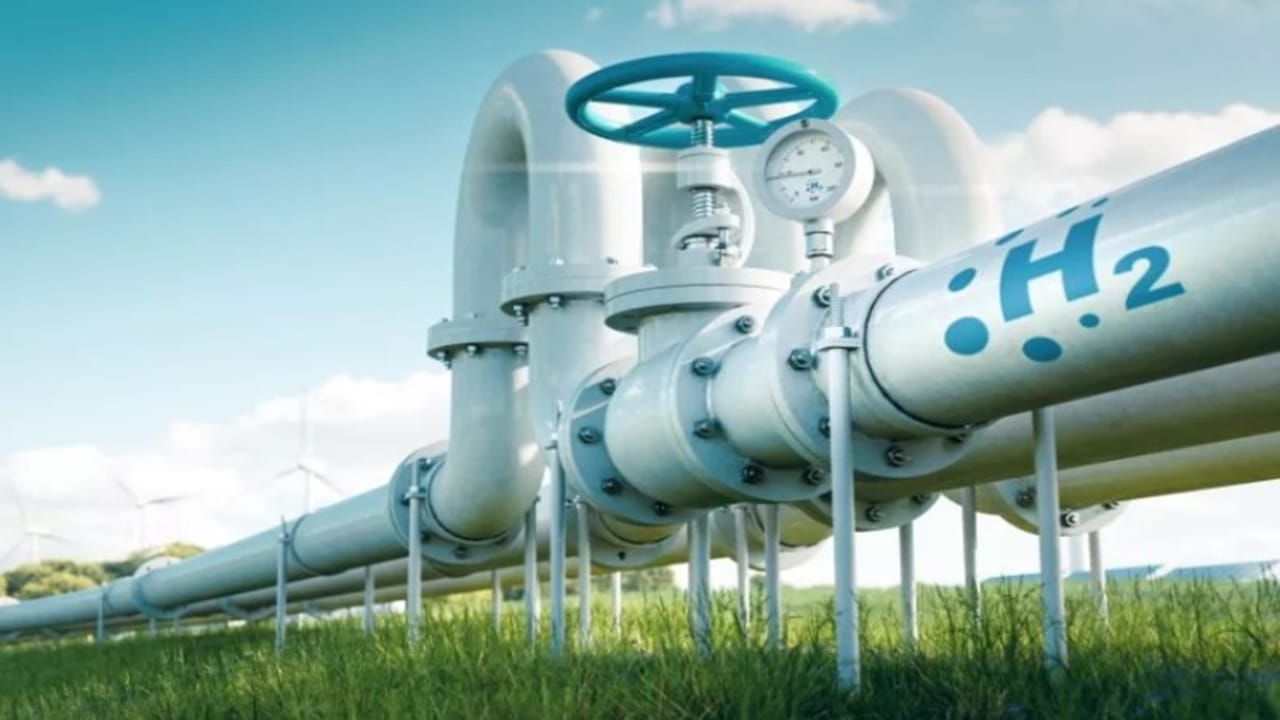
Learn How Natural Hydrogen Reserves, According to US Agency, Have the Potential to Meet Global Demand for Centuries. Discover More About This Energy Revolution and Brazil’s Relevance in This Scenario
In the energy world, a promising discovery is stirring the waters: natural hydrogen, also known as white hydrogen, may be the key to a sustainable and efficient energy transition. According to a report by the US Geological Survey (USGS), there are impressive estimates that there are about 5 trillion tons of this vital resource in subsurface reservoirs around the world. And the most surprising part? A small fraction of this amount would be enough to supply global demand for centuries. The outlook is so exciting that experts predict a veritable “gold rush” for natural hydrogen.
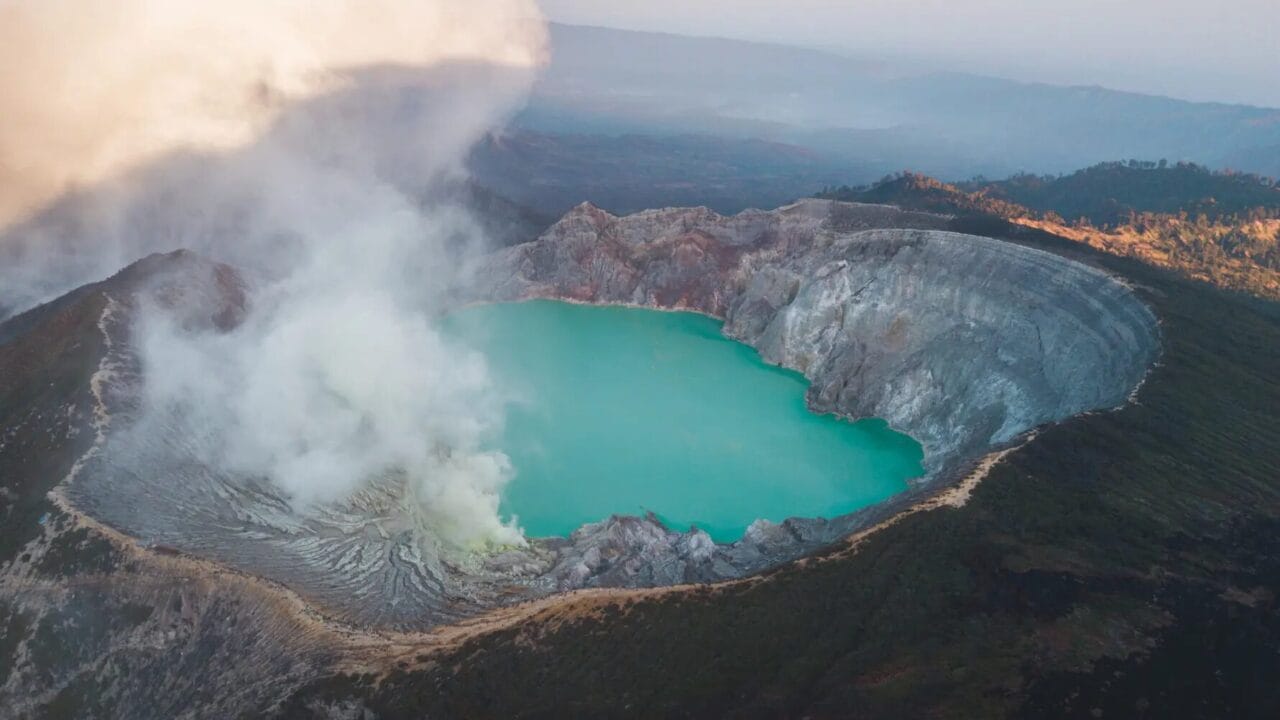
Pioneering New Energy Frontiers
Geoffery Ellis, a researcher at the USGS, emphasizes that although much of these reserves are in hard-to-reach locations, the prospect of extracting even a small percentage of this natural treasure would already be revolutionary. This clean and abundant energy could not only meet current needs but also the future energy demands of the planet. And where are these reserves concentrated? The geological mapping led by the USGS indicates key areas in the United States, such as the Atlantic coastal plain and central regions of the country.
Incentives for Natural Hydrogen Exploration and Innovation
The enthusiasm surrounding the potential of natural hydrogen is driving investments and research initiatives worldwide. In the United States, the Department of Energy recently allocated US$ 20 million in grants for 16 projects in eight states aimed at accelerating the exploration of this resource. With the support of the ARPA-E agency, it is expected that teams of scientists and engineers will advance in developing efficient production and extraction technologies for natural hydrogen. These efforts not only promote innovation but also strengthen energy security and reduce energy costs for the nation.
-
A Canadian retiree creates a hydroelectric system on a real river, generating energy continuously throughout the day and demonstrating how the power of water can supply a house with stability even in a simple structure.

-
Petrobras reaffirms its commitment to the market and ensures that it will carry out the energy transition safely to maintain national sovereignty.

-
Researchers discover a possible hydrogen deposit of up to 46 million tons beneath an ancient coal basin, and the volume could exceed half of the entire global production.

-
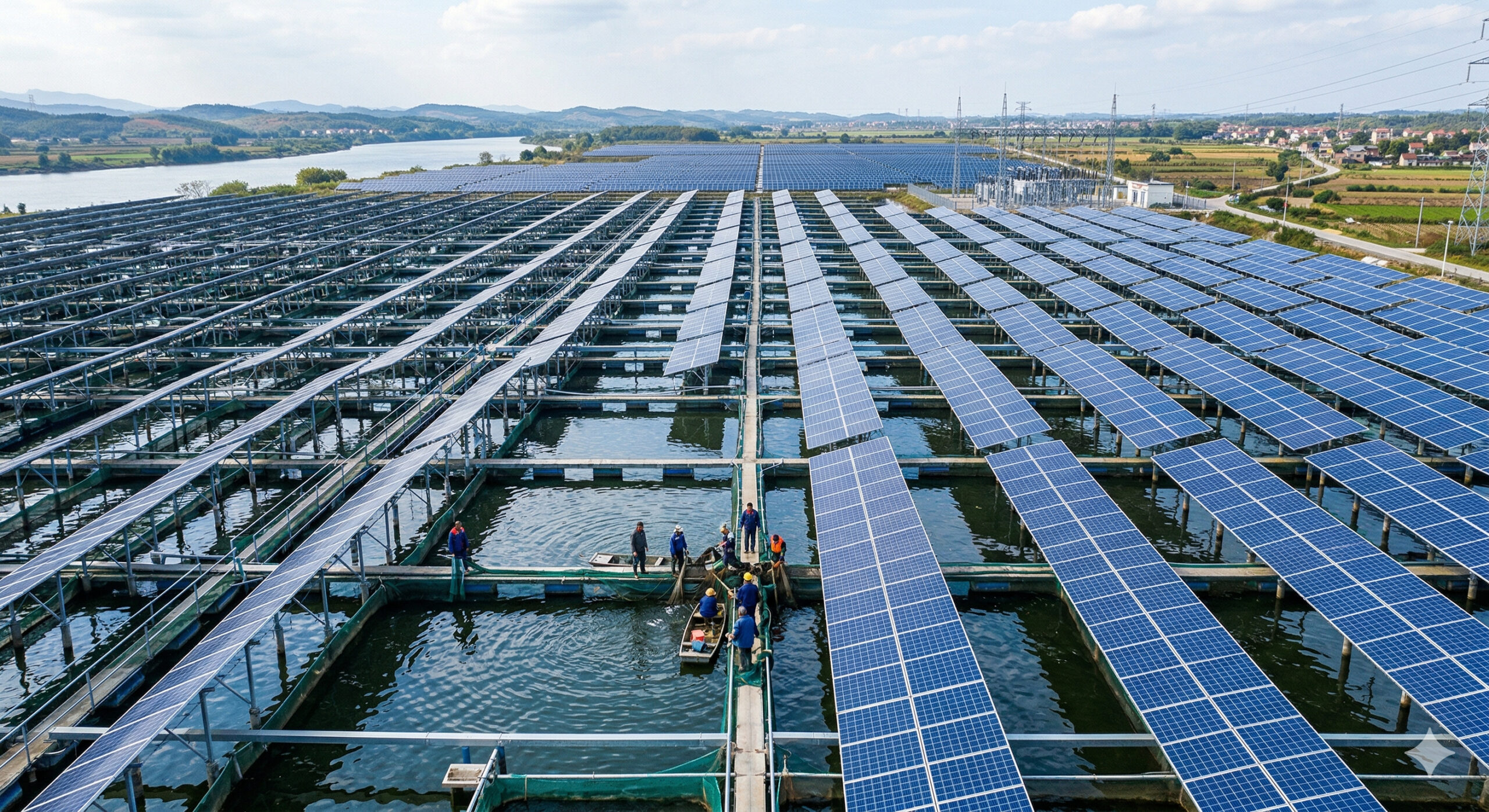
China bets on the Fishery-PV model and transforms fish farms into giant solar plants, covering ponds with panels that generate energy while utilizing the same space for large-scale aquaculture production.


Challenges and Opportunities on the Brazilian Horizon
And Brazil? A land of natural riches and a cradle of innovation, the country also stands out in the natural hydrogen landscape. Studies conducted by Brazilian scientists from the Brazilian Hydrogen Association (ABH2) and French researchers have identified promising reserves in areas such as Maricá, in Rio de Janeiro, and in the São Francisco Basin, in Minas Gerais. Additionally, projects led by companies like Engie and Geo4u reveal the potential of regions like Ceará, Goiás, and Bahia for the research and exploration of this vital resource. With the backing of the federal government, initiatives like the Hydrogen Bill seek to further boost the development of this emerging industry.
Future Perspectives of a New Energy Era and Environmental Commitment
As we move toward a post-carbon era, natural hydrogen emerges as a promising and environmentally responsible alternative. Its production not only reduces carbon emissions but also offers a versatile and accessible energy source. With eyes turned to the future, it is crucial that governments, companies, and communities come together for sustainable development and the preservation of our planet. Natural hydrogen is not just an energy source; it is an opportunity to shape a cleaner and more prosperous future for generations to come.
Amid challenges and uncertainties, the potential of natural hydrogen shines as a beacon of hope. With investments in research, innovation, and international collaboration, we can turn this vision into reality. From the lab to the field, from the Atlantic to Brazil, the path to a hydrogen-based economy is unfolding before us. It is time to embrace this opportunity and lead the transition to a new energy era, where natural hydrogen is the fuel that drives our progress and preserves our planet for future generations.








Seja o primeiro a reagir!