





 Portuguese
  English
  Spanish
  4 min of reading
  0 comments



Trojena Megaproject Integrates the NEOM Complex and Invests in Artificial Snow Technology, 100% Renewable Energy, and Futuristic Infrastructure to Transform the Tabuk Mountains into a Global Destination
In the northwest of Saudi Arabia, the Tabuk mountains are undergoing a transformation that defies any climatic logic. In the middle of the desert, Trojena emerges, a ski resort planned to operate with artificial snow year-round. The project integrates the NEOM megacomplex and represents one of the boldest initiatives in contemporary engineering.
While promotional campaigns mention a cost of US$ 500 billion, it is essential to clarify: this figure corresponds to the total NEOM budget. The specific investment in Trojena, however, is around US$ 38 billion, according to data released by sources like Bloomberg. Nonetheless, it is one of the largest winter tourism projects ever conceived outside naturally cold regions.
This information was disclosed by international portals specialized in engineering and infrastructure, based on official project data and analyses published by sources such as Bloomberg and MEED.
-
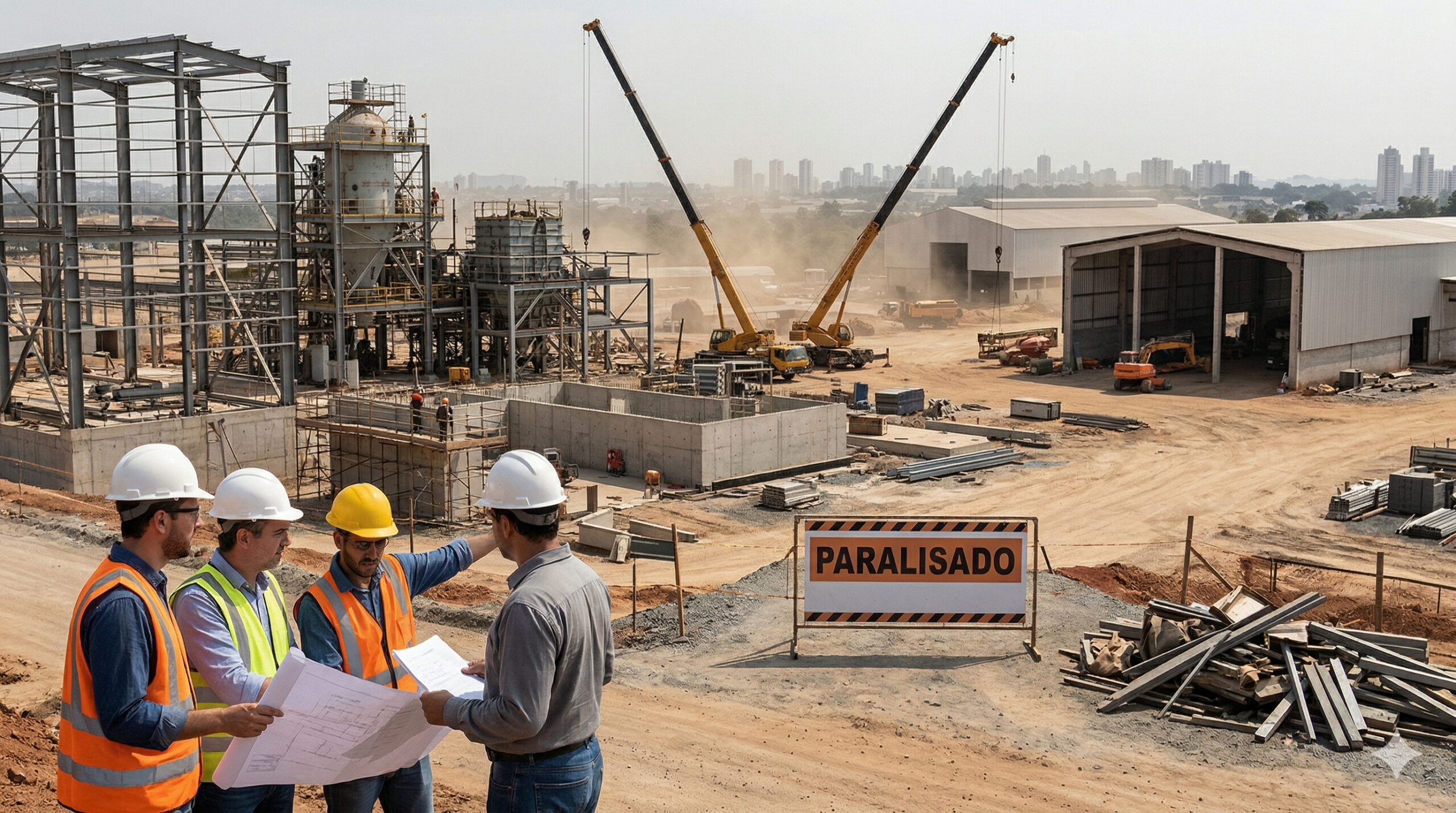
The lack of welders, electricians, and operators becomes a structural threat in 2025, with the construction industry and manufacturing already suffering from delays, cost pressures, and labor shortages in Brazil.
-
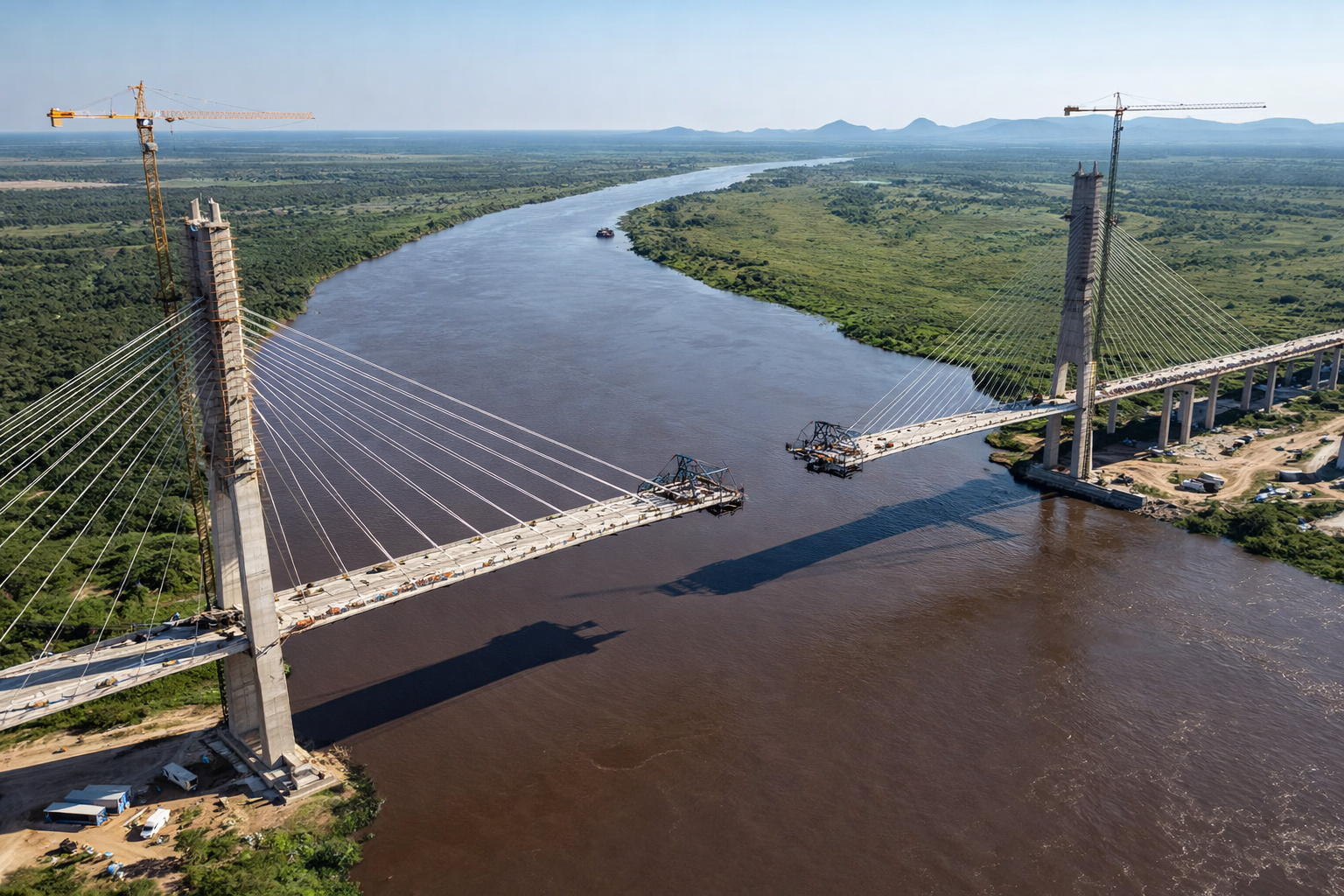
Brazil and Paraguay are just 46 meters away from a historic union on the bioceanic bridge that promises to revolutionize trade between the Atlantic and the Pacific.
-
With 55 km over the sea, a cost of US$ 20 billion, and enough steel to build 60 Eiffel Towers, China’s largest project has connected Hong Kong, Zhuhai, and Macau in a colossal bridge that defies the logic of engineering.

-
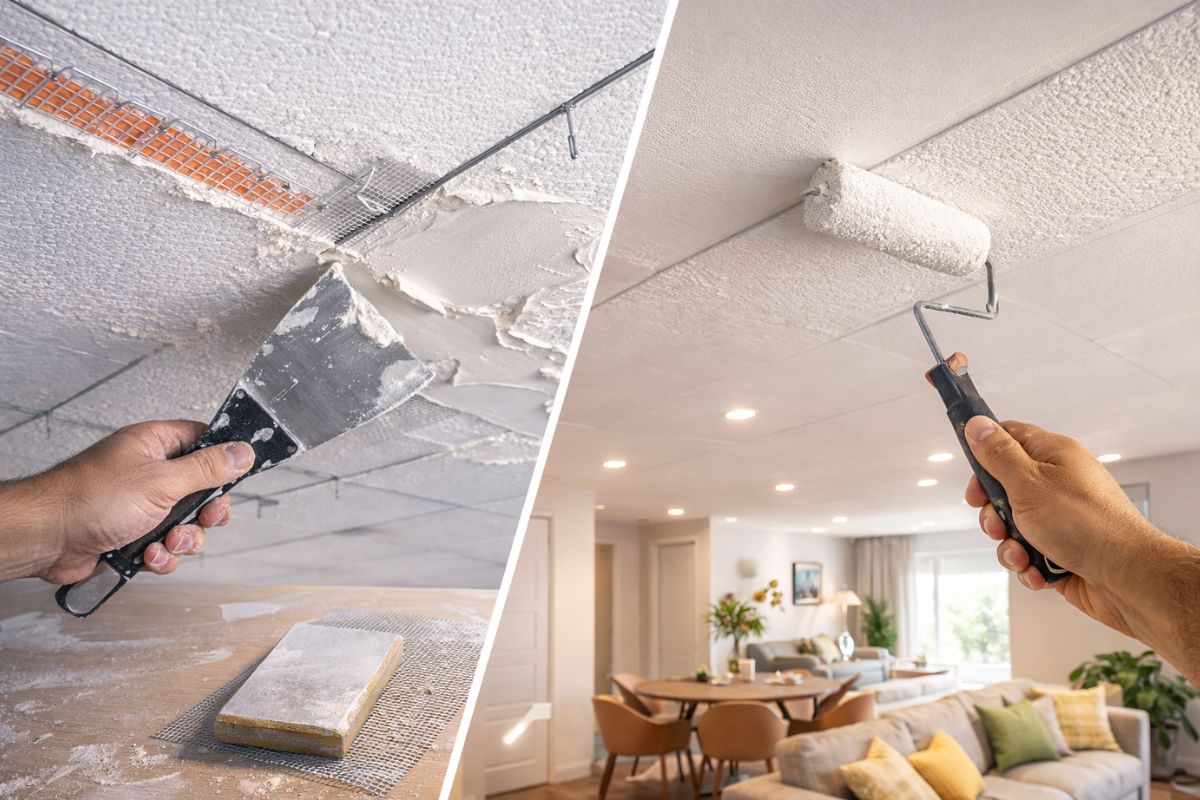
A trick with joint compound transforms a Styrofoam ceiling into a plaster-like ceiling: leveled panels, wires and mesh at the joints, sand, paint, and change the environment while spending little today.

Where Is Trojena and How Does the Project Plan to Bring Snow to the Desert
Trojena will occupy an area of approximately 60 km² in the Tabuk mountains, in northwest Saudi Arabia. The region has high altitudes; however, natural snow occurs rarely and irregularly. Nevertheless, the creators are betting on cutting-edge technology to enable skiing in the desert.
The plan includes between 30 and 36 km of ski slopes for different levels. In addition, the resort will feature a futuristic vertical village, luxury hotels, restaurants, shopping, mountain trails, ski lifts, and an artificial lake intended for leisure and water sports.
To ensure snow during winter, the team will install snow cannons (fanguns) in strategic areas. For about three months each year, temperatures can drop below freezing; therefore, the system will combine natural and artificial snow. During the other months, synthetic dry ski slopes will keep the operation active.
Moreover, the project will operate with 100% renewable energy. To achieve this, engineers will integrate desalination and water reuse systems. In this way, the complex seeks to balance extreme innovation with a sustainable discourse.
The Real Cost, Delays, and the Race for the Asian Winter Games

The figure of US$ 500 billion often appears in marketing videos and materials. However, this value encompasses the entire NEOM complex, which includes the linear city The Line, the industrial hub Oxagon, and a vast logistics infrastructure network. In contrast, Trojena will absorb about US$ 38 billion.
This amount covers the artificial lake, outdoor slopes, ultra-luxurious hotels, and the technological systems responsible for the continuous production of artificial snow. Additionally, it includes the renewable energy infrastructure and desalination systems necessary to maintain operations.
Initially, the Asian Olympic Council chose Trojena to host the 2029 Asian Winter Games. However, in January 2026, the council itself announced the indefinite postponement of the event. According to the MEED portal, infrastructure delays compromised the schedule. At the same time, South Korea and China emerged as alternatives.
Despite the postponement, construction continues. The partial opening is still planned for 2026, while the first slopes are expected to be operational in the following years.
Extreme Engineering, Sustainability, and the Strategy of Saudi Vision 2030
Maintaining a ski resort in the desert requires advanced engineering solutions. Therefore, the project incorporates:
- Artificial snow systems with greater energy and water efficiency;
- Synthetic slopes that simulate the experience of natural snow;
- Infrastructure fully powered by renewable energy;
- Desalination and water reuse;
- Construction techniques adapted to the mountainous terrain.
In addition to the technical challenge, Trojena integrates the Saudi Vision 2030 strategy. The Saudi government seeks to diversify the economy and reduce dependence on oil. Therefore, high-end tourism has become a national priority.
While critics point to high costs and uncertain timelines, enthusiasts see a demonstration of technological capability. Regardless, the project already symbolizes a new stage of engineering in extreme environments.
If the schedule progresses as planned, the first phase could open in 2026. From then on, the world may witness an unprecedented scenario: people skiing in the desert, surrounded by futuristic architecture and renewable energy-powered infrastructure.
And you, do you believe that engineering will be able to definitively transform the desert into an Olympic destination or does this megaproject represent a billion-dollar risk?









-

-

-

-

9 pessoas reagiram a isso.