





 Portuguese
  English
  Spanish
  4 min of reading
  0 comments


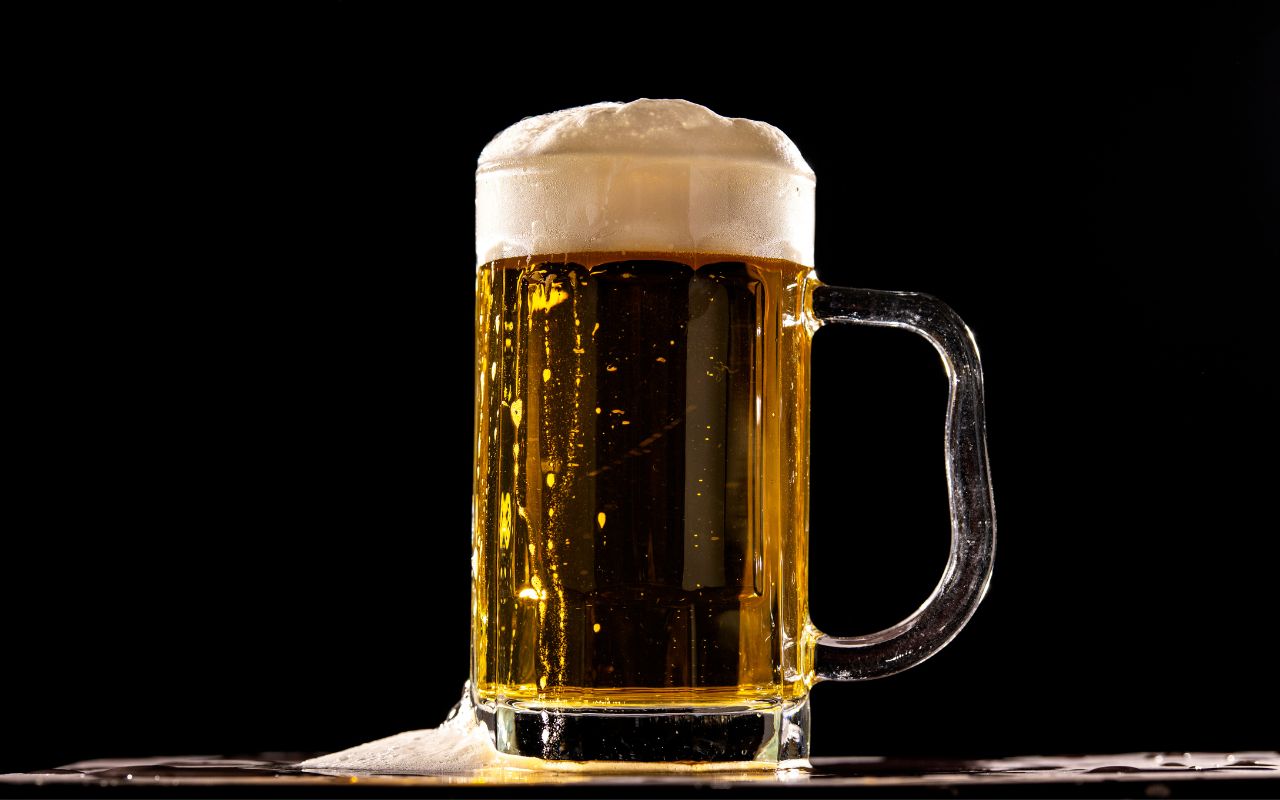
Studies Show That After 30, The Body Metabolizes Alcohol More Slowly, Increasing Hangover Symptoms And Prolonging Discomfort The Next Day.
Stronger Hangover After 30 Years has a scientific explanation and is not just an impression of those who feel their body is “more sensitive” over time.
What changes is the way the body metabolizes alcohol, especially in the liver, a process that becomes slower and less efficient.
These changes begin gradually around the age of 30, affecting healthy adults anywhere in the world, and help explain why the same amount of drinks now causes headaches, nausea, and prolonged fatigue.
-
The Himalayas continue to grow to this day, with tectonic plates advancing 5 cm per year, mountains rising up to 10 mm annually, and the 2015 earthquake that killed 9,000 people may have increased the risk of an even larger seismic mega-event.

-
At an altitude of 400 km by astronauts from the International Space Station, Paris transforms at night into a golden mesh so precise that it reveals the outline of the Seine River, avenues, and entire neighborhoods like a luminous map drawn over the Earth.

-
iPhone 17 reaches historic low price with 256 GB, 120 Hz display, and drops to R$ 5,703 on Shopee, featuring A19 chip, dual 48 MP cameras, battery life of up to 30 hours, and advanced AI features.

-
Trip to Mars getting closer: Pulsar Fusion, from the UK, advances with plasma ignition in fusion engine and could drastically reduce space travel time, making crewed missions faster, safer, and economically viable.


The reason lies in the combination of hormonal changes, loss of muscle mass, and reduced body water, factors that directly impact the intensity of the hangover.
Right the next day after consuming alcohol, the body is already trying to deal with toxic substances resulting from metabolism.
When this process takes longer than it should, the symptoms become more evident. Therefore, understanding what happens internally is essential to prevent excesses and minimize unpleasant effects.
What Changes In The Body After 30 And Intensifies The Hangover?
Upon reaching 30 years old, the body begins subtle yet significant transformations. One of the main changes is the gradual reduction of muscle mass, a phenomenon studied by science within the context of sarcopenia, which means muscle loss associated with aging.
Since muscle tissue is rich in water, its decrease interferes with the dilution of alcohol in the body. In simple terms, less body water means higher concentration of alcohol circulating in the blood. Consequently, the hangover tends to be more intense.
Additionally, the basal metabolic rate—which represents the amount of energy that the body uses at rest—may slightly decrease over the years. This contributes to alcohol remaining active in the body for a longer time.
How The Liver Processes Alcohol And Why Hangover Occurs
To understand the hangover, one must look at the liver. Whenever alcohol is ingested, this organ takes on the responsibility of transforming it into substances that can be eliminated.
The first step is to convert ethanol into acetaldehyde, a toxic compound. Then, the body transforms this substance into acetate, which is less aggressive and can be eliminated more easily.
This process mainly relies on two enzymes: alcohol dehydrogenase (ADH) and aldehyde dehydrogenase (ALDH).
When these enzymes do not act quickly enough, acetaldehyde temporarily accumulates in the body.
It is precisely this substance that is linked to classic hangover symptoms, such as throbbing headache, nausea, excessive sweating, flushing, and increased heart rate. According to studies, the longer it remains in the blood, the greater the discomfort tends to be.

Why Does Alcohol Metabolism Slow Down After 30?
As age advances, the efficiency of liver enzymes may experience slight reductions. Although the liver continues to function, it may process alcohol less quickly than in youth.
This means that both ethanol and acetaldehyde circulate in the blood for longer periods. As a result, the hangover not only becomes more intense but also more prolonged.
Another relevant factor is the increased sensitivity of the central nervous system. In other words, the brain may react more acutely to alcohol after 30, disrupting sleep and making recovery the next day more difficult.
Dehydration And Hangover: The Direct Relationship With Alcohol
In addition to liver metabolism, there is an important element in the equation: dehydration. Alcohol has a diuretic effect, meaning it stimulates the elimination of fluids through urine.
When there is excessive water loss, symptoms such as headache, weakness, and dizziness become more evident. After 30, the body may have lower water reserves, which intensifies the impact of dehydration.
Therefore, the combination of lower body water volume and slower metabolism explains why the hangover seems “heavier” at this stage of life.
Despite popular claims, there is no immediate cure for a hangover. No pill, home remedy, or strong coffee can instantly neutralize the effects of alcohol in the body.
Science is clear: the body needs time to complete the metabolism and eliminate toxic substances. However, some measures can alleviate symptoms while this occurs.
Proper rehydration, light meals, and rest are the most effective strategies. Although they do not drastically accelerate the process, they help reduce discomfort.
How To Reduce Hangover After 30?
Given the natural changes the body undergoes at 30, certain actions make a difference.
Eat Before Consuming Alcohol
Consuming food before drinking slows down the absorption rate of alcohol. Proteins and fats, for example, delay stomach emptying.
This way, the concentration of alcohol in the blood rises more gradually. This may lessen the intensity of the hangover the next day.
Drink Water Throughout The Night
Alternating each alcoholic drink with a glass of water helps maintain fluid balance. Since alcohol promotes fluid loss, this strategy reduces dehydration.
Moreover, staying hydrated assists the body during the metabolic process.
Know And Respect Your Limits
With the passing years, the body sends clearer signals that it cannot tolerate excesses like before. Experts recommend moderation, usually around two standard drinks per occasion for healthy adults.
Exceeding this limit increases the accumulation of toxic substances and significantly raises the chances of an intense hangover.

Hangover, Alcohol, And 30 Years: Understand To Prevent
Feeling a stronger hangover after 30 is not an exaggeration. Science shows that changes in body composition, metabolic efficiency, and neurological sensitivity contribute to this change.
Understanding how alcohol affects the body allows for more conscious choices. Instead of seeking miraculous solutions, the best strategy remains responsible consumption.
After all, while time brings maturity, it also requires more attention to the limits of one’s own body.
Source: Xataka









Seja o primeiro a reagir!