





 Portuguese
  English
  Spanish
  3 min of reading
  0 comments


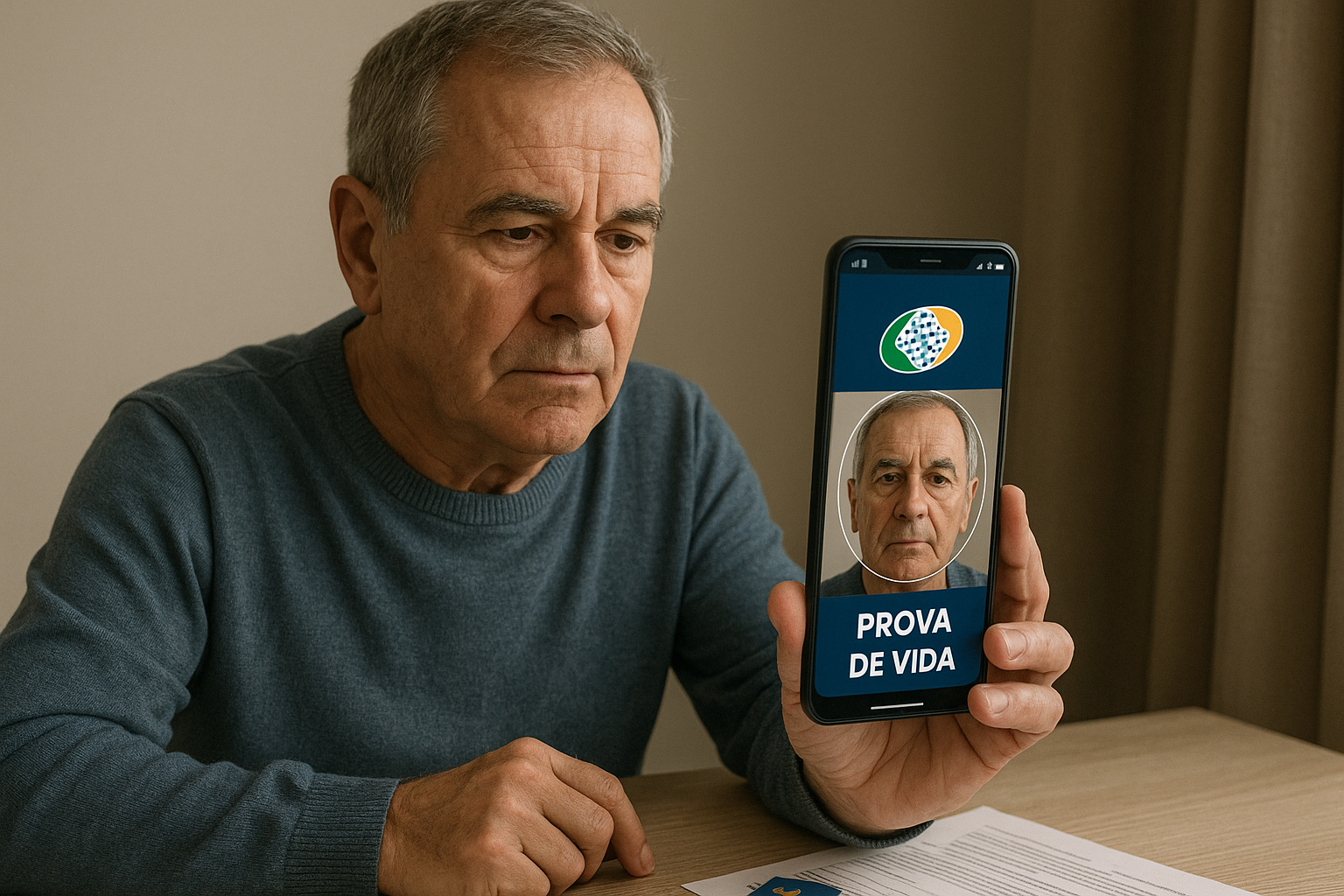
INSS Updates Life Proof in 2025 with Automatic Validation, Flexible Cycle, and Suspension of Blocks Until July, Ensuring Stability for Millions of Beneficiaries
In 2025, the National Institute of Social Security initiated a deep transformation in the life proof process. Additionally, this change affects 37 million beneficiaries with new guidelines.
This update introduces automatic validation, based on the continuous cross-referencing of governmental data and official partners. As a result, INSS reduces bureaucracy and prevents undue blocks.
The change comes after years in which the life proof linked to the birthday month caused constant forgetfulness. Thus, the new cycle now counts from the last registered proof or cadastral update.
The insured has 10 months for the agency to validate everything automatically. Furthermore, the model enhances citizens’ autonomy and avoids unnecessary travel.
New Methodology Strengthens Inclusion and Expands Active Data Search
From this axis, INSS takes full responsibility for proving vitality. This approach marks a historic reversal of the traditional process.
Moreover, the agency accesses data from databases such as SUS, CadÚnico, Federal Revenue, and Electoral Justice. Due to this integration, elderly people and those with reduced mobility no longer face barriers to maintaining benefits.
This change reinforces the social policy of expanding equity. Additionally, it facilitates access to pension rights with permanent and secure monitoring.
Automatic Validation Consolidates After Recording 94% Effectiveness in 2024
In 2024, INSS validated 94% of life proofs automatically. This number corresponds to 34.6 million confirmations without manual action.
Furthermore, the positive performance paved the way for the consolidation of the model in 2025, reinforcing its efficiency.
Verification occurs through banking biometric or facial biometric in the Meu INSS app. It also occurs through registered vaccination at SUS, updates in CadÚnico, income tax declaration, and biometric voting.
Each verification updates the insurance history automatically. Thus, the platform offers complete transparency.
-
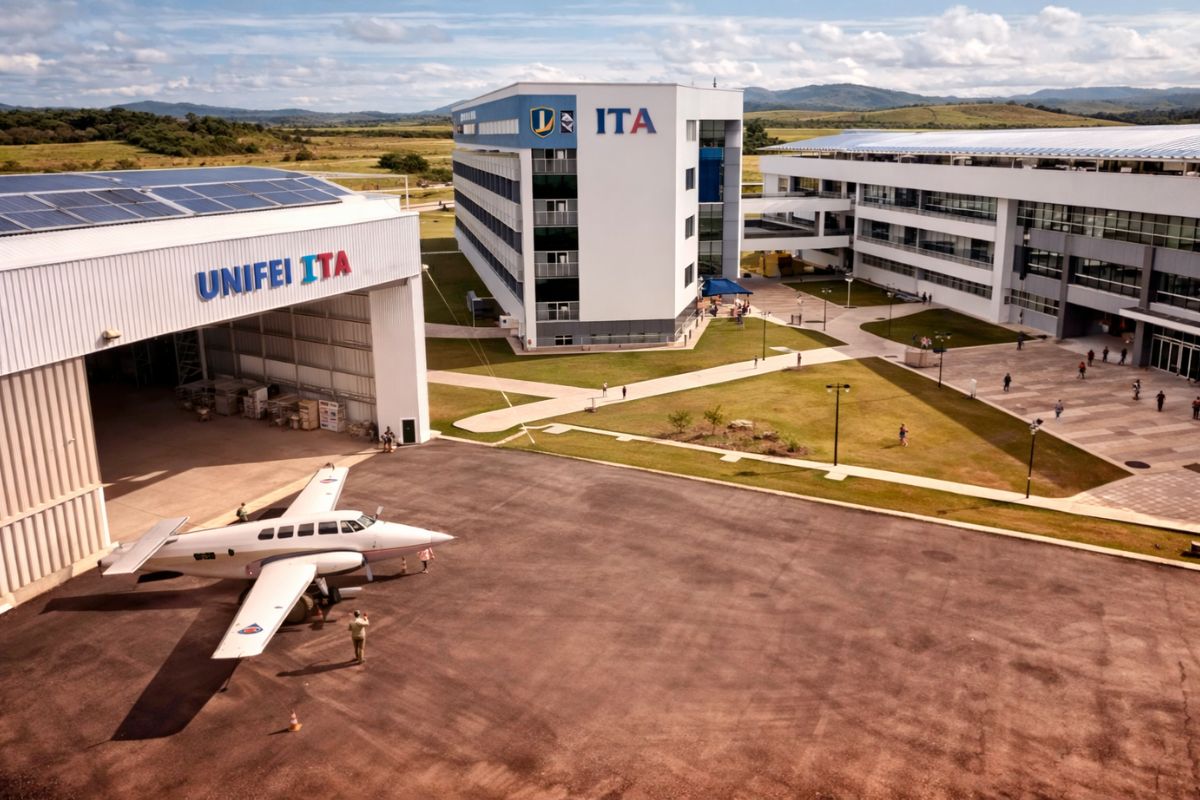
The institute that trained the greatest aerospace engineers in Brazil has just opened its first campus outside São Paulo after 75 years: ITA Ceará will have R$ 445 million, new courses in energy and systems, and classes are expected to start in 2027.
-
Luciano Hang, owner of Havan, goes to Juiz de Fora after the tragedy in February, brings R$ 1 million, hands out R$ 2,000 cards, and donates up to R$ 15,000 to victims in the region.

-
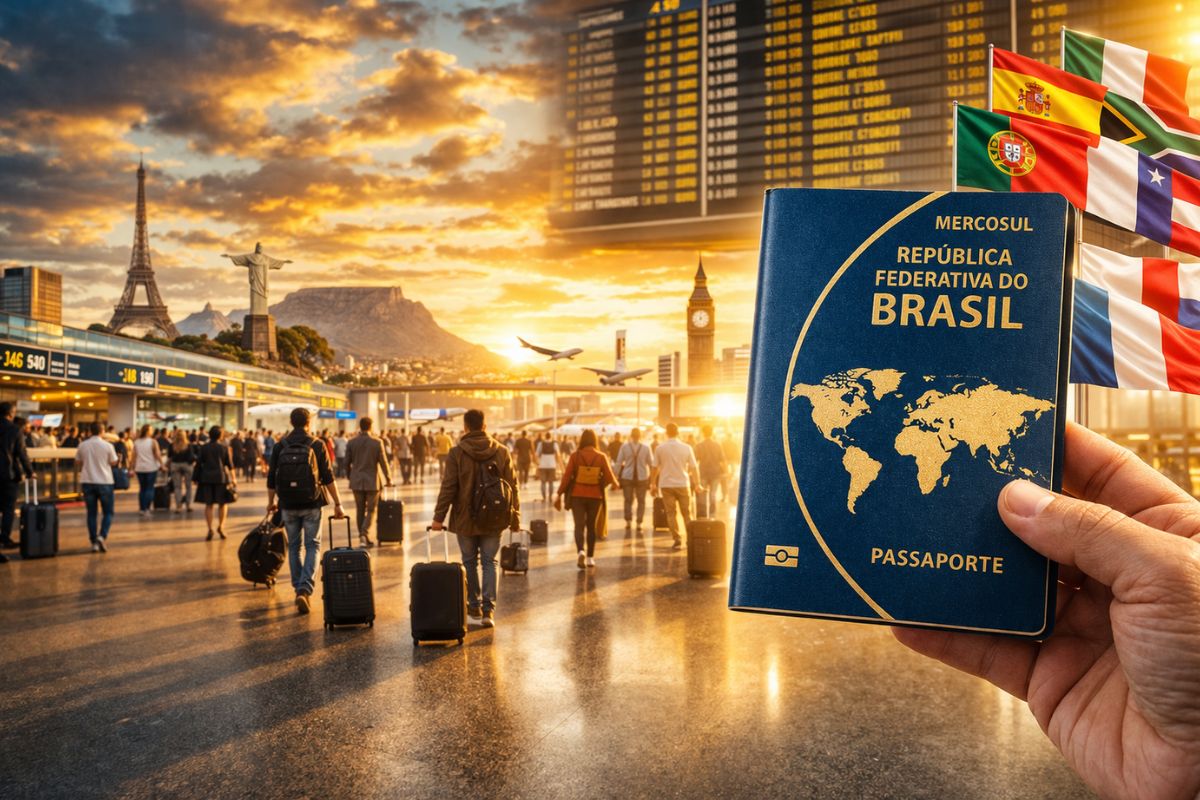
The Brazilian passport allows legal residence in dozens of countries without the need for a prior visa, and most Brazilians are unaware that they can apply for residency directly upon arriving in nations in South America, Africa, and even Europe.
-
Petrobras sends a message to Brazilian truck drivers after fuel collapse and reveals plan to have 100% domestic diesel.


Advance Notification and Expanded Service Reinforce Process Security
When automatic validation is not completed within the cycle, INSS sends an official notification through digital channels. This communication may also occur by mail.
Consequently, the insured receives 30 days to resolve the pending issue before any payment impact.
Additionally, phone number 135 logs the call as a valid interaction. This record speeds up regularization and provides immediate support.
The Meu INSS app allows scheduling in-person appointments. These appointments prioritize cases involving expert assessments or other essential demands.
Suspension of Blocks Until July 2025 Prevents Losses and Ensures Safe Transition
The Ordinance MPS No. 83/2025 suspended blocks for lack of life proof until July 2025. This measure ensures an adaptation period for all pending beneficiaries.
Moreover, the suspension prevents financial losses during the administrative reorganization.
However, this transition period opened up space for scams, according to alerts from INSS itself. Thus, the agency emphasizes that it does not request passwords, codes, or personal data by phone, WhatsApp, or email.
Therefore, any unannounced visit should be treated as a fraud attempt.
Educational Campaigns, Facial Biometric, and Gradual Resumption Strengthen Governance
During 2025, INSS intensified educational campaigns to guide retirees and pensioners on digital security. This action prevents scams and increases the protection of insured individuals.
Moreover, facial biometric added a robust layer of protection against unauthorized access.
After July 2025, the resumption of suspensions will follow a strict protocol with a 30-day deadline for regularization. This process includes guaranteed reimbursement in case of undue blocking.
Thus, the institute protects trust in the system and reinforces operational transparency.
Administrative Efficiency and Future Impact on Brazilian Social Security
The consolidation of the automatic model reduces operational costs and frees up internal resources for other improvements.
Additionally, this modernization strengthens the sustainability of the social security system.
As a result, INSS delivers greater efficiency, security, and continuity of pension rights that support millions of families.
What do you think should be a priority for INSS: to further expand automation or invest in informational campaigns to reach those with greater access difficulties?










-

-

-

-

-

17 pessoas reagiram a isso.