





 Portuguese
  English
  Spanish
  3 min of reading


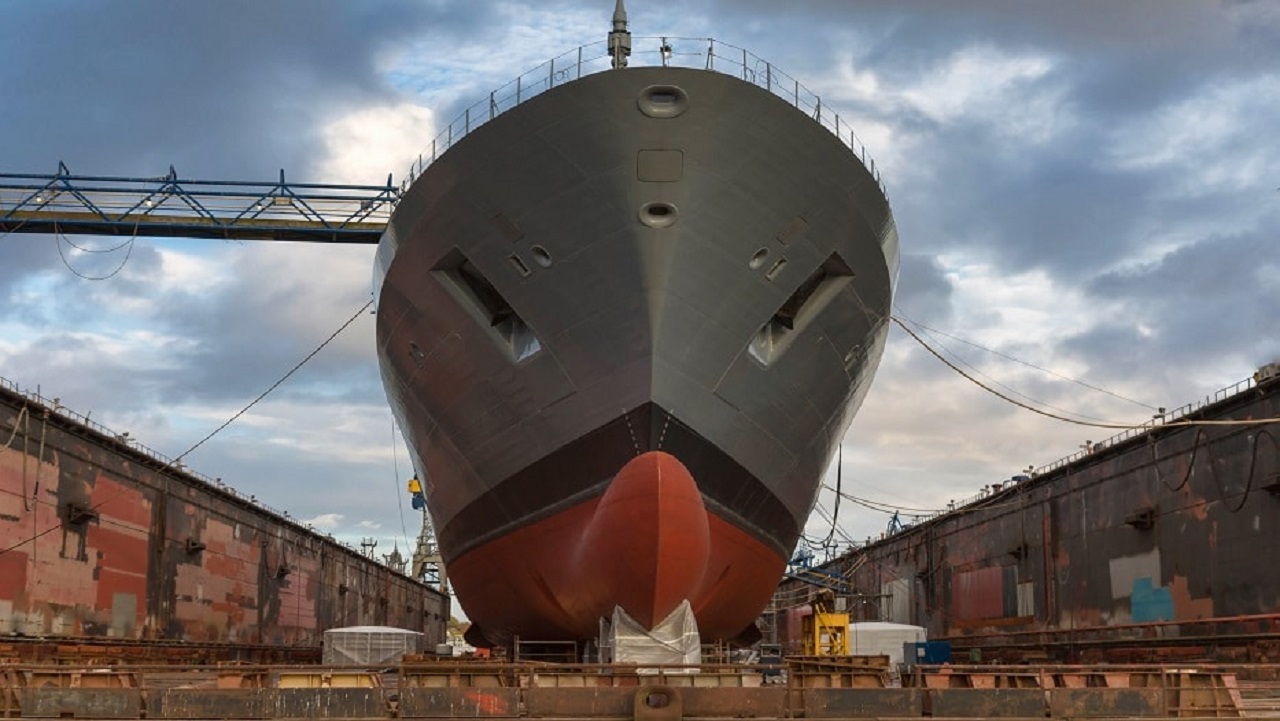
Transpetro Changes Management And Affirms That It Will Invest In Shipbuilding. The Subsidiary Will Use Merchant Marine Funds For The Shipbuilding Sector.
The Transpetro, logistics subsidiary of Petrobras, will resume the construction of its own ships in Brazilian shipyards. The statement was made last Thursday (4) by the new president of the company, Sérgio Bacci. Studies are already underway focusing on this direction. The new management of the company states that a task force has been developed to analyze the work opportunities to be carried out over the next two months, gathering information to bring shipbuilding projects to life.
Shipbuilding Will Directly Impact Chartering Costs
Currently, there are no ships under construction that have been ordered by Transpetro. Bacci emphasizes that the company will not be privatized and that the resurgence in the construction sector is a banner of the current government, and he has already met with Jean Paul-Prates, president of Petrobras, to discuss the program.
The Transpetro executive also stated that the shipbuilding program will rely on the Merchant Marine Fund and will engage in discussions with BNDES and Petrobras about projects that may be built in the future.
-
Historic bankruptcy of Centauro shocks the market, and the century-old company puts more than 500,000 products, machines, and complete infrastructure up for online auction.

-
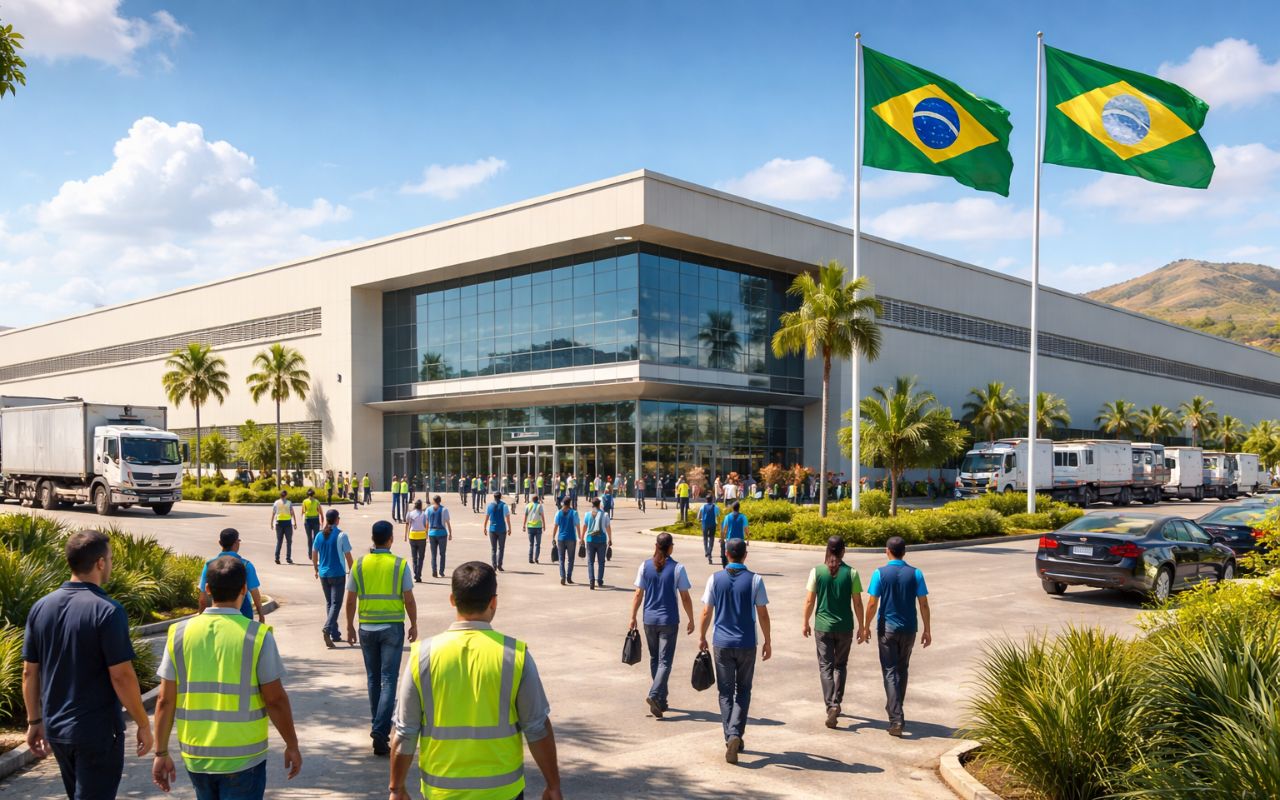
New shoe factory in Ceará is expected to create 400 jobs and strengthen the local economy.
-
No one imagined it, but a mixture of sawdust with a mineral that fights fires surprises scientists with a result that changes the course of fire-resistant construction.

-
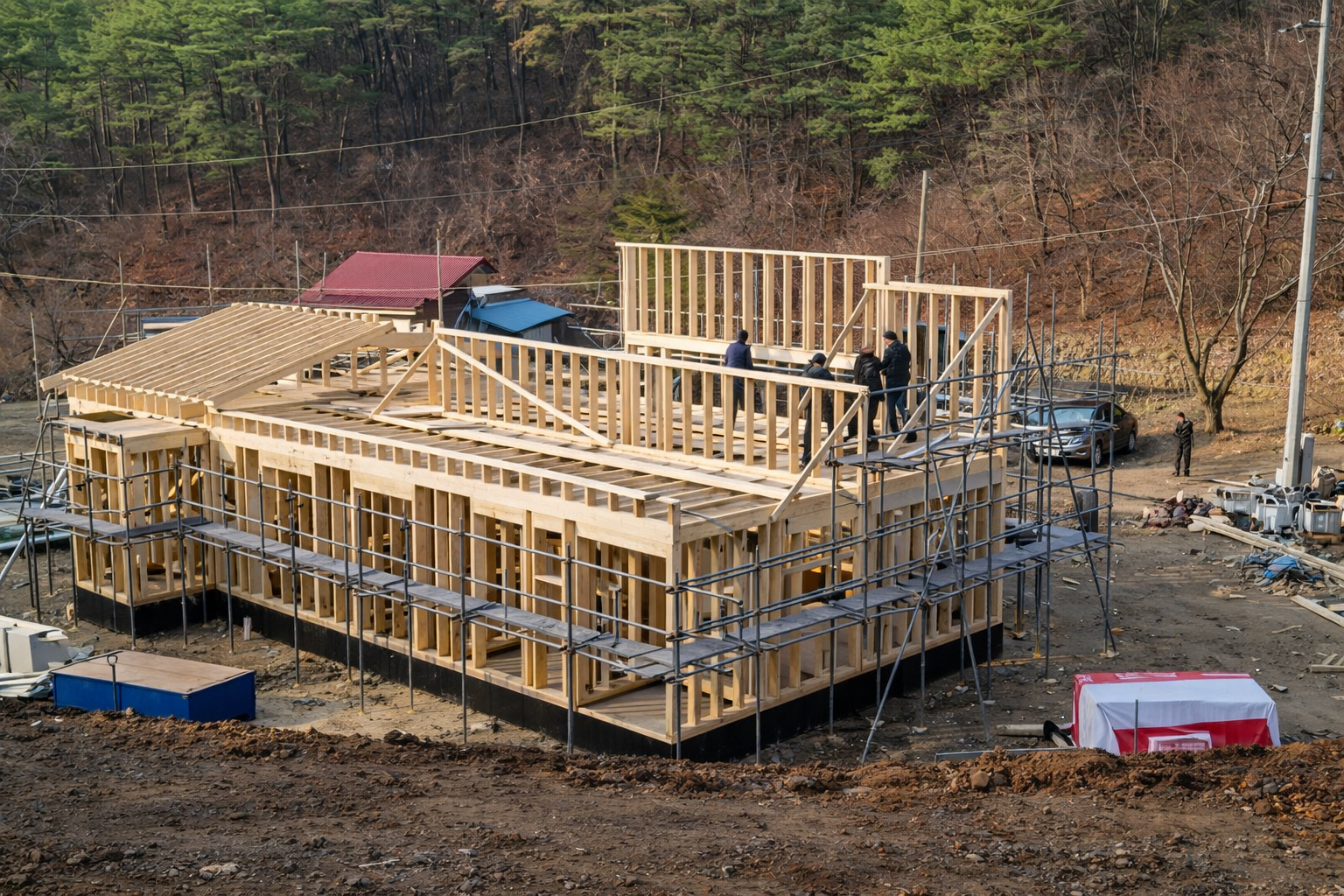
From empty land to a high-end house, wooden construction uses a lightweight system, metal structure for the foundation, ventilated ceramic cladding, and special windows to create an efficient and comfortable living space throughout the year.

If Transpetro resumes shipbuilding in Brazil to meet the demands of Petrobras, it will directly affect chartering costs. The more demand the company can create for Brazilian-flagged ships, the more it will directly influence charter prices. I think this is a very reasonable economic reason for us to build.
Currently, Transpetro operates 26 long-haul cabotage ships. These were developed under the Fleet Modernization and Expansion Program (Promef). Additionally, there are another 10 lightering ships that are chartered. The last vessel delivered to the company under this program occurred in 2019.
How Did Promef Operate When It Was Launched?
The new president states that the plan to resume shipbuilding will not, however, signify a reissue of Promef, from the first terms of the PT. Launched during the first Lula government, Promef anticipated the construction of 49 ships, with investments reaching R$ 11.2 billion. However, only 26 units were delivered.
There were several delays, breaches of deadlines, cancellations and cost increases, as well as corruption allegations involving the former president of Transpetro, who was responsible for conducting the program, and former senator Sérgio Machado, who made a plea bargain agreement.
The new president did not disclose how many ships the company plans to acquire, but he stated that shipbuilding will not be done at any price. He gave his first interview yesterday after taking over Transpetro. He also stated that he has opened discussions with the federal government to include new ships in the list of priority projects being created.
Shipyards Are Another Weak Link in Brazil
Bacci emphasizes that Brazil is in a hurry and it is necessary to generate jobs, but Promef will not be reissued. When Transpetro was created in 1998, it had 57 ships, which have been decommissioned over the years.
As mentioned earlier, the executive, who held a position in the Ministry of Transport during the first Lula government and then became part of the shipyard class entity, Sinaval, stated that the new vessels will be financed by the Merchant Marine Fund (FMM), which is established from the collection of fees on import freights.
The shipyards were another weak point in the first attempt to revive the shipbuilding sector in Brazil starting in 2003. The new shipyards, which included groups of partners implicated in the Lava Jato operation, went bankrupt, and a vulnerability in the land construction sector, which serves the oil and gas industry, is depending on a single client, Petrobras.





Seja o primeiro a reagir!