





 Portuguese
  English
  Spanish
  2 min of reading
  0 comments


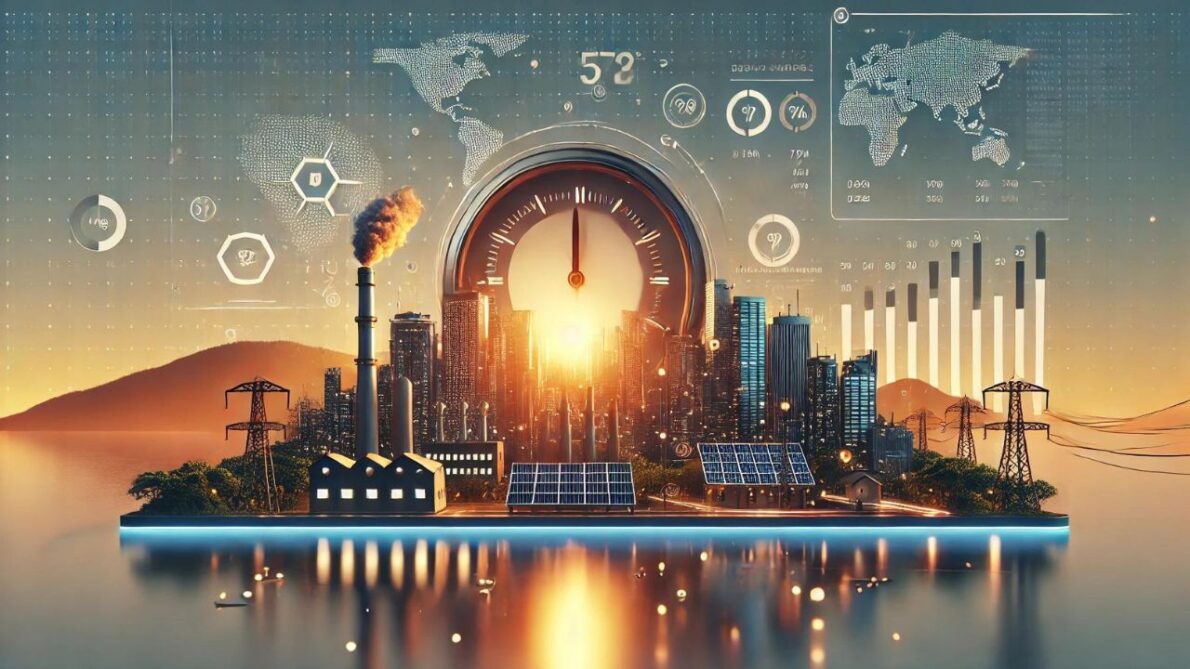
Daylight Saving Time May Return: Measure Promises Billion-Dollar Savings and Reduced Energy Consumption
The conversations about the possible return of daylight saving time are heating up like never before! The debate that was once dormant seems to be coming back to the forefront, and this time with quite striking numbers: according to the National Electric System Operator (ONS), the country could save up to R$ 1.8 billion per year. Is it savings in Brazil or not?
The study, recently presented to the federal government, indicates that reintroducing daylight saving time would significantly reduce the use of thermoelectric plants, which have a higher cost. This cut in consumption, estimated at around 2 GW during peak hours, would be a relief for the Brazilian pocket and for the national energy system.
Positive Impact on Energy Efficiency
Daylight saving time would not only help alleviate the use of thermoelectric plants but also increase the efficiency of the Brazilian energy system. The ONS argues that by adjusting the clocks, the country could better manage consumption between 6 PM and 8 PM, a period when solar energy stops contributing and electricity use in homes skyrockets. In other words, more natural light, less energy consumed – a calculation that makes sense, right?
-
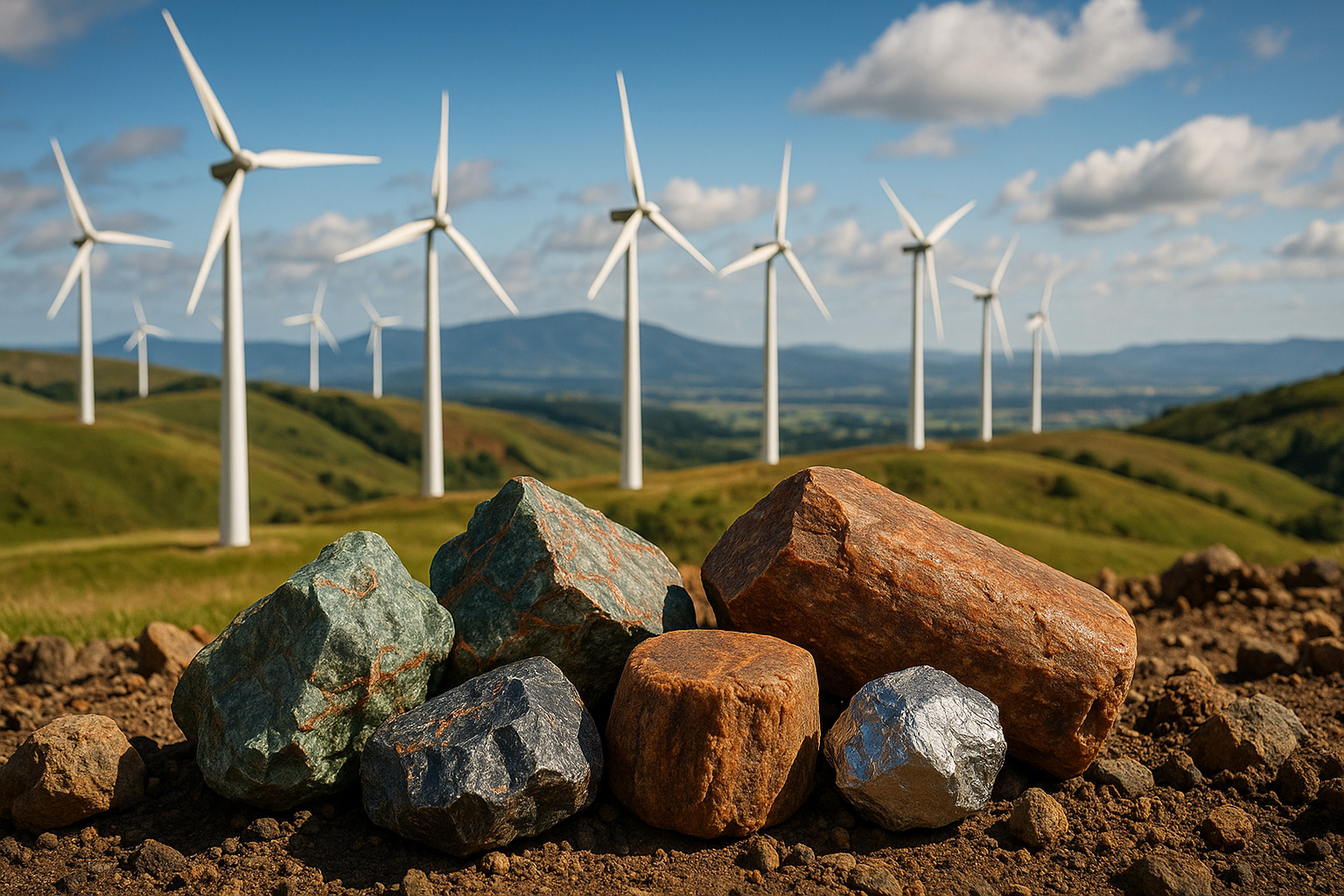
The Brazilian state accelerates industrial competitiveness with a focus on the extraction of strategic minerals to boost the energy transition in Goiás.
-
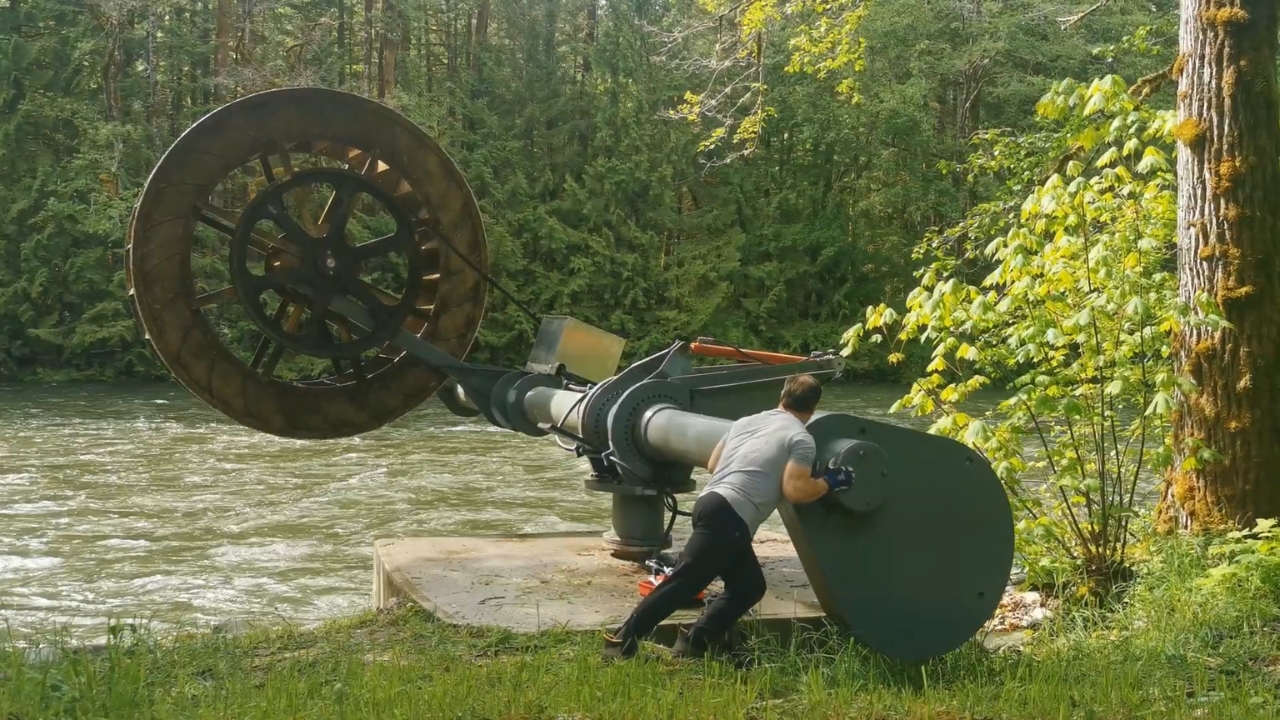
A Canadian retiree creates a hydroelectric system on a real river, generating energy continuously throughout the day and demonstrating how the power of water can supply a house with stability even in a simple structure.
-
Petrobras reaffirms its commitment to the market and ensures that it will carry out the energy transition safely to maintain national sovereignty.

-
Researchers discover a possible hydrogen deposit of up to 46 million tons beneath an ancient coal basin, and the volume could exceed half of the entire global production.


However, the federal government has not made a definitive decision about the return of the measure. Despite the favorable data and pressure for more savings in Brazil, it is still unclear whether daylight saving time will be reinstated, or when that might occur.
What Is Daylight Saving Time?
The practice of setting clocks forward by one hour during the warmer months is already common in several countries around the world. The main objective is to make better use of sunlight in the afternoons and thereby reduce electricity consumption. In Brazil, daylight saving time was first implemented in 1931 but was suspended in 2019 by former president Jair Bolsonaro. At the time, the government claimed that technological advancements and changes in energy consumption patterns no longer justified the measure.
Now, with new studies in hand and the possibility of significant savings in Brazil, the debate is back on the table with full force. Will the clocks be set forward again soon? Only time – and the government – will tell.
Now, with new studies in hand and the possibility of significant savings in Brazil, the debate is back on the table with full force. Will the clocks be set forward again soon? Do you think daylight saving time still makes sense today?








Seja o primeiro a reagir!