






 Portuguese
  Spanish




Understand How Urban Planning Errors and Inadequate Foundations, Along with Soil Type, Resulted in One of the Greatest Engineering Challenges on the Coast of São Paulo
The famous buildings in Santos are known not only for their beautiful sea view but also for a “detail” that catches a lot of attention: they are crooked! Yes, you read that right, and if you think this is an exaggeration, know that we are not talking about small deviations. The explanation for this phenomenon, incredibly enough, lies in engineering itself and the type of soil on which these buildings were constructed. But before you imagine buildings collapsing throughout the city, let’s understand what really happens and why this has even become a tourist attraction!
In the 1940s, Santos went through a major real estate boom, especially in the waterfront area. The problem? No one paid much attention to the type of soil they were building on. The city is situated on a sedimentary plain composed of a thin layer of sand over a thick layer of soft clay, which for any civil engineering is a nightmare. These two types of soil are terrible for providing support to heavy structures, like the tall buildings that began to emerge at that time.
Engineering Explains, Shallow Foundation and Settlement
The majority of buildings in Santos were built with shallow foundations, which means they did not have a deep enough base to reach more stable soil layers. This, combined with the weight of the buildings and their proximity to each other, created a situation of “tension bulbs.” When two buildings are too close together, the soil between them suffers more pressure, causing both to start tilting. This phenomenon is known as settlement, and it is one of the biggest headaches for engineering.
-
They exchanged the idea of a large house for a 35 m² warehouse, spent US$ 12,000 on the structure, and created a tiny house in Colorado with space to live and work.

-
A newly opened terminal in the middle of the Amazon has begun transporting soy and corn through Amapá, eyeing the queue of ships that is congesting the ports in the South.

-
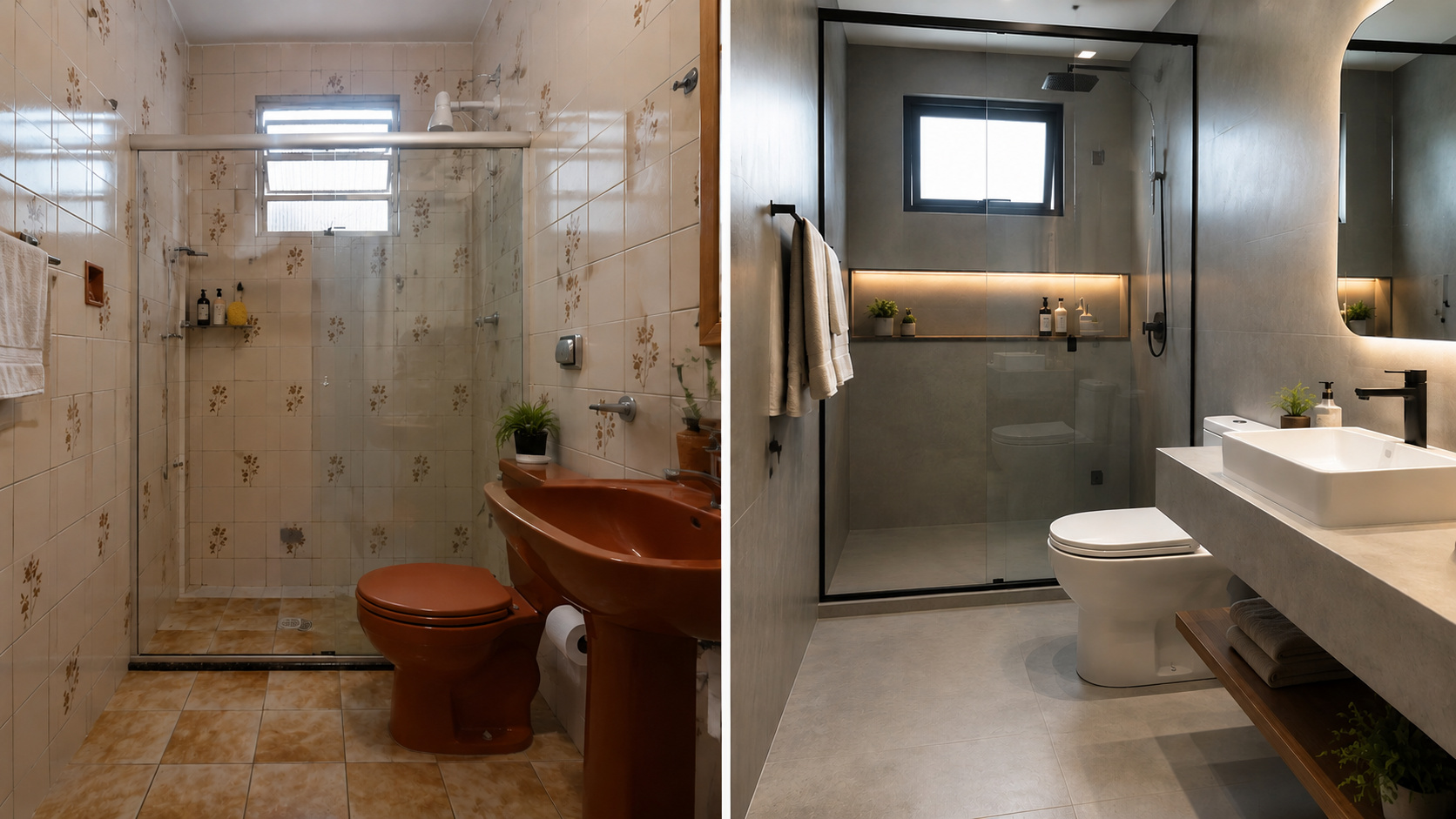
Goodbye to old tiles: renovation technique without construction transforms bathrooms in a few hours, eliminates debris, and reduces costs with coverings using special paints, high-resistance adhesives, and modern finishes that completely renew the space.
-
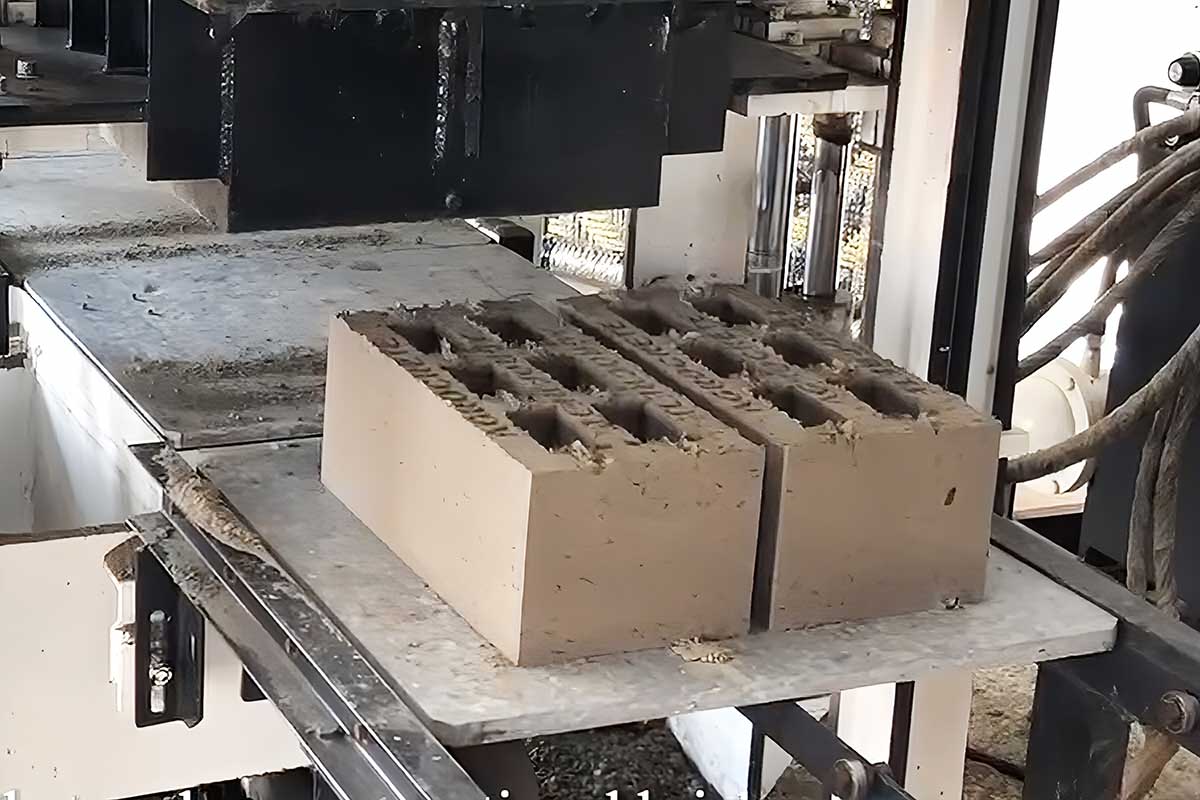
Goodbye to the traditional clay brick: Indian startup transforms burnt straw into a carbon-negative brick that costs half, insulates better, and even removes CO2 from the air.


What Engineering Can (or Can’t) Do to Fix This?
For many of the buildings in Santos, trying to correct these tilts was a major engineering challenge. Some techniques, such as sand pressure relief beneath the foundations and injecting concrete to reinforce the structure, managed to stabilize some buildings. However, not all had the same luck. One of the most famous examples is the Lúcio Malzoni Building, which has suffered from settlements since its construction in the 1960s. Various interventions were made, but only block A of the building was stabilized – block B, due to lack of funds, remains tilted to this day.
The Curious Side of the Problem: Tourism and Depreciation of Santos Buildings
While for residents the problem of the buildings in Santos is a true nightmare, for tourists it has become an attraction. Despite the crooked engineering, people take photos next to the leaning buildings, often joking with perspective as if they were “holding” the buildings. On the other hand, the depreciation of these properties is brutal. Apartments that, under normal conditions, could be worth hundreds of thousands of reais are sold at prices well below market value. One example of this was an apartment with a sea view that, due to the building’s tilt, was sold for only 40 thousand reais, when the actual price would be around 350 thousand.
Lessons for the Future of Civil Construction


This phenomenon is not exclusive to Brazil. The famous Leaning Tower of Pisa in Italy was also a victim of unstable soil and engineering errors. In the case of Santos, the definitive solution for the leaning buildings would be extremely expensive and complex. However, this case serves as a lesson for construction companies around the world: it is essential to invest in geological studies and proper foundations before raising any large structure.
So, did you already know this curious story about the buildings in Santos? Leave your opinion in the comments!





O pé de cocô aqui no meu quintal. também é um pouco torto, ele ja tem uns vinte anos, será que ele vai cair??
Kkkkkk