





 Portuguese
  English
  Spanish
  5 min of reading
  0 comments


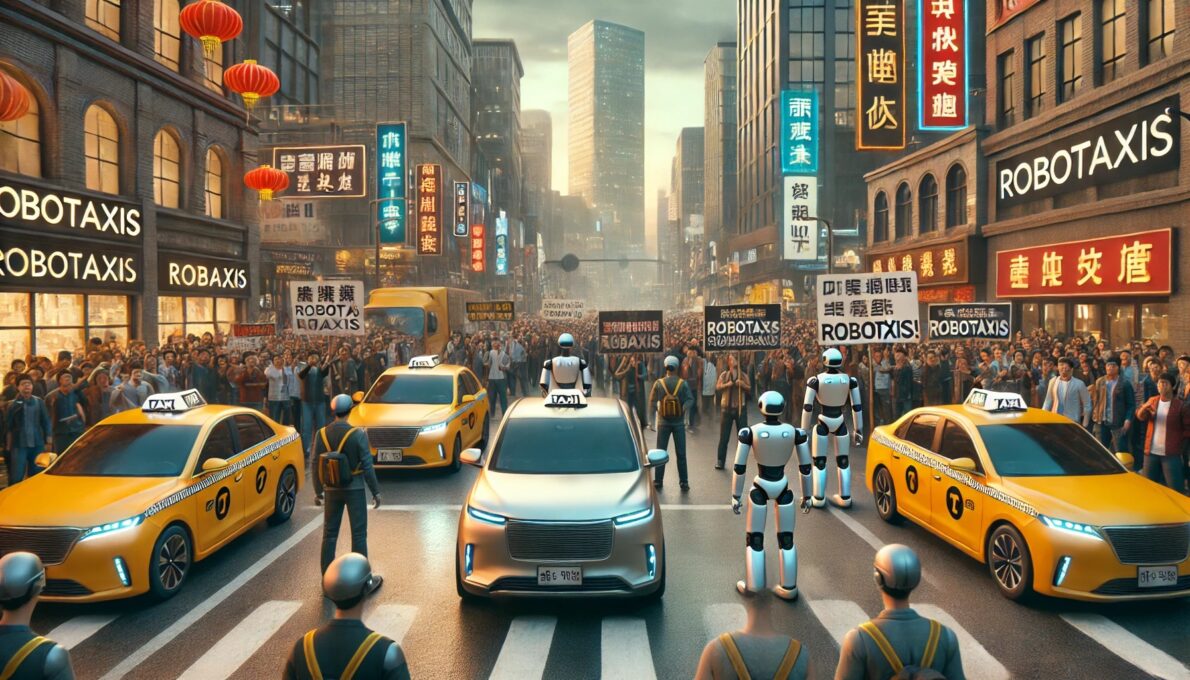
The Introduction of Robotaxis in China Is Generating a Wave of Concern Among Drivers, Who See Their Professions Threatened by Automation. With Alarming Statements Such as “Machines Are Going to Take Our Jobs!”, the Revolt Is Spreading, Raising Doubts About the Future of Work in the Transportation Sector.
The expansion of Artificial Intelligence (AI) in the job market has ceased to be a distant prediction and has begun to concretely impact the lives of many professionals, especially drivers in China. The advancement of robotaxis in China is generating outrage among transportation workers, who accuse these machines of “stealing jobs” and threatening the livelihood of thousands of families. The fear that robotaxis will eliminate their jobs is becoming an increasingly tangible reality, leading to protests and formal complaints.
The Rise of Robotaxis in China: A Real Threat to Drivers?
In recent years, the debate over the impact of AI and automation on the job market has gained momentum, but it often seemed like a distant issue, belonging to an uncertain future. However, in China, that future has arrived, and thousands of drivers are feeling the consequences of the growing popularity of robotaxis in China. These technological innovations, which operate without the need for a human driver, are being viewed as a direct threat to traditional jobs.
Last Tuesday, the 27th, the Chinese government took a significant step by issuing 16,000 test licenses for autonomous vehicles and opening 32,000 kilometers of public roads for these machines to operate.
-
Archaeologists find an intact tomb over 2,500 years old, with more than 100 preserved objects, weapons, jewelry, and human remains never touched.

-
Volcanic lava transforms into threads as fine as human hair that travel over 30 kilometers by wind and fall like cutting rain on roofs and backyards in Hawaii and Iceland.

-
NASA issues a warning for the feared Godzilla El Niño that could change the planet’s climate in 2026 with extreme warming of the Pacific capable of causing devastating droughts in some regions and historic floods in others simultaneously.

-
Archaeologists discover a 100-meter ship graveyard in a submerged Greek city, and what has appeared on the seabed of Libya could change what was known about this ancient port.


In June, Beijing authorized nine national automakers, including giants like BYD and Nio, to test this technology. Wuhan, one of the cities making the most progress in this area, already has around 400 robotaxis operating on its streets, all part of the autonomous transportation platform Apollo Go, from tech giant Baidu.
Why Are Robotaxis Causing So Much Discomfort Among Drivers?
Although robotaxis represent only 1% of the transportation market in Wuhan, their presence is enough to generate significant discomfort among local drivers.
The cost difference between a ride in a robotaxi and a traditional taxi ride is one of the main points of tension. While a 16-minute ride in a robotaxi costs around 10.36 yuan (about R$ 9), the same ride using traditional ride-hailing apps costs double, around 20 yuan.
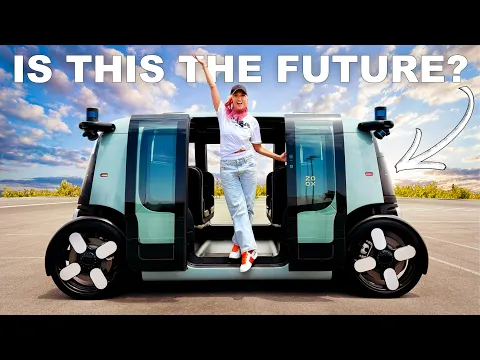

This price difference is causing drivers of traditional taxis and ride-hailing services to lose customers, leading them to file a formal complaint with local authorities. They are asking the government to limit the use of robotaxis or at least equalize prices to ensure a fairer competition. This growing pressure from drivers reflects a deep fear that robotaxis will ultimately take away their jobs, replacing them with machines.
The Transition to the Future: The Impact of Robotaxis in China and Around the World
In light of this situation, transportation and technology experts argue that the transition to the use of robotaxis in China is inevitable, but it will occur gradually. Mohit Sharma, a research analyst at Counterpoint Research, emphasizes that job loss will not be instantaneous, but will happen progressively as urban areas increasingly adopt these autonomous vehicles. “You won’t lose all jobs at once. It will be a slow transition phase, area by area, region by region,” Sharma explains.
The analyst also suggests that governments could collaborate with robotaxi companies to help transition drivers to new jobs, while educational systems must prepare to train the next generations for the so-called “jobs of the future.” These new jobs could include roles such as service technicians, remote assistance operators, mapping specialists, among others.
Jeff Farrah, CEO of the Autonomous Vehicle Industry Association, reinforces that the introduction of new technologies, such as robotaxis, always brings some level of job displacement. However, he notes that these technologies also have the potential to create new jobs, addressing their operational needs and opening up new opportunities for the workforce.
What This Revolt in China Teaches the Rest of the World?
Although the current situation of robotaxis in China is happening in one of the most technologically advanced countries, the lessons learned should serve as a warning to other countries, including Brazil. The inevitable arrival of robotaxis in the global market imposes the need for preparation, both to deal with possible job losses and to seize new opportunities that will arise.
Robotaxis May Still Take Time to Arrive in Brazil, but It Is Certain That Eventually, They Will Become Part of Our Daily Lives. The challenge lies in preparing the economy and society for this change, ensuring that the transition is as painless as possible for workers who depend on the transportation sector to support their families. The revolt of drivers in China is a clear sign that this transition needs to be carefully managed to avoid massive negative impacts.
Robotaxis in China and the Need for Adaptation in the Job Market
The introduction of robotaxis in China represents a significant advancement in transportation technology, but also highlights the challenges that come with automation and AI. Drivers who accuse robotaxis of stealing their jobs are facing a reality that many workers around the world may also confront in the near future.
The key to minimizing the negative impacts of this transition lies in preparation: governments, businesses, and educational systems need to work together to ensure that today’s workers can adapt to the jobs of the future.
Thus, while robotaxis may eliminate some traditional jobs, they also have the potential to create new opportunities. What will determine the success of this transition will be the ability of economies and societies worldwide to adapt. After all, as the experience in China has already shown, the future always arrives, and with it, inevitable changes.








-

Uma pessoa reagiu a isso.