





 Portuguese
  English
  Spanish
 3 min of reading


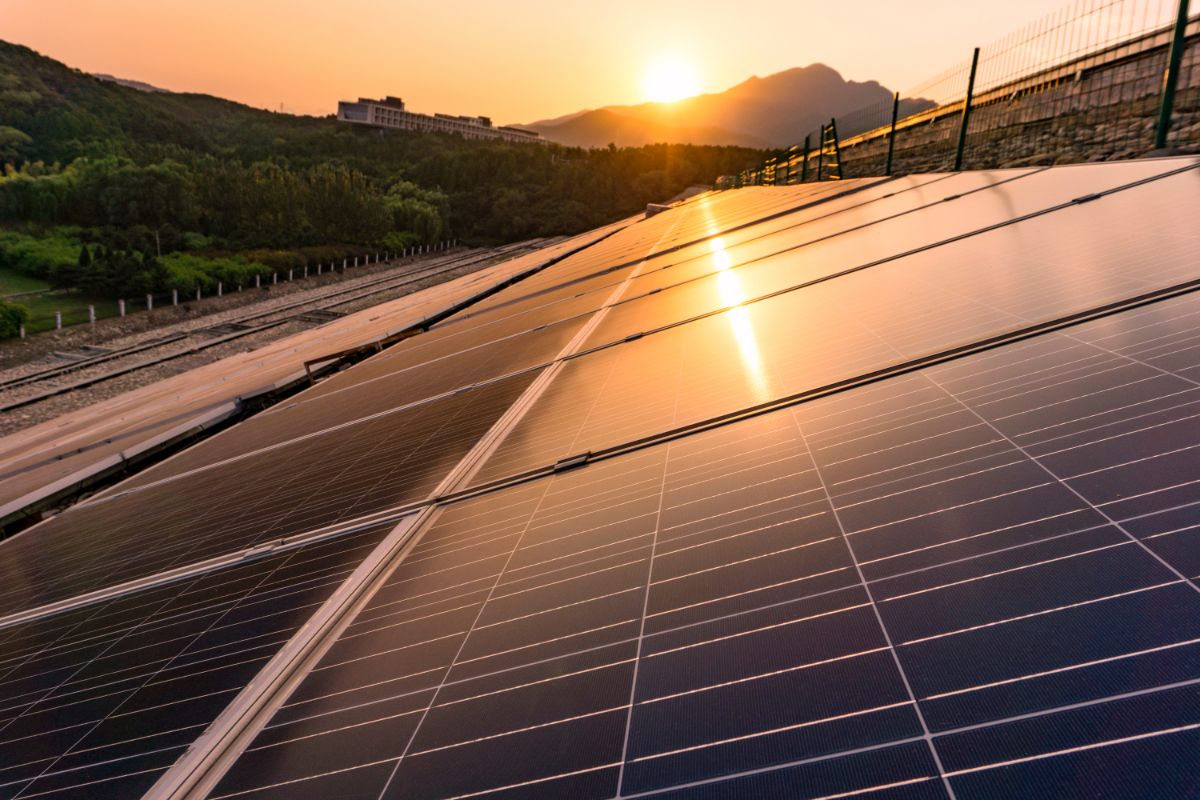
Unique Discovery Could Expand Solar Energy Generation Even After Sunset
Researchers around the world have been tirelessly working to create technologies that maximize solar energy collection. Recently, scientists developed a revolutionary solar panel capable of continuing to collect energy even after sunset. This technology may arrive in Brazil in the coming years and generate jobs, as well as investments.
The new solar panel was developed by Ohio University and can collect solar energy during the day. Additionally, it can store this energy in a thermal device. From there, the energy will be used to power the home’s electrical needs during the night. Keep reading to learn more!
Learn More About How Solar Energy Is Generated With The Video Below


New Discovery Will Encourage Use Of Solar Panels And Also Increase Employment Opportunities For Engineers In The Field
This advance represents a significant step in the solar energy industry and could have major implications for reducing reliance on fossil fuels. The technology could also be used in remote areas where the power grid is unavailable or too expensive to implement.
-
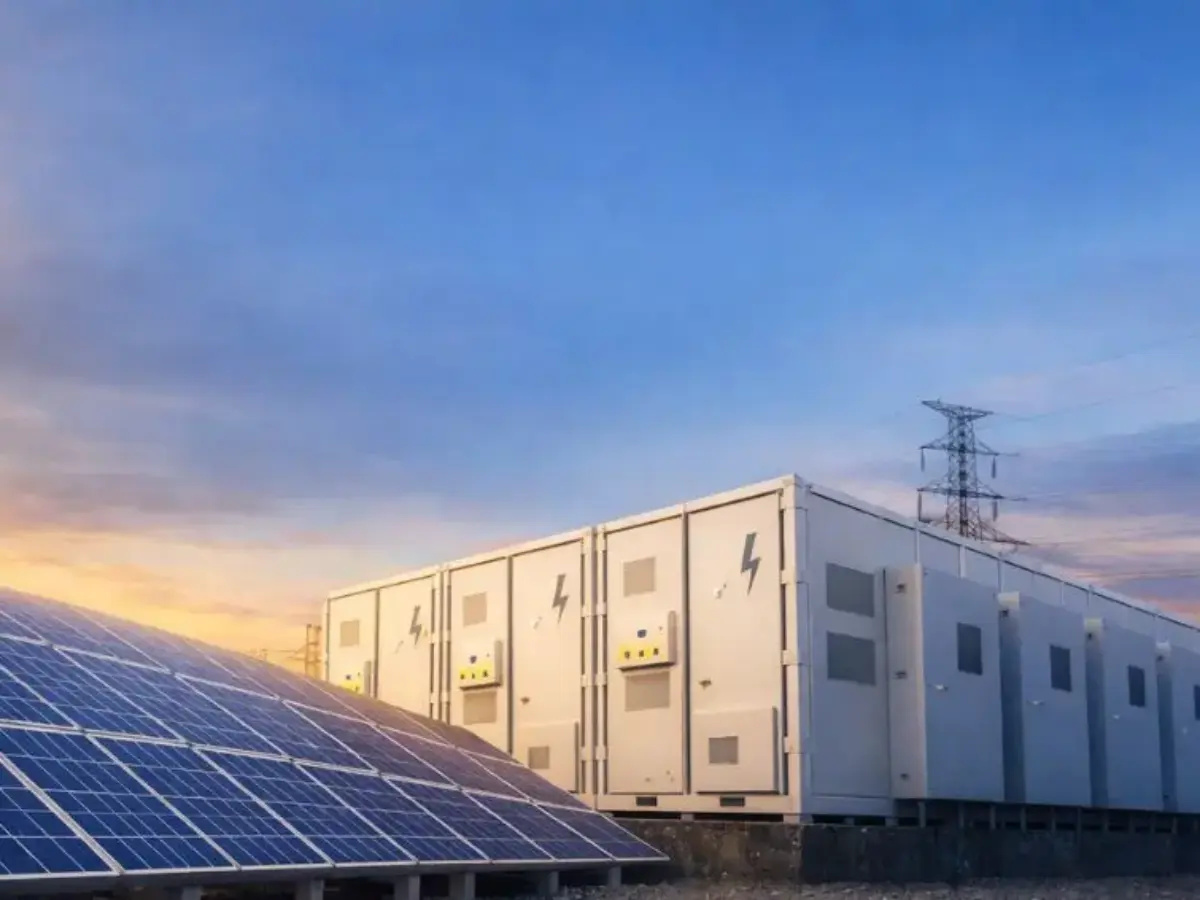
Revolution in the electric sector: ANEEL approves the operation of the first BESS project co-located with a solar plant in Brazil to stabilize the grid and optimize renewable generation in 2026.
-
Sustainable culture in motion: Cine Céu travels through Brazilian cities and promotes free and clean entertainment through the use of solar-powered cinema.

-
New boat with hybrid technology and solar energy stands out by increasing autonomy at sea and reducing consumption, consolidating the innovative proposal of Greenline Yachts in the nautical sector.

-
Solar energy gains strength with the Barro Alto solar complex, which increases renewable energy production in Brazil, creates jobs, strengthens the clean matrix, and transforms the electric sector with innovation and sustainability.
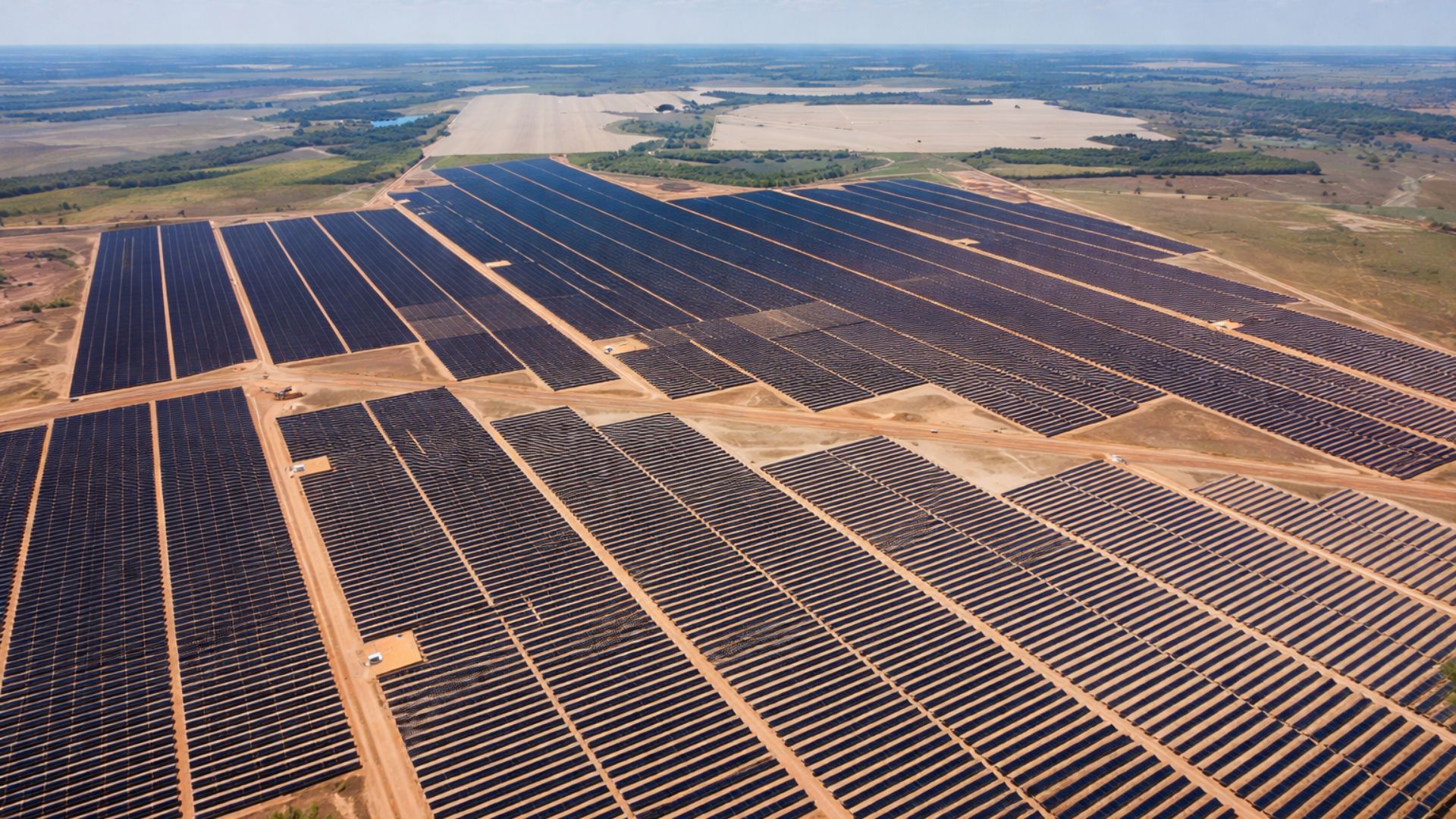
In addition to its environmental benefits, the solar panel innovation could bring many job opportunities. With the increasing demand for energy, the industry is always on the lookout for engineers and scientists to develop increasingly efficient technologies.
Solar energy is a clean, renewable, and sustainable source that has become more accessible and popular worldwide. Brazil, in particular, has great potential for solar energy given its privileged geographic location.
However, the country still has a long way to go to increase its usage. Currently, the solar energy industry in Brazil is still small but growing. Rio Grande do Sul, for example, is one of the main producers in the country.
With the innovation of the solar panel that collects energy even after sunset, it is possible that the solar energy sector in Brazil and Rio Grande do Sul will grow even further. This could boost the economy and create jobs, as well as help reduce dependence on fossil fuels and lower greenhouse gas emissions.
Solar Energy In Brazil Is A Sector That Grows More Every Day
According to the Brazilian Association of Photovoltaic Solar Energy (ABSOLAR), the installed capacity in Brazil surpassed the mark of 11 gigawatts (GW) in 2022, which represents an increase of 84% compared to 2021. The adoption of the technology by small and medium residential consumers was what drove the expansion.
Additionally, ABSOLAR projects that the installed capacity in Brazil should reach 25 GW by 2025, representing an increase of over 100% compared to 2022. This forecast is based on the growing interest of large companies and governments in adopting renewable energy sources.
Still according to ABSOLAR, photovoltaic solar energy is already responsible for over 150,000 jobs in Brazil. These are distributed among direct and indirect jobs, and this number is likely to grow even more in the coming years.
Furthermore, the entity states that solar energy can be an important tool for reducing social and regional inequalities in the country. After all, remote areas can receive the installation of this type of energy, benefiting communities that still lack access to the conventional power grid.
In light of this scenario, it is possible to affirm that this renewable source is increasingly present in Brazil and should continue to grow in the coming years. Thus, it will drive job creation and contribute to the reduction of greenhouse gas emissions.







Seja o primeiro a reagir!