Portuguese
  Spanish



Geological Data Analysis Indicated That The Pitu Region May Have Oil Reserves With Great Potential
Petrobras, the Brazilian state-owned oil company, recently announced that it will begin oil exploration in the Pitu region, located in the Potiguar Basin in Rio Grande do Norte. However, the expectation is that the region has large oil reserves, which could be excellent news for the company and the country.
Petrobras’ decision to explore the Pitu region is the result of a careful analysis of geological and geophysical data. According to the company, the region has geological characteristics that suggest the presence of oil in significant quantities. Petrobras also highlighted that the exploration of Pitu is part of its strategy to expand its oil and natural gas reserves in the country. Continue reading to learn more.
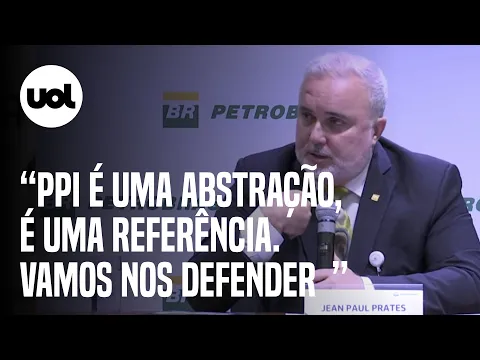
Petrobras Advocates Competitive Pricing Policy, and Exploration of New Wells Contributes to This. Check Out More in the Video Below

Exploration in The Rio Grande do Norte Region by Petrobras Has Major Challenges Ahead
Oil exploration is a complex activity that involves various risks and challenges. In the case of Pitu, Petrobras will have to face challenging geological and environmental conditions, such as the presence of deep waters and the need to preserve the region’s biodiversity. Therefore, the company will need to adopt strict safety and environmental protection measures to ensure the sustainability of the operation.
-
Oil production grows in Rio, but reserve replacement raises a warning sign

-
Petrobras is expected to complete the drilling of the Morpho well in the Foz do Amazonas in August 2026, the first well in the Equatorial Margin, an oil frontier that the ANP estimates at more than 30 billion barrels and could redraw the map of Brazil.

-
Oil returns to the center of concerns with tension between the US and Iran

-
IEA reduces forecast for global oil demand in 2026 after impacts of the Middle East crisis



Additionally, oil exploration in the Pitu region may bring positive impacts to both the local and national economy. Oil production is one of the main sources of revenue for the country, contributing to job creation, increased tax revenue, and strengthening the trade balance. Petrobras, as one of the leading companies in the sector, plays a fundamental role in the development of the oil industry in the country.
However, it is important to emphasize that oil exploration is an activity that generates controversy, especially concerning environmental impacts. Thus, Petrobras must pay attention to the concerns of civil society and adopt measures for mitigating and compensating environmental impacts. Furthermore, it should engage in dialogue with local communities and other stakeholders involved in the operation.
Exploration of The Region Requires A Billion-Dollar Investment
The Pitu area is located 60 km from the coast of Rio Grande do Norte. This concession is part of the Equatorial Margin and requires investments of about US$ 3 billion over the next five years. The area is currently in the process of renewing its environmental license with Ibama for drilling its third well. However, the first well was drilled in 2014, revealing abundant oil and gas, and the second well in 2015 confirmed its potential.
Oil exploration in the Pitu field is one of the possible activities to keep Petrobras in Rio Grande do Norte regarding oil exploration. After all, the state-owned company initiated the process of selling all of its interests in a set of 26 concessions for onshore and shallow water production fields in the Potiguar Basin in 2020.
In summary, Petrobras’ decision to explore the Pitu region in search of oil can be seen as an opportunity for both the company and the country. However, it involves challenges and responsibilities.
In this sense, the oil exploration is a strategic activity for the Brazilian economy, but it must also be conducted with environmental and social responsibility. With a successful operation in Pitu, Petrobras could further strengthen its position in the oil and natural gas market. In this way, it contributes to the sustainable development of the country.