






 Portuguese
  Spanish


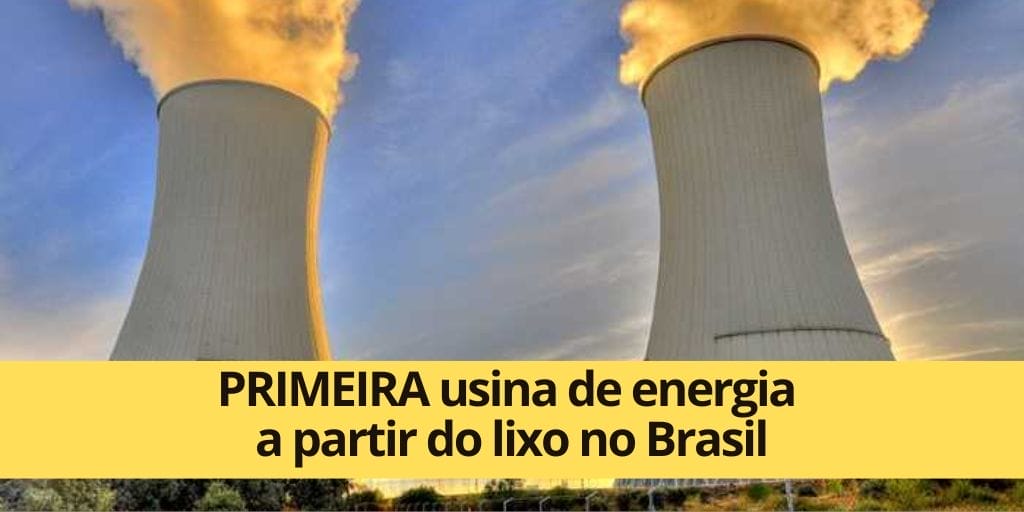

Brazil Should Have, In The Coming Years, A Plant Capable Of Generating Energy From Waste. At Least That Is What Two Brazilian Companies Promise.
According to an announcement made on Tuesday (18), WEG will provide essential equipment for the waste-to-energy generation plant, an innovative project by Orizon which will start operations in 2027.
According to the news agency Reuters, the contract, the value of which remains confidential, stipulates that WEG will supply a 20-megawatt (MW) turbo generator set.
This set, according to the cited source, includes a condensation steam turbine with reaction technology, a turbo reducer, and a synchronous generator of the ST 41 line.
-
Brazil to Hold First Auction for Batteries to Store Solar and Wind Energy from the Northeast

-
Brazilian scientists are simultaneously advancing two research projects on clean hydrogen and driving solutions that could transform the energy matrix, enhance industrial competitiveness, and accelerate large-scale emission reduction targets.

-
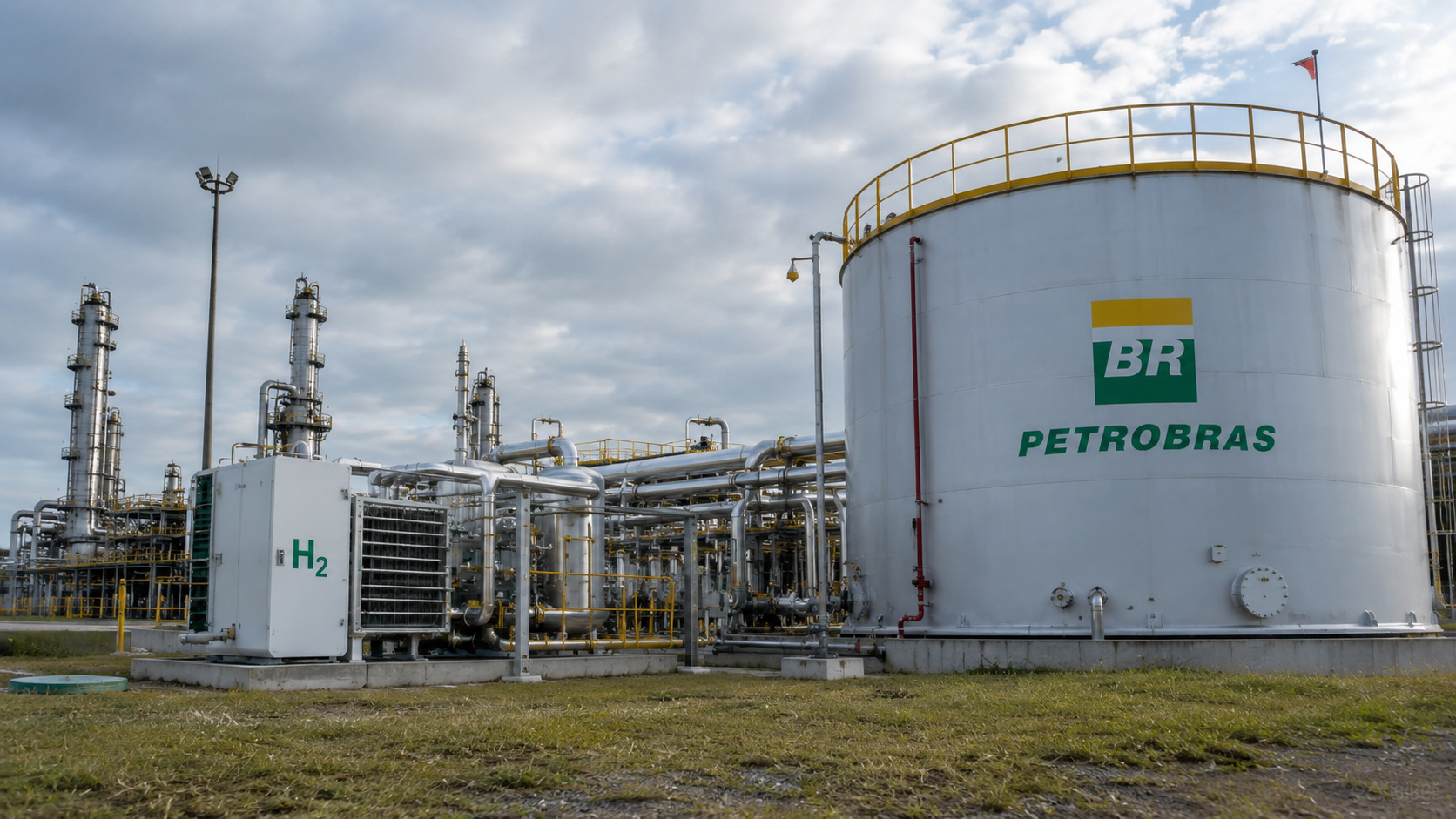
Advancement in renewable energy: A R$ 150 million project launched by Petrobras and Finep aims to create state-of-the-art electrolyzers for green hydrogen, strengthening national research and preparing Brazil to compete in a billion-dollar energy market.
-
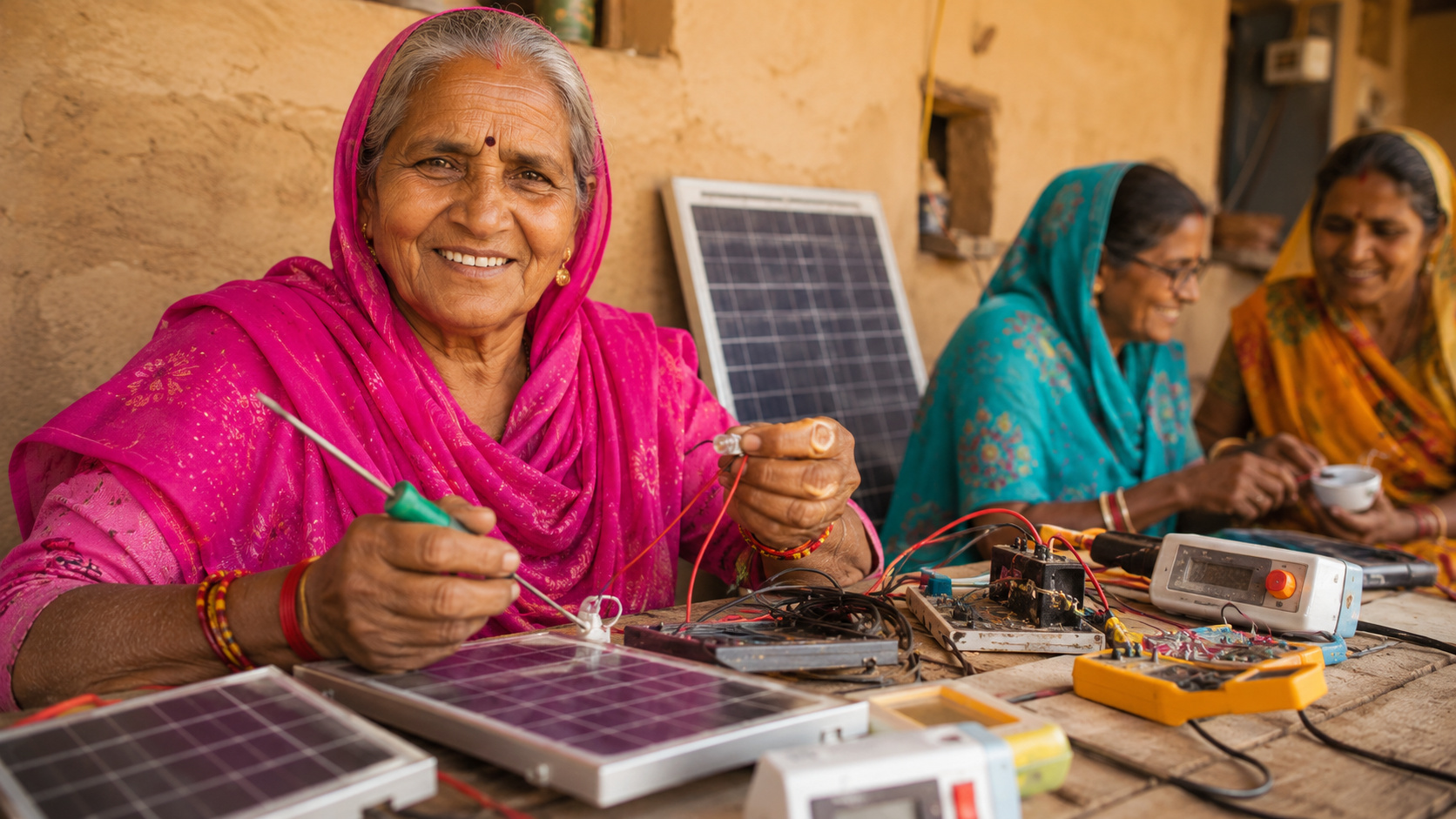
Illiterate or semi-literate grandmothers were trained to repair solar systems, open rural workshops, and light up homes that still depended on kerosene.
In addition, WEG will provide a hydraulic unit, panels with protection and control systems, as well as other complementary services.
The production and installation of the equipment will be carried out at WEG facilities in Jaraguá do Sul, Santa Catarina, and Sertãozinho, a city located in the interior of São Paulo. These equipment will be installed at the Orizon plant by the company Interunion.
Turning Waste Into Energy
The Orizon plant was contracted through an auction held by the government in 2021 and is classified as a Waste-to-Energy Unit (URE).
The unit will be responsible for processing solid waste collected in the municipalities of Barueri, Carapicuíba, and Santana do Parnaíba, all located in the metropolitan region of São Paulo.
This solid waste will serve as raw material for the plant’s boilers, which will convert waste into electricity. Overall, the unit will have a capacity of 20 MW, enough to supply approximately 320,000 people annually.
Start Of Plant Operations
In an interview with the news agency Reuters, Milton Pilão, CEO of Orizon, emphasized that the unit will start operations in January 2027 and will help in the proper disposal of waste, “especially in a densely populated area.”
On the other hand, Paulo Sinoti, director of WEG Energy, highlighted the pioneering nature of the project and reinforced WEG’s commitment to contributing to a more efficient and sustainable world.
For experts, this initiative not only promotes proper waste management in a heavily populated area but also represents a milestone in renewable energy generation in Brazil.
In this sense, it is understood that Brazil can come to be considered one of the countries with the greatest expertise in energy recovery technologies, reaffirming the commitment of companies and the country itself to sustainability and technological innovation.
For Orizon, the unit developed by the company will be an example of how waste can be transformed into a valuable source of energy.
In this regard, the expectation is that the technology will become a viable and sustainable alternative for urban waste management, reducing dependence on landfills and promoting clean energy generation.
National Project
The two companies involved in the construction of the plant are Brazilian. The first, WEG, was founded in 1961 and is now one of the largest manufacturers of electrical equipment in the world.
The company provides its customers with electric motors, generators, transformers, and automation and control equipment, being known for its technological innovation and commitment to sustainability.
Meanwhile, Orizon Waste Recovery focuses on the management and recovery of solid waste. According to the company, its goal is to turn waste into resources.
Because of this, the organization develops innovative solutions for the proper disposal of urban and industrial waste, investing in cutting-edge technologies to promote sustainability and the circular economy.






Estão atrasados, a verdadeira primeira URE, será inaugurada em São João da Boa vista no estado de São Paulo, pela entrega MITIMA, essa unidade irá transformar os Resíduos Sólidos Urbanos em Energia Elétrica, Diesel S5, produzirá (cultivará) com o sequestro de carbono 8 mil toneladas de alimento por ano, são será emitido nada para atmosfera.
Vão usar o Lula como combustível. Lixo.