





 Portuguese
  English
  Spanish
  3 min of reading
  0 comments


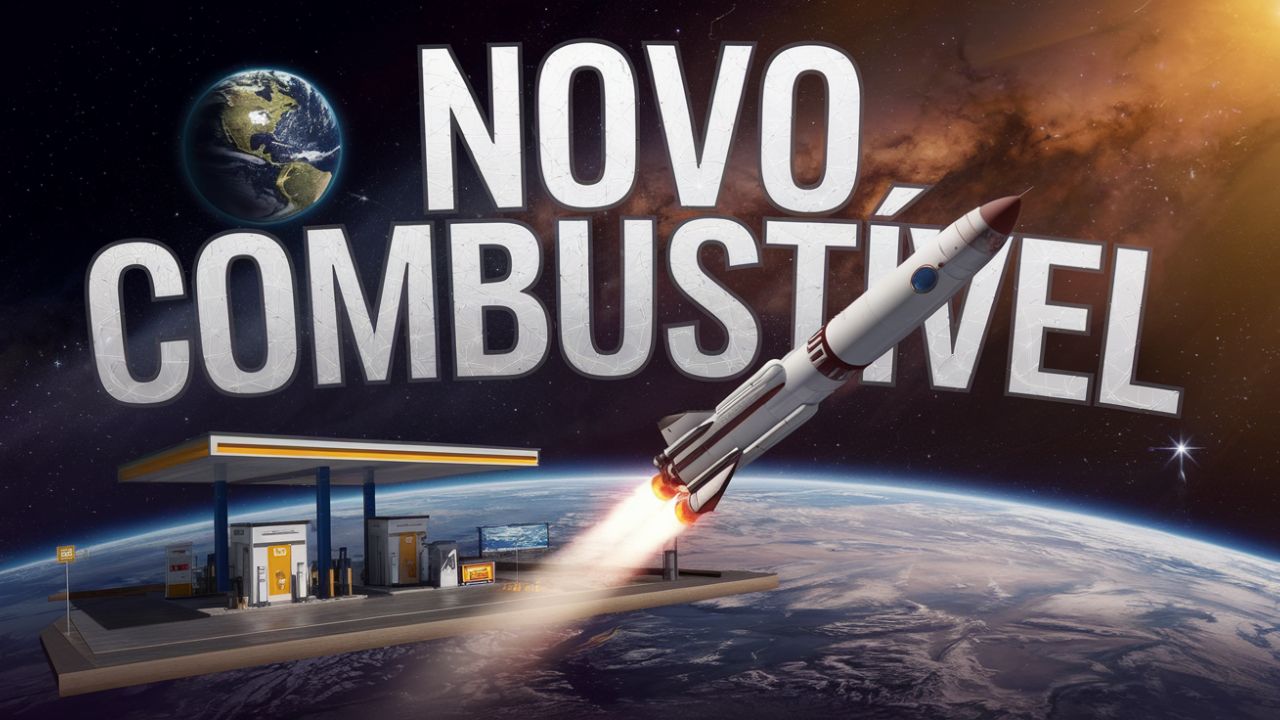
With Resistance to Temperatures of Up to 2,726 °C and Three Times the Efficiency of Chemical Rockets, the New Nuclear Fuel Promises to Revolutionize Space Missions to the Moon, Mars, and Beyond.
When you think of space travel, it’s easy to imagine powerful rockets cutting through the skies. But did you know that chemical rockets, which took us to the Moon, have already reached their limits? With the advancement of technology, a new promise emerges: nuclear thermal propulsion, which now has a new fuel capable of withstanding extreme conditions.
This advancement could change the course of space exploration, allowing faster, more efficient, and safer missions. But how does this innovation work? Let’s understand!
Nuclear Thermal Propulsion

The concept of nuclear thermal propulsion, or NTP, is not new. It was conceived back in 1945, but only now have technological advancements made it feasible. The idea is simple: instead of burning chemical fuel, a nuclear reactor heats a gas, such as hydrogen, to generate thrust.
-
Mongol ship sunk 745 years ago emerges in excavations with sword, arrows, and relics from the 1281 invasion of Japan, destroyed by the first “kamikaze” in history.

-
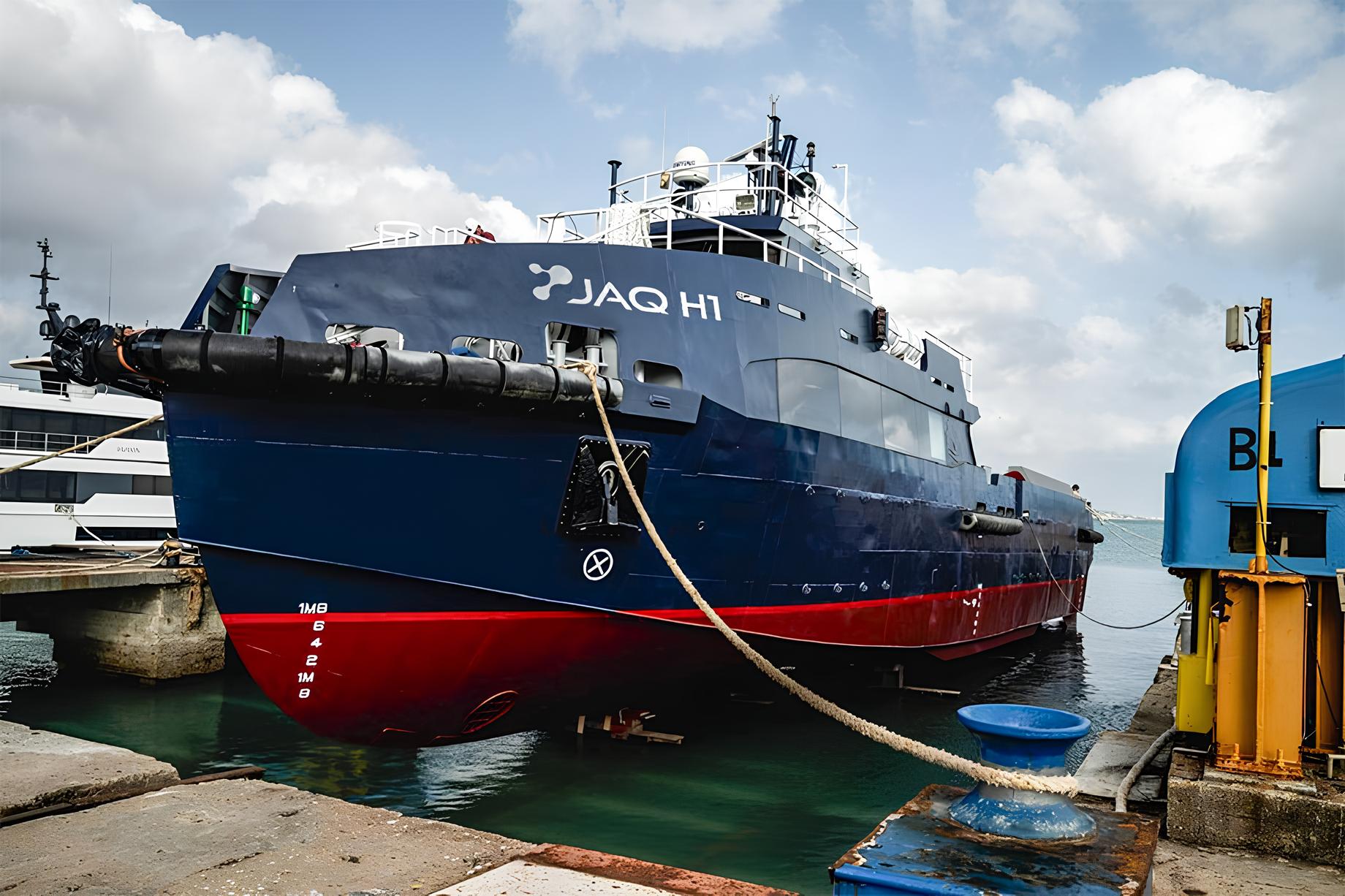
Brazil develops a 50-meter boat capable of producing its own fuel at sea by transforming water into green hydrogen through electrolysis; this unprecedented project seeks energy autonomy and could redefine naval propulsion.
-
The Arctic is shrinking and in March 2026 recorded only 14.3 million km² of ice at the peak of winter, one of the lowest levels since 1979, reducing the planet’s ability to reflect heat and accelerating global warming.

-
The waste that can double a household’s water bill is not in the faucet or the shower; it happens hidden within the walls and can go unnoticed for months, according to sanitation experts.


Why is this important? Chemical engines, although efficient, have limitations in terms of power and range. Nuclear thermal propulsion promises to be two to three times more efficient than any existing chemical rocket. This means faster trips and greater payload capacity for space missions.
The New Nuclear Fuel
To enable NTP, it was necessary to overcome a crucial challenge: creating a fuel that could withstand the extreme conditions of the reactor. Imagine temperatures exceeding 2,326 °C and the presence of highly reactive superheated hydrogen. Any conventional fuel would break under these conditions.
This is where the innovative work of General Atomics Electromagnetic Systems (GA-EMS) comes in. During tests conducted at NASA’s Marshall Space Flight Center, the new fuel demonstrated incredible resistance, surviving extreme heat and vibrations without degradation.
Extreme Temperatures and Superheated Hydrogen Gas
The tests were impressive: the fuel faced temperatures of up to 2,726 °C, simulating exactly what a nuclear engine would encounter on a real mission. The material underwent thermal cycles and withstood direct contact with superheated hydrogen for 20 minutes.
According to Dr. Christina Back, vice president of GA-EMS, these results are proof that we are ready for an NTP system that not only works but is also safe and efficient.
Implications for the Future of Space Missions
With a nuclear engine operating with this new fuel, many limitations of space travel can be overcome. Imagine spacecraft capable of going from Earth to the Moon in record time, or crewed missions to Mars with much shorter timelines.
This technology could allow rapid orbital changes, something essential for exploration or defense missions. In other words, the sky (or rather, space) is the limit!







-

-

-

-

17 pessoas reagiram a isso.