





 Portuguese
  English
  Spanish
  3 min of reading
  12 comments


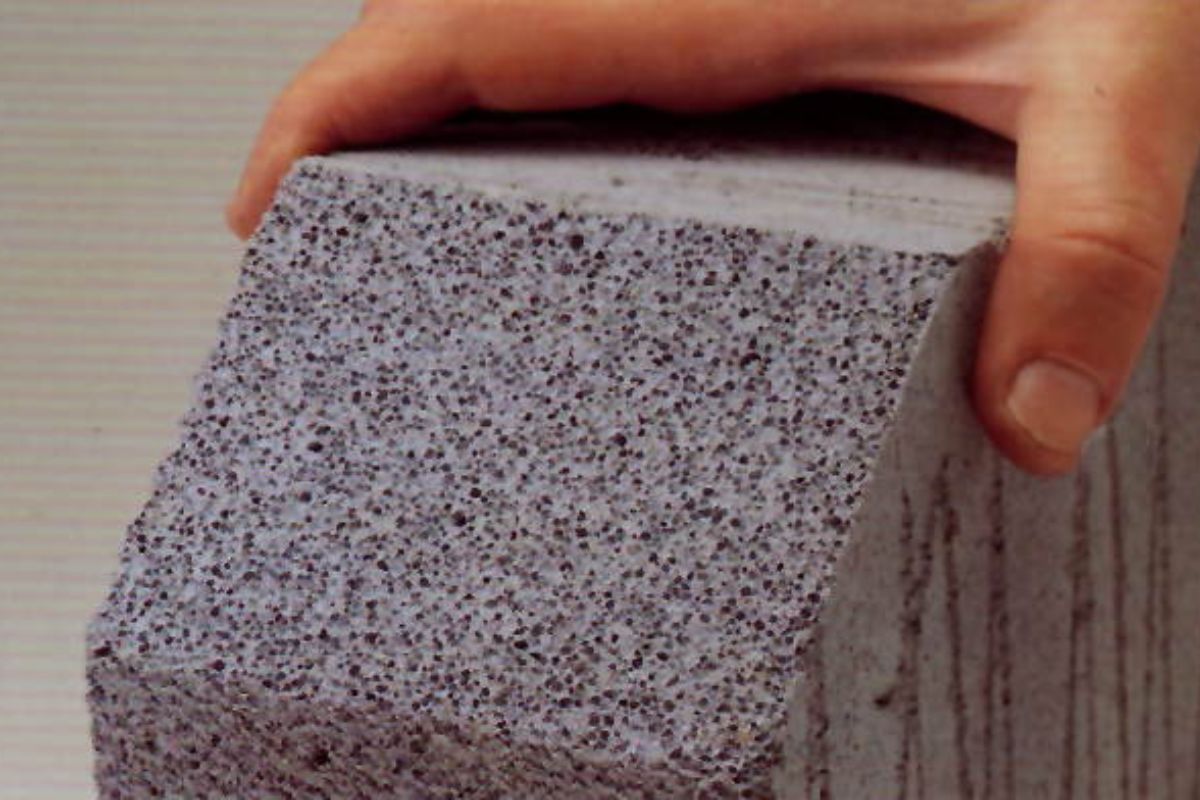


AirCrete, The Aircrete That Transforms Construction: Fireproof, Waterproof, and Insulating, 10 Times Cheaper. Innovate with Efficiency and Sustainability
Conventional concrete is very polluting: it is responsible for 8% of global emissions! In the search for a substitute, many alternatives have been developed. Now we know about AirCrete, a spongy mixture of air bubbles and cement that is cheap to produce, easy to make, and has the essential protective properties needed for construction.
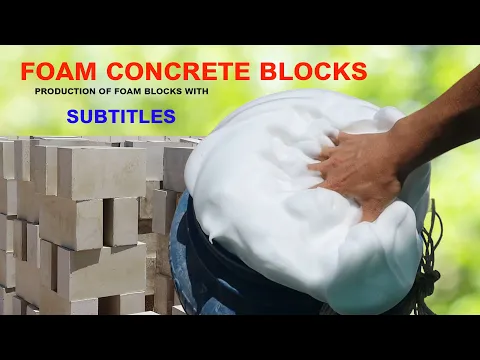

The Innovative Construction with AirCrete
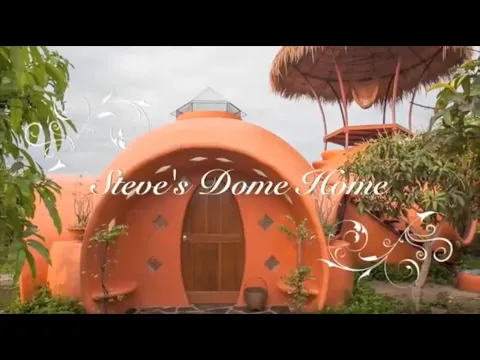
Hajjar Gibran had the idea of building houses with AirCrete, and DomeGaia turned it into reality. The AirCrete mixture is a lightweight, low-cost building block that is fireproof, waterproof, insect-proof, and serves to insulate the structure.
AirCrete reduces construction costs by 10 times and is an easy material to work with for single-story homes. It dries overnight and can be shaped into the desired form.
-
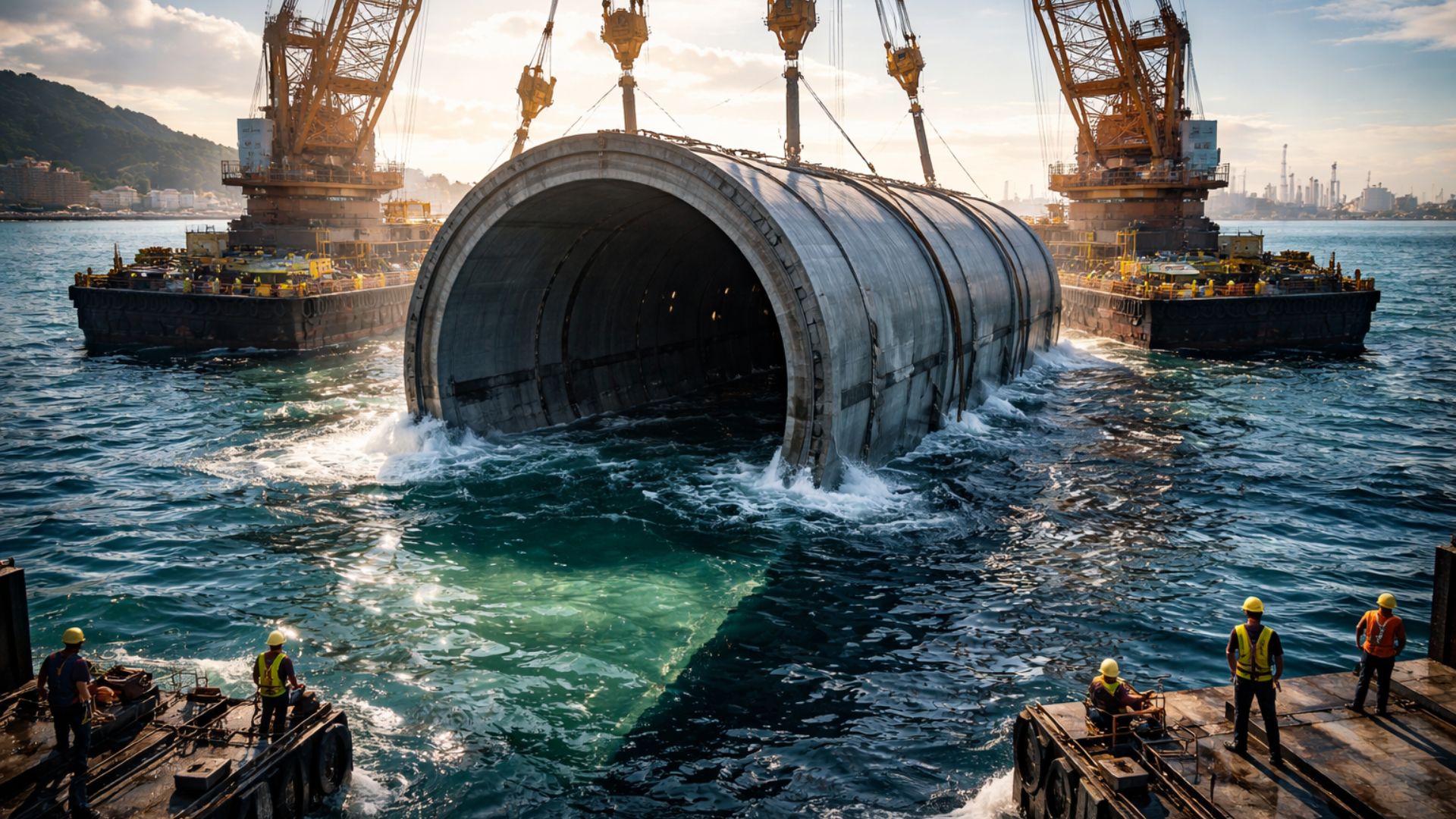
The government opens the vault and deposits R$ 2.6 billion for the construction of Brazil’s first underwater tunnel, with a length of 1.5 km, 870 m under the sea, a total project cost of R$ 6.8 billion, and a 30-year concession.
-
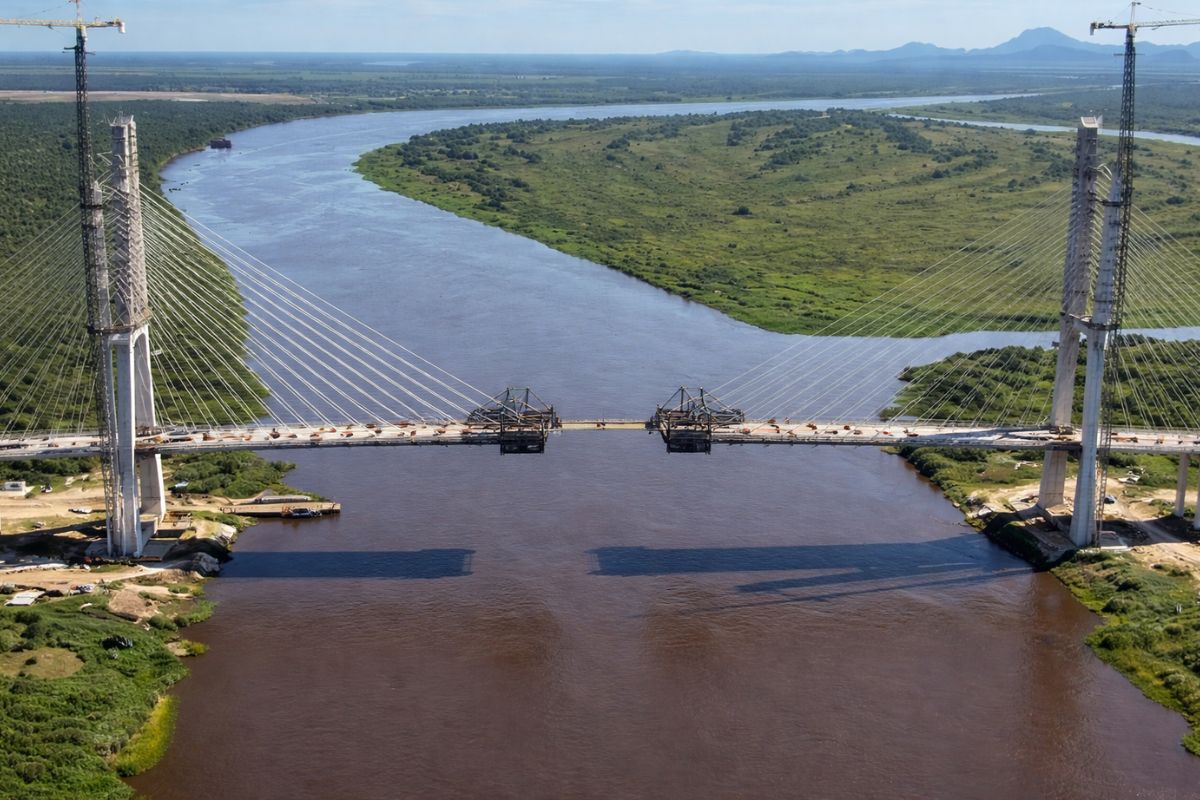
Only 46 meters remain for Brazil and Paraguay to connect via the Bioceanic Route bridge, the project that will link the Atlantic to the Pacific by land and change the logistical map of four countries in South America.
-
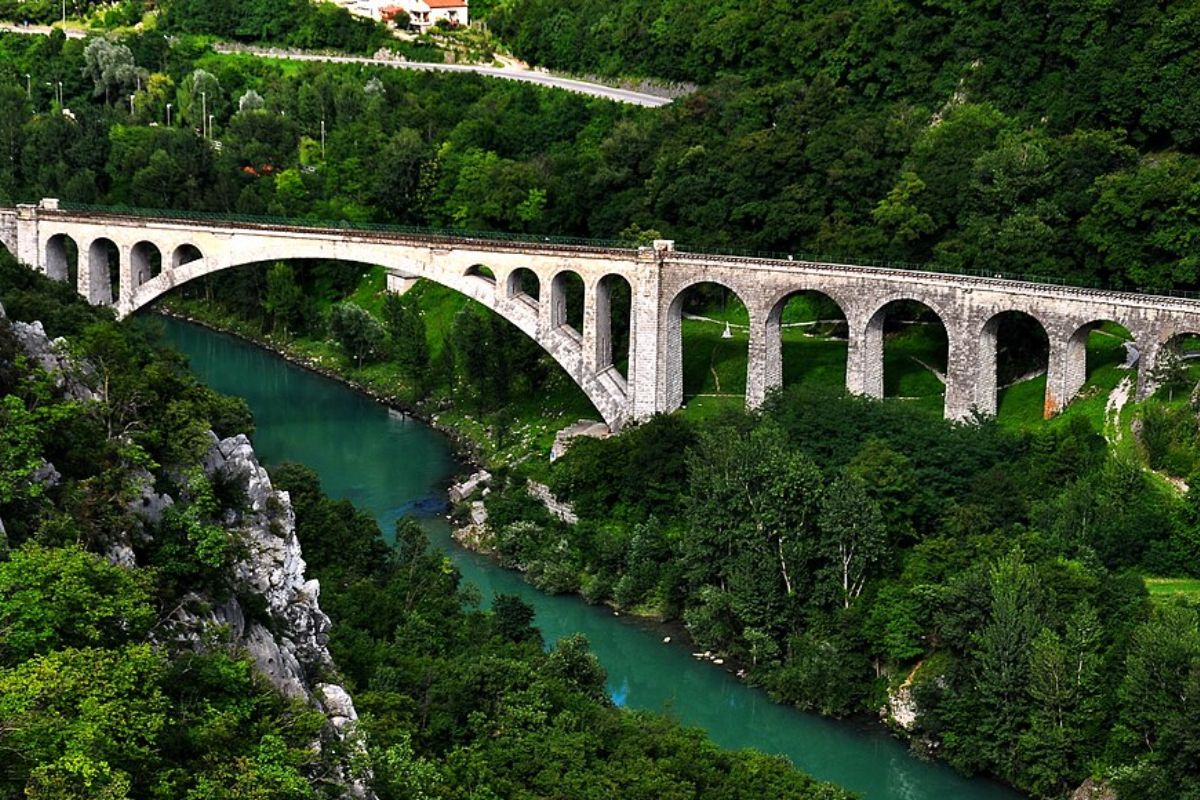
The bridge that holds the largest stone railway arch in the world: built over 100 years ago, destroyed in the war, and rebuilt to continue operating to this day, it still carries trains over the Soča River in Slovenia.
-
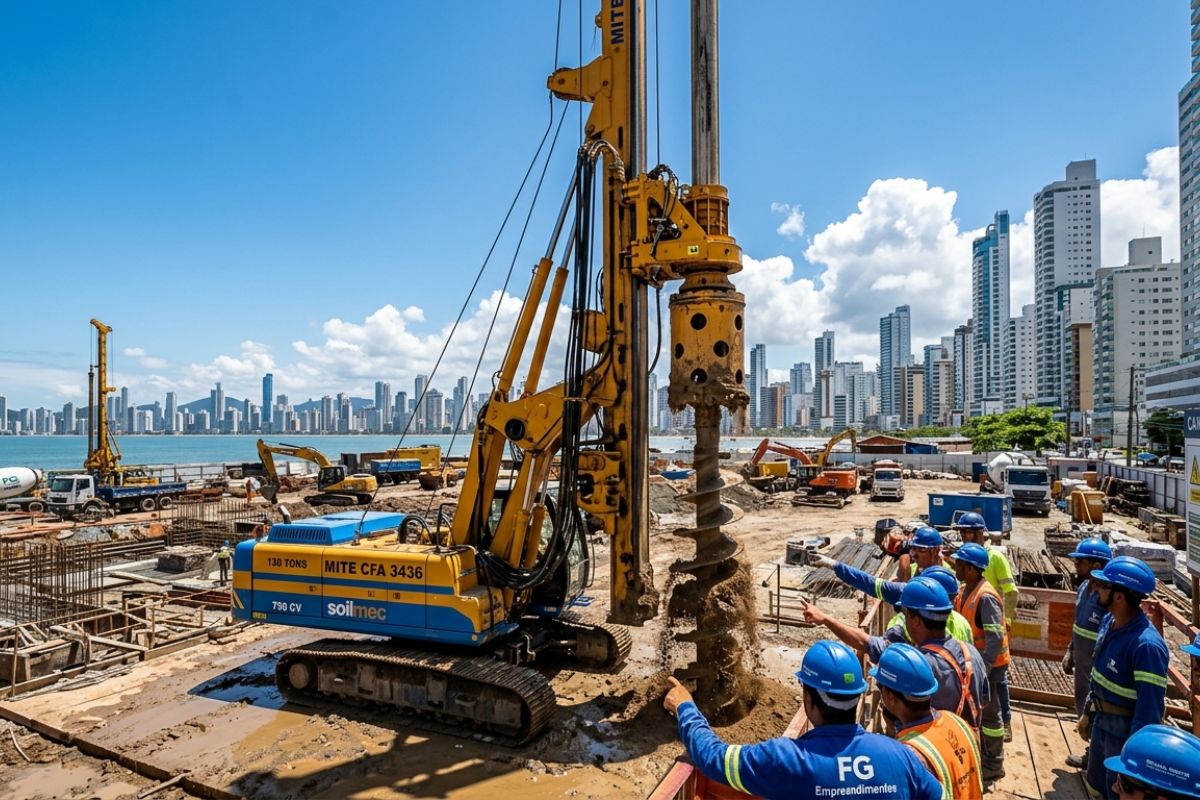
Italian giant of 130 tons arrives at the Senna Tower construction site and accelerates foundations: Mite CFA 3436 drills up to 50 m, 750 hp engine, investment of R$ 20 million, unique in Latin America.

The dome structure is very energy-efficient, as it envelops the house with minimal material and keeps it warm, unlike traditional homes, where 40% of energy loss occurs at thermal bridges where beams, floors, and roofs meet the outer walls.
It is also the strongest structural form to protect against natural disasters, earthquakes, hurricanes, tornadoes, wildfires, floods, and volcanic eruptions.
AirCrete Construction Technology
The main key to DomeGaia’s AirCrete is the foaming agent that works by suspending small air bubbles in the cement mixture. A continuous foam generator disperses a mixture of the foaming agent (like a “highly foaming” all-natural dish detergent) into the cement mixture and continues to mix.
This eliminates the need for aggregates, gravel, sand, or rock, which are expensive, take up space on the site, require heavy equipment for transportation, and are labor-intensive.
An eco-friendly alternative for durable, moldable, safe, respectful, scalable, and sustainable concrete construction.
How Concrete Is Produced and Why It Is So Polluting
Concrete is a mixture of cement, water, aggregates (like gravel and sand), and sometimes additives that modify some of its properties. Below is an explanation of the concrete production process and the reasons why its production can be considered polluting:
Concrete Production
- Raw Material Extraction: Concrete production begins with the extraction of raw materials to make cement, primarily limestone, clay, shale, and other components.
- Cement Production:
- Crushing: The raw materials are crushed into smaller sizes.
- Mixing and Grinding: The crushed raw materials are mixed and ground into a fine powder called “raw mix.”
- Heating: The raw mix is heated in a rotary kiln at temperatures up to 1450°C to produce “clinker.”
- Final Grinding: The clinker is cooled and then ground together with gypsum and other additives to produce cement.
- Mixing:
- Cement is mixed with water, aggregates, and, if necessary, additives.
- This mixture is known as concrete. It can be prepared at a ready-mix concrete plant or directly on the construction site.
Why Is It Considered Polluting?
- CO2 Emissions: Cement production is responsible for approximately 8% of global CO2 emissions. The decarbonization of limestone (transformation of CaCO3 into CaO releasing CO2) during the heating process is a major source of these emissions.
- Natural Resource Consumption: The extraction of aggregates can have a negative impact on the environment by destroying habitats, altering landscapes, and consuming non-renewable resources.
- Energy Consumption: Cement production is energy-intensive, especially the heating process.
- Waste: Concrete production generates waste, including dust and particles released into the air, which can have negative impacts on human health and the environment.
- Urban Heat Island: Concrete surfaces contribute to the “heat island” phenomenon in urban areas, increasing local temperatures and potentially requiring greater use of air conditioning.
- Alteration of the Hydrological Cycle: Concrete surfaces seal the soil, increasing runoff and reducing water infiltration into the soil, affecting hydrological cycles and increasing the risk of flooding.
Given these environmental concerns, there are efforts in the construction industry to develop more sustainable alternatives and improve the efficiency of concrete production processes. This includes the use of low-carbon cements, recycling materials, and incorporating clean technologies.
Source: DomeGaia







Aqui no Brasil, chega mais barato e quando o povo começa a usar o preço sobe igual aos outros. Ao invés do pobre economizar 90%, o rico ganha 800%! Igual acontece com remédio genérico, carros, etc
Nao entendi, o que foi dito e que o uso do ar/bolhas dispenca uso agregados e nao do cimento que o causador das emissoes de co2. Alguem sabe como este novo aircrete reduz as emissoes de co2?
Tem que colocar o “grande inovador”que chama essa espuma de concreto, que não é novidade nenhuma pois essa tecnologia existe a mais de 90 anos, em uma “revolucionária” casa domo e se sujeitar aos desastres naturais, terremotos, furacões, tornados, incêndios florestais, inundações e erupções vulcânicas. Depois ele volta aqui para contar sua experiencia de sobrevivencia…