





 Portuguese
  English
  Spanish
  6 min of reading
  0 comments


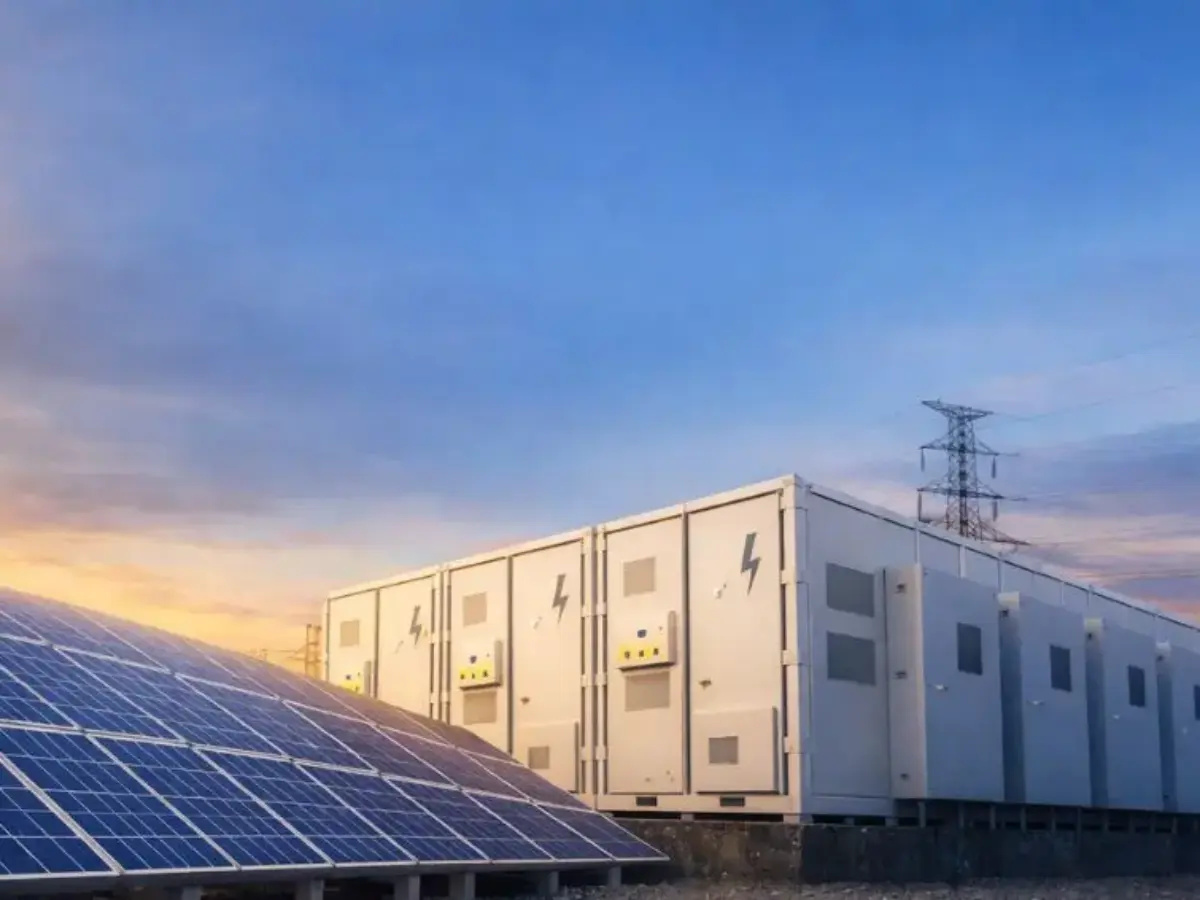
The National Electric Energy Agency (ANEEL) granted the official authorization for the operation of the first BESS project in conjunction with a photovoltaic plant, allowing energy storage in batteries to maximize solar utilization and reduce electricity waste in the National Interconnected System (SIN).
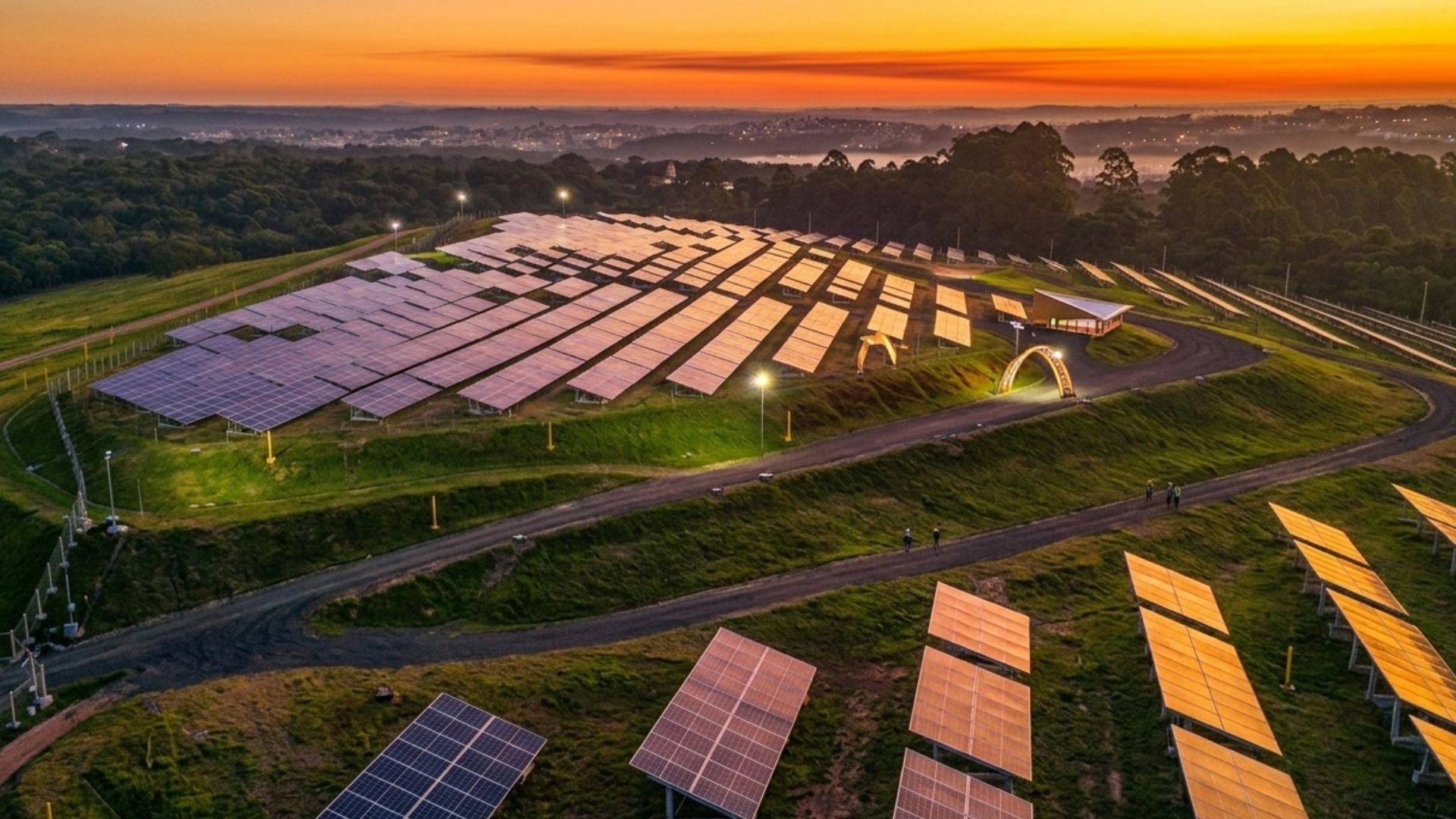
The Brazilian energy sector reaches a historic milestone with the approval of the first BESS project (Battery Energy Storage System) operating co-located with a solar photovoltaic plant. ANEEL has authorized the commercial operation of this innovative system, which uses high-performance batteries to store excess energy generated during peak solar radiation.
This technology allows the plant to inject electricity into the grid during peak demand times or at night when solar generation naturally ceases. Co-location means that the batteries and solar panels share the same connection infrastructure, reducing logistical costs and increasing operational efficiency.
By 2026, this advancement represents the definitive solution to “curtailment,” a common problem where plants stop producing because the grid cannot absorb all the energy at that moment.
-
Sustainable culture in motion: Cine Céu travels through Brazilian cities and promotes free and clean entertainment through the use of solar-powered cinema.

-
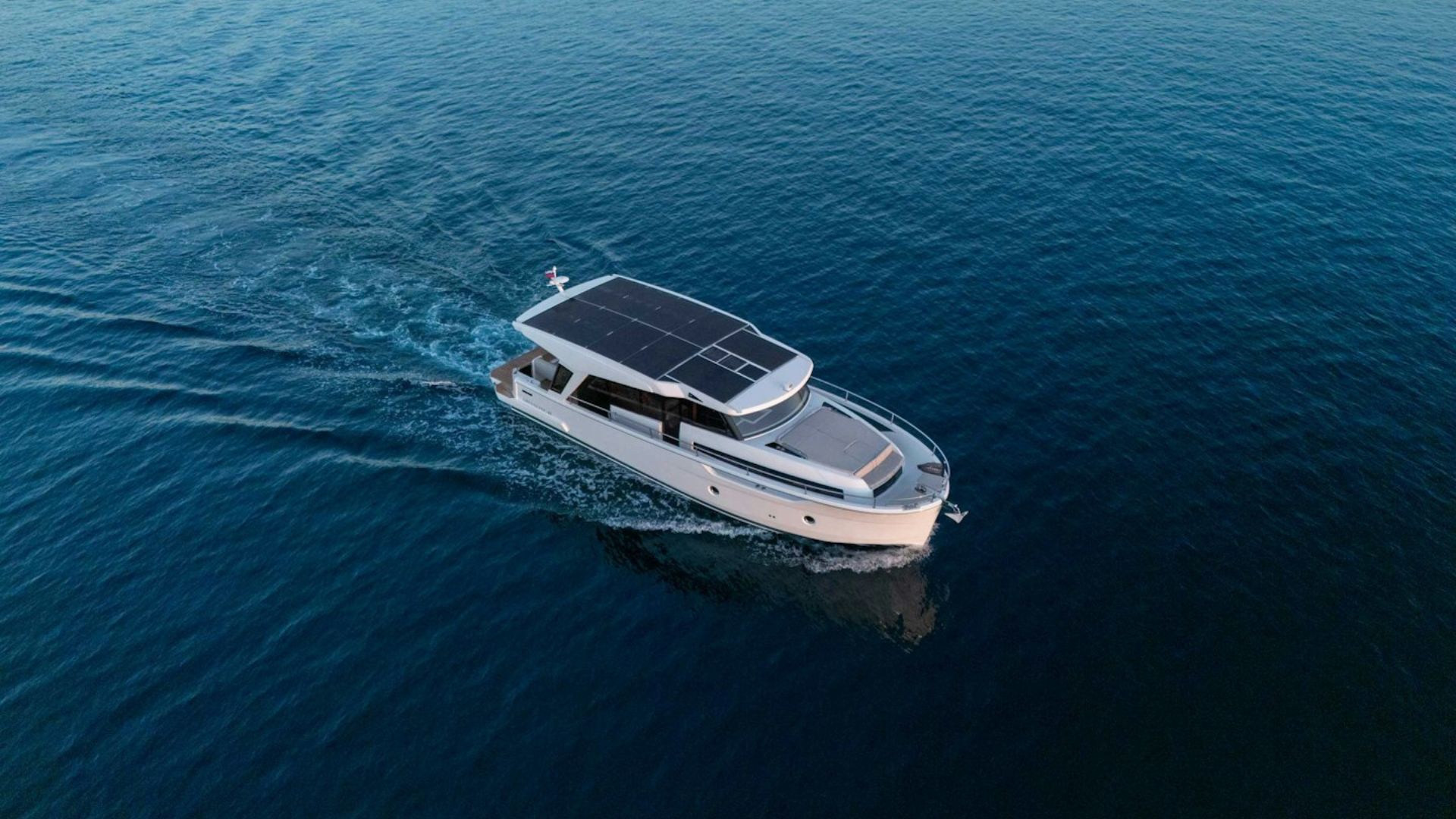
New boat with hybrid technology and solar energy stands out by increasing autonomy at sea and reducing consumption, consolidating the innovative proposal of Greenline Yachts in the nautical sector.
-
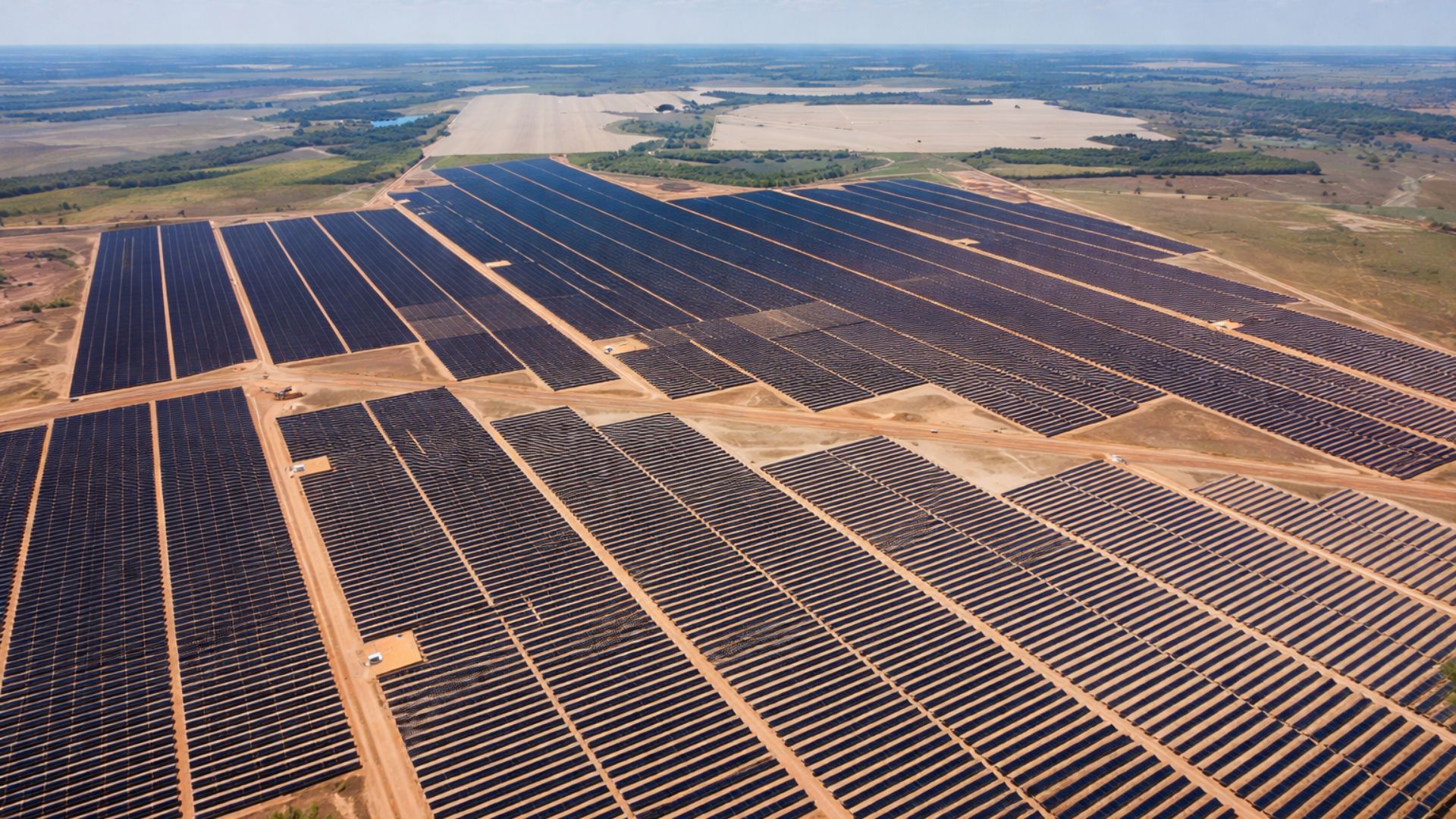
Solar energy gains strength with the Barro Alto solar complex, which increases renewable energy production in Brazil, creates jobs, strengthens the clean matrix, and transforms the electric sector with innovation and sustainability.
-
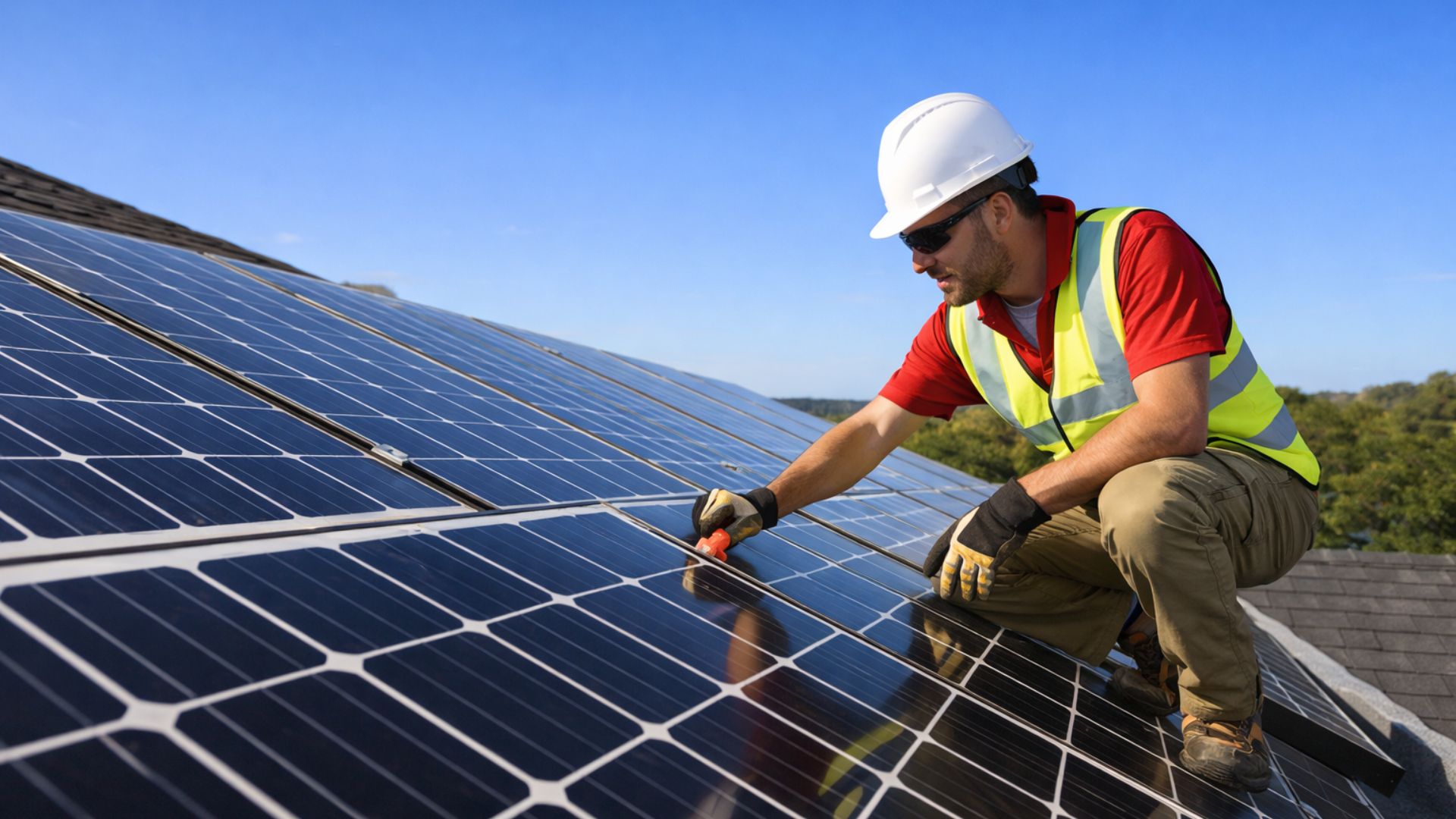
Seagri’s headquarters invests in solar energy with Neoenergia Coelba and promises to cut electricity costs, highlighting a strategic advance in sustainability and energy efficiency within state public administration.
With the authorization from the regulatory agency, Brazil officially enters the era of smart hybrid plants, ensuring greater stability for the SIN and attracting new investments to the large-scale storage market.
What is BESS technology and why does it change the game?
The acronym BESS refers to Battery Energy Storage System. In practice, the first BESS project co-located functions as a gigantic industrial “power bank.” The system captures the electrons generated by solar panels and stores them in lithium cells or other advanced chemical compositions.
This model addresses the main criticism of renewable sources: intermittency. The sun does not always shine with the same intensity, and clouds can cause rapid fluctuations in voltage. BESS acts as a buffer, smoothing out these variations and delivering linear and reliable energy to distributors.
Moreover, the technology allows for energy “arbitrage,” where the operator stores electricity when prices are low (noon) and sells it when prices peak (early evening).
Co-location: The strategy to reduce costs and increase efficiency
The choice for co-location in the first BESS project in Brazil was not by chance. By installing the batteries on the same land as the solar plant, developers take advantage of the same inverters, high-voltage cables, and substations. This synergy eliminates the need for new heavy infrastructure works, which tend to increase costs and delay energy projects in Brazil.

The sharing of the Connection Point (PoC) simplifies the regulatory process with ANEEL and the National System Operator (ONS). The electrical grid receives the plant as a single generation unit capable of controlling its own dispatch.
This configuration makes the solar plant much more similar to a hydroelectric plant in terms of predictability, allowing the system operator to rely on this energy firmly to avoid the activation of polluting and expensive thermal plants.
Curiosities about large-scale energy storage
Many consumers imagine that batteries are only for small devices, but the first BESS project uses entire containers filled with storage modules. Each of these units has sophisticated liquid cooling systems to maintain the ideal temperature of the cells, ensuring a lifespan that can exceed 15 years.
Another curiosity involves the system’s response speed. While a hydroelectric or thermal turbine takes minutes to ramp up and compensate for a drop in the grid, the BESS batteries respond in milliseconds.
This speed prevents nationwide blackouts, as the system detects frequency drops and injects load instantly to balance the grid. Brazil now has a technological defense tool that more developed countries already use to protect their modern electrical grids.
Real impact on electricity bills and energy security
The authorization of the first BESS project brings direct benefits to the Brazilian consumer’s pocket in 2026. Currently, ONS needs to keep thermal plants on standby to cover failures in renewables. These thermal plants use diesel or natural gas, expensive fuels that raise the tariff flag on electricity bills.
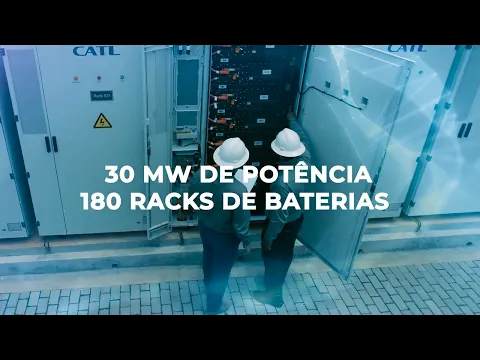

With the advancement of co-located storage systems, the country reduces the need for this fossil backup. The batteries take on the role of strategic reserve. Additionally, the technology avoids billion-dollar investments in new transmission lines, as it optimizes the capacity of existing lines.
Less losses in the system and less burning of fossil fuels result in a more stable and cheaper energy tariff for industries and households.
The role of ANEEL in regulating storage
ANEEL worked intensively on the Normative Resolution that enabled the first BESS project. The regulatory challenge involved defining how to charge for the use of the transmission system and how to compensate for the storage service. The success of this pioneering project serves as a “sandbox” for the next steps in national regulation.
The agency is now analyzing the creation of specific auctions for capacity reservation with storage. This means that soon the government may contract plants that promise to deliver guaranteed energy through batteries.
The current regulatory framework encourages other companies to follow the example of this first project, transforming Brazil into a high-tech energy construction site and attracting global battery manufacturers, such as Tesla, BYD, and Huawei, to establish factories in the national territory.
Environmental benefits and the reduction of “curtailment”
One of the biggest problems with modern solar plants is energy waste. On very sunny days, the electrical grid reaches its maximum capacity, and ONS orders plants to shut down part of their panels to avoid overloading the system. This phenomenon, “curtailment”, represents a financial loss for the investor and an environmental loss for the planet.
The first BESS project eliminates this waste. Instead of shutting down the panels, the plant directs all excess energy to the batteries. The environment benefits, as each kilowatt-hour stored and used later replaces energy that would come from carbonized sources.

Brazil accelerates its zero-emission goal by ensuring that all the solar potential captured by Brazilian panels effectively reaches final consumption, without losses along the way.
Maintenance and operation: The challenge of new engineering
Operating the first BESS project requires a new class of qualified professionals. Unlike the mechanical maintenance of generators, the storage system focuses on energy management software (EMS) and battery management systems (BMS). These programs monitor the state of charge, the health of each cell, and the efficiency of inverters in real-time.
Preventive maintenance uses infrared heat sensors and data analysis via artificial intelligence to predict failures before they occur. The operational success of this pilot project opens doors for the creation of technical courses and specializations in storage engineering in Brazil.
The oil and gas sector, already accustomed to high technology, is closely observing the movement, as many offshore platforms are also studying the adoption of BESS to reduce the use of diesel generators at sea.
The future: BESS in wind farms and industries
Although the current highlight is the first BESS project with a solar plant, the technology is expected to spread rapidly to other sectors. Wind farms in the Northeast are already planning similar systems to store the power of nighttime winds.
Large industries are also evaluating the installation of batteries to avoid fines for peak consumption and to ensure the operation of sensitive machines during power outages in the distributor’s grid.
The trend for 2026 indicates a decrease in battery cell prices, similar to what happened with solar panels in the last decade. This will make BESS projects viable even for residential condominiums and shopping centers.
Brazil is moving towards a decentralized, resilient, and fully sustainable electrical grid, where storage ceases to be a luxury and becomes the heart of the national energy infrastructure.
A historic step towards energy autonomy
ANEEL’s authorization for the first BESS project marks the beginning of a new era for Brazilian engineering. The country proves that it has the technical and regulatory competence to lead the energy transition in Latin America.
Storing sunlight for use in darkness is no longer a futuristic concept but a commercial reality that generates jobs and preserves the environment.
The success of this pioneering project serves as inspiration for Brazil to continue investing in innovation. By combining solar potential with battery intelligence, the country shields its economy against crises and ensures a future with clean, stable, and affordable energy.
The Brazilian sun now shines 24 hours a day through storage technology, illuminating the path for sustainable growth in 2026.





Seja o primeiro a reagir!