





 Portuguese
  English
  Spanish
  3 min of reading
  0 comments


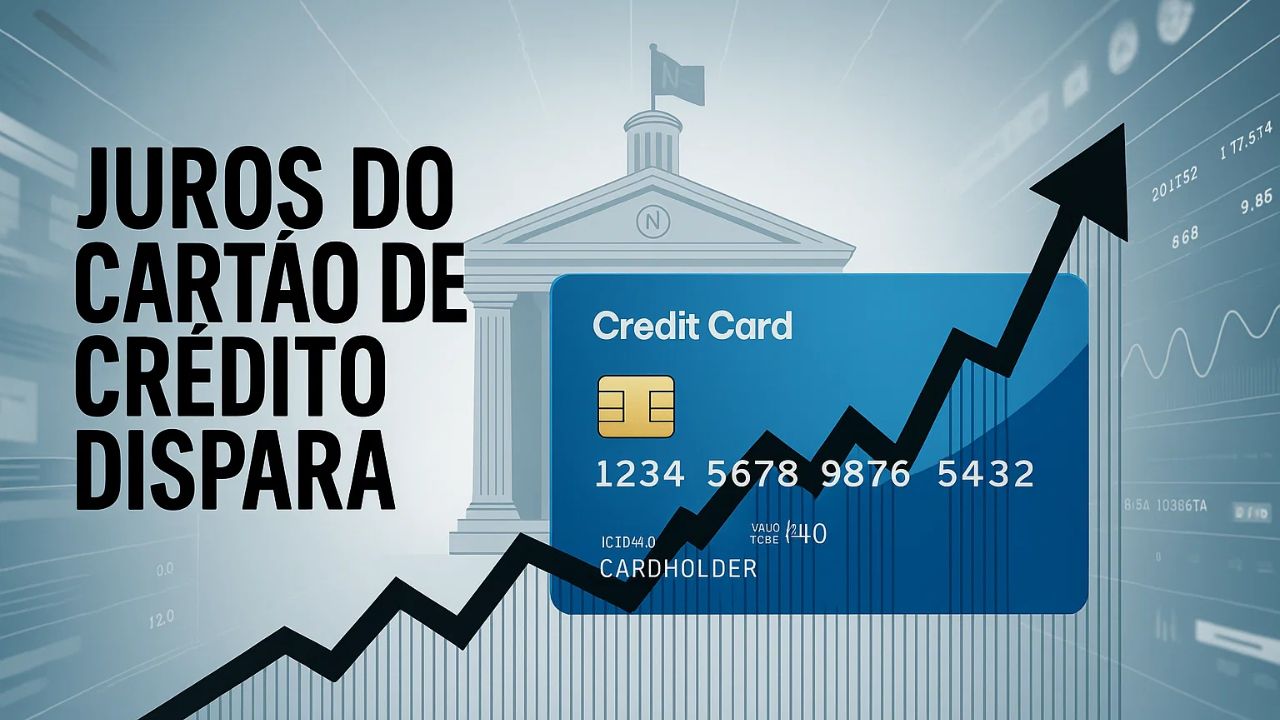
Credit Card Interest Rates Rose Again In August, Reaching 451% Per Year. Understand The Impact Of Rotating Credit, New Rules And More Economical Alternatives In Brazil.
The credit card interest rates drew attention again in August 2025, reaching levels not seen since 2016. Data released by the Central Bank indicates that the average rate for revolving credit reached 451.5% per year, an increase of 5.3 percentage points compared to July.
This scenario worries consumers, as those who cannot pay the full bill may see their debt grow rapidly.
An R$ 800.00 bill can turn into over R$ 4,400 in a year if the full payment is not made.
-
The institute that trained the greatest aerospace engineers in Brazil has just opened its first campus outside São Paulo after 75 years: ITA Ceará will have R$ 445 million, new courses in energy and systems, and classes are expected to start in 2027.

-
Luciano Hang, owner of Havan, goes to Juiz de Fora after the tragedy in February, brings R$ 1 million, hands out R$ 2,000 cards, and donates up to R$ 15,000 to victims in the region.

-
The Brazilian passport allows legal residence in dozens of countries without the need for a prior visa, and most Brazilians are unaware that they can apply for residency directly upon arriving in nations in South America, Africa, and even Europe.

-
Petrobras sends a message to Brazilian truck drivers after fuel collapse and reveals plan to have 100% domestic diesel.


How Revolving Credit Impacts Brazilians’ Portfolios
Revolving credit is triggered when the consumer pays only part of the credit card bill.
In this case, abusive interest rates begin to apply to the unpaid amount, creating a “snowball” effect.
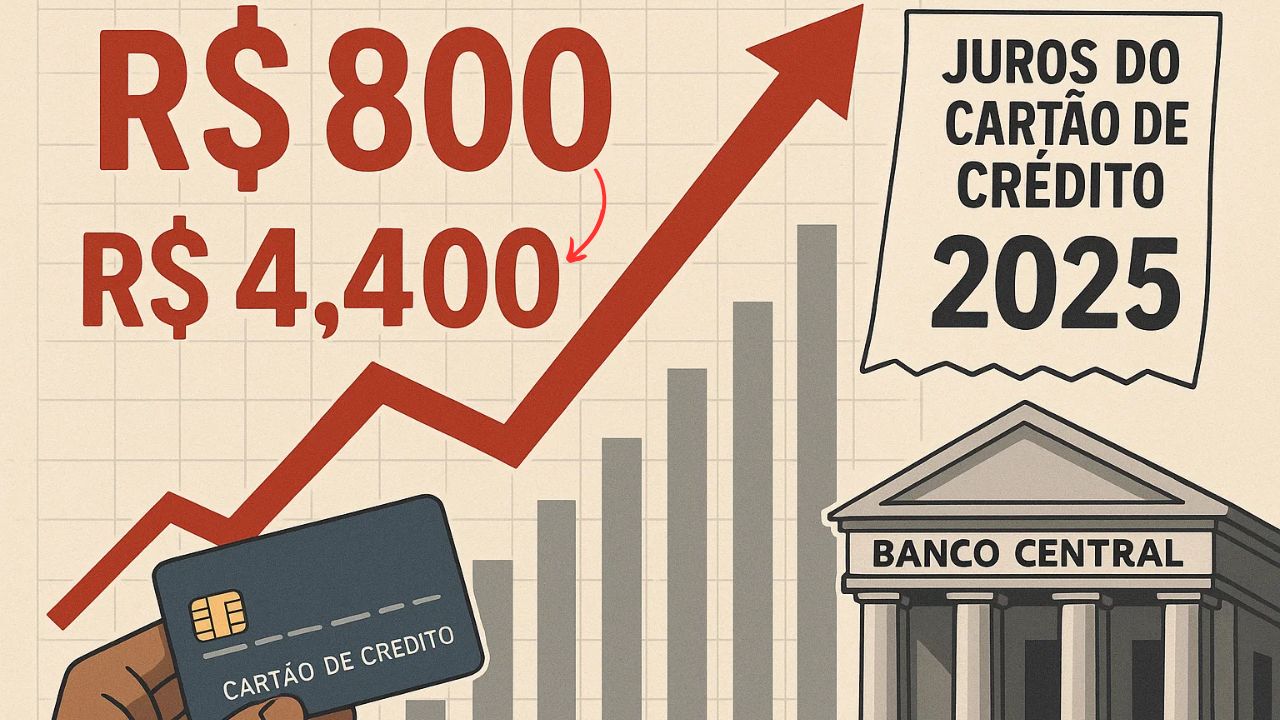
The longer the debt remains open, the greater the amount owed.
Experts warn that many users only realize the extent of the problem when the debt has already become difficult to pay. This compromises the family budget and hinders the ability to access other lines of credit.
New Rotating Rules Seek To Protect Consumers
To curb abuses, Law No. 14,690/2023 came into effect in January 2024, which limits the growth of debts in revolving credit.
According to the legislation, the total amount of the debt cannot exceed 100% of the original amount.
That is, a bill of R$ 200.00 cannot turn into more than R$ 400.00 with interest and charges.
Even with this measure, the numbers from the Central Bank reflect the average of the entire system, including older debts.
Therefore, the data do not indicate non-compliance with the law but rather the calculation methodology that considers pre-existing debts.
More Economical Alternatives To Revolving Credit
In light of the high credit card interest rates, consumers can opt for more advantageous alternatives.
The payroll loan is a popular option, as the installments are deducted directly from the paycheck or INSS benefit, ensuring greater security and lower rates.
In August 2025, the average interest rate for payroll loans was 26.7% per year, and INSS beneficiaries paid only 24.1% per year, amounts much lower than those charged for revolving credit.
For private sector workers, the rates are also lower, offering a way to replace expensive debts with more accessible options.
Tools To Compare And Swap Debts
A practical strategy to reduce the financial impact is to use comparison platforms.
The tool allows users to analyze the interest rates of different financial products and find more economical alternatives to settle their debts.
The system is personalized, considering the financial profile of each person and shows options that help reduce costs and prevent the debt from continuing to grow uncontrollably.
Simply inform the debts, and the platform indicates the best way to swap more expensive credits for solutions with lower interest rates.
Planning And Conscious Choices
The increase in credit card interest rates in August reinforces the importance of financial planning and the conscious use of credit.
Knowing alternatives such as the payroll loan and comparison tools can protect families from over-indebtedness, allowing for smarter and safer choices.
Despite the new rules, being careful when using revolving credit remains essential, ensuring that consumers maintain control over their finances and avoid unpleasant surprises in the family budget.
With information from the website MEU TUDO.









-

Uma pessoa reagiu a isso.