





 Portuguese
  English
  Spanish
  5 min of reading
  0 comments



Runways and streets indicate a silent change in the accessories market, with more flexible models, soft textures, and a less rigid look gaining space in place of the rigid bags that dominated other fashion seasons.
Bags with hard lines and impeccably rigid appearances have lost ground in the most recent collections and, above all, in the way fashion has been worn outside the runways.
For 2026, the most visible advancement is in models that seem to keep pace with the real rhythm of those moving between work, commutes, and social commitments, with less rigid structure, more flexible finishing, and a look that conveys use, comfort, and practicality without sacrificing fashion appeal.
This change does not mean the complete disappearance of structured bags, but indicates an important shift in the hierarchy of preferences.
-
YouTuber creates an excavator equipped with a giant 4.5-meter sword to challenge his brother to a rematch, and the invention quickly goes viral on social media.

-
The U.S. Army surprises the world by presenting the UH-60MX Black Hawk helicopter capable of flying without pilots, controlled by a tablet, featuring the MATRIX system, smart sensors, and full autonomy in real combat and rescue missions.

-
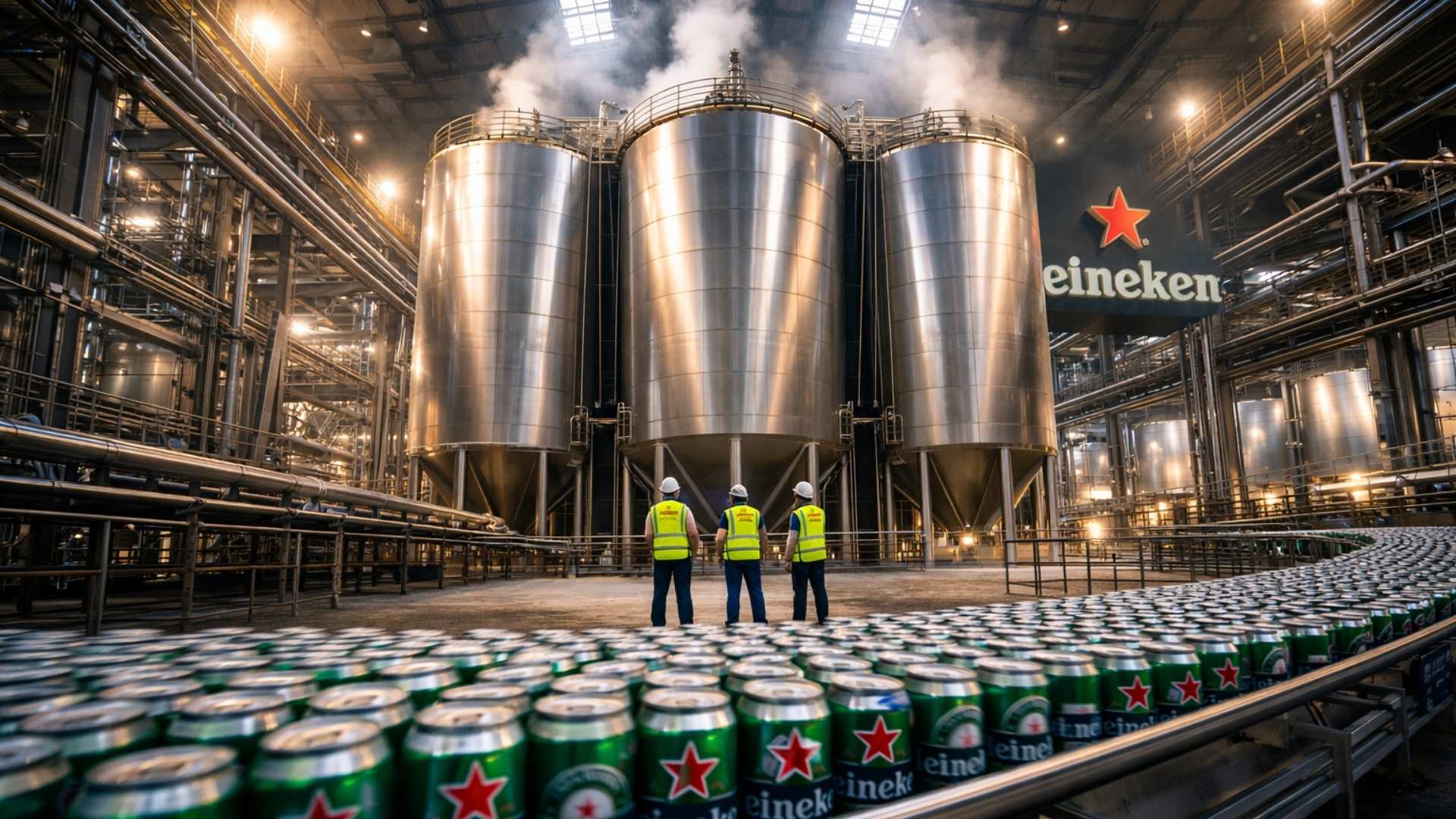
Heineken’s factory in Brazil produces 300 million beer cans in just 4 months, reaches 1 million hectoliters, received R$ 2.5 billion, and is already projecting an annual capacity of 5 million with sustainable technology.
-
Inside an active volcano in Africa, residents use volcanic rocks to build houses in an impressive setting.

The focus now falls on pieces that adapt to the body, fold more naturally, accommodate more items, and engage with a less rigid idea of elegance.
Instead of an accessory that merely completes the look, there is a growing interest in bags that accompany daily routines and help build the image of a more discreet, less formal, and more functional luxury.
Bag trend 2026 bets on elegance without rigidity
In recent readings of reference publications in fashion, the direction pointed for the seasons of 2025, 2026, and international street style favors precisely bags with more relaxed fits, leather, and suede with a less hard appearance, as well as shapes that do not seem excessively structured.
The visual effect is calculated but seeks to appear spontaneous, as if the accessory had been part of the wardrobe for quite some time.
This aesthetic aligns with a broader transformation in fashion consumption.
Instead of prioritizing only pieces with a strong ostentation appeal or very rigid construction, brands and editorials have reinforced the search for accessories that transition easily between different moments of the day.
The logic is simple: the bag needs to function in the office, at lunch, during urban commutes, and still remain suitable for evening programs or less casual occasions.
At the same time, the lived-in finish has come to be seen as an aesthetic asset, rather than a loss of sophistication.
Models that slightly crumple, yield to use, or have surfaces of suede, soft leather, and more flexible volume frequently appear in recent editorial selections.
This choice reinforces the notion that the accessory does not need to appear untouched to be desirable.
Bag models gaining strength on the streets and in collections
Among the shapes most associated with this change, the tote remains in a prominent position.
The reason is straightforward: it is a spacious, functional bag compatible with the routine of those who carry more than just the basics.
In recent trends, it appears with softer materials, comfortable straps, and a less rigid silhouette, which helps explain why it has regained strength as a daily-use item, without the image of a purely utilitarian accessory.
The baguette, in turn, reappears driven by the return of references from the late 1990s and early 2000s.
The compact shape continues to be valued, but now many versions come with a softer finish, less hard than in the more literal reinterpretations of the past.
On the streets and in international fashion coverage, the model has returned as a statement piece, especially in more minimalist proposals or combined with tailoring and neutral tones.
The crossbody also remains relevant because it responds to a demand that current fashion does not ignore: mobility.
In a season where comfort and practicality have ceased to be merely secondary arguments, the long-strap model remains competitive by freeing hands and better distributing use on the body.
Even when appearing in more refined versions, it continues to be a solution directly linked to urban daily life.
Another shape that helps explain this new phase is the doctor bag, also referred to as a bowling bag in part of international coverage.
With a wider base, firm body, short handles, and retro-inspired design, it reappears as an alternative for those who still want some structure, but without returning to the hard and excessively formal look of other cycles.
The interest in the model has grown in the spring 2026 readings, precisely for balancing organization, capacity, and classic visual appeal.
Brown and suede reinforce the new aesthetic of accessories
The change in shape comes accompanied by a change in texture and color.
The brown, especially in variations of chocolate, coffee, caramel, and cognac, appears repeatedly in international selections as one of the most consistent shades for bags and clothing.
When combined with suede, the result reinforces the sense of depth, use, and softness, which are central points of this phase of fashion.
This is not just an isolated chromatic preference.
Brown works well precisely because it helps sustain the idea of discreet sophistication, less contrasted and less dependent on shine or rigidity.
Instead of an accessory that tries to dominate the look through formal imposition, the color favors more fluid combinations and allows the bag to integrate into the outfit naturally, even when the design draws attention.
Suede, in this context, plays a decisive role.
Fashion publications focused on autumn 2025 and transitions to 2026 highlighted the material as one of the factors responsible for distancing the bag from a rigid and excessively polished appearance.
The softer visual touch communicates controlled informality, something that resonates with both a more relaxed corporate wardrobe and casual weekend outfits.
Impactful bags remain on stage, but with a different role
This does not mean that smaller, decorative, or conceptual pieces have disappeared.
Wide clutches, mini bags, and more ornamental models continue to be present, but with a different function.
Instead of solely organizing daily routines, these items appear more as points of contrast, styling finishes, or specific choices for particular occasions.
The center of the conversation, however, has shifted to bags that support frequent use without appearing heavy, rigid, or excessively formal.
The result of this shift is a fashion of accessories more connected to the movement of the body and practical life.
The desired bag of 2026 does not need to appear geometrically perfect to convey value; in many cases, the opposite occurs.
The more natural its presence in daily life, the greater its aesthetic strength tends to be within a market that rewards utility, texture, and visual familiarity once again.




Seja o primeiro a reagir!