





 Portuguese
  English
  Spanish
 3 min of reading
  1 comment


New System Aims to Alleviate Traffic and Integrate Transportation Modes by 2029
The City Hall of Rio de Janeiro launched, on October 2, 2025, a project for aquatic public transportation to connect the lagoons of Jacarepaguá, Barra da Tijuca, and Recreio dos Bandeirantes.
The initiative, conducted in partnership with the Maritime Lagoon Consortium, aims to serve up to 85,000 passengers daily. Additionally, it seeks to reduce congestion on strategic roads such as Avenida das Américas and Avenida Ayrton Senna.
Fare Integration and Planned Operation
The City Hall will integrate the new mode with the metro, BRT, and bus systems. Thus, users will be able to use the Bilhete Único Carioca and Jaé.
-
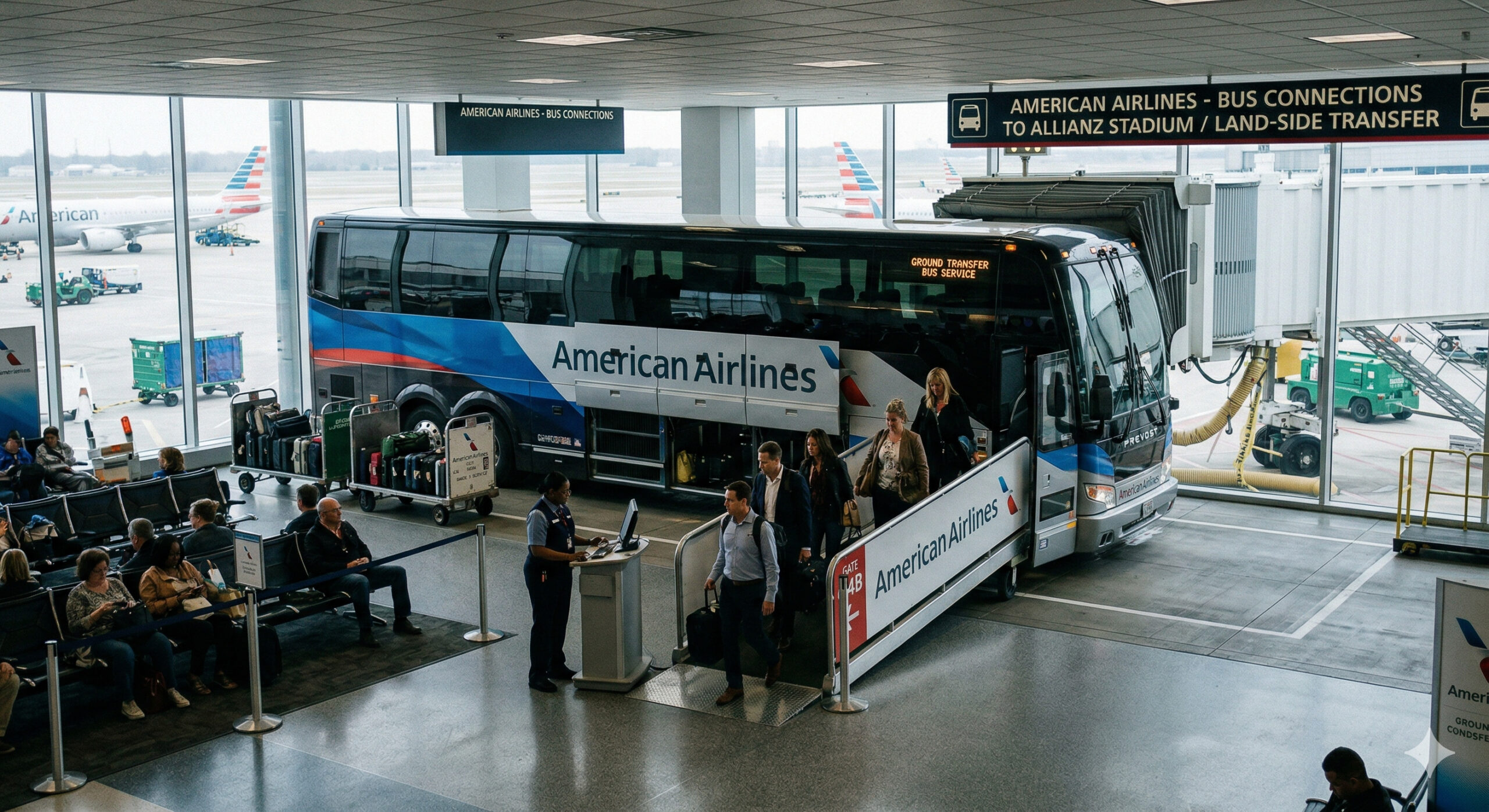
American Airlines starts selling trips as if they were flights, with check-in and baggage check at the airport, but on short routes, passengers board luxury buses connecting cities to major hubs in the U.S.
-
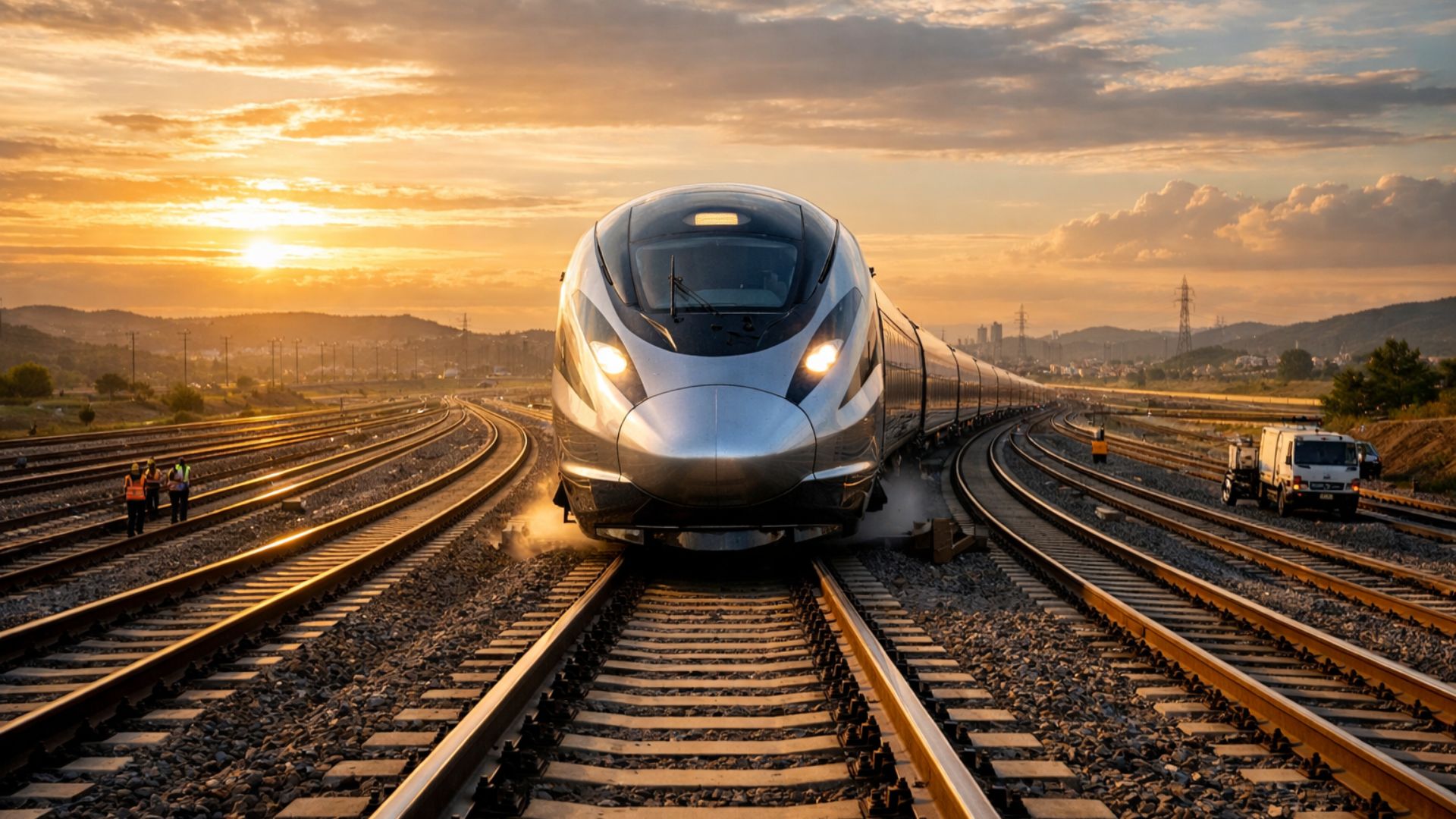
São Paulo surprises the world with a colossal railway network project that promises over 1,000 km of tracks, R$ 194 billion in investments, and 40 projects connecting the capital to the interior with fast and sustainable trains.
-
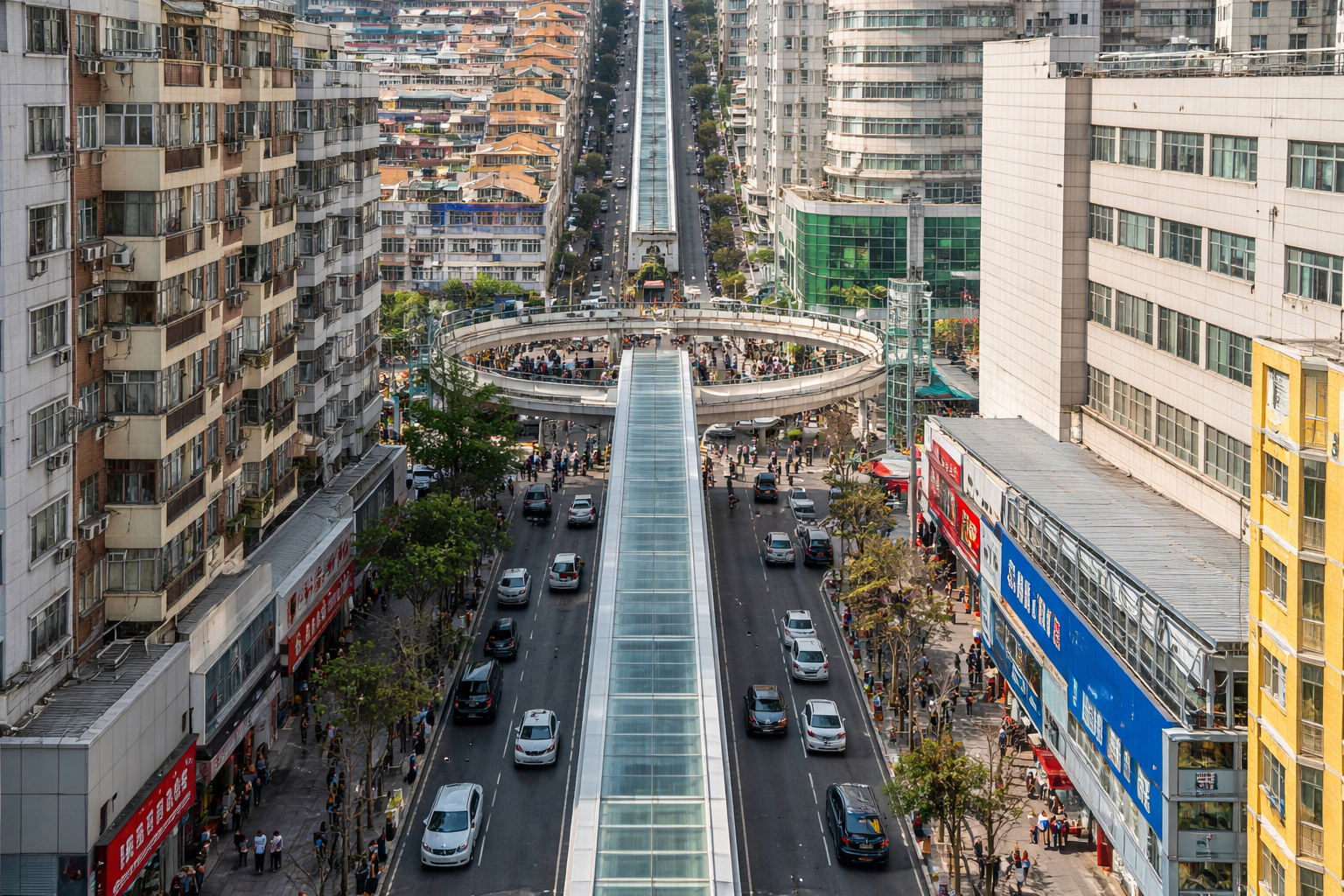
The world’s largest escalator, measuring 905 meters in China, reduces urban travel time from 1 hour to about 20 minutes and transforms mobility in mountainous regions with an engineering solution adapted to the terrain.
-
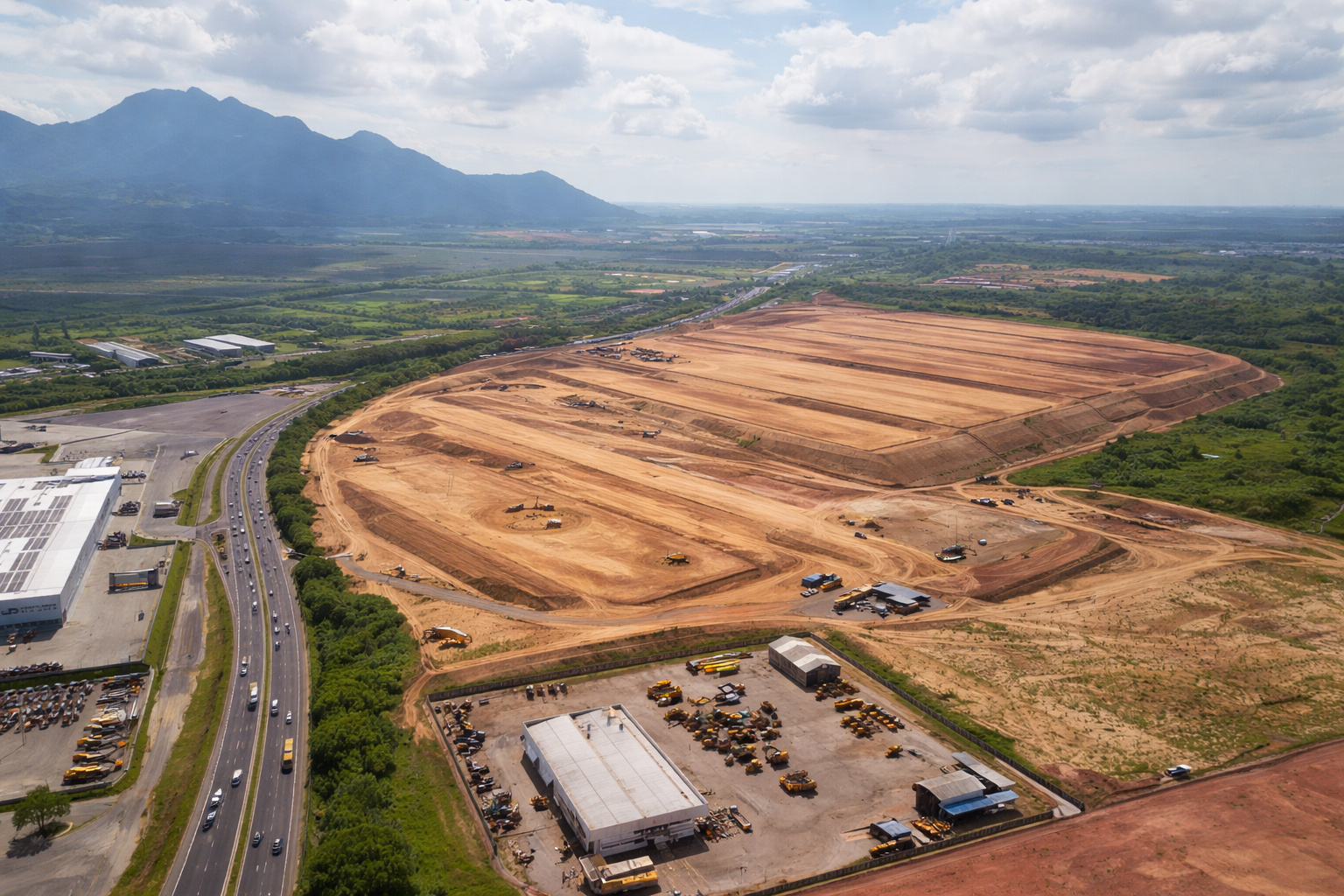
A R$ 300 million logistics giant is taking shape in Serra with over 100,000 m² and raises a question: how can this transform e-commerce and distribution in the state?

The fare will remain at R$ 4.70, ensuring accessibility. According to Mayor Eduardo Paes (PSD), this decision expands transportation options for workers in commerce, services, and shopping centers in the region.
The expectation is that the first of the eight mandatory lines will start operating in 2026. The complete system is expected to be finished within four years.
Project Structure and Initial Investment
The Carioca Company of Partnerships and Investments (CCPar) signed the concession contract on September 17, 2025. It will be valid for 25 years.
The project calls for an initial investment of R$ 101 million in the first phase. The consortium will have 30 days to present the official construction schedule.
The expectation is that the implementation will begin in the first half of 2027. Furthermore, the execution will occur through a Public-Private Partnership (PPP).
Lines, Terminals, and Strategic Piers
The system anticipates 5 main terminals: Linha Amarela, Gardênia Azul, Rio das Pedras, Muzema, and Jardim Oceânico. There are also plans for 6 additional piers.
The additional piers will be located at Salvador Allende, Parque Olímpico, Vila Militar, Arroio Pavuna, Barra Shopping, and Bosque Marapendi. The city will implement eight mandatory lines, with a focus on express routes.
These include the route between Rio das Pedras and Jardim Oceânico and the circular route around Lagoa de Jacarepaguá. There will also be routes connecting Muzema, Bosque Marapendi, and Barra Shopping.
The fleet will be standardized and will have boats with capacity for 42 to 120 passengers. All vessels will have enclosed cabins to protect against rain and wind.
Additionally, the boats will be equipped with upholstered seats, fire-fighting systems, nighttime signaling, and navigation equipment regulated by the Harbor Master.
Perspectives for Urban Mobility
According to Nelson Florentino, president of Maritime Lagoon, the project will serve areas with higher population density in the Southwest Zone. Moreover, the proposal aims to address local mobility challenges.
The implementation is expected to encourage the use of alternative transport, therefore reducing pressure on traffic corridors. Thus, there will be a direct impact on the quality of life for residents.
With a completion deadline set for 2029, the proposal reinforces the modernization of urban infrastructure. In this way, Rio positions itself as an example of multimodal integration in Brazil.









Excellent roundup of resources — saved me hours of searching.