





 Portuguese
  English
  Spanish
 5 min of reading
  0 comments


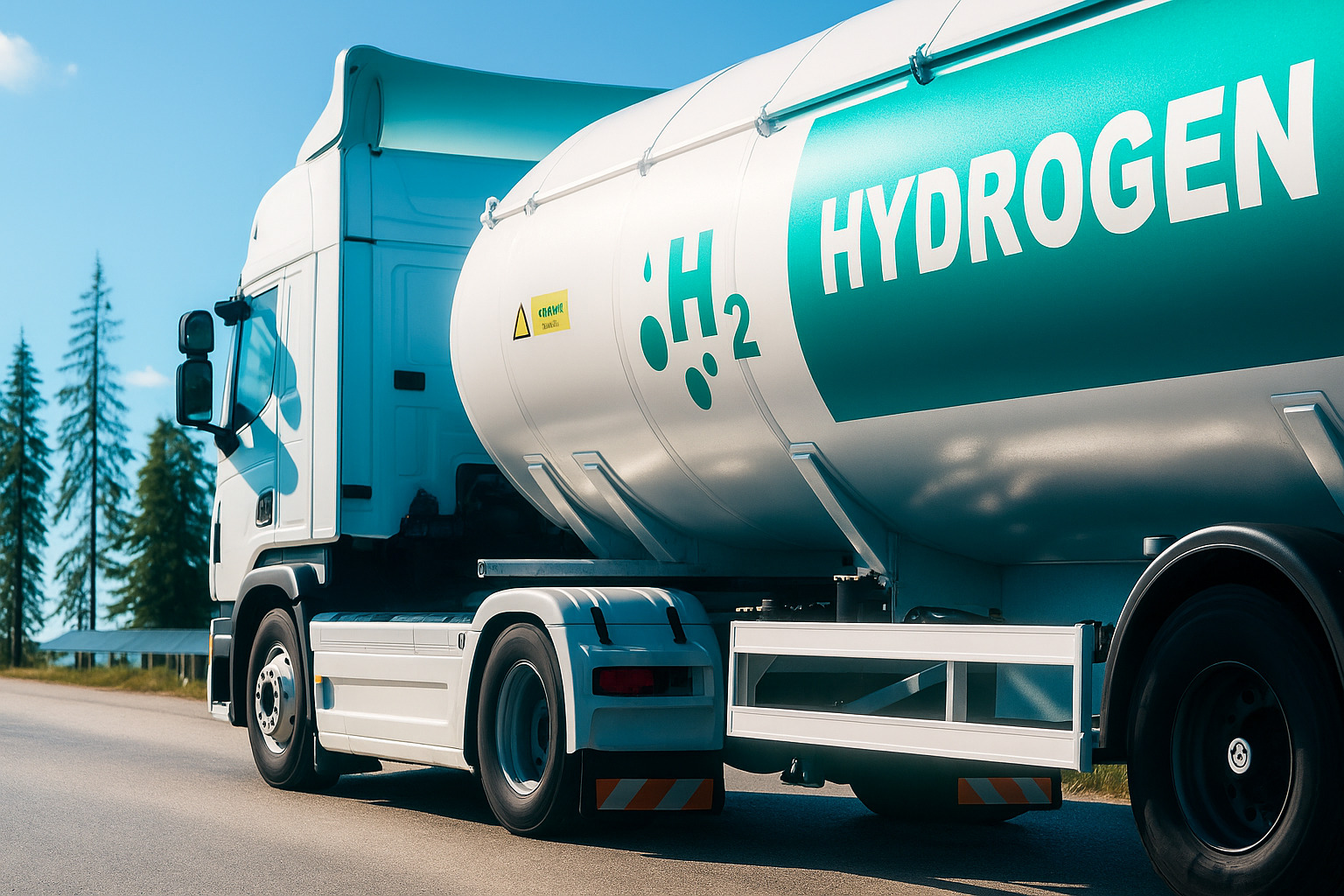
Discover How Rio Grande do Norte Bets on Green Hydrogen to Generate Clean Energy and Attract Strategic Investments in the Sustainable Sector.
The Rio Grande do Norte bets on green hydrogen as the main strategy to consolidate its role in the national renewable energy scenario. At the same time, it aims to attract high-impact investments.
In addition, the state takes advantage of its natural conditions and promising infrastructure, utilizing resources such as winds and solar energy, which are essential for the production of green hydrogen.
Therefore, the government implements legal and regulatory initiatives that reinforce the commitment to sustainability and competitiveness of the sector.
-
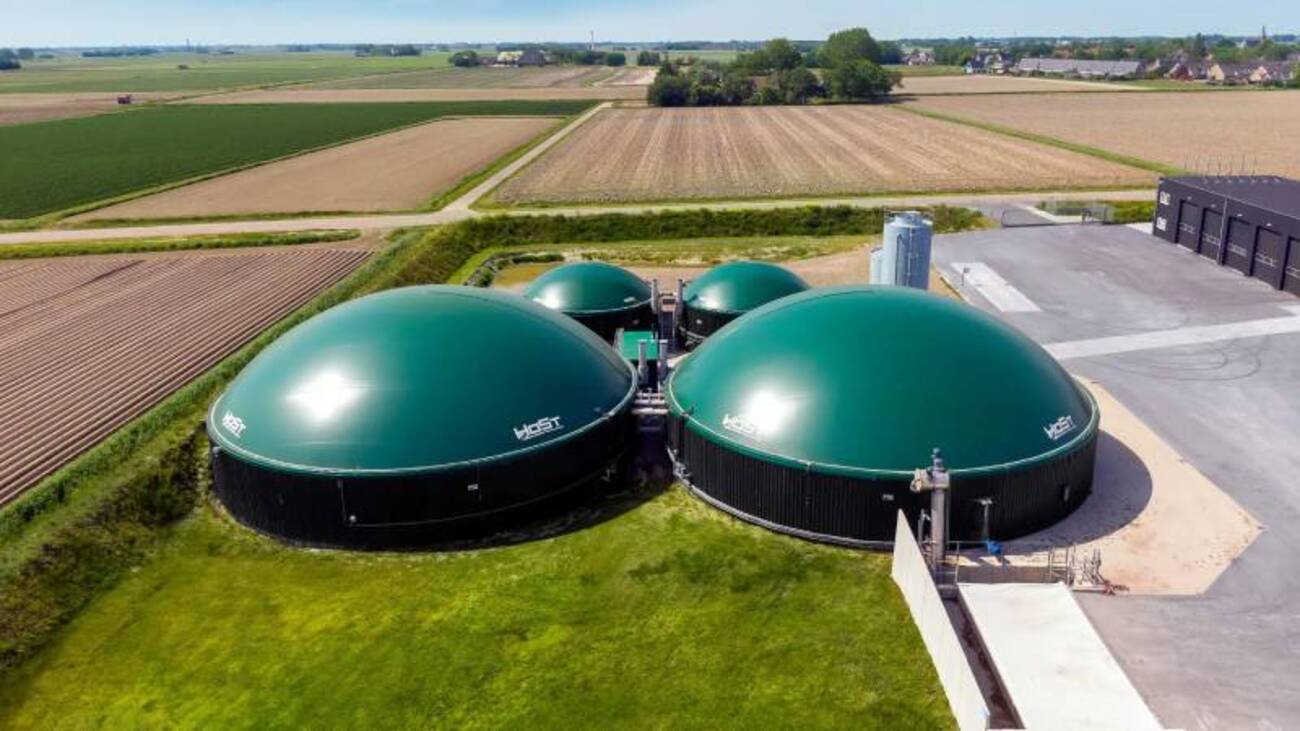
Revolution in the sugar-energy sector: Government sets new target for biomethane and paves the way for ethanol plants to profit from the conversion of waste into renewable fuel.
-
Brazil bets on biomethane, ethanol, and hydrogen as the definitive solutions for the decarbonization of heavy vehicles and the reduction of emissions in cargo transportation.

-
The biodiesel industry is pressuring the government for a simplified test to increase the blend with diesel and highlights the potential to attract investments, accelerate production, and consolidate Brazil’s leadership in biofuels.
-
Brazil accelerates hydrogen and biofuel projects to consolidate the fuel of the future and reduce dependence on oil by 2026.
Historically, Rio Grande do Norte has always stood out in the use of renewable energies, especially wind energy.
In fact, the state maintains constant winds and abundant solar radiation, thus creating a favorable environment for the production of green hydrogen.
Unlike other fossil fuels, green hydrogen does not emit carbon dioxide. Consequently, it helps to reduce greenhouse gas emissions, as well as mitigate climate change.
In recent years, the state government has actively worked to create investment conditions and technological development.
On July 31, Governor Fátima Bezerra signed the Green Hydrogen and Green Industry Legal Framework Law, establishing clear rules for production and investment in the sector.
This groundbreaking legislation increases the state’s competitiveness and provides legal security to investors, thus encouraging the growth of a strategic industry for the local economy.
Green Hydrogen and Technological Innovation
Green hydrogen expands the energy portfolio and, moreover, opens space for technological innovation.
For example, the state transforms hydrogen into green ammonia or low-carbon methanol, products referred to as Power-To-X, which serve as inputs for various industries.
Among the final products that use green hydrogen are fertilizers, steel, and low environmental impact fuels.
In the steel sector, the use of hydrogen nearly completely reduces CO2 emissions, thus offering a sustainable alternative to traditional steel production.
The Green Industry Port, located in Caiçara do Norte, stands out as a central initiative of the state.
It will be the first Brazilian port designed from the ground up with dedicated infrastructure for the production, storage, and export of green hydrogen and ammonia.
With over 13 thousand hectares, the port will serve not only the hydrogen sector but also oil and gas activities, mining, salt, bulk, onshore and offshore wind, and container transportation.
This planning overcomes the historical gap in Brazilian logistics, as current ports lack secure structure for innovative energy products.
The port’s structure ensures efficiency and safety.
The BNDES is currently analyzing the proposals from interested companies to develop technical and economic studies.
At the same time, the state government, in partnership with the Ministry of Ports and Airports, released resources through the Growth Acceleration Program (PAC) to conduct environmental studies necessary for obtaining the preliminary license.
Thus, it is expected to obtain the licenses by the end of 2026, allowing for the launch of the grant notice in 2027, with the initial operation forecasted between late 2031 and early 2032.
Regulation and Environmental Licensing
The state government is also making progress on environmental licensing.
The Idema/RN (Institute for Sustainable Development and Environment) drafted a resolution draft to standardize the licensing of green hydrogen projects.
The State Environmental Council (Conema) will soon analyze the document.
In this way, the regulation ensures that the industry’s growth occurs sustainably and safely.
At the same time, the government discusses the construction of emissaries to transport hydrogen to the ports with federal agencies, such as Ibama, due to maritime jurisdiction.
The Rio Grande do Norte bets on green hydrogen also through research and development.
The Senai-RN created the first Center of Excellence in Professional Training for Green Hydrogen in Brazil, replicated in other states.
The laboratory, located in Natal, has experimental hydrogen production systems powered by solar energy modules and small wind generators.
Moreover, students from technical courses and Mechanical Engineering participate in extension programs on hydrogen technology, such as “Green Hydrogen Propulsion Systems” and “Green Hydrogen (H2V) – Thermo Management and Efficiency Control.”
Academic collaboration also strengthens the sector.
The Federal University of Rio Grande do Norte (UFRN), through the research group Creation, contributed to the conceptual model of the Green Industry Port and to the drafting of the Green Hydrogen Legal Framework.
Since 2017, the university has been studying the renewable economy and identified the port demand, evaluating the best location and the conceptual project of the port.
Strategic Location and Investments
The state also benefits from its strategic location for export.
The proximity to European and North American markets makes Rio Grande do Norte a competitive supplier of green hydrogen and derived products.
Consequently, the abundance of wind energy, combined with efficient regulation, allows the state to lead green hydrogen production at a competitive cost, attracting energy-intensive industries and contributing to the global energy transition.
Ongoing investments include green hydrogen plants, such as the one from Cimento Mizu, in partnership with the Chinese State Grid, located in Baraúna, and the Petrobras pilot plant at the Vale do Açu Thermal Power Plant (TermoAçu), executed by WEG in cooperation with Senai ISI-ER.
The Petrobras project has a budget of R$ 90 million and is expected to start operations in the first quarter of 2026.
As a result, these projects strengthen the local economy and generate specialized jobs, making the sector a concrete reality.
The state’s vision is clear: to create a favorable environment for the growth of green hydrogen and low-carbon products, promoting sustainability, technological innovation, and economic competitiveness.
By integrating public and private investments, advanced regulation, professional training, and scientific research, Rio Grande do Norte bets on green hydrogen as a long-term strategy to establish itself as a national and international hub for renewable energy.
Additionally, the strengthening of the green hydrogen production chain stimulates complementary sectors, such as engineering, transportation, industrial maintenance, and sensor technology, promoting economic diversification and high-value job opportunities in the state.
In summary, Rio Grande do Norte combines natural resources, advanced legislation, academic research, and strategic investments to lead the production of green hydrogen in Brazil.







-

Uma pessoa reagiu a isso.