





 Portuguese
  English
  Spanish
 5 min of reading
  0 comments


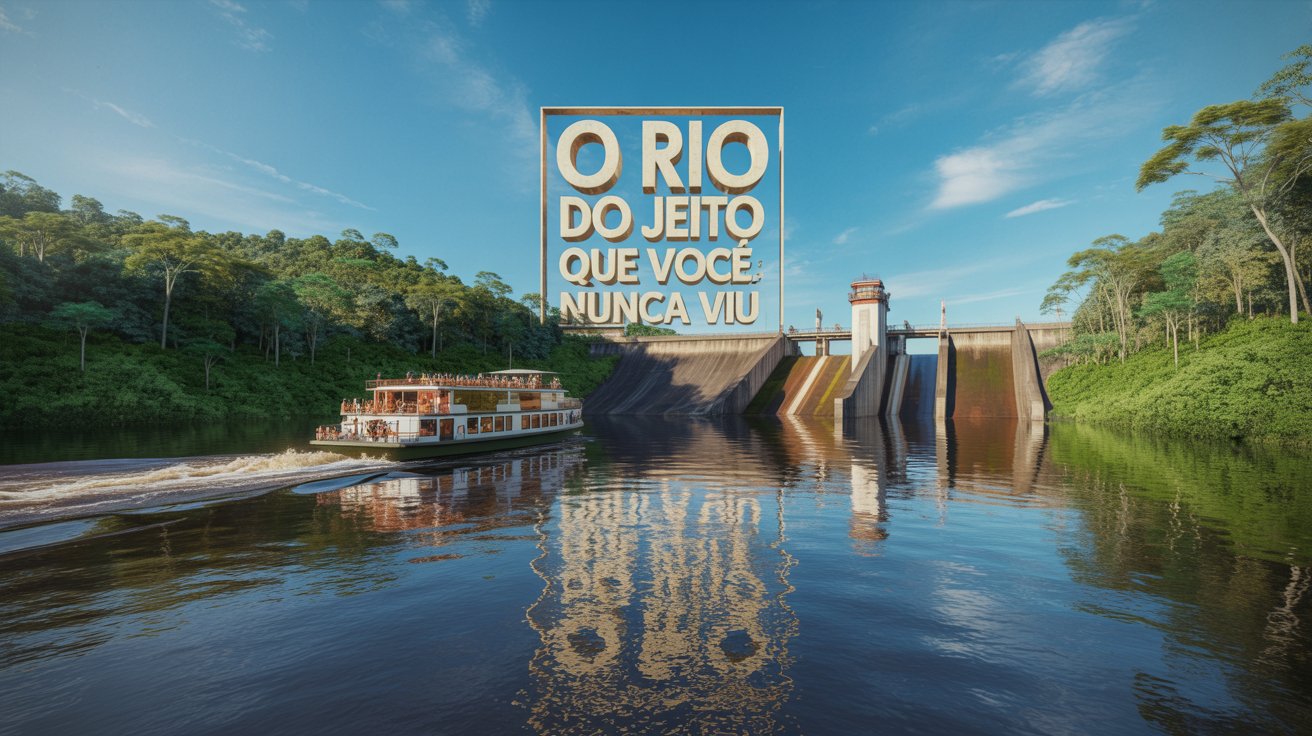
In Barra Bonita, Inland in São Paulo, the Tietê River Surprises by Showing Clean Water, Tourist Navigation, and Highlighted Infrastructure, Revealing a Striking Contrast with the Image of Pollution in the Capital.
In Barra Bonita, inland in São Paulo, the Tietê River takes on a tourist role: it hosts regular tours on large vessels, crosses the lock of the local hydroelectric plant, and displays stretches of clean and navigable water.
Far from the capital, the scenery contrasts with the image of pollution associated with the river in metropolitan areas.
Barra Bonita and Navigation on the Tietê
About 280 km from the São Paulo capital, Barra Bonita has structured its leisure economy around the Tietê and the Tietê–Paraná Waterway.
-
With over 14 million baskets of earth moved, an ancient North American metropolis built a monumental pyramid of 30 meters and established a city with 20,000 inhabitants nearly a thousand years ago.
-
A 1,900-year-old treasure emerges from a Roman house destroyed by fire and sealed since antiquity in Romania, with coins and metals fused among the ashes.
-
The Brazilian colonial city that stopped in time and shares territory with a rocket launch base.

-
79-year-old woman challenges limits, visits 193 countries in the world after 56 years of planning and reveals the behind-the-scenes of a global journey that few have managed to accomplish.


In this section, the river allows for tourist navigation and maintains well-kept banks, with areas open for contemplation and social interaction.
The municipality uses the port as a starting point for river routes, which vary according to the reservoir level and operational conditions of the waterway.
The distance by road varies depending on the route, but the estimate of 280 km summarizes the journey from the city of São Paulo well.
Cleaner Waters and Navigation Experience
During the tours, visitors find a Tietê different from the one cutting through the capital.
The inland stretch presents favorable conditions for navigation and leisure, with stretches that preserve aquatic life and surrounding vegetation.
The environment is used by both passenger vessels and cargo convoys that pass through the locks of the system.
The simultaneous presence of tourism and river logistics is characteristic of this waterway, designed to integrate municipalities and transport agro-industrial production.
Lock of the Plant: Engineering at a Leisurely Pace
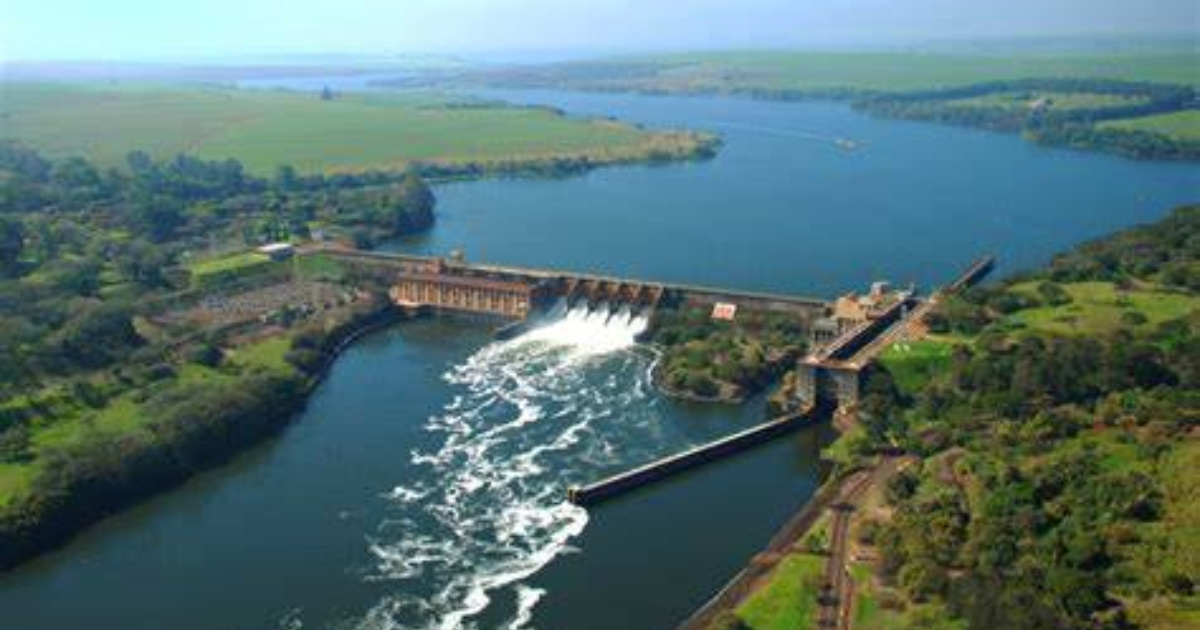
The highlight of the tour is passing through the lock of the Barra Bonita Hydroelectric Plant.
The structure equalizes water levels and allows boats to ascend or descend between the two levels of the reservoir, overcoming a drop of approximately 25.5 m.
The procedure involves controlled entry, closing of gates, filling or emptying the chamber, and final opening to continue the journey, an operation monitored by technical staff.
The lock was inaugurated in 1973 and is part of the set of works that enable the Tietê–Paraná Waterway in the state.
Dimensions and Operation
Designed for commercial and tourist navigation, the Barra Bonita lock has 142 m in length and 12 m in width, with a single chamber.
On weekends and holidays, there are lockage windows designated for passenger vessels, defined by the maritime authority, which organizes the flow during peak periods.
This regulation coexists with the traffic of cargo, such as grains and sand, which also use the system.
Large Vessels with Capacity for Up to 600 Passengers
The tours are conducted on tourist ships with different capacities, including vessels that hold up to 600 people.
The local fleet comprises modern boats, with interior halls, open areas, food services, and accessibility.
In recent years, larger projects have strengthened the offerings, with a new vessel dedicated to river cruises and events.
The operation is continuous, with schedule and route adjustments based on seasonality and the conditions of the waterway.
Pace of the Tour and Perception of the Audience
Throughout the navigation, the route highlights the landscape of the mid-Tietê and urban points of Barra Bonita.
The movement of ascending or descending through the lock is often the most photographed moment, both for the technical curiosity and for the dynamics of filling and emptying the chamber.
Two and three-deck vessels accommodate a diverse audience, including groups and excursions, which explains the constant presence of visitors throughout the year.
Specialized publications in tourism and municipal communication record this vocation and cite expressive public numbers, variable according to the period.
Why the Tietê is Different There
The main change in landscape results from the geographical cut and the multiple uses of the river inland.
Far from the most impacted stretch of the São Paulo Metropolitan Region, the Tietê regains characteristics of a navigable body of water, favored by the control of levels of the reservoirs and by the management of the waterway.
The coexistence of tourism, transportation, and leisure activities, such as fishing in authorized areas, reinforces the perception that the river can fulfill economic and social functions when there are adequate environmental conditions and traffic regulation.
This view is supported by technical documents from the waterway itself and by academic studies that detail the operation of the locks and the associated infrastructure.
Urban Identity Linked to the River
The recent history of Barra Bonita is inseparable from the Tietê. The city organized river tourism as a service and hospitality axis, modernized vessels, and consolidated the port as a calling card.
Each season, the demand for tours requires a constant calendar and maintenance, depending on the rainfall regime, the reservoir level, and the lockage rules.
Even with operational constraints, tourist navigation has established itself as a structured attraction in São Paulo, contributing to the local economy and to the image of the river inland.
And the Visitor?
For those coming from the capital, the road journey takes a few hours, varying with traffic and the chosen route.
On days of higher movement, the organization of lines for lockage and the coexistence with cargo convoys may alter the duration of navigation, without compromising the experience.
Local companies advertise departures with and without lunch, during periods typically ranging between 1h40 and 3 hours, always subject to the conditions of the river and the operation of the plant.
Seeing one of the most well-known rivers in the country from a different perspective, the question that remains is simple: what other stories can the Tietê still tell when the population reconnects with its waters in conditions suitable for navigation and coexistence?







Seja o primeiro a reagir!