





 Portuguese
  English
  Spanish
  4 min of reading
  1 comment


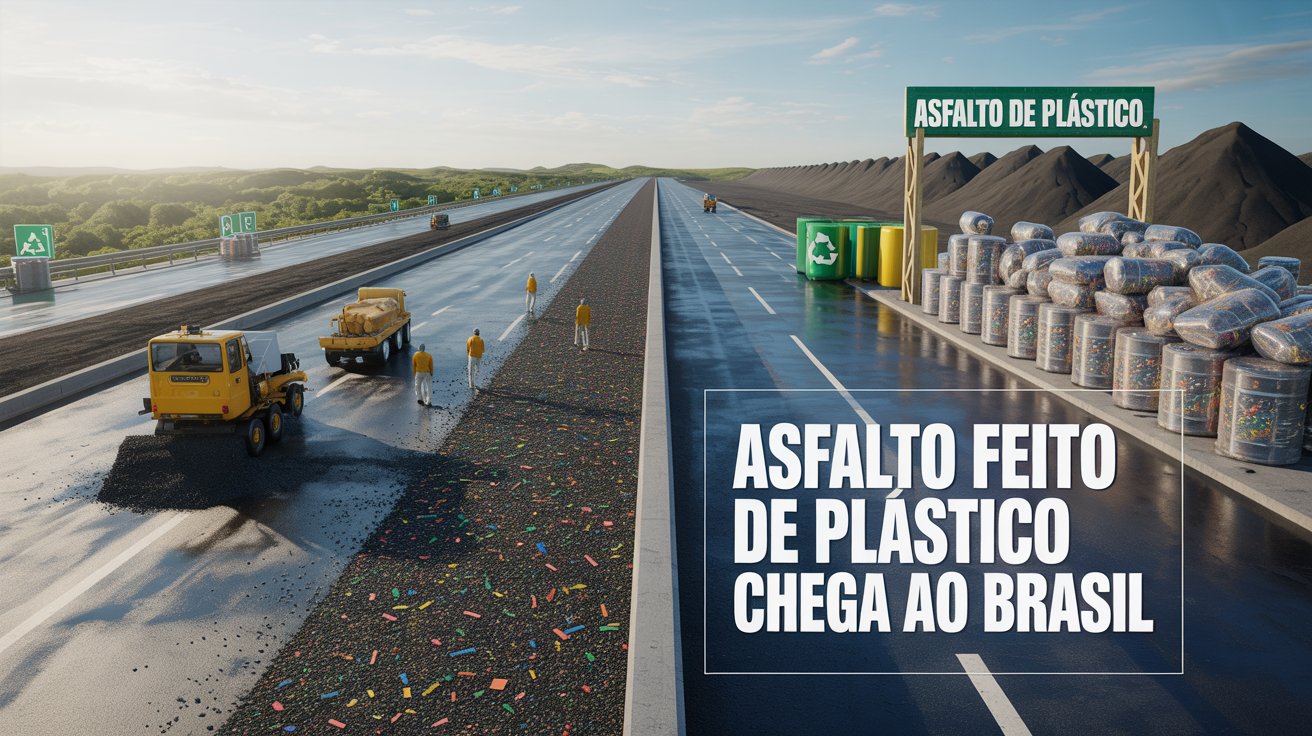


Innovative Eco-Friendly Asphalt Technology Uses Recycled Plastic Waste and Reused Material from Old Pavements to Create More Durable, Cost-Effective, and Environmentally Friendly Roads, Changing the Future of Brazilian Highways and Inspiring Innovation in Public Works.
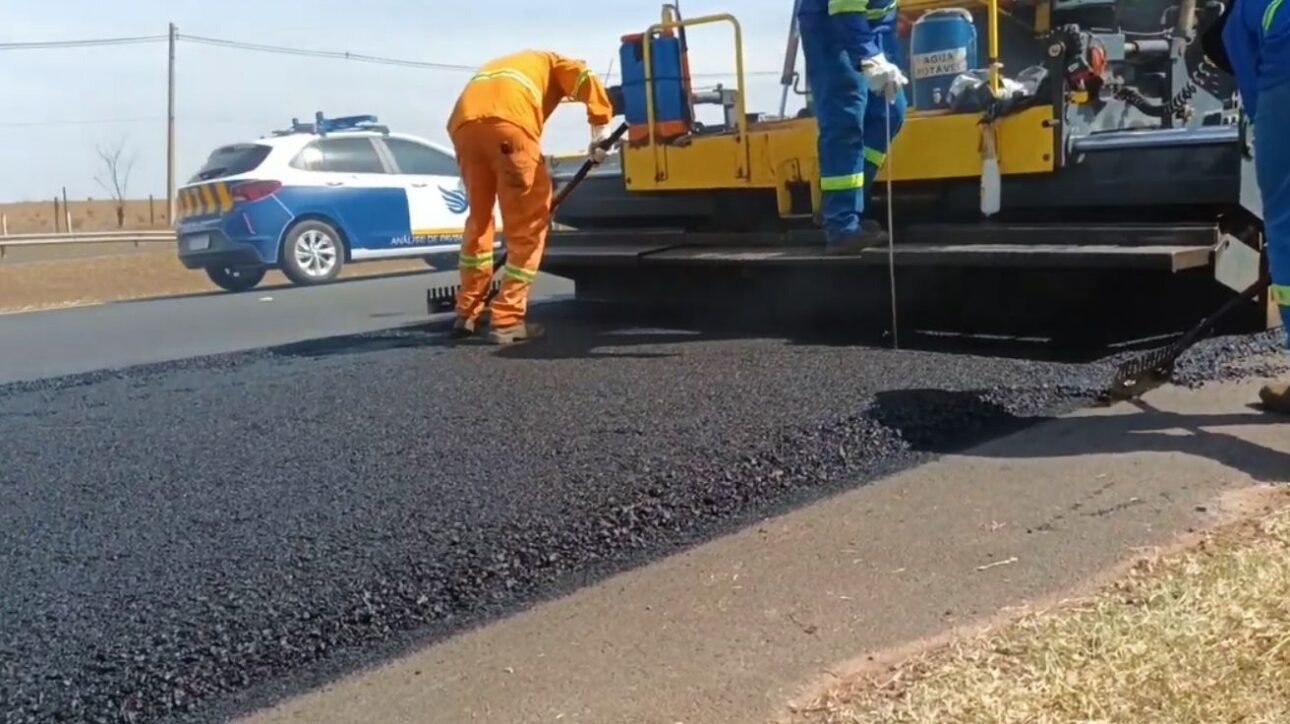
A stretch of the Comandante João Ribeiro de Barros highway (SP-294), in Parapuã (SP), has become a pioneer by adopting a sustainable solution in paving: asphalt with post-consumer recycled plastic, capable of increasing the pavement’s resistance and reducing environmental impact.
The initiative, led by the concessionaire Eixo-SP, stands out as a national reference in the use of technology aimed at road sustainability.
According to Assis Villela, Eixo-SP’s Paving Manager, the technology uses a mixture of post-consumer recycled plastic (PCR) and reclaimed asphalt pavement (RAP) in the asphalt pavement, representing an innovative alternative for the utilization of urban solid waste.
-
How an innovative city combines high technology, well-being, and sustainability to become the largest reference in clean energy on the planet.
-
Couple buys 1846 church in ruins for R$ 660,000, invests R$ 3.2 million in renovations, transforms it into a millionaire mansion, and even preserved a historic cemetery with over 300 graves.

-
He started running at 66 years old, broke records at 82, and is now a subject of study for having a metabolic age comparable to that of a 20-year-old, in a case that is intriguing scientists and inspiring the world.

-
Oldest tree on the planet reappears after 130 years of searches: Wattieza, 385 million years old, was 10 meters tall and had no leaves or seeds; Gilboa fossils in New York solved the mystery in 2007.


According to Villela, “the goal is not only to improve the pavement’s performance but also to provide a proper destination for discarded plastic, which accumulates in landfills and pollutes the environment.”
The initiative earned Eixo SP the award at the 6th Inovainfra 2025 edition, organized by the magazine O Empreiteiro, for the third consecutive year.
Sustainability and Environmental Impact
Brazil, according to the Brazilian Association of Public Cleaning and Special Waste Companies (Abrelpe), produces more than 11 million tons of plastic waste annually, and less than 2% is recycled.
The adoption of asphalt with recycled plastic helps to provide a sustainable destination for this waste, reinforcing the social and environmental responsibility of the infrastructure sector.
In addition to sustainability, the initiative also generates positive impacts on the durability of the highways.
As Robinson Avila, Engineering Director at Eixo-SP highlights, the addition of recycled plastic to the asphalt mixture increases fatigue and deformation resistance caused by heavy traffic, reducing maintenance costs.
“This is an important advancement for national paving, as it decreases the need for virgin materials and extends the pavement’s lifespan,” Avila states.
Innovative Technology in Latin America
The Brazilian experience follows a global trend.
Countries such as the United Kingdom and India are already using similar technologies to enhance sustainability in their highways, but according to Emerson Rodrigues Maciel, Engineering Solutions Manager at Stratura Asfaltos, the experience on the SP-294 stands out due to the combined use of 6% recycled plastic in the asphalt binder and 25% RAP, exceeding international standards.
“The percentage of plastic used here is much higher than in other countries, which reinforces the innovative aspect of the project,” Maciel explains.
The RAP, a recycled component derived from the milling of old asphalt, undergoes processing and gradation correction to ensure performance.
The engineers use rejuvenating agents to restore flexibility to the recycled material and maintain strict temperature control during the process, preventing oxidation of the asphalt binder.
According to Villela, this technological control was crucial for the successful outcome of the final mixture applied in the Parapuã stretch.
In the experiment, the CAP 30/45 binder, modified with PCR, presented benefits such as lower thermal susceptibility, better adhesion between aggregates, and superior oxidation resistance, points highlighted by the concessionaire’s engineers.
The selected stretch receives about 835 commercial vehicles daily, and initial results indicate an increase in the resistance of the sustainable asphalt pavement to cracks, permanent deformations, and wheel rut depressions, chronic problems on Brazilian highways.
Plastic Asphalt: Economy, Environment, and Innovation
In addition to contributing to the environment, the innovation can generate a positive economic impact.
Each ton of recycled plastic incorporated into the asphalt prevents the disposal of thousands of plastic packages and reduces the consumption of natural resources in the pavement production.
According to data presented by researchers, this also contributes to the reduction of greenhouse gas emissions, aligning the initiative with the United Nations (UN) Sustainable Development Goals (SDGs).
The use of asphalt with recycled plastic and RAP in paving also boosts the recycling production chain by increasing the demand for reclaimed materials and fostering the development of new technologies in the sector.
According to Maciel, the experience in Parapuã can serve as a model for other regions in Brazil and strengthen public policies aimed at sustainable road infrastructure.
Sustainable Asphalt Pavement is the Future Trend
For those responsible for the study, the viability of sustainable asphalt pavement is proven from both a technical and environmental standpoint, now it remains to expand the application of this technology on a large scale.
“Asphalt with plastic not only meets technical requirements but also contributes decisively to the sustainability and innovation of Brazilian highways,” states Robinson Avila.
Given these innovations, the question arises: will Brazilian roads one day have the standard practice of using asphalt with recycled plastic in their paving?
How can this technology transform the future of transportation and the country’s relationship with its plastic waste?






Deveriam usar também pneus.