





 Portuguese
  English
  Spanish
  3 min of reading
  0 comments


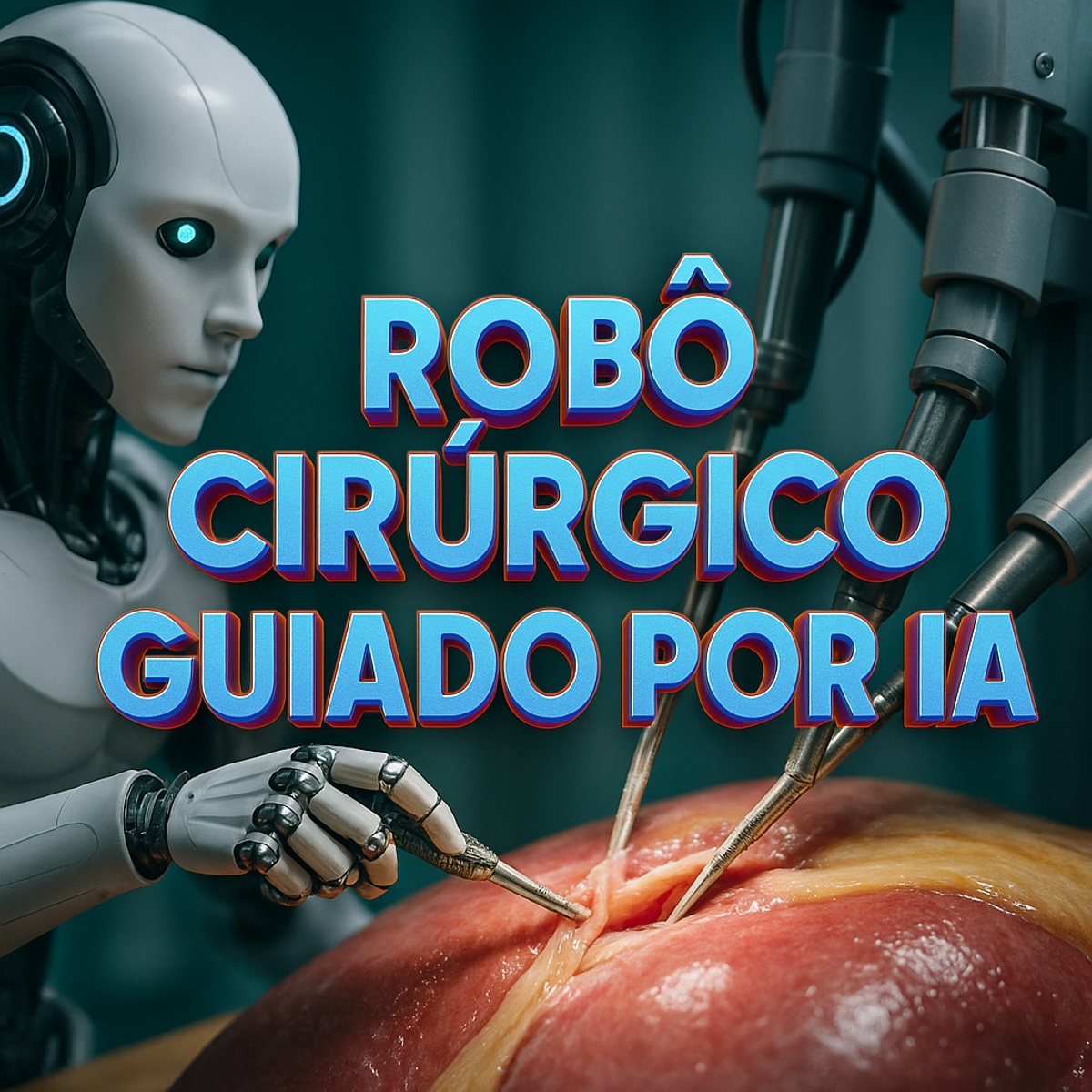
First Autonomous Procedure In Human Reveals How Technology Can Change Medicine
An unprecedented surgery performed in March 2025 promises to revolutionize global medicine.
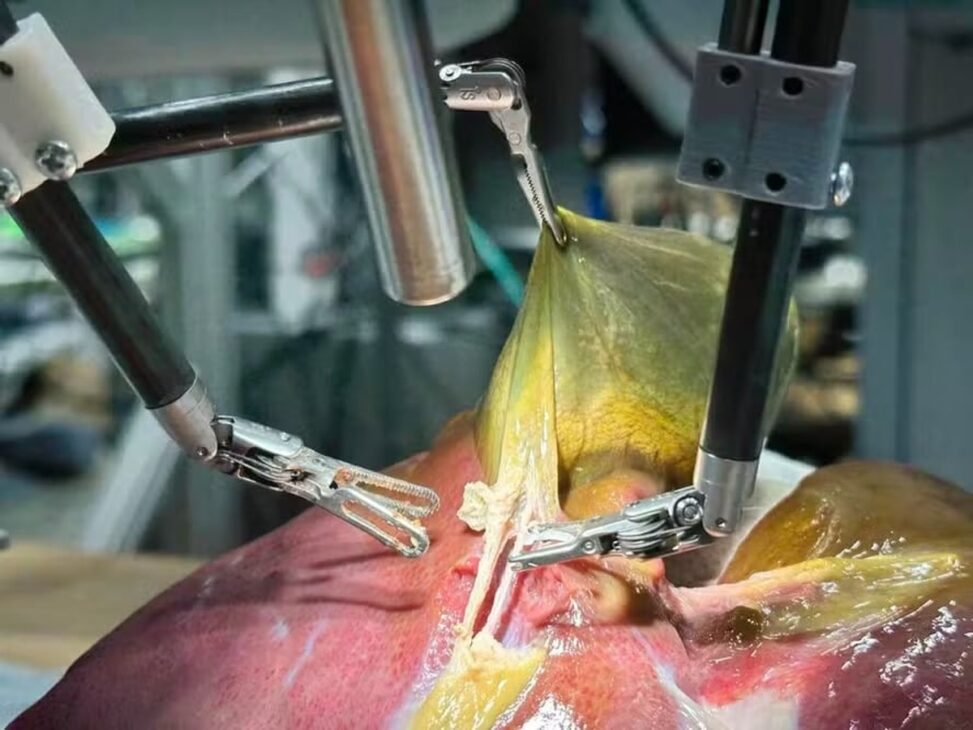
For the first time, a robot guided by artificial intelligence was able to remove a gallbladder from a real patient, demonstrating surgical precision comparable to that of an experienced doctor.
The achievement, published in the Science Robotics journal, was conducted by researchers from Johns Hopkins University in the United States.
-
While the world looks at oil, the war with Iran is already disrupting helium supply from Qatar, affecting car and iPhone chips, threatening AI expansion, and putting pressure on aluminum packaging at the highest value in four years.

-
Global warming will expose a treasure hidden under the ice of Antarctica and may spark an international dispute over gold and valuable minerals.

-
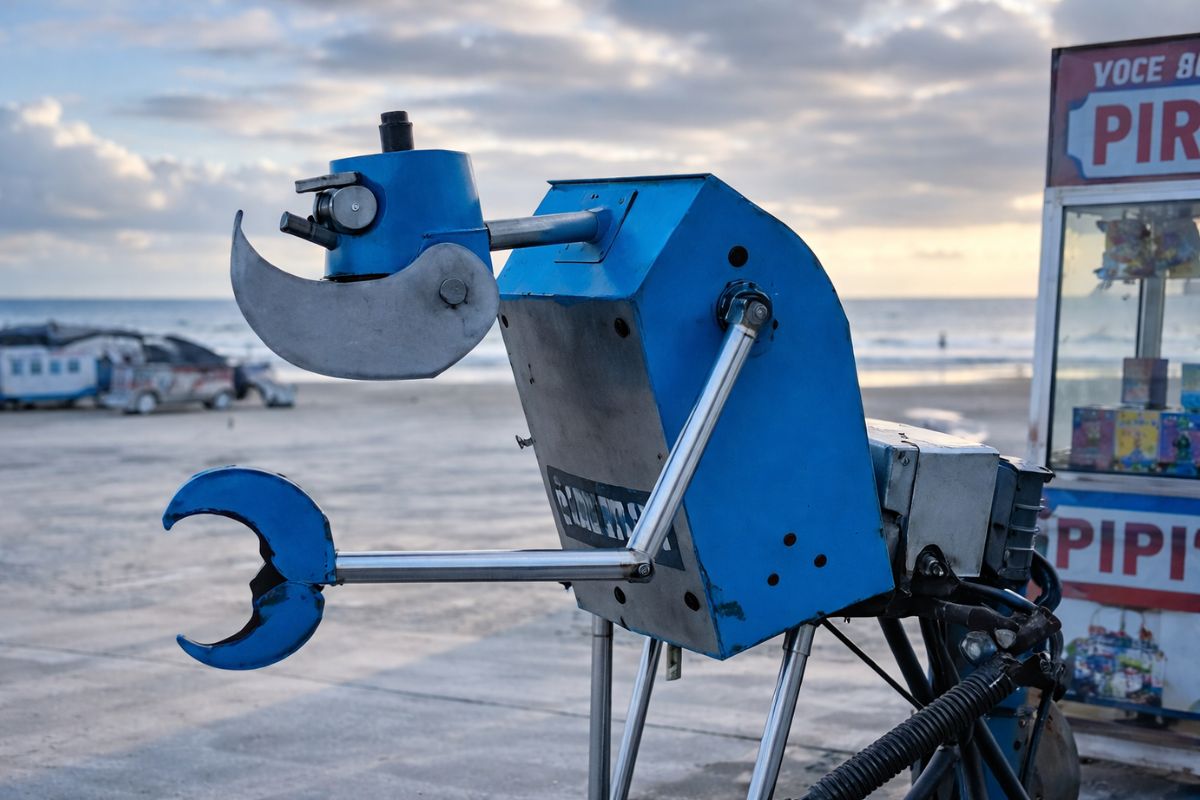
A street vendor from Praia Grande built a robot made of scrap from scooters and washing machines that pulls his popcorn cart on the beach, emits sounds, and interacts with customers, becoming an attraction on the coast of São Paulo.
-
The specifications of the Xiaomi 18 Pro Max have been leaked, and the highlight is a dual 200 MP camera with a new 22-nanometer technology that promises to consume less energy and capture details in shadows and bright areas using LOFIC HDR.


Historic Procedure Reveals AI Potential
For Axel Krieger, project leader since 2022, “we have moved from robots that follow limited orders to systems that understand entire surgeries.”
In 2022, the same team performed the first autonomous robotic operation on a live pig, using the STAR robot.
However, at that time, the environment was completely controlled and the surgical plan was fixed.
Now, with the SRT-H (Hierarchical Surgical Robot Transformer), the team was able to break this barrier: the system made decisions, corrected itself, and reacted in real-time to unforeseen situations.
Training Based on Machine Learning
To reach this level, the robot was trained, since 2024, using machine learning techniques similar to those of ChatGPT from OpenAI.
The machine watched videos of Johns Hopkins doctors performing surgery on pig cadavers, with explanatory captions to reinforce the training.
During the actual procedure, the SRT-H responded to voice commands, adjusting movements like a resident guided by a mentor.
Interactivity Makes Robot Learn from Feedback
While conventional robotic systems merely repeat pre-programmed steps, the SRT-H understood instructions such as “grasp the gallbladder’s neck” or “move the left arm further left.”
Even when researchers complicated the procedure by altering the anatomical appearance with blood-like dyes, the robot adjusted its strategy.
Jeff Jopling, a surgeon at Johns Hopkins, emphasizes: “This modular training shows how it’s possible to automate complex tasks safely.”
Performance Surprises Medical Team
Although the procedure took longer than that of a human surgeon, the outcome was deemed flawless.
For Krieger, current robotic arms assist doctors but do not operate on their own.
With the SRT-H, the possibility emerges for robots to perform complete surgeries, with supervision only when necessary.
Timeline Confirms Advancement
- 2022: The STAR robot performs the first autonomous surgery on a live pig.
- 2024: The team trains the SRT-H in basic tasks such as suturing and handling needles.
- March 2025: Gallbladder removal performed on a human with 17 complex steps.
Impact for the Future of Medicine
For experts, the SRT-H could democratize complex surgeries in regions lacking qualified professionals.
Johns Hopkins has already confirmed intentions to expand testing for other types of procedures, raising the level of medical automation.
This advancement also paves the way for robots to learn by imitation, improving precision, safety, and access.
Challenges and Responsible Governance
Despite the excitement, the team stresses the importance of clear protocols and constant monitoring to avoid risks.
The expectation is that new clinical trials will occur in 2025, expanding the use of SRT-H in areas such as cardiology and orthopedics.
For Krieger, “this is just the beginning of a phase where machines will help doctors operate more efficiently, accurately, and safely.”
What to Expect from Robotic Surgery?
Experts warn that success depends on transparency, solid governance, and rigorous training.
Balancing automation and human supervision will be essential for AI to complement — and not replace — the clinical insight of professionals.
And you? Do you believe that autonomous robots can improve public health? Or do you prefer 100% manual procedures? Share your opinion!








Seja o primeiro a reagir!