





 English
  Francês
  Alemão
  Italiano
  Japonês
  Norueguês
  Portuguese
  Spanish
  3 min of reading
  0 comments


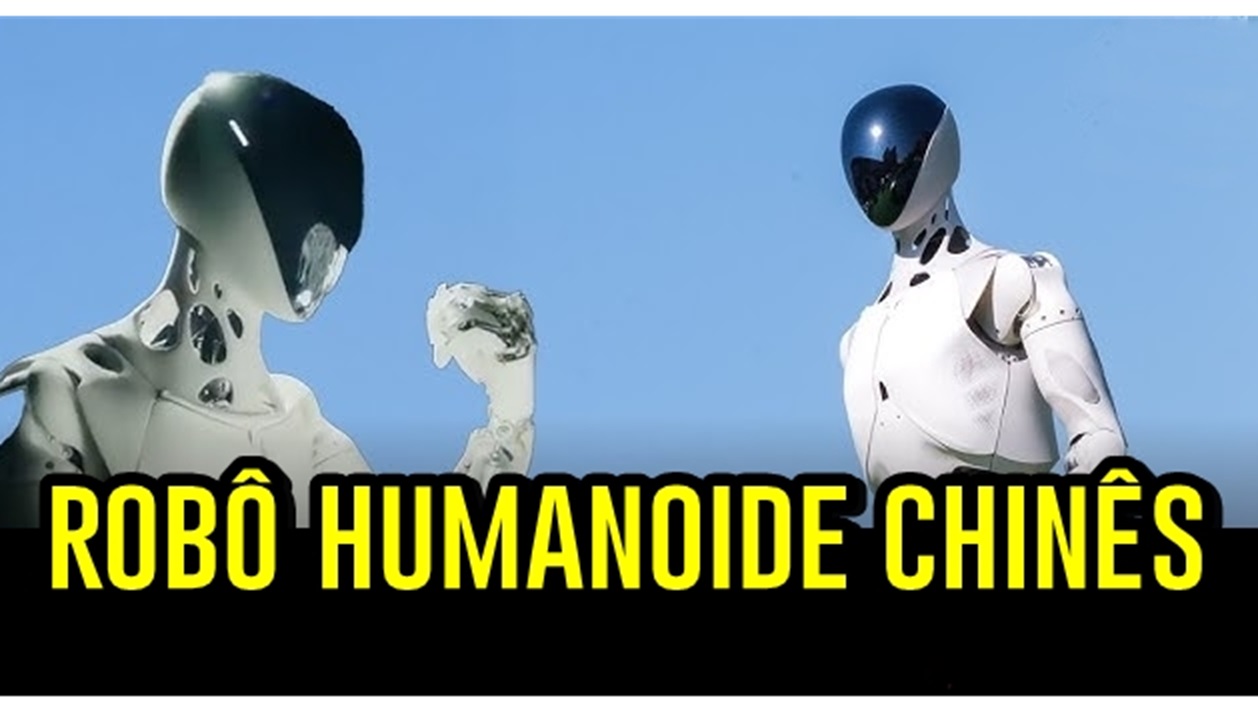
Chinese Innovation: Iron Humanoid Robot with 60 Joints Imitates Human Movements with Impressive Precision
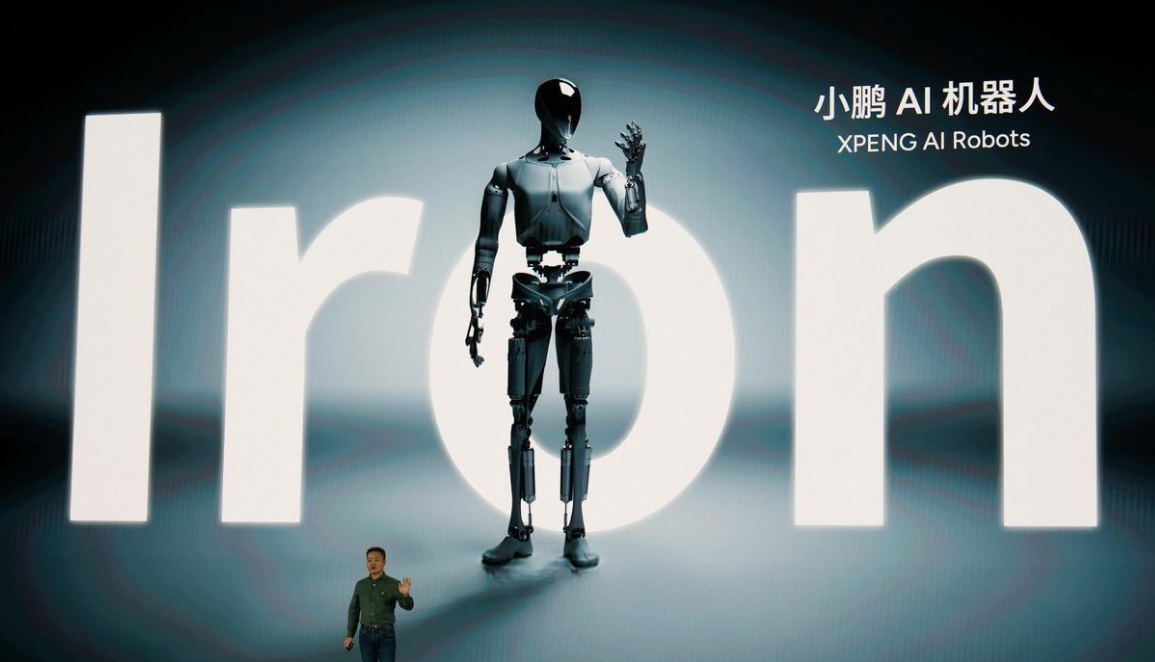
XPENG, a Chinese electric vehicle manufacturer, has taken a significant step by unveiling Iron, its first humanoid robot. The launch marks the company’s expansion beyond the electric vehicle market, exploring new fronts in robotics and artificial intelligence (AI), similar to the path taken by Tesla.
The Iron humanoid robot features over 60 joints and 200 degrees of freedom, allowing it to perform complex movements with precision. According to XPENG, this technology is inspired by functionalities already used in its electric vehicles, highlighting the convergence between the automation and robotics sectors of the company.
Iron, standing at 1.75 m tall and weighing about 70 kg, is already operational on the manufacturer’s production lines, assisting in assembling the new electric vehicle model, the P7+.
-
The climate in 2026 may surprise with extremes even more intense than in 2025, with heatwaves, out-of-season cold, and irregular rainfall in Brazil.

-
Astronomers identify 45 rocky planets that could harbor life, and one of them is just 4.2 light-years from Earth, making it the closest neighbor with the potential to have liquid water on its surface.

-
Archaeologists discover 43,000 ostraca in Egypt with tax lists, drawings, religious texts, and everyday notes that reveal what life was like in ancient Athribis before Cleopatra.

-
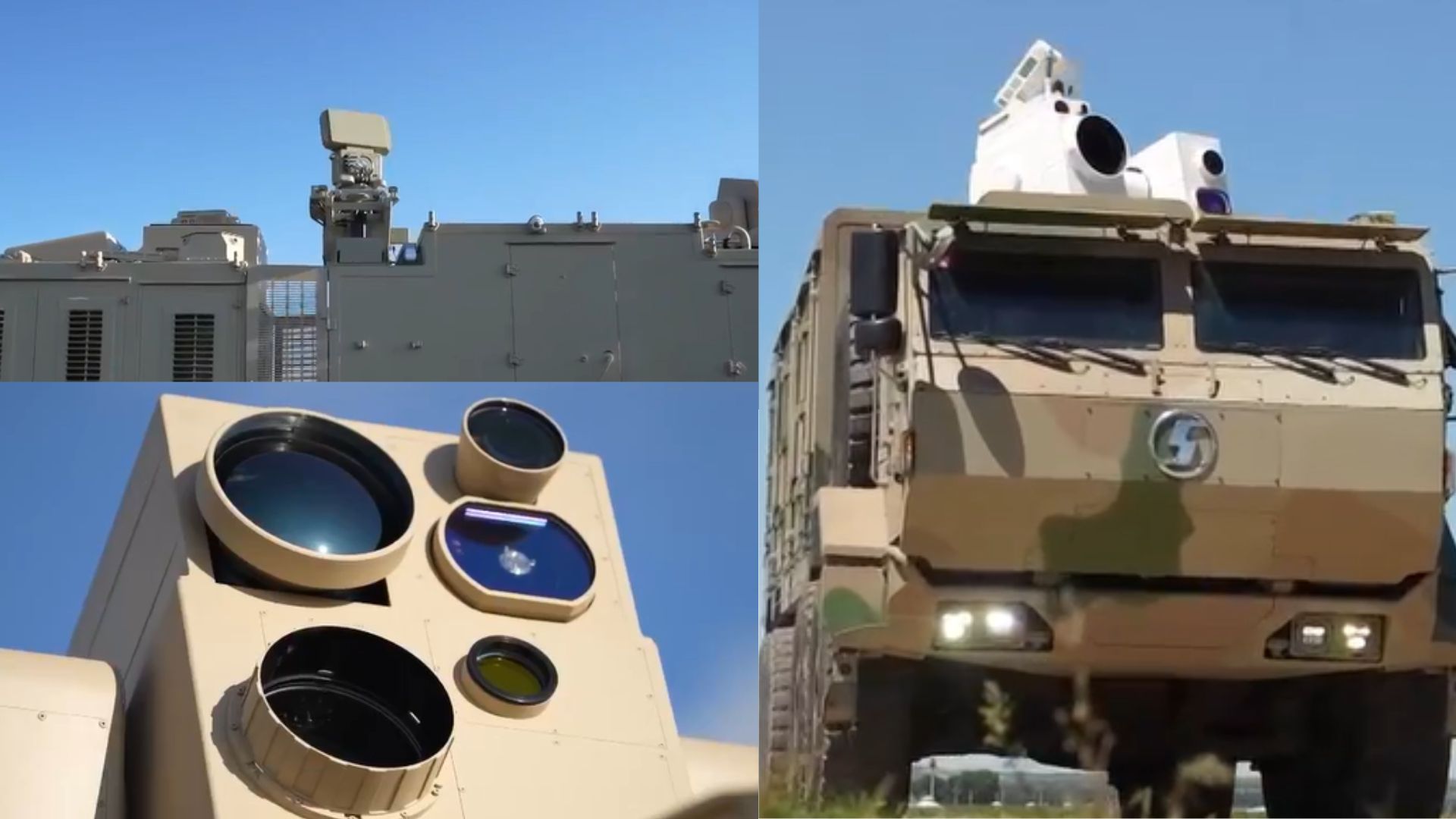
China showcases laser defense systems that target drones flying very low and attempts to address a flaw that has been concerning armies worldwide.

Humanoid Robot — Cutting-Edge Technology Powered by the Turing AI Chip
The operating system of Iron is powered by the Turing AI chip, developed specifically for the demands of robotics and autonomous vehicles.
This chip, with 40 CPU cores, can process up to 30 billion parameters, enabling real-time decision-making that simulates human flexibility.
As a result, the humanoid Iron not only executes programmed tasks but also adjusts its actions based on context, providing precise and effective responses to complex tasks.
In terms of performance, the Turing AI completed over 2,700 tests in just 40 days, surpassing industry standards.
This speed and effectiveness provide XPENG with a significant advantage in a competitive market, especially concerning Tesla and other companies investing in humanoid robots.
Expansion of Use: From Factory Floor to Customer Service
Beyond the production line, XPENG plans to integrate Iron into retail environments, offices, and even homes. The vision is for the Humanoid Robot to act as a personal assistant, managing administrative tasks and providing customer support.
This functionality expands the humanoid robot’s field of operation, indicating that it could be a key element in a future network of multifunctional robots.
XPENG faces intense competition in the robotics market, where companies like Tesla already have advanced prototypes, such as the Optimus robot. Despite this, XPENG bets on the personalization and efficiency of its systems as a differentiator to capture the market.
Innovations in the Electric Vehicle Sector: The Kunpeng System
At the AI Day event, XPENG also introduced Kunpeng, a new electric motor system that enhances the efficiency of the company’s electric vehicles.
Based on a high-voltage silicon carbide (800V) platform, the Kunpeng system utilizes a 5C ultra-fast charging AI battery, combined with a coaxial hybrid silicon carbide electric drive.
This transfer offers efficiency and reliability, optimizing the performance and range of XPENG vehicles.
With Kunpeng, XPENG promises to charge 80% of the battery in just 12 minutes, which represents an additional range of 1 km per second.
The system is also equipped with an ultra-quiet range extender, with noise levels reduced to just 1 dB, and an energy optimization feature based on AI.
Ultra-Fast Charging Station and Battery Health
Complementing the Kunpeng system, XPENG revealed the S5 charging station, equipped with a liquid cooling system.
This station allows for ultra-fast recharging, adding up to 1 km of range per second, which promises to drastically reduce wait times at charging stations.
To maximize battery lifespan, XPENG employs dynamic AI Battery Doctor technology that continuously monitors each battery cell, identifying and correcting any faults.
With this, the company hopes to increase battery durability by up to 30%, contributing to greater sustainability in the use of electric vehicles.
Projections for the Future: Global Expansion and New Markets
XPENG has ambitious growth plans. The company intends to expand its presence to over 60 countries next year, seeking to consolidate its position in the global electric vehicle market and the Humanoid Robot.
Furthermore, XPENG is exploring flying car technologies, with plans to launch the first hybrid models by 2026.
These advancements indicate that XPENG is preparing to become a major player in the technology sector, not only as an EV manufacturer but as a comprehensive developer of AI, robotics, and autonomous vehicles.
However, it remains to be seen how the company will face criticism and comparisons with other industry leaders, such as Tesla.









Seja o primeiro a reagir!