





 Portuguese
  English
  Spanish
  4 min of reading
  0 comments


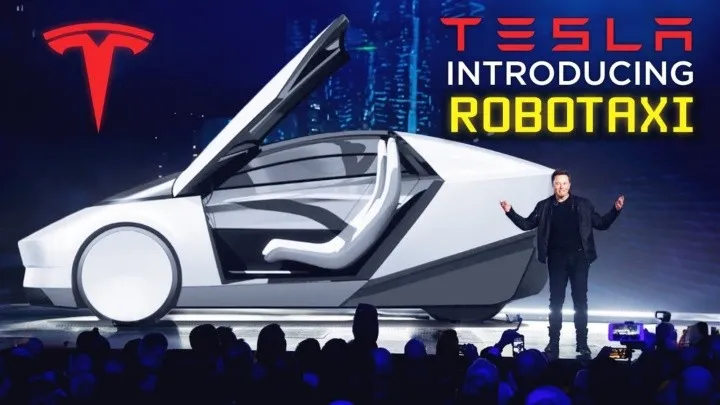
Tesla’s Robotaxi Platform Is Seen As The Future Of The Company, Representing 90% Of Its Value In 5 Years. See How This Technological Innovation Is Prepared To Dominate The Market And Change The Transportation Sector!
The Tesla Robotaxi Platform from Elon Musk is about to transform the electric vehicle market and could become the company’s primary source of value in the coming years. According to Tasha Keeney, an analyst at Ark Invest, the launch of Tesla’s robotaxi product marks the first step toward a trillion-dollar market.
She believes that the impact of this new segment could represent about 90% of the company value of Tesla in the next five years.
Tesla’s Robotaxis: What To Expect?
The expectation is that Tesla will achieve full self-driving autonomy with future updates to its Full Self-Driving (FSD) software.
-
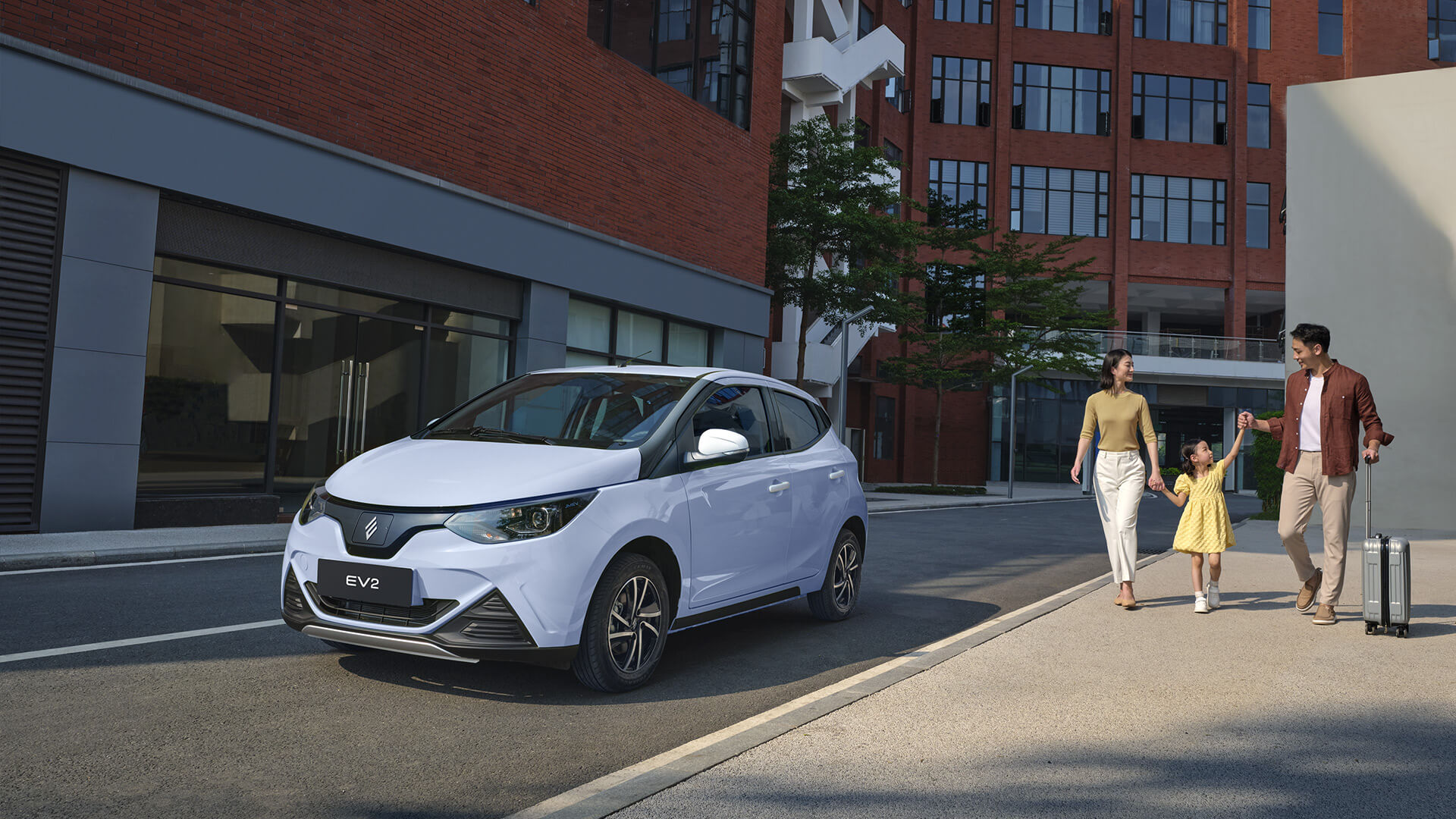
Goodbye expensive popular car: electric vehicle for less than R$ 70,000 starts being sold in Brazil with a range of 200 km and targets those looking to escape gasoline.
-
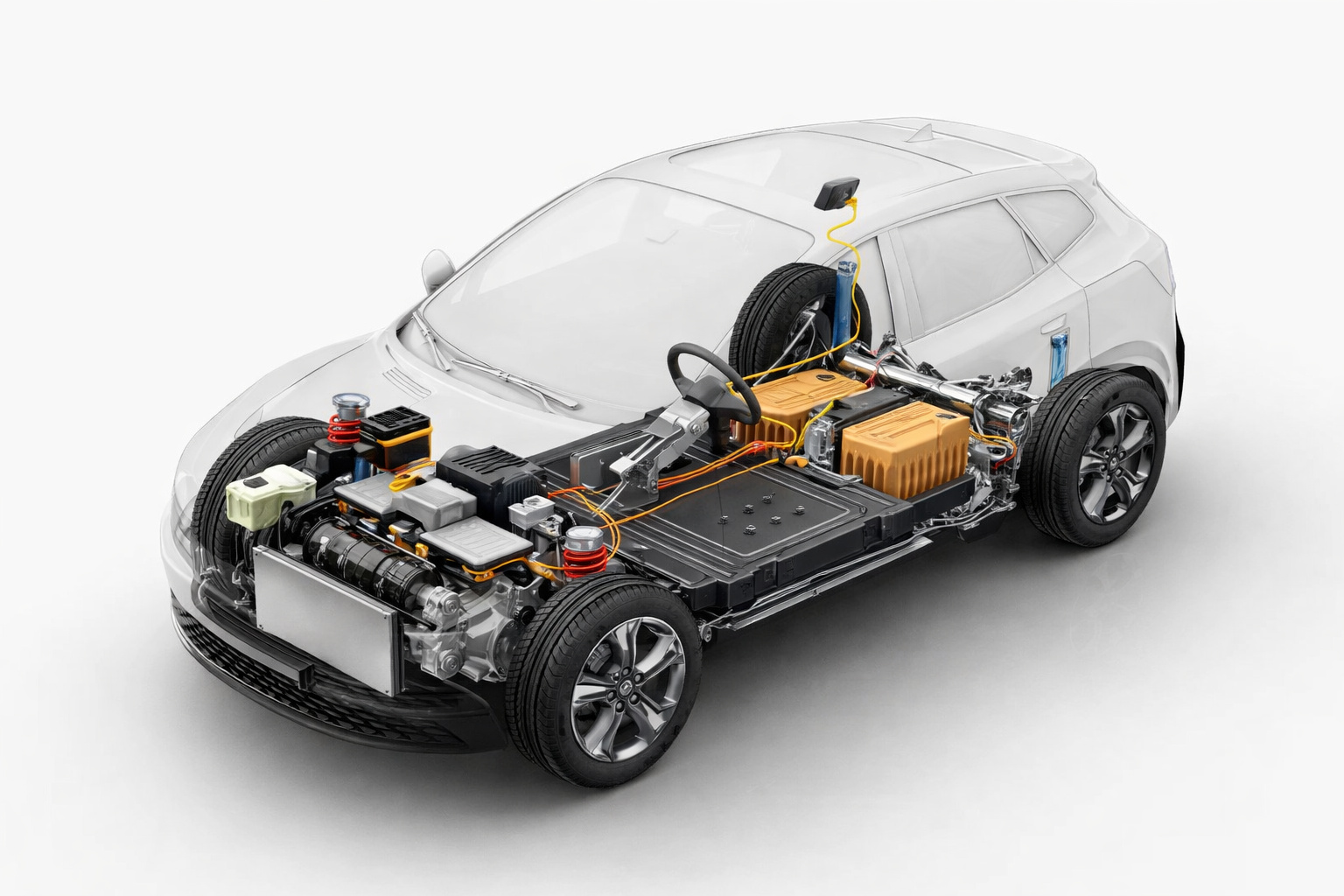
China Surprises Automotive Industry With Battery That Promises Electric Car Able to Run Up to 1,000 km Without Recharge
-
Why BYD Grew So Fast in Brazil and How Blade Batteries, Electric Cars, and Industrial Incentives Shaped This Expansion in the National Automotive Sector
-
Electric Cars Make Progress in Brazil in 2026 and Promise to Reduce Drivers’ Costs with Cheaper Energy, While Infrastructure Grows Slowly Across the Country
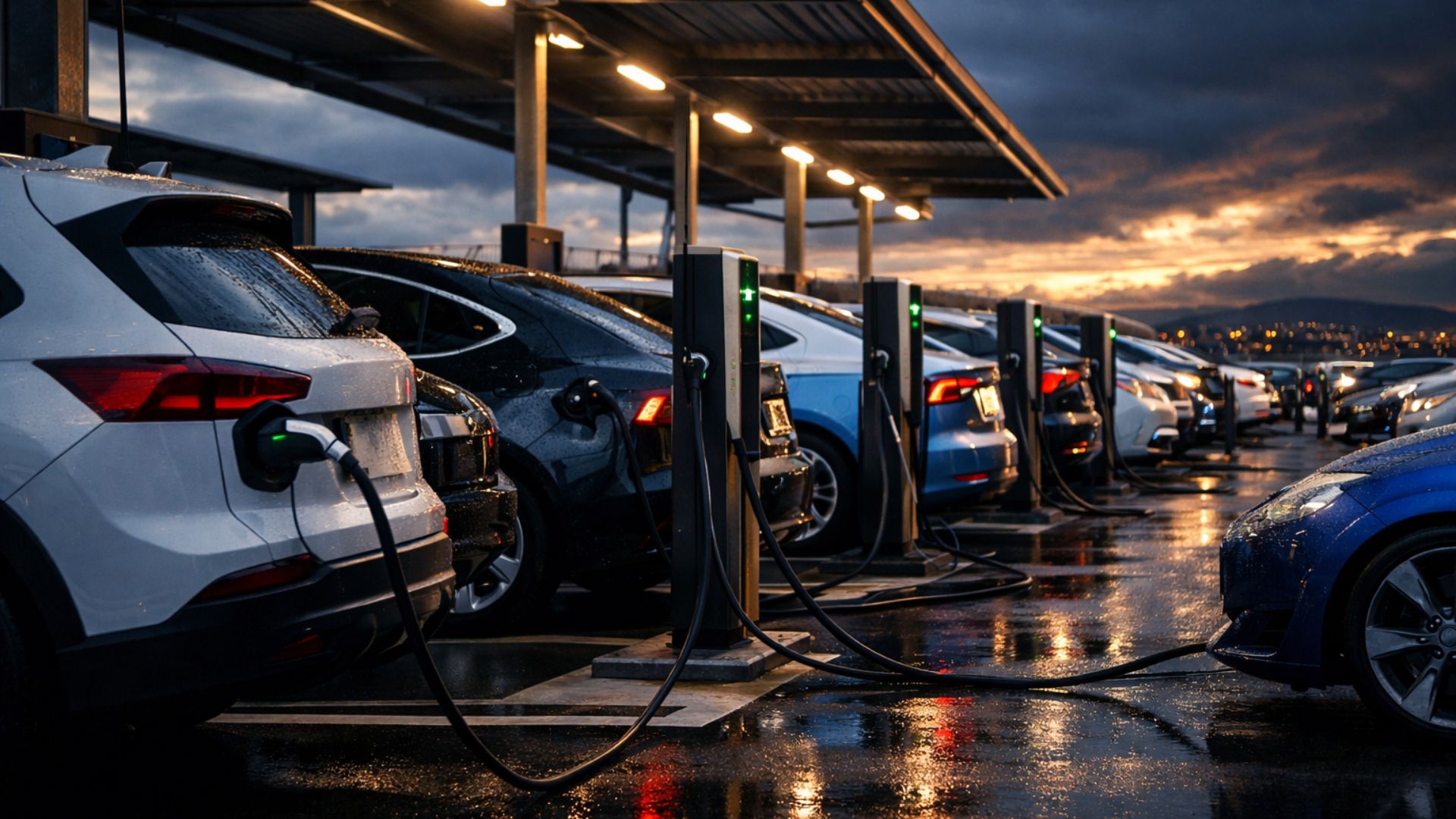

With this, the company would be ready to launch its robotaxi service in one or two years, something Elon Musk, CEO of Tesla, mentioned during the second quarter 2024 earnings call. Musk stated that Tesla could achieve autonomous driving by the end of this year or in 2025.
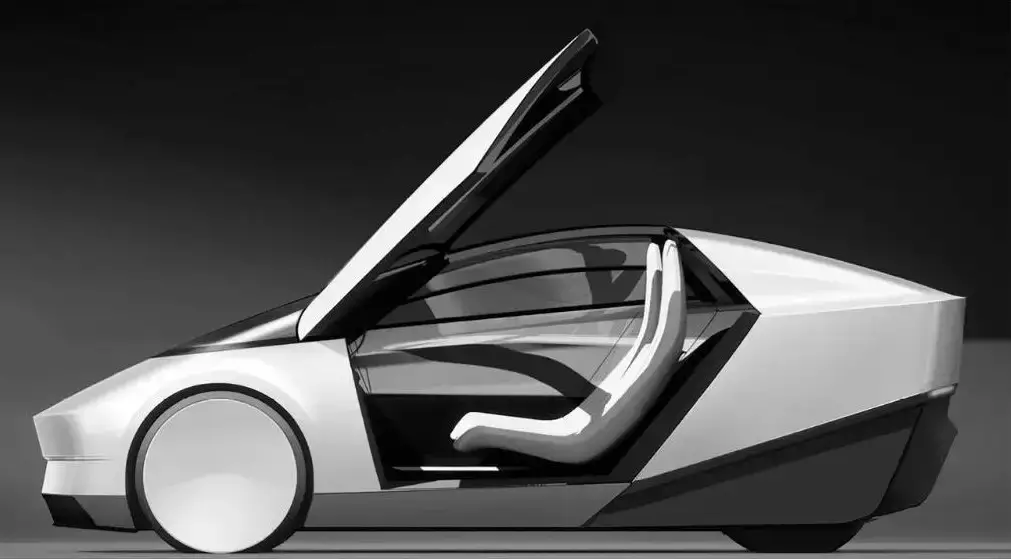
Will Production Be A Challenge?
According to Keeney, the production of a low-cost robotaxi will not be an obstacle for Tesla to launch its service. The company could utilize its current models, such as the Model 3 and the Model Y, already equipped with FSD, to drive the service immediately.
The main advantage Tesla has over competitors like Waymo, from Alphabet, is the ability to scale its fleet quickly, as it does not rely on high-definition maps or geofencing (limiting operation to specific areas).
Another positive point highlighted by the analyst is the vast database that Tesla has, accumulated from millions of miles driven by its vehicles on various roads across the United States.
In contrast, Waymo, while advanced in its technologies, operates on a much smaller scale, focusing only on a few specific cities and with a more limited fleet.
Comparison With Waymo
Tesla differentiates itself even further from Waymo regarding vehicle production. While Waymo relies on third parties, such as Zeekr and Hyundai Motor, for the manufacturing of the cars that make up its fleet, Tesla has the advantage of being both a car manufacturer and the developer of autonomous driving technology.
Ark Invest estimates that the production cost of a Waymo vehicle exceeds $100,000, with the sensor package accounting for over $40,000 of that value. In contrast, the Tesla Model 3, with sensors included, costs around $40,000.
Moreover, Tesla already has the necessary infrastructure to scale the robotaxi service, such as factories, a charging network, and maintenance support, allowing for efficient growth.
Regulatory Barriers
From a regulatory standpoint, Keeney believes that the challenges will be smaller than the technical difficulties in achieving full autonomous driving.
Companies like Waymo and GM’s Cruise have already paved the way, with about 40 states in the U.S. explicitly approving the use of autonomous vehicles or not prohibiting their operation.
Another relevant factor is that autonomous transportation services could significantly reduce costs compared to traditional rideshare services, which depend on human drivers.
This cost reduction, thanks to the high utilization rates of robotaxis, should stimulate demand and expand the market over time. Ark Invest predicts that Tesla could charge a service fee more than double what Uber currently charges, which is around 30%.
The Importance Of The Event
Tesla investors are keeping an eye on the launch event for the robotaxis, which will be an opportunity to boost the company’s stock value after third-quarter delivery numbers fell short of market expectations.
The event, originally scheduled for August 8, has been postponed to October 10, with the aim of implementing significant improvements in Elon Musk’s robotaxi and preparing other news to be revealed.
Implications For The Future
The growth potential for Tesla in the robotaxi market is vast, and the company is in a unique position to capitalize on this opportunity.
With the combination of its production capacity, vast autonomous driving database, and existing infrastructure, Tesla is positioned to lead the next revolution in transportation.
If Tesla can achieve full autonomy in the near future, as Elon Musk predicts, and overcome technical and regulatory barriers, the impact on its market value could be monumental.
The launch of the robotaxi platform will not only diversify the company’s revenue sources but could also redefine urban mobility, offering a more accessible, efficient, and safe service.
As the robotaxi event approaches, the world is waiting to see how Tesla will shape the future of autonomous transportation.





-

Uma pessoa reagiu a isso.