





 Portuguese
  English
  Spanish
  3 min of reading


Nauticus Robotics, Founded by Nicolaus Radford, Is Launching the First Hydronauts and Aquanauts for Full Commercialization This Year, Planned Tests Will Be Held in Norway and the Gulf of Mexico.
Going against traditional operators in the industry, Nauticus Robotics, founded in 2014 by Nicolaus Radford, founder and current CEO, will launch the first aquanauts and hydronauts in nature, operators increasingly closer to their commercialization. The estimate is that the sale of this type of equipment will happen this year (2023).
In the Third Quarter of 2022, Nauticus Robotics Completed a Business Combination with CleanTech Acquisition Corp., Raising Nearly US$ 60 Million to Fund Its First Fleet of Ocean Robots
Currently, Nauticus Robotics has three second-generation Aquanauts being built in Vancouver, which will be destined for Mexico and the coast of Norway.
Two unmanned surface vessels, hydronauts (USVs), are being built in the United Kingdom and will act as launching, recovery, and surface vessel systems for the aquanauts.
-
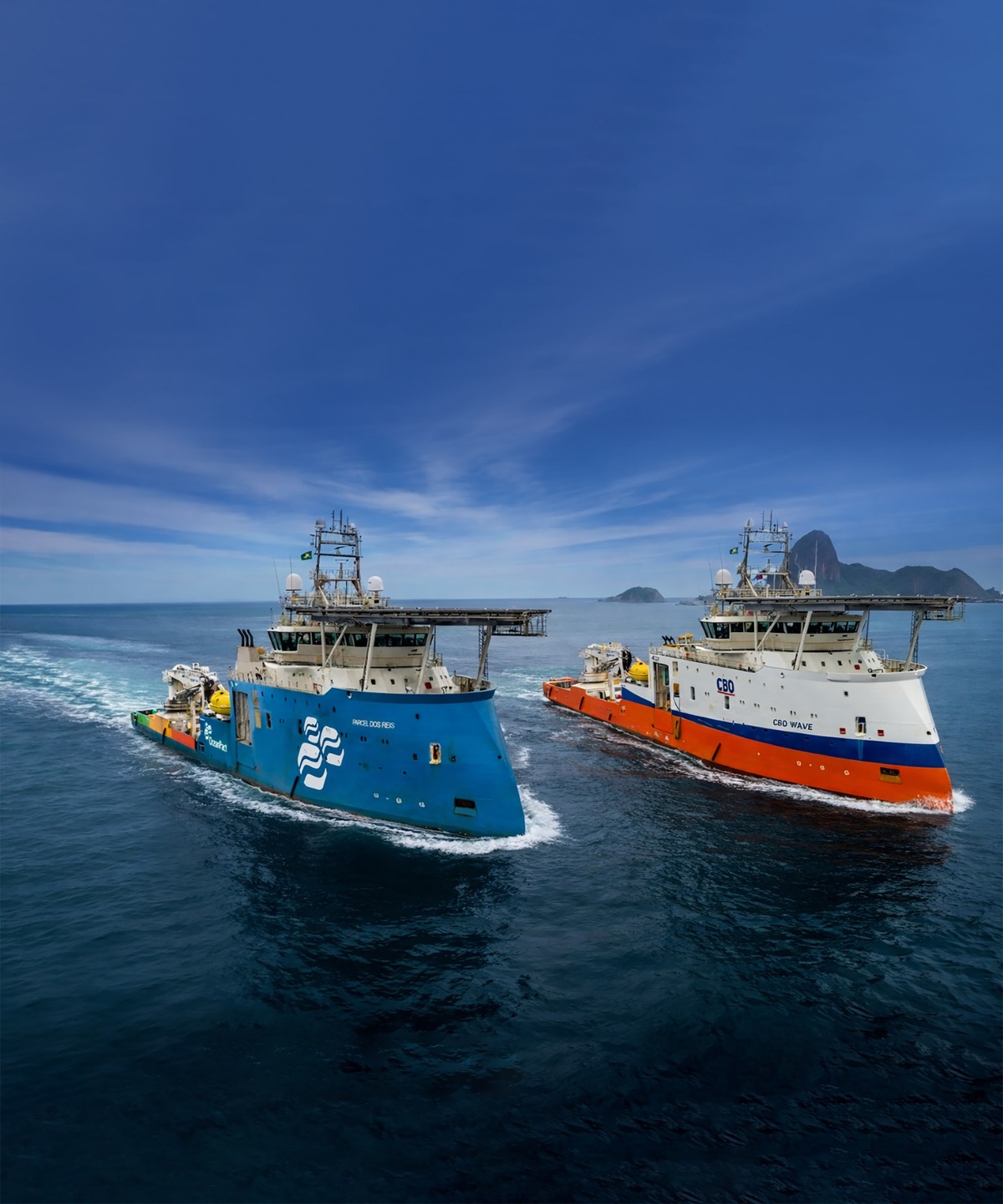
OceanPact Announces Acquisition of CBO and Creates One of Brazil’s Largest Maritime Support Structures with 73 Vessels, Annual Revenue Above R$ 4 Billion and R$ 14 Billion Backlog
-
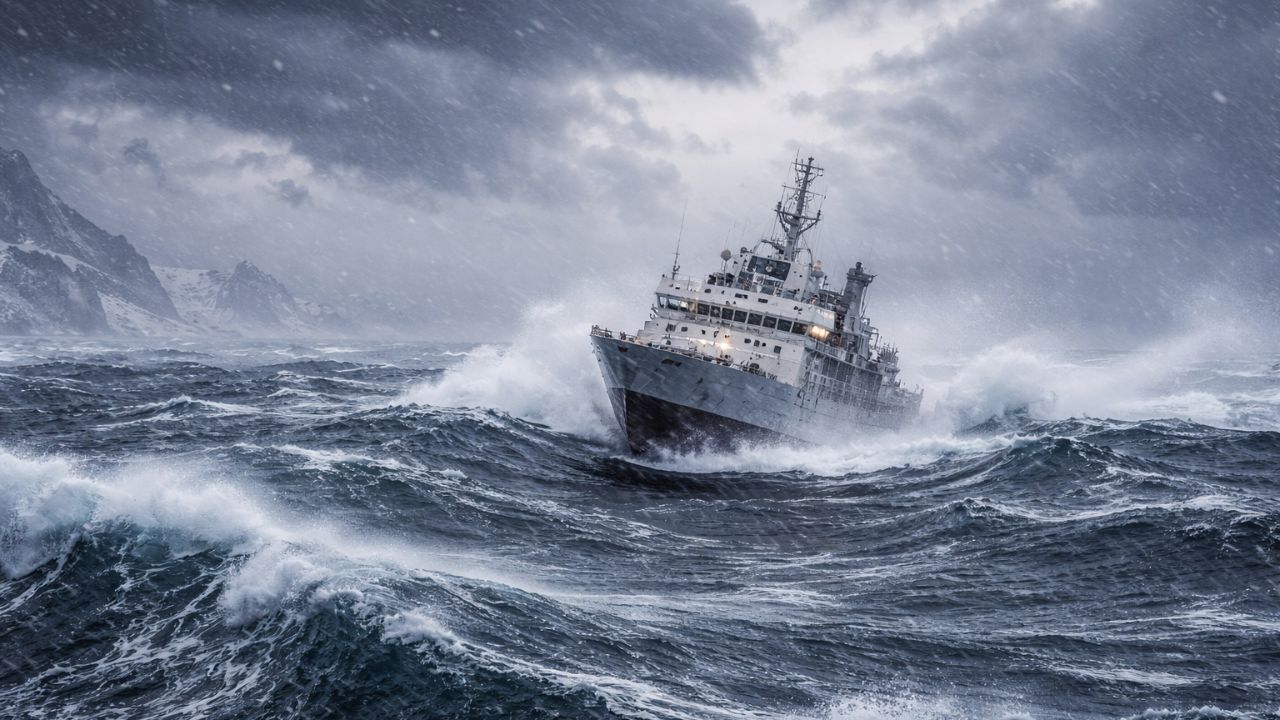
With Extreme Winds, Giant Waves, and Unrestricted Currents, Drake Passage Is Considered the Most Violent Stretch of the Oceans
-
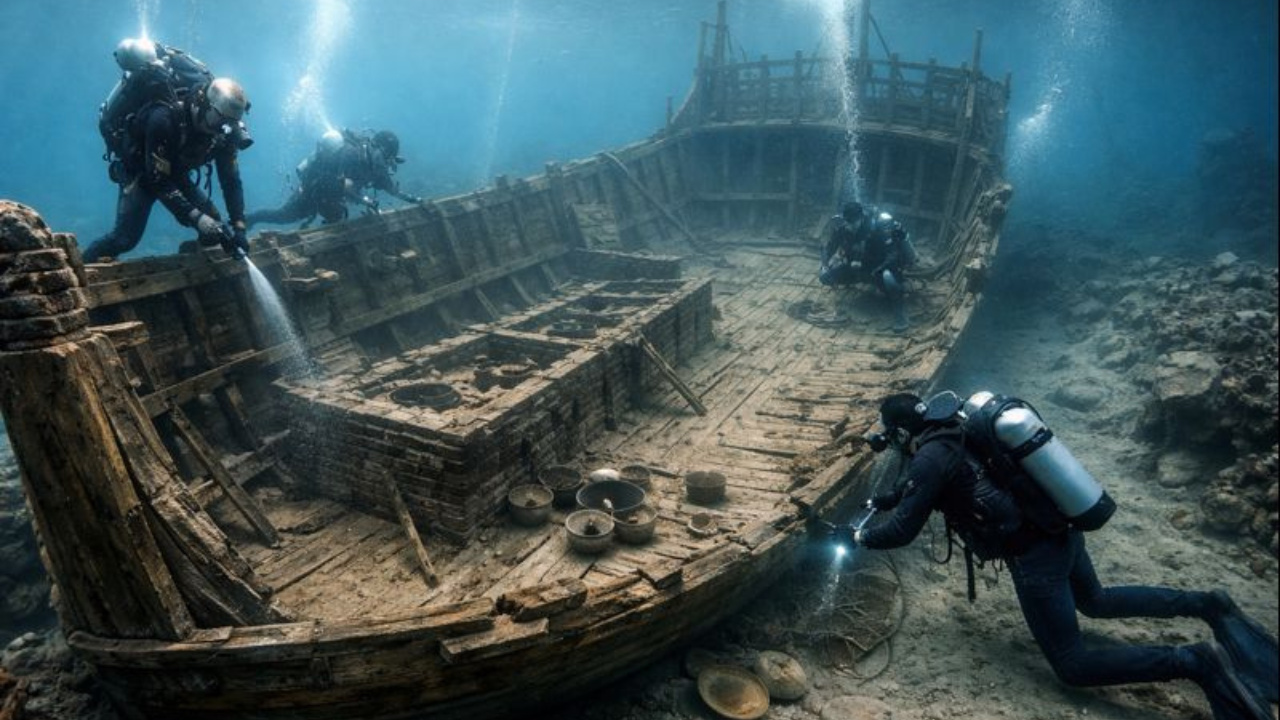
15th Century Merchant Ship Surprises Archaeologists
-
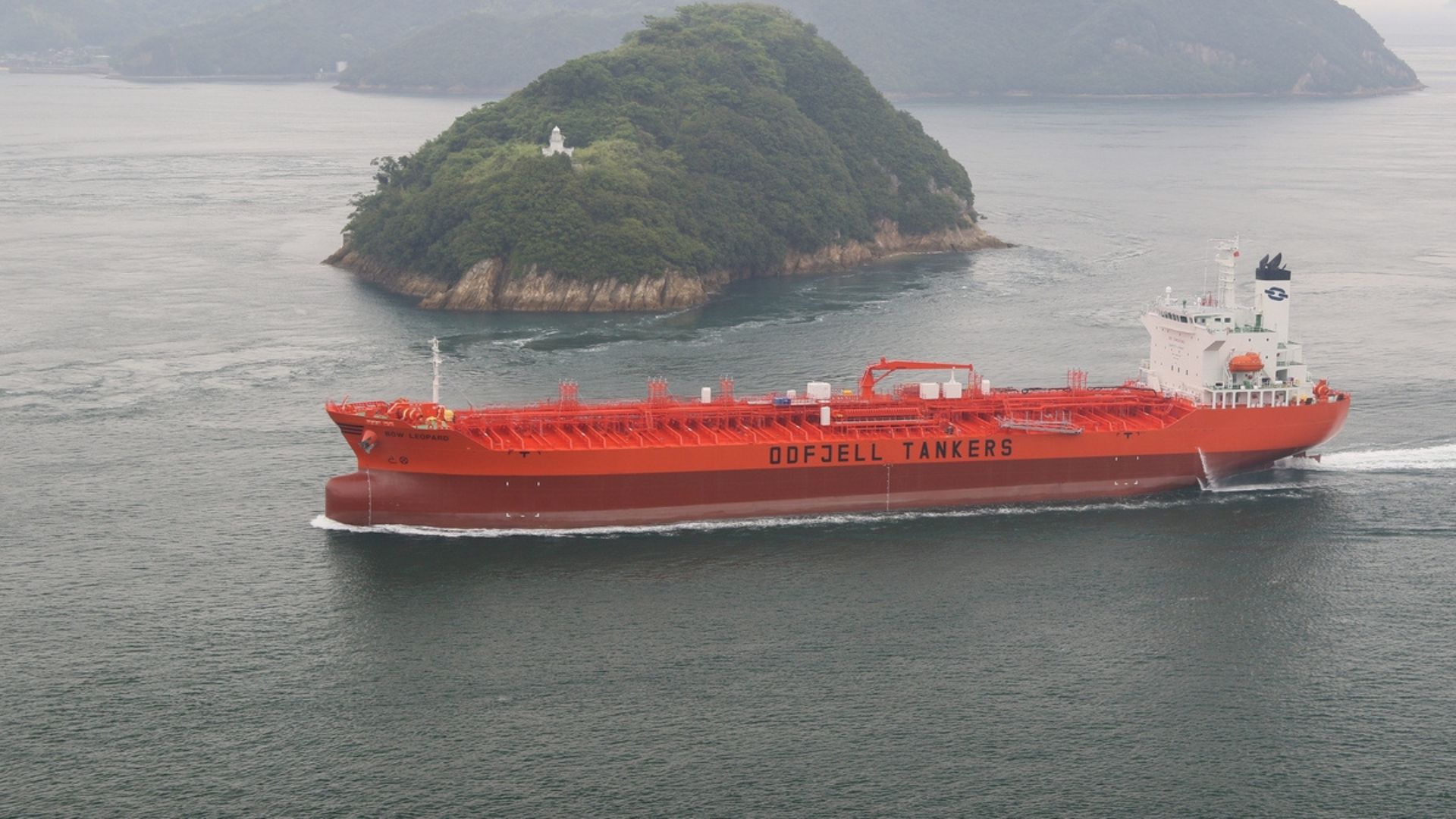
Odfjell Inaugurates First Operational Green Corridor Between Brazil and Europe Using Sustainable B24 on Maritime Routes and Reinforces Decarbonization Strategy
According to the company’s CEO, innovation has been quite slow in the offshore industry, but this fact does not discourage him.
Nicolaus Radford aims to take robotic technology developed especially for space flights to the ocean.
“My dream is to have a network of Aquanauts and Hydronauts working, an entire Navy of them, being controlled by control centers around the world, 24 hours a day, 7 days a week, doing what they want. That is the core of the business. There is an ocean of opportunities to tap into,” he revealed.
According to Radford, Aquanauts and Hydronauts Can Work from Fishing to Global Security, Offering Greater Underwater Surveillance to Protect Critical Structures Like Pipelines and Communication Cables
The CEO of Nauticus Robotics believes that this industry can offer many different facets for movement.
According to him, this market is the “epicenter of all our resources,” ranging from food to minerals and energy. This fact represents a marine economy of approximately US$ 2.5 trillion, with a potential of about US$ 30 million for ocean robotics investment being built by Nauticus.
The hydronauts created by Nauticus will feature a Guardia Autonomy package from Marine AI, located in Plymouth, United Kingdom.
The package is a launching and recovery system from Konsberg, as well as deployment through hull for transducers and different acoustic communication systems.
Initially, the package will be signaled for the MCA Workboat Code, optionally decoupled, aiming not to be limited by any regulation, allowing journeys of about 160 nautical miles (257.5 km) from a safe port with its crew.
The Manipulator Designed for the Aquanaut Is Also Being Marketed as an Independent Product
Nicolaus Radford states that the construction of the Aquanaut was like a full moon engineering activity, where several technologies are finding their own independent revenue streams, whether through the software stack called Toolkit that runs everything or all the way to just the manipulator.
The fact that there is currently no electric manipulator on the market prompted the company to fill this gap.
The first delivery was made to IKM, located in Norway, which went through a development period and already has its first production batch.
Nauticus Robotics forecasts the launch of aquanauts and hydronauts for 2023. The goal will support the market through underwater robotic technologies, which is currently made up of traditional technologies.









Seja o primeiro a reagir!