





 Português
  Inglês
  Espanhol
  3 min de leitura
  0 comentários


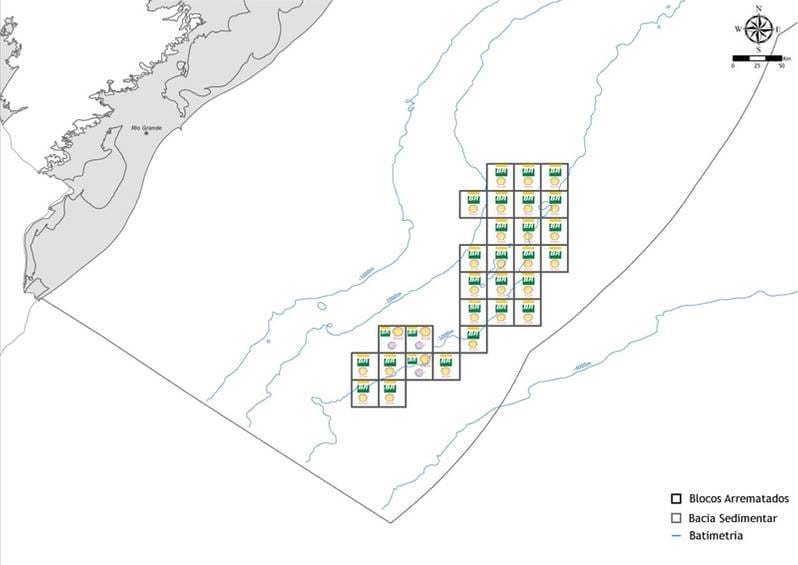
Licensing Rounds In The Basin Of Pelotas Increase Optimism In Brazil’s Deep Water Industry.
The last round of licensing, held on December 13, resulted in the auction of 193 oil and gas blocks in Brazil, indicating a promising scenario for the sector, according to analyses by the consultancy Wood Mackenzie.
In this negotiation process, highlights included total bonus payments of US$ 85 million, the acquisition of 44 blocks in the Basin of Pelotas – with 29 operated by Petrobras and 15 by Chevron – and the attraction of bids in all basins, including the Paraná Basin.
Brazilian Licensing Rounds: Results And Participants
• A single Brazilian operator, Elysian, acquired 122 onshore blocks
-
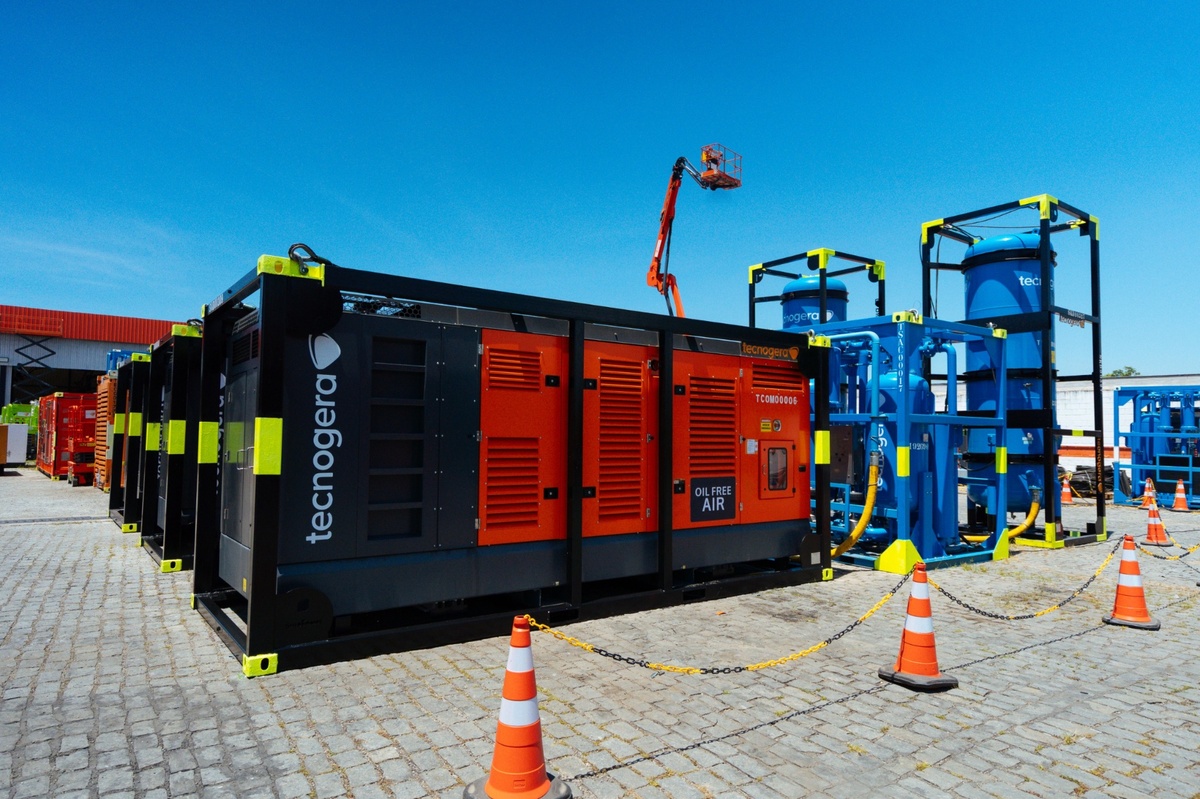
Offshore industrial demand in Macaé skyrockets with the recovery of oil and gas and could grow by up to 396% by 2026 in the Campos Basin.
-
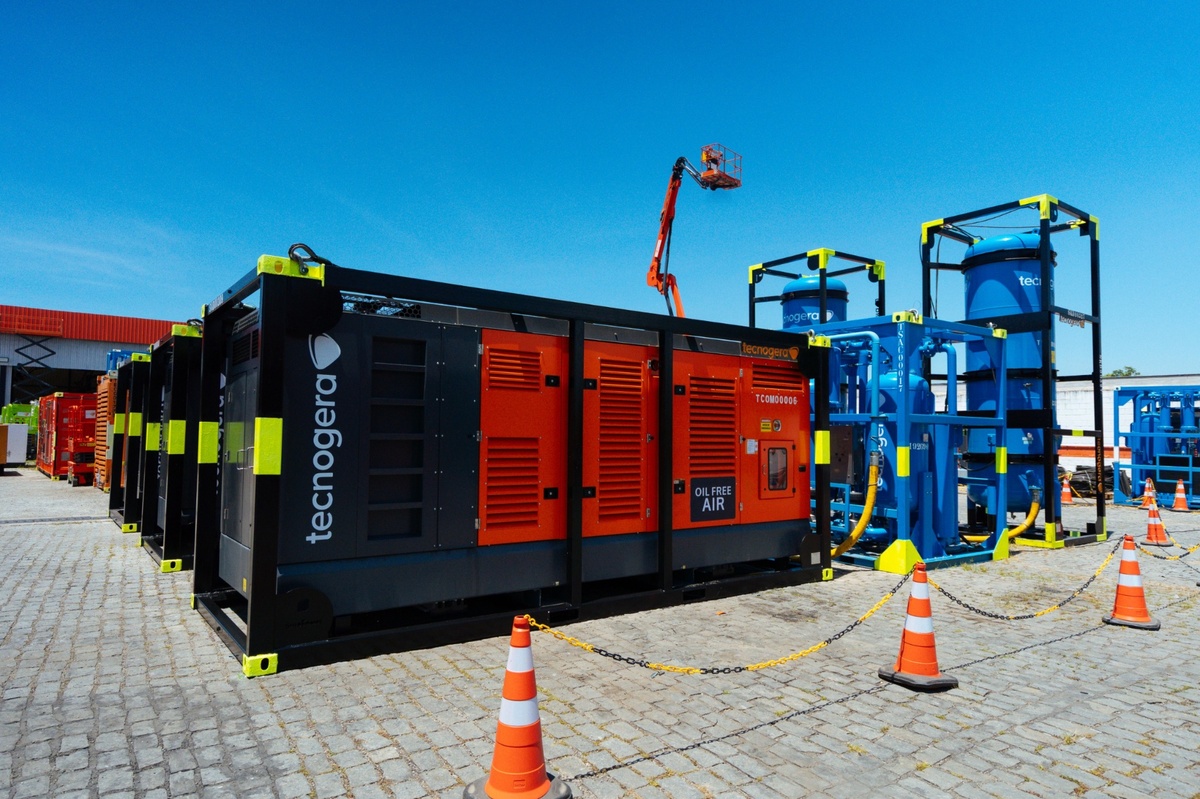
Offshore industrial demand in Macaé surges with the recovery of oil and gas and could grow by up to 396% by 2026 in the Campos Basin.
-
Brazilian giant expands borders in the Southeast: Petrobras confirms new oil discovery in ultra-deep waters in the pre-salt of the Campos Basin.

-
Alert in the global energy market: Severe tropical cyclone hits the coast and disrupts gas production at major plants in Australia, threatening global supply.


• BP, Equinor, Karoon, and CNOOC will operate blocks in the Santos Basin
Commenting on the results, Marcelo de Assis, research director at Wood Mackenzie, said: ‘The Brazilian licensing round was successful and injected some optimism into Brazilian deep waters after recent disappointments in pre-salt exploration. This licensing round opened a new frontier, the Basin of Pelotas, with consortia led by Petrobras competing for areas with Chevron. Chevron was the highest spender. After discoveries in Namibia and ongoing activities in Uruguay, explorers are reassessing Pelotas in Brazil.’
According to de Assis, Petrobras focused its bids only on Pelotas. It was a surprise that Petrobras is opening another frontier area beyond the Equatorial Margin, after more than a decade of exploratory efforts in the Campos and Santos Basins. Petrobras partnered with Shell and Shell and CNOOC, depending on the blocks.
BP was the only bidder for production sharing contracts in the pre-salt polygon. It acquired the Tupinambá block offering 6.50% of the government’s profit in oil (the only bidding parameter), an amount close to the minimum (4.88%). This area is adjacent to another block operated by BP.
Company Participation And Exploration Prospects
The licensing rounds were marked by a diversity of participants and a growing interest in oil and gas licensing. The presence of Petrobras, BP, Equinor, Karoon, CNOOC, and Elysian highlights the relevance of the sector and stimulates the transaction of blocks in strategic areas, such as the Basin of Pelotas. The competition between Brazilian and international operators reflects a dynamic and promising market, driven by research and exploration of deep water reserves.
The consolidation of production sharing contracts in the Santos Basin and BP’s entry into this scenario demonstrate a significant movement in the context of oil and gas licensing in Brazil. The exploration of adjacent areas and the formation of strategic partnerships among companies promise to boost the advancement of the sector and stimulate new negotiations of blocks in frontier regions.
Challenges And Opportunities In The Oil And Gas Industry
The landscape of the licensing rounds reveals a challenging environment, but one filled with opportunities for the companies involved. The diversification of research and exploration activities, coupled with the growth of the bonuses and production sharing contracts, suggests a favorable environment for investments and transactions in the oil and gas sector in Brazil.
Innovation and business strategy stand out as fundamental elements for success in this competitive context, in which operators seek to consolidate their positions and expand their activities in promising areas, such as the Basin of Pelotas. The search for efficient solutions and adaptation to market demands are essential to ensure the sustainability and growth of the deep water industry in the country.









Seja o primeiro a reagir!