





 Portuguese
  English
  Spanish
 6 min of reading
  0 comments


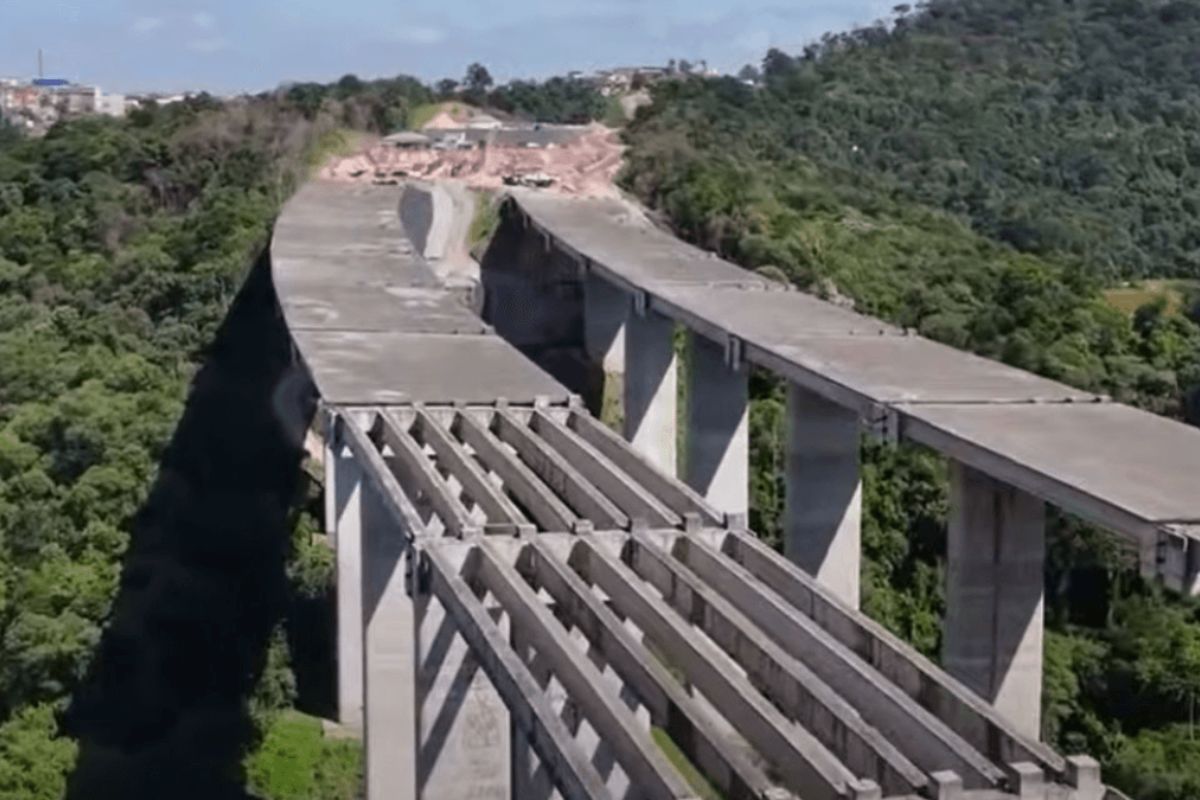
Started in 1998 to take trucks off the margins, the SP ring road should have been ready in 2006, is only due to finish in 2026, and has accumulated collapses, worker deaths, corruption scandals, an abandoned archaeological museum, and even a fake bomb with an invented kidnapping in 2025, blocking traffic for hours and fueling public mistrust
In December 2025, nearly three decades after the kickoff given in 1998, the SP ring road is still under construction and is only approaching the final stretch with the inauguration of the penultimate section of the North segment. The project, according to G1, designed to alleviate heavy traffic from the Tietê and Pinheiros margins and reorganize truck circulation around the São Paulo Metropolitan Region, had an original deadline of eight years and should have been completed in 2006, revealing a difference of nearly 20 years compared to the new schedule, which now indicates completion only by the end of 2026.
In this interval between 1998 and 2025, the SP ring road has accumulated a record that mixes engineering superlatives, corruption allegations, severe accidents, death on the construction site, archaeological finds with no destination, and even a recent episode of suspected hoax bomb with an invented kidnapping. The largest ring road in the country, with 176 kilometers planned in four segments: West, South, East, and North, has become a symbol of eternal work and the difficulty of public authorities in delivering infrastructure on time and without scandals.
The Eight-Year Promise That Turned Into Nearly Three Decades of Work

The SP ring road began to come to life in 1998, during the government of Mário Covas, with the mission of removing through traffic from the internal roads of the capital, mainly trucks crossing the margins toward the interior and the coast.
-
Between tunnels, bridges, and billions in investment, Istanbul is preparing to receive a 125-kilometer railway that crosses continents, enhances the circulation of goods and passengers, and changes the strategic outlook of Turkish transportation.

-
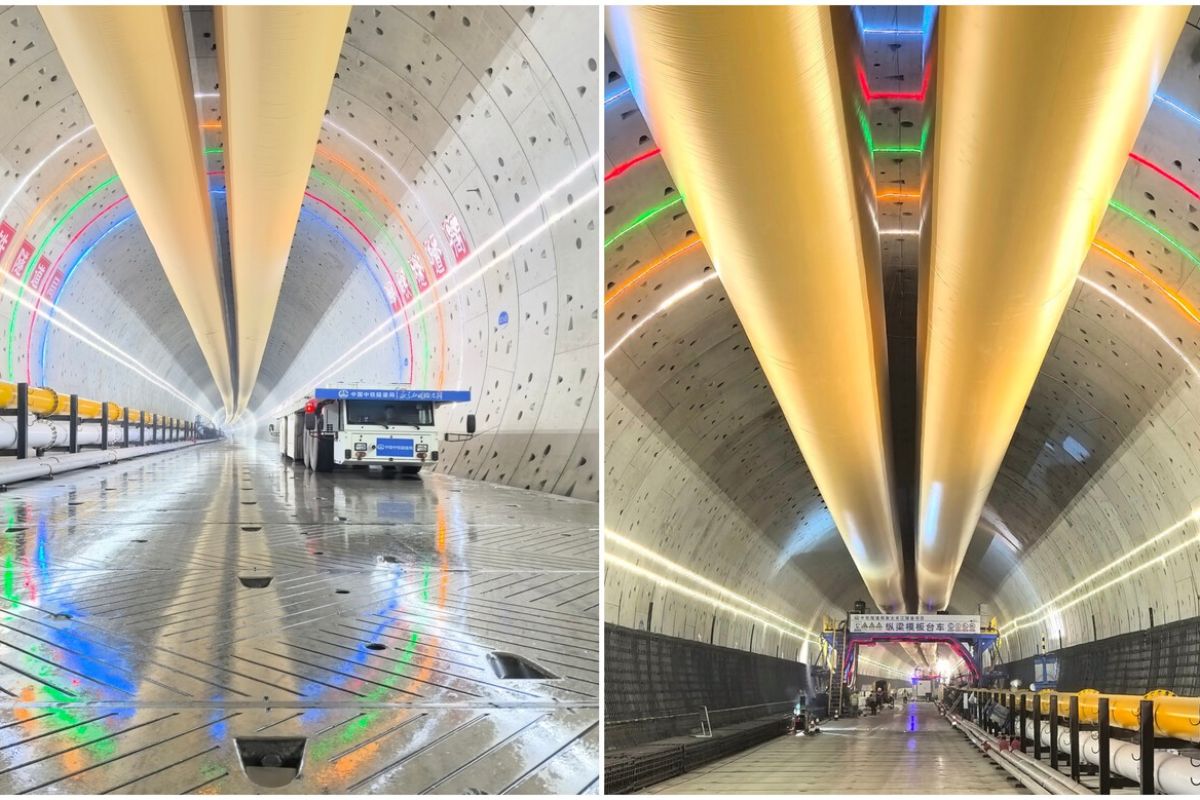
China completes the most critical section under the Yangtze River with the intelligent tunneling machine Linghang, excavating 11.32 continuous kilometers at depths of up to 89 meters and transforming the Chongming-Taicang tunnel into a landmark that redefines the scale of high-speed rail engineering in the 21st century.
-
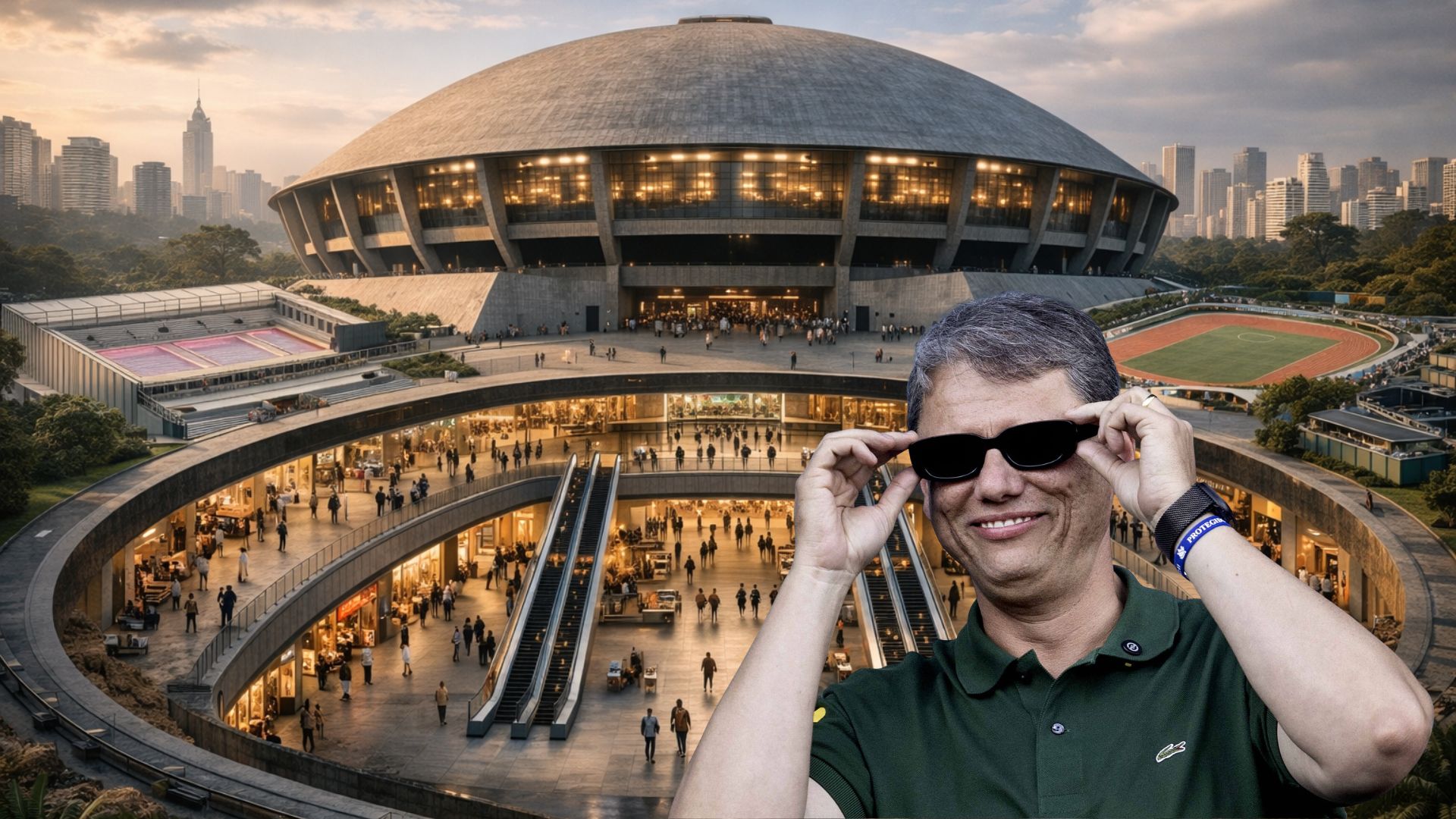
The government of São Paulo surprises South America with a plan to transform the famous Ibirapuera with underground shops, air conditioning, and a 25-year concession in a billion-dollar project that expands the audience, alters a protected area, and provokes an immediate reaction.
-
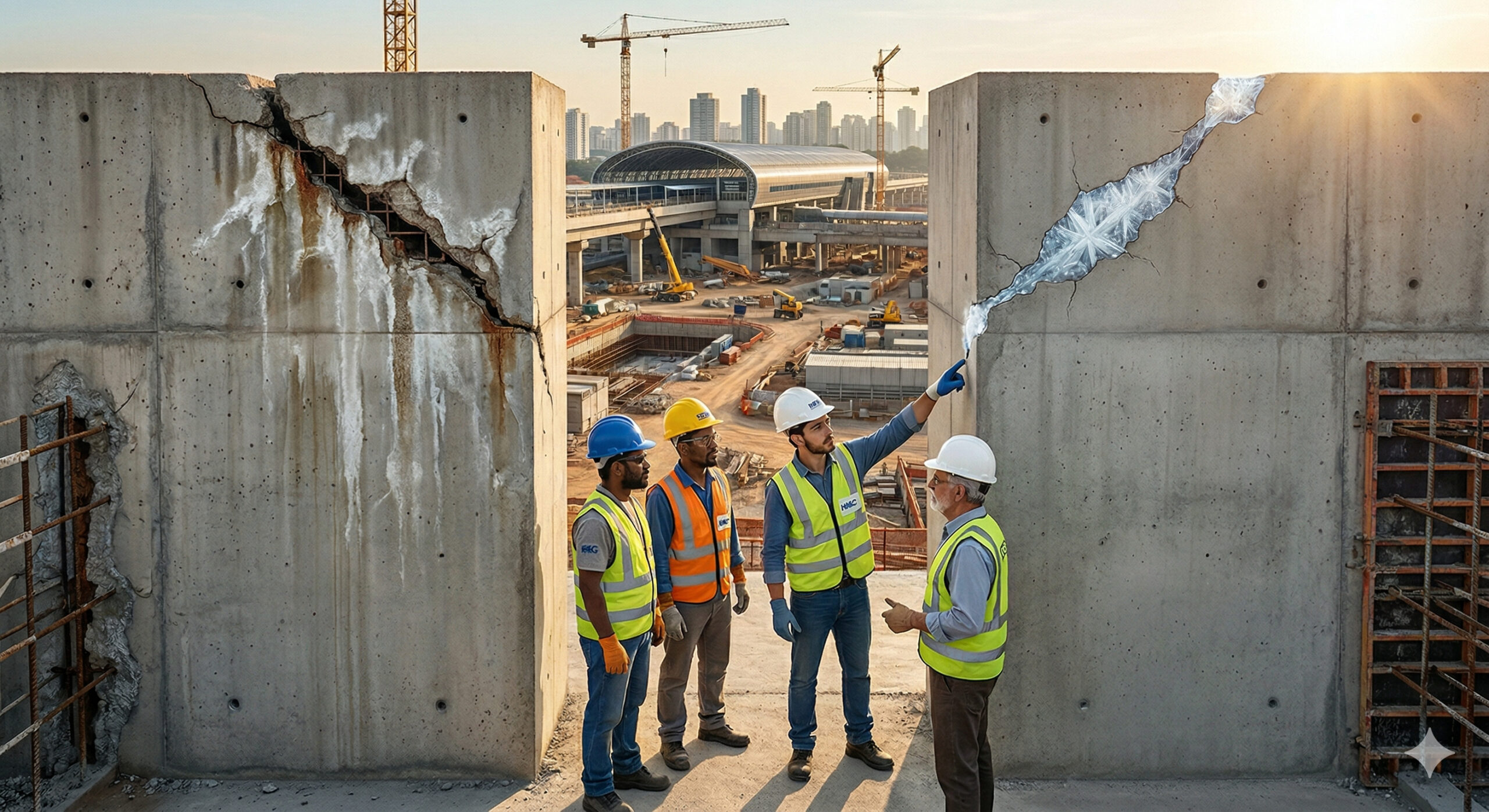
With a lifespan of up to 60 years and a cost up to 30% higher than conventional concrete, self-healing concrete is already being used in Brazil to eliminate leaks, reduce maintenance, and is changing the real cost of construction projects.

The plan was to divide the route into four sections and complete the entire ring by 2006, creating a continuous corridor for cargo transport around the city.
27 years after the start of construction, the real scenario is different. The West, South, and East sections have been delivered over the years, but the North segment, which connects the Ayrton Senna Dutra axis to the Fernão Dias highway and the Bandeirantes Anhanguera, is not expected to be completed until the second half of 2026.
The SP ring road, designed to be a quick mobility solution, has become an example of how official deadlines can diverge from reality when faced with technical challenges, political disputes, and lack of administrative continuity.
Collapse in 2009 Exposed Failures in the South Section

In November 2009, three support beams of a viaduct under construction in the South Section collapsed on the Régis Bittencourt Highway, hitting a truck and two cars and leaving three people injured.
Court experts indicated that the collapse was caused by a failure or absence of the temporary locking of the beams, which generated a domino effect among the structures.
The episode reinforced the perception that the SP ring road carried not only delays but also concrete security risks during execution.
An accident on the connection with the Régis Bittencourt highlighted the impact of construction errors in a large-scale and high-traffic project, requiring revisions of procedures and increasing oversight over contracts and the construction companies involved.
Death on the Construction Site and Human Scar on the Route
Still in December 2009, a worker died on a construction site of the SP ring road near Itapecerica da Serra, in Greater São Paulo.
According to the firefighters’ report, the victim fell into a concrete mixer while working, marking another record of how the heavy construction routine cloaks the route with a count of risks often invisible to the end user.
These episodes remind us that behind the promise of fluid traffic, there are workers exposed daily to machines, concrete, and temporary structures.
The work that aims to shorten distances between highways also carries a memory of accidents and individual losses that rarely appear on inauguration plaques.
Corruption, Additives, and Suspicions of Million-Dollar Diversion
Over the years, the SP ring road has become the target of several investigations for suspected overpricing, active corruption, passive corruption, money laundering, bidding fraud, and a cartel among construction companies.
In 2020, former governor José Serra was the target of searches following a complaint from the Federal Public Ministry, which accused him of money laundering for allegedly receiving bribes from Odebrecht related to the works of the South Section.
Executives from the construction company mentioned paying bribes to cover campaign slush fund expenses and strengthen the relationship with the then-candidate for governor.
Serra denies the irregularities and states that he has always acted with integrity, and so far, there has been no definitive conviction related to these specific accusations.
In the North Section, another inquiry investigated a scheme that allegedly diverted about 625 million reais through additives after the contract signed with OAS in October 2014, also without convictions so far.
In practice, the SP ring road has become a case study on how large projects can be used as a stage for political disputes and suspicions of diverted public resources.
Archaeological Museum Forgotten at the Edge of the Highway
During the excavations of the SP ring road, archaeological pieces were found in the Carapicuíba region, leading to the construction of a specific museum to house the collection.
In 2018, however, this structure was abandoned, and the Public Ministry opened an investigation to ascertain the neglect of the space created precisely as a cultural counterpart to the work.
The contrast between the investment to erect the museum and its later abandonment reinforces the feeling that many commitments made on paper along the route were left behind.
The SP ring road, which was supposed to reconcile road infrastructure with heritage preservation, ended up associated with a symbol of unfulfilled cultural promises in Greater São Paulo.
Fake Bomb, Invented Kidnapping, and Traffic Stopped in 2025
In November 2025, a truck became stuck across the SP ring road at kilometer 45, in Itapecerica da Serra, blocking traffic for about five hours.
The initial suspicion was of a bomb in the cabin, which led the Military Police’s Special Tactical Action Group to be summoned to respond to the incident and remove the driver, found with his hands tied and taken to the hospital.
Days later, truck driver Dener Laurito dos Santos, 52, confessed to the Civil Police that he had invented the entire story.
Confronted with inconsistencies between his account and what the investigations showed, he admitted to having fabricated the situation.
The threat of a non-existent explosive, the armed kidnapping that never happened, and the blockage of the SP ring road for hours in the heart of Greater São Paulo added another surreal chapter to the trajectory of the largest road project in the country.
What Remains of the Largest Road Project in the Country
When the North Section is finally delivered, expected in the second half of 2026, the SP ring road will total 176 kilometers in length, connecting the main highways surrounding the capital.
If it delivers the promised traffic relief since 1998, the project will have a real impact on logistics and cargo circulation.
But the path to get there has already solidified the ring road as a mirror of planning failures, slow execution, and the erosion of trust between society and governments.
Between 1998 and 2026, the SP ring road has established itself as a mandatory route for trucks and also as a narrative of collapses, deaths, corruption suspicions, abandoned equipment, and improbable episodes like the fake bomb of 2025.
In light of this history, in your opinion, can the ring road still be seen as a necessary solution for mobility, or has it become the ultimate example of an eternal project that no one wants to repeat in Brazil?









-

Uma pessoa reagiu a isso.