





 Portuguese
  English
  Spanish
  3 min of reading
  1 comment





Negative Result in 2025 Surpasses Recent Levels and Reinforces Warning about Deterioration of State Governance
The federal state-owned companies recorded a cumulative deficit of R$ 8.3 billion between January and August 2025, according to data released by CNN Brasil based on official numbers from Sest.
Overview of the Loss
As the financial results of public companies began to worry authorities, Sest consolidated the numbers for 2025 and pointed to a significant deterioration in state management. Additionally, the Senate’s IFI warned in November 2025 that the growing shortfall could jeopardize the fiscal target for the year.
Summary of the Scenario
- R$ 8.3 billion deficit accumulated until August 2025 (Sest — released by CNN Brasil on 10/20/2025).
- Warning from the IFI, on 11/19/2025, about risk to the fiscal target if the rate of losses is maintained.
- Strategic companies, such as Eletrobras before privatization, Petrobras, and Correios, remain under pressure for efficiency.
Origin of the Deterioration of Finances
As the fiscal scenario deteriorated continuously, experts indicated that political interventions increased legal uncertainty. Furthermore, the reduction in operational efficiency deterred investments and consequently contributed to the increase in the deficit.
-
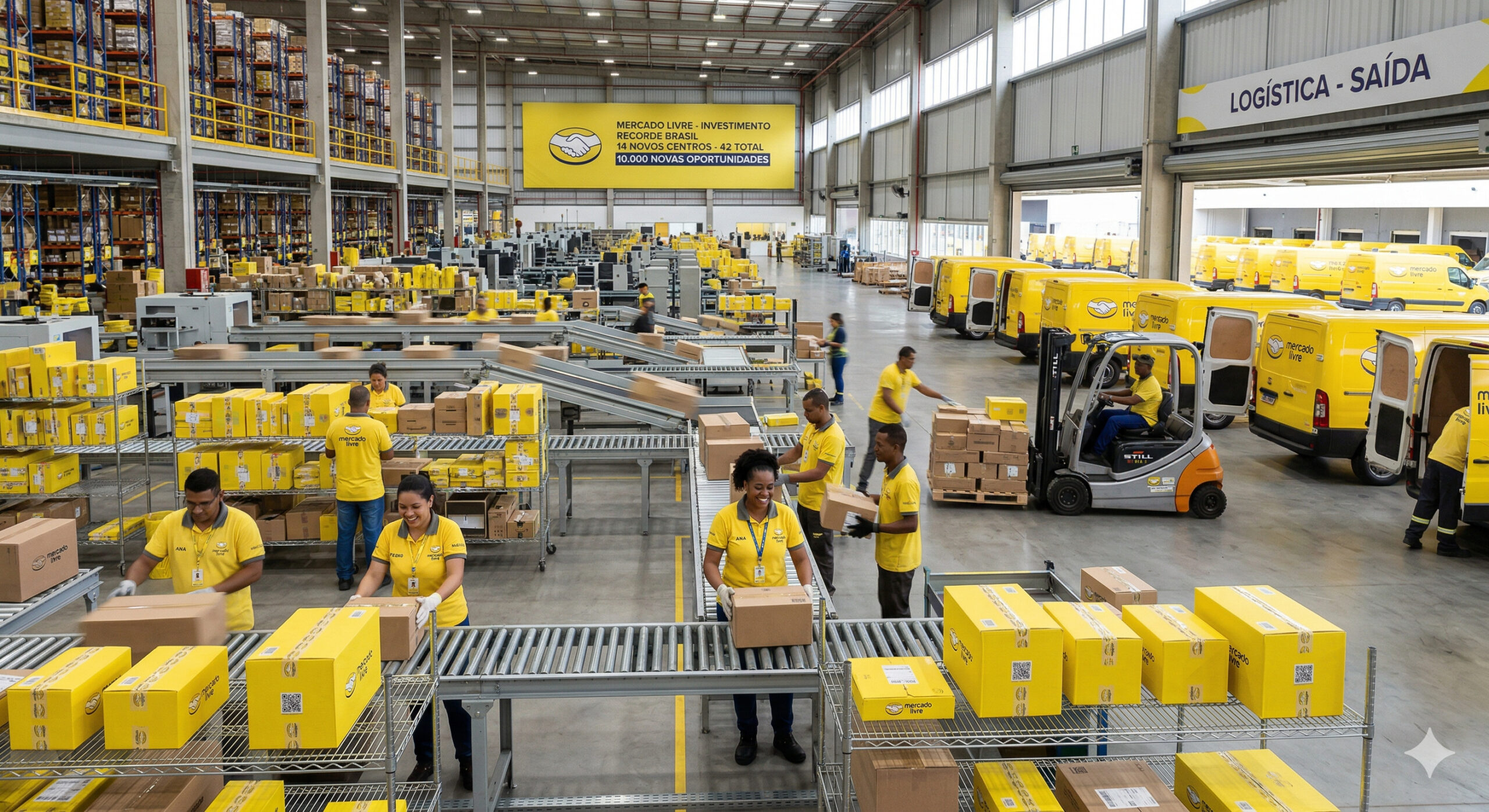
Mercado Livre “opens the vault” and announces a record investment of R$ 57 billion in Brazil in 2026, a value 50% higher than the previous year, with an expansion plan that includes 14 new logistics centers, totaling 42 units in the country and hiring an additional 10,000 employees.
-
How investment in technology can revolutionize the national economy and enhance industrial gains, according to a study that highlights the direct impact on productivity, innovation, and wealth retention within Brazil.

-
The largest food company on the planet, JBS, has just opened a 4,000 square meter laboratory in Florianópolis to develop customized proteins that modulate muscle mass gain, immune response, and metabolic performance.

-
After nearly 30 bids and competition among industry giants, a Spanish company purchases one of the largest airports in Brazil for almost R$ 3 billion and takes over the management of Galeão in a concession that will last until 2039.


Although Sest routinely monitors the performance of federal state-owned companies, the agency acknowledged that 2025 has become one of the most critical years in the recent series.
Impact Factors
- Political intervention, which pressured corporate decisions.
- Regulatory risks, which increased uncertainties in strategic areas.
- Loss of operational efficiency, which reduced competitiveness and financial return.
Consequences for State Governance
As the loss persisted throughout 2025, the governance of companies began to suffer direct and immediate impacts. Therefore, control agencies reinforced the need for structural adjustments. Additionally, IFI experts highlighted that the continuity of this scenario reduces the ability of public companies to attract private capital.
Immediate Effects
- Pressure on the National Treasury to compensate for deficit results.
- Market distrust, which increased the cost of financing.
- Reduction in investment capacity, especially in essential areas.
Institutional Reactions and Necessary Measures
As the accumulated loss reverberated in the fiscal debate, the IFI advocated in November 2025 for the adoption of stricter governance practices. Additionally, it called for greater transparency and a review of state intervention policies.
What to Expect Going Forward?
As the government will continue to monitor the primary results of state-owned companies until the end of the 2025 fiscal year, experts believe that new adjustments will be necessary. Nonetheless, the question that drives the national debate remains: Will Brazil be able to transform its state-owned companies into engines of efficiency or remain trapped in a cycle of losses?










Fácil de resolver…corta 20% das emendas…dá para cobrir o rombo e ainda sobra