





 Portuguese
  English
  Spanish
  4 min of reading
  0 comments


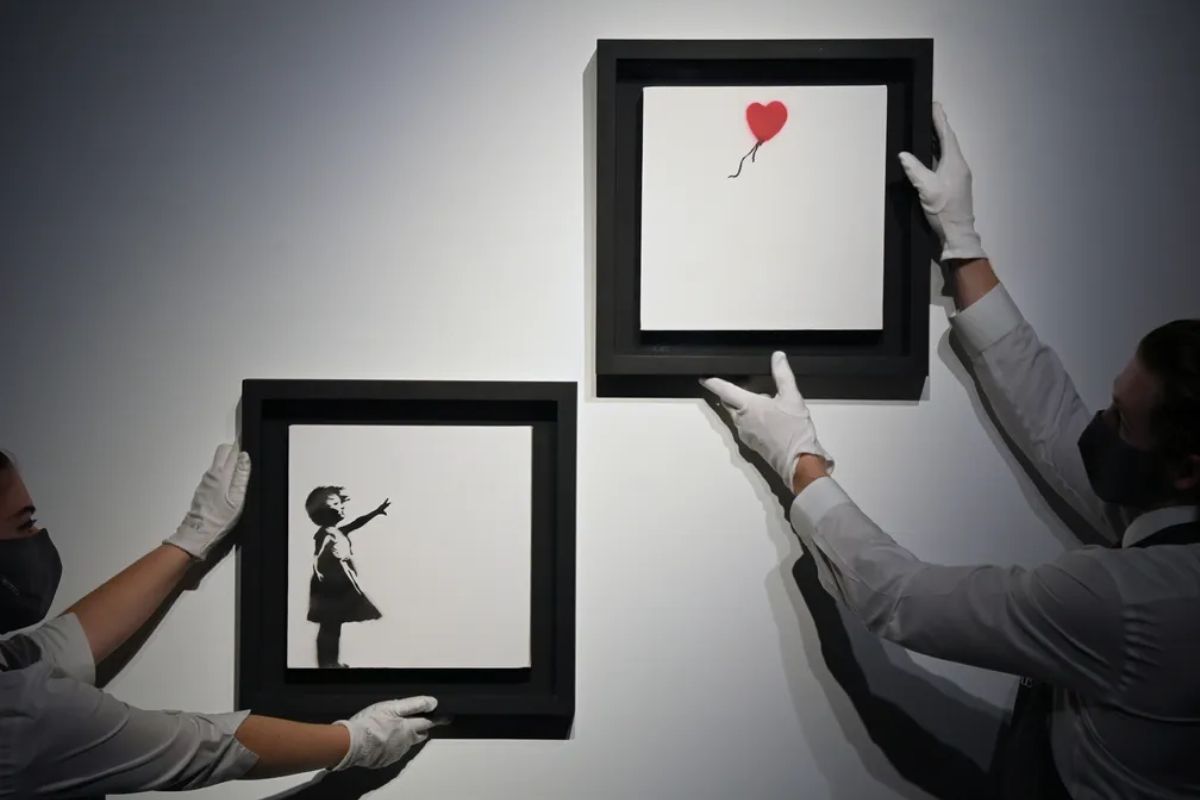
The Million-Dollar Theft of the Artwork Girl With Balloon in a London Gallery Exposed the Vulnerability of High-Value Art, but Ended with the Recovery of the Piece and the Conviction of the Offender After a Swift Police Action.
The million-dollar theft of an artwork Girl With Balloon, by British artist Banksy, in a London gallery, ended with a conviction of 13 months in prison for the offender. The piece, valued at £270,000, equivalent to over R$ 1.9 million, was taken from inside the Grove Gallery in the Fitzrovia area of central London.
The thief, identified as Larry Fraser, 49, used a hammer to break into the location during the million-dollar theft and escape with the artwork. Even though he wore a mask to try to hide his face, he was captured on security cameras, located by the police two days after the crime and tried at Kingston Crown Court, where he pleaded guilty in October.
How the Million-Dollar Theft Happened at Grove Gallery
According to the police, Fraser arrived at the Grove Gallery prepared for the million-dollar theft. He used a hammer to break into the gallery, entered, removed Banksy’s artwork, and left the location carrying the piece valued at R$ 1.9 million.
-
Heineken’s factory in Brazil produces 300 million beer cans in just 4 months, reaches 1 million hectoliters, received R$ 2.5 billion, and is already projecting an annual capacity of 5 million with sustainable technology.

-
Inside an active volcano in Africa, residents use volcanic rocks to build houses in an impressive setting.

-
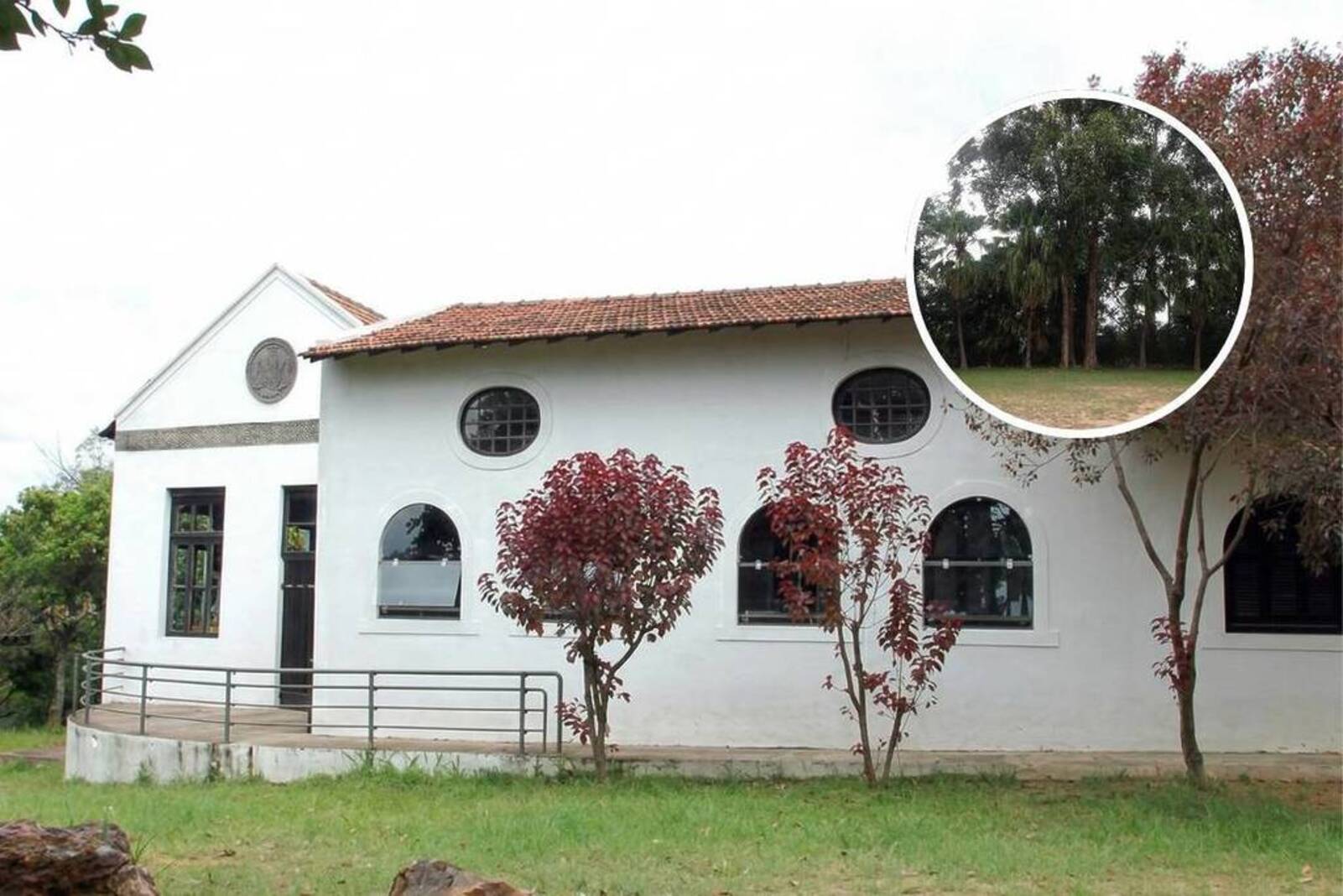
After 14 years of waiting, a rammed earth mansion built in 1702 in the North Zone of São Paulo will become a park with leisure facilities and green areas, with a million-dollar investment.
-
With 2 unfinished nuclear reactors, up to 25 billion in costs, and proven fraud, the Nukegate case has left 800,000 consumers still paying today for energy that will never be produced.


Despite the disguise attempt with a mask, the internal security footage was crucial for identifying him. Investigators analyzed the records, cross-referenced information, and managed to identify the suspect in just 48 hours. The rapid arrest allowed for the intact recovery of the artwork and its return to the gallery’s collection.
Swift Investigation and Conviction After the Million-Dollar Theft
The case was treated as a priority by British authorities. For the police, the million-dollar theft involved not only the financial value of the artwork but also the symbolic weight of a piece recognized in many parts of the world.
Chief Inspector Scott Mather emphasized that the Girl With Balloon artwork is globally known and that the swift response had two clear objectives.
To bring Fraser to Justice and ensure the return of the artwork to Grove Gallery. After pleading guilty in October, the thief received a sentence of 13 months in prison, with the decision announced on Friday the 14th.
The Impact of the Million-Dollar Theft on the Gallery
At Grove Gallery, the atmosphere was one of relief following the recovery of the artwork. The gallery’s manager, Lindor Mehmetaj, stated that the police’s swiftness was crucial in mitigating the damage from the million-dollar theft.
For him, seeing the artwork back in safety represented the end of a significant tension experienced by the team and those responsible for the exhibition space.
Cases like this highlight the vulnerability of galleries and museums showcasing artworks of high symbolic and financial value.
The combination of artistic fame and million-dollar figures turns this type of collection into a constant target for criminals, which pressures cultural institutions to invest increasingly in physical security, monitoring, and specialized insurance.
Girl With Balloon and the Weight of Banksy’s Work in the Million-Dollar Theft
The artwork taken in the incident classified as a million-dollar theft is part of the world of one of Banksy’s most well-known images. Girl With Balloon first appeared on the streets of Shoreditch, London, in 2002.
Since then, the artist has created other versions, including interventions in South Bank, London in 2004 and on an Israeli barrier in The West Bank in 2005.
Over the years, Banksy has transitioned from an anonymous graffiti artist in Bristol to becoming one of the most valued names in the contemporary art market. His works, marked by political criticism, irony, and use of urban space, have begun to reach high figures in galleries and auctions.
The million-dollar theft in London, involving one of his most recognized images, underscores how his work has simultaneously become a cultural symbol and a target for high-value crimes.
Million-Dollar Theft, Urban Art, and the Luxury Market
The incident in London also reveals a broader shift. Works that originated in the streets, as ephemeral art, now circulate as million-dollar assets in controlled environments, with surveillance systems and intense competition among collectors.
This changes the relationship between public space, the art market, and policies for protecting cultural heritage.
In Banksy’s case, the contrast is even more evident. An artist who built his reputation with anonymous interventions on walls and facades now has artworks protected by alarms, insurance, and security protocols.
The million-dollar theft at Grove Gallery shows how acclaimed urban art has reached the same level of criminal interest as classical works in traditional museums.
In light of this scenario where a million-dollar theft can sideline an iconic artwork in a matter of minutes, one question lingers in the public debate.
When street art becomes a million-dollar gallery asset, do you think the primary responsibility for protecting these works should lie with the art market or with public authorities?






-

-

-

3 pessoas reagiram a isso.