





 Portuguese
  English
  Spanish
  2 min of reading
  0 comments



The Awakening to a New Energy Era
The global energy transition is in full swing, driven by the growing recognition of the harmful impacts of traditional energy sources such as fossil fuels, coal-fired power plants, and nuclear plants. The shift towards cleaner and renewable sources, particularly photovoltaic solar energy – which already accounts for 15% of the Brazilian energy matrix – is critical to mitigating environmental damage.
Conventional energy sources have left a legacy of environmental degradation, significantly contributing to climate change, air pollution, and dependency on limited resources concentrated in geopolitically unstable regions. On the other hand, diversification towards widely distributed renewable sources not only strengthens energy security but also minimizes associated geopolitical risks.
Driving Growth and Innovation
This transition not only alleviates the burden on the environment but also catalyzes economic growth, generates jobs in the renewable energy sector – with the Brazilian photovoltaic market employing over 214 thousand workers in 2022 – and promotes technological innovation. Additionally, it contributes to the reduction of costs associated with environmental disasters, paving the way for lasting economic stability.
-
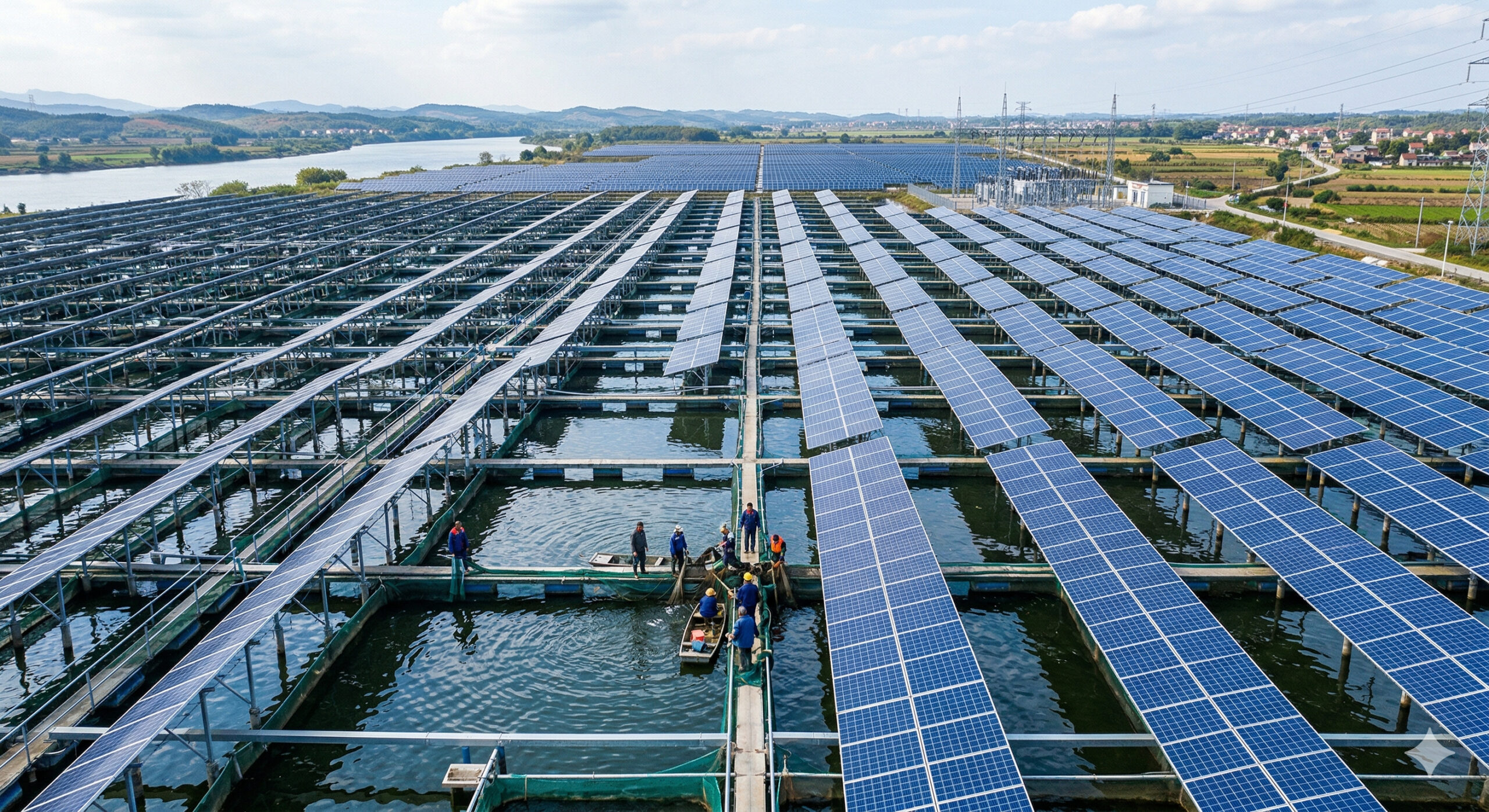
China bets on the Fishery-PV model and transforms fish farms into giant solar plants, covering ponds with panels that generate energy while utilizing the same space for large-scale aquaculture production.
-
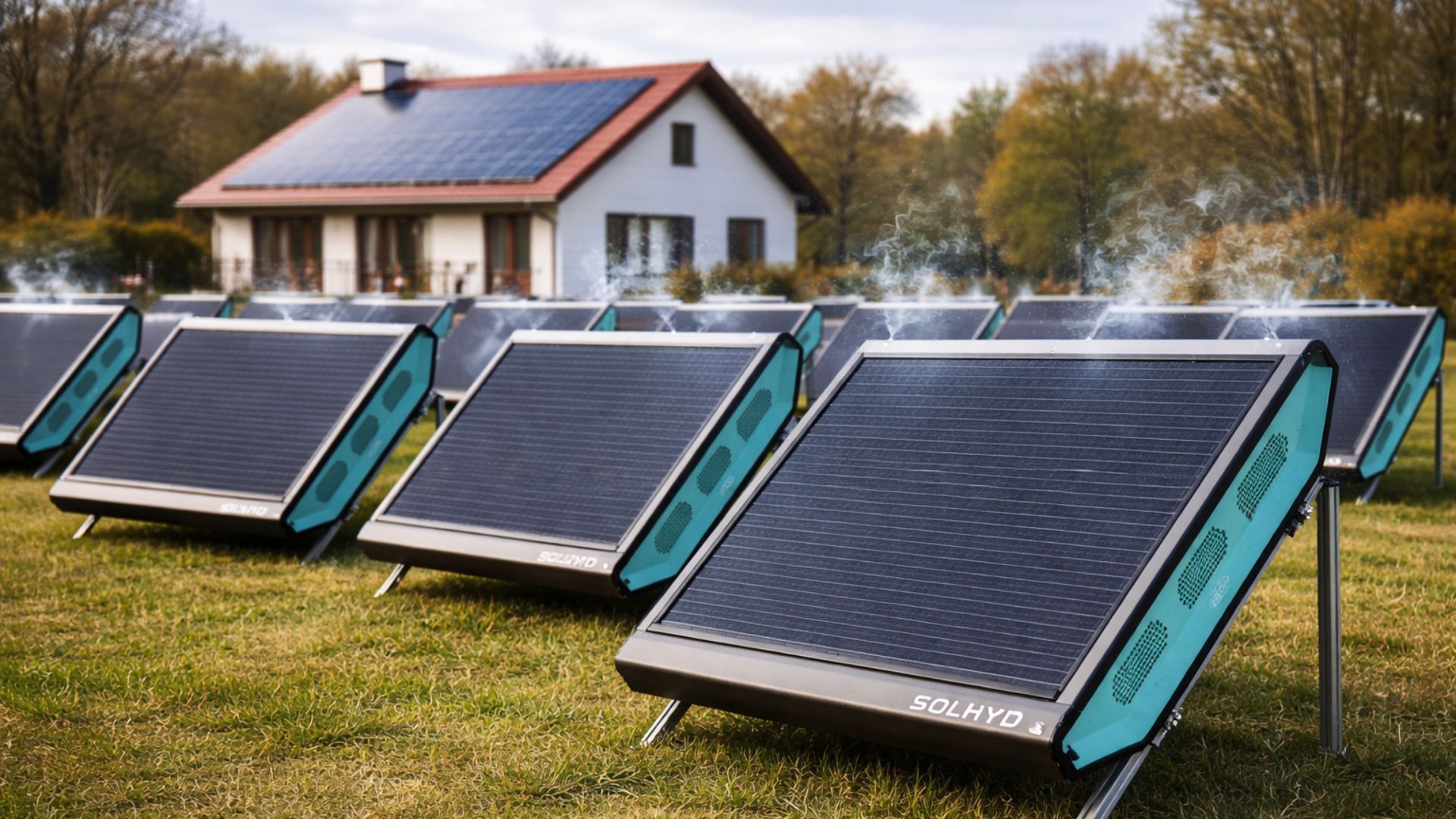
Green hydrogen at home: Belgium launches new technology that makes solar panels produce fuel from the moisture in the air, which could boost the energy transition.
-
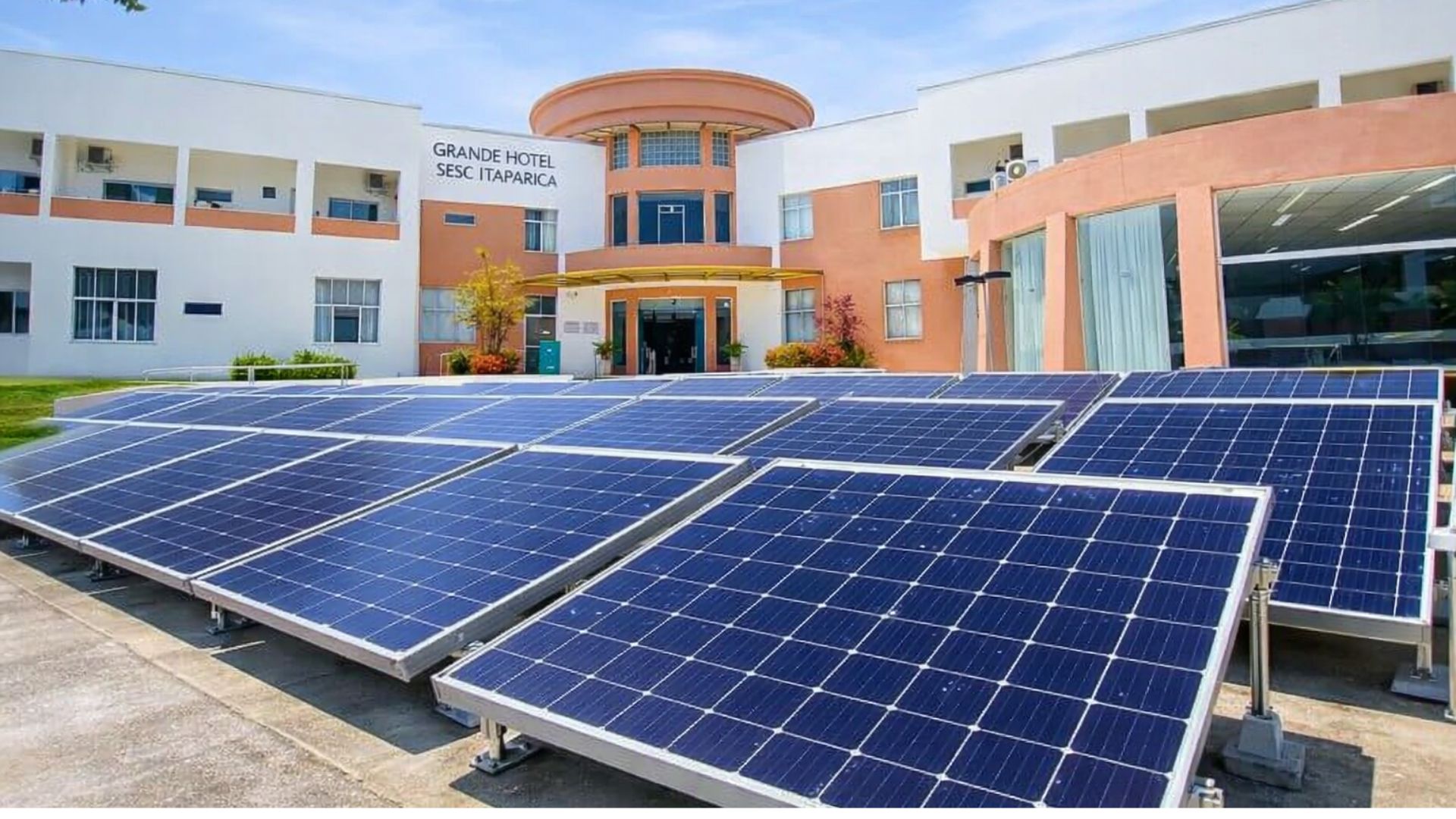
Sesc-BA bets on renewable energy with the support of EDP and drives the energy transition with a direct impact on cost reduction and the sustainability of its operations in Bahia.
-
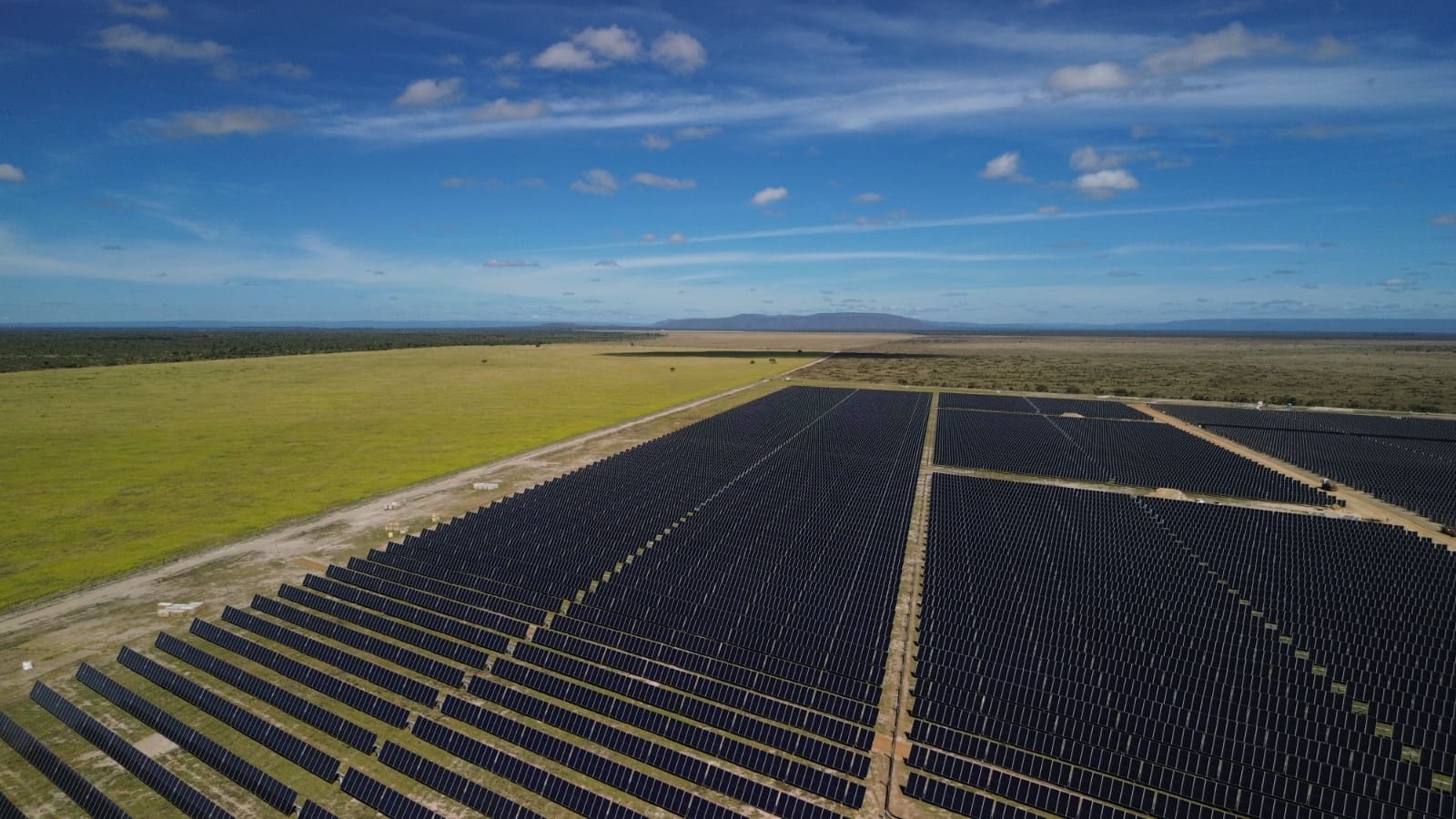
Technology giant breaks global sustainability records: How Amazon’s leadership in renewable energy procurement transformed the global energy market in the past year.


Photovoltaic solar energy, a clean and sustainable alternative, has the advantage of not emitting pollutants during its generation. This characteristic is crucial for reducing carbon emissions and improving air quality. The abundance and constant availability of solar energy strongly contrast with the finiteness of fossil fuels and uranium, highlighting its viability as a long-term sustainable solution.
Challenges and Pathways to Energy Autonomy
Distributed generation presents an effective strategy to reduce reliance on large centralized infrastructures, thereby increasing the resilience of the power grid and fostering energy autonomy for communities and businesses. However, it faces contradictions and challenges, evidenced by ambiguous government policies such as PL 11.247/2018, highlighting the need for a collaborative effort towards an authentic energy transition.
The energy transition is a global imperative that, when fully realized, promises to reduce environmental impacts, foster economic stability, and ensure comprehensive energy security. In this context, photovoltaic solar energy stands out as a viable and promising alternative, offering benefits for both current and future generations. Thus, a pathway towards a sustainable future, grounded in clean, renewable, and inexhaustible energy sources, is established.
Source: DAIANA FELIX – Communication and Marketing of GrupoPolo.









Seja o primeiro a reagir!