





 Portuguese
  English
  Spanish
  2 min of reading
  0 comments



Brazilian Industries Accelerate on the Path to ESG Sustainability
The recent research from the consulting firm Vertico sheds light on an interesting landscape: only 17% of national corporations have a dedicated ESG department for more than five years. However, the warning from the World Economic Forum in 2023 about “polycrises” suggests an impending paradigm shift. Sustainability in Industry is an urgency, not only due to ecological responsibility but also because it directly impacts the financial viability of companies.
Thus, prioritizing the ESG agenda becomes vital. Actions such as water conservation, adoption of clean energy, and transparent engagement with stakeholders are initial steps.
Implementing ESG in Industrial Practice
But how can industries incorporate ESG to optimize production? In practical terms, the “E” corresponds to effective resource management; the “S” encompasses productive engagement with stakeholders, and the “G” refers to governance policies aligned with high ecological and social standards.
-
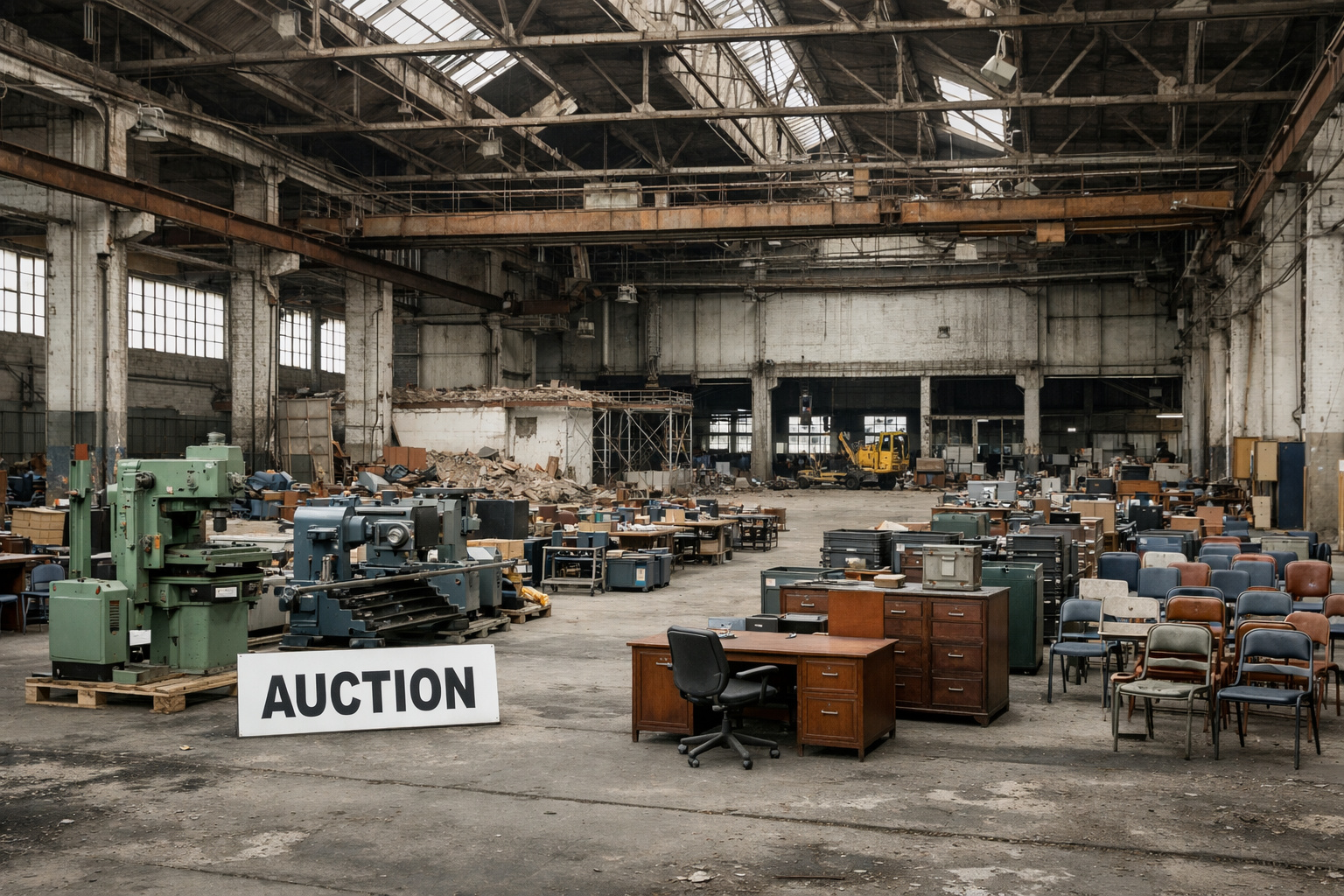
Historic bankruptcy of Centauro shocks the market, and the century-old company puts more than 500,000 products, machines, and complete infrastructure up for online auction.
-
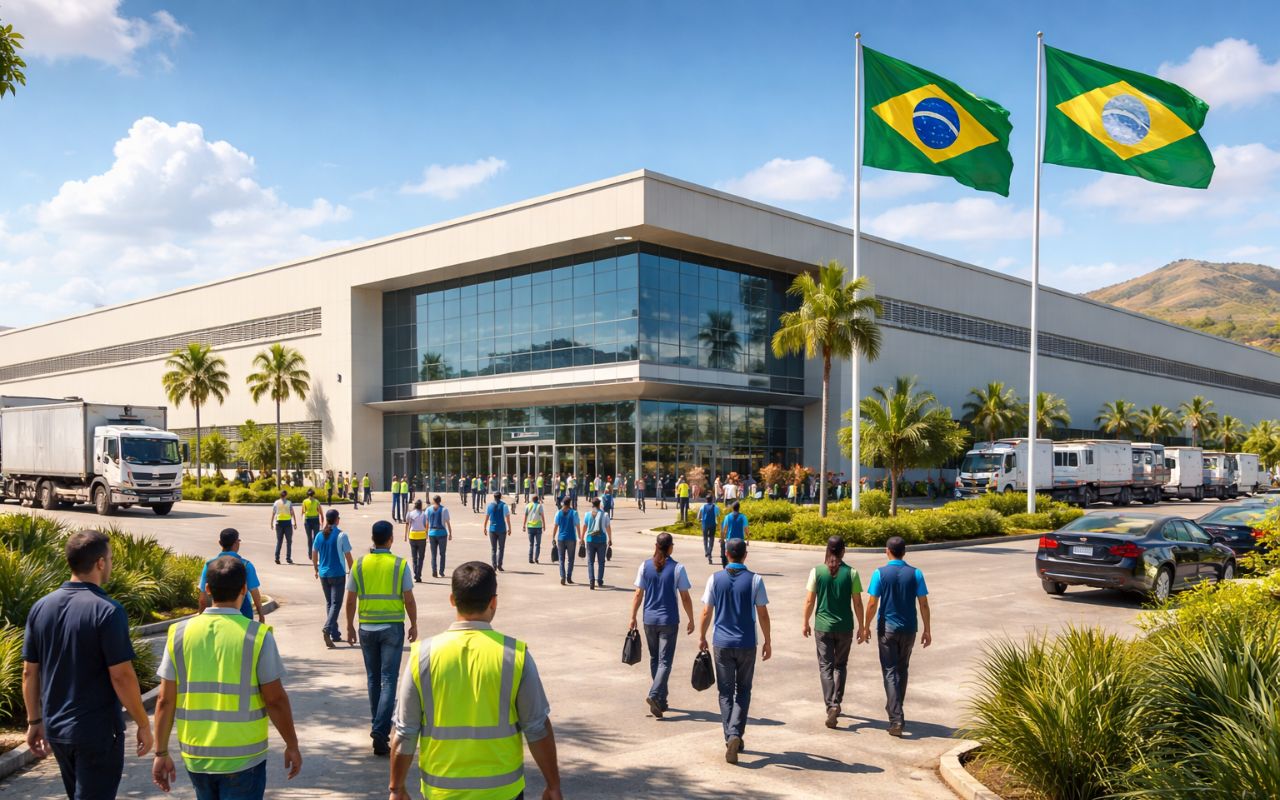
New shoe factory in Ceará is expected to create 400 jobs and strengthen the local economy.
-
No one imagined it, but a mixture of sawdust with a mineral that fights fires surprises scientists with a result that changes the course of fire-resistant construction.

-
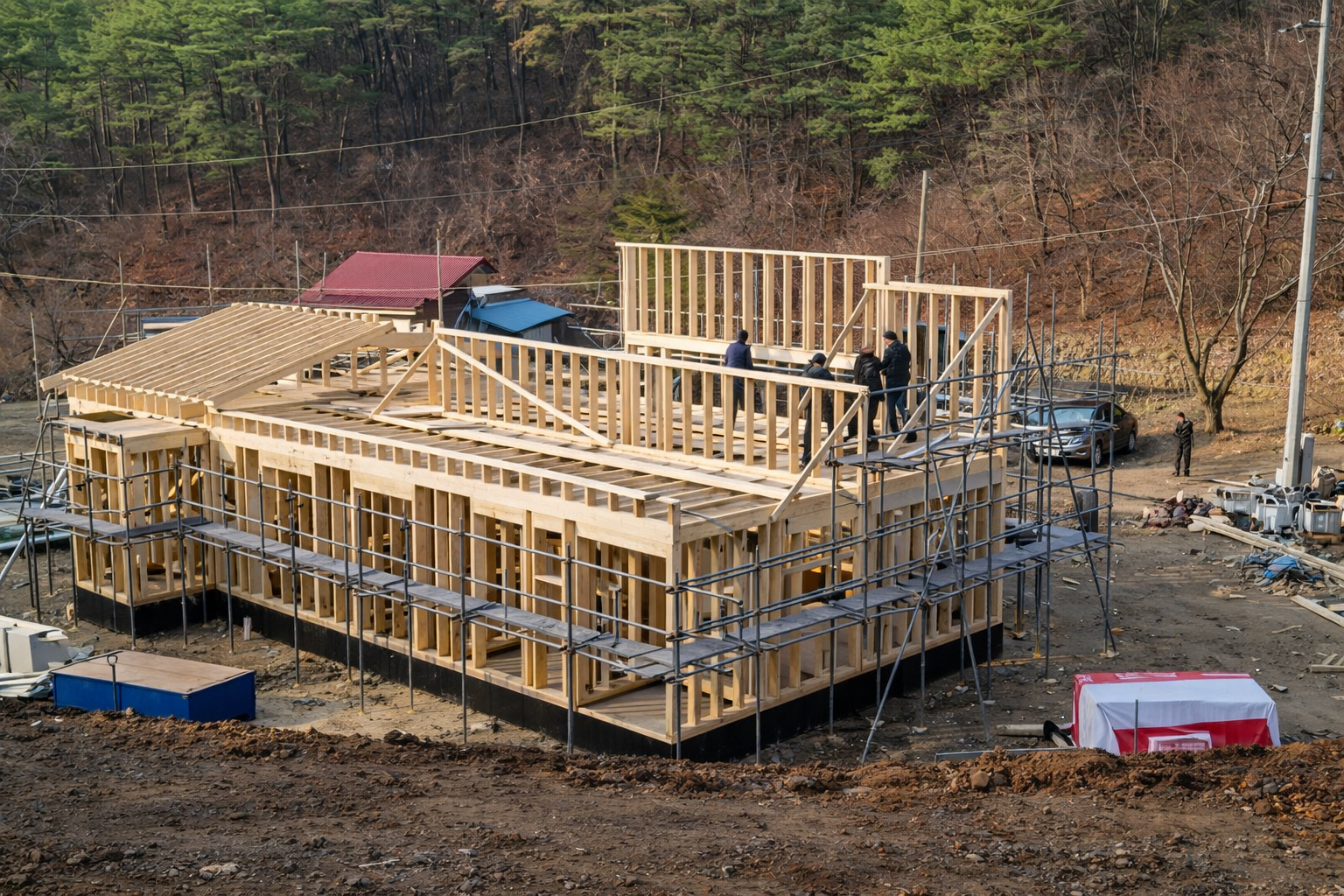
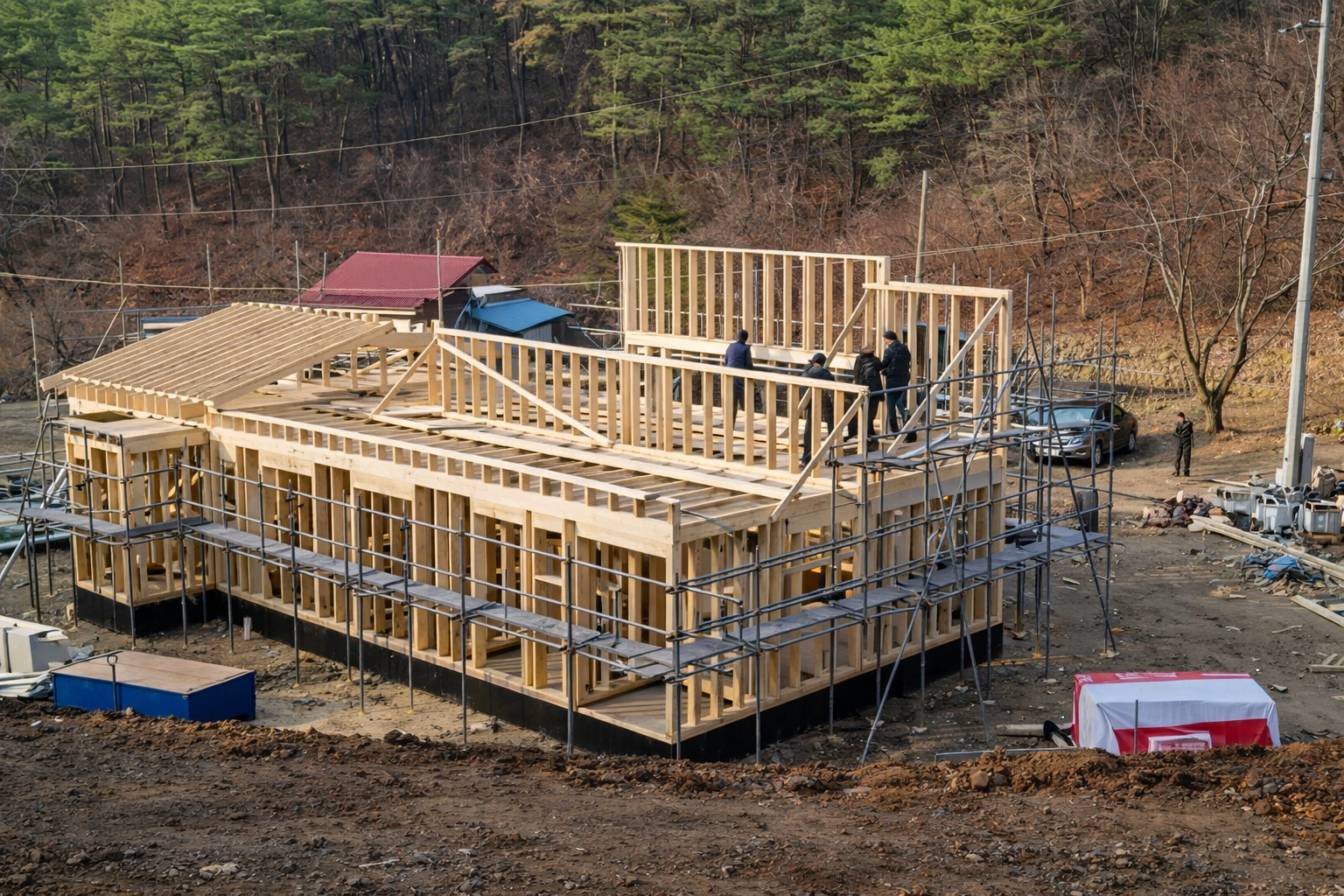
From empty land to a high-end house, wooden construction uses a lightweight system, metal structure for the foundation, ventilated ceramic cladding, and special windows to create an efficient and comfortable living space throughout the year.

The environmental approach requires attention to factors such as production impact, considering CO2 emissions, waste generation, and even the implementation of reverse logistics. On the social side, there is a need to invest in diversity, equity, fair labor conditions, and an integral relationship with suppliers. On the other hand, inquiries about the impacts of production on surrounding communities are crucial: pollution, water contamination, and other impacts must be evaluated and mitigated.
Finally, governance goes beyond mere compliance with rules. Transparency in business practices, clear reporting, and rigorous documentation are essential.
Building a Sustainable Future Together
Within this context, industrial leaders have the mission of embedding sustainability into the corporate DNA. This means that strategic decisions must be guided by ESG principles.
The journey begins with active listening to stakeholders, mapping risks and opportunities. Defining clear objectives and allocating resources are subsequent steps. Investing in technologies, especially those aimed at low-carbon economy, is a decisive move. Tools that measure carbon emissions and energy consumption, for example, are powerful allies.
However, the ESG journey in industry is not solitary. Choosing suppliers and partners aligned with this philosophy is strategic, ensuring more efficient operations and strengthening the company’s competitive position in the global landscape.
Source: André Lucca Módica Guimarães Fonseca Rosas.









Seja o primeiro a reagir!