





 Portuguese
  English
  Spanish
  3 min of reading
  0 comments


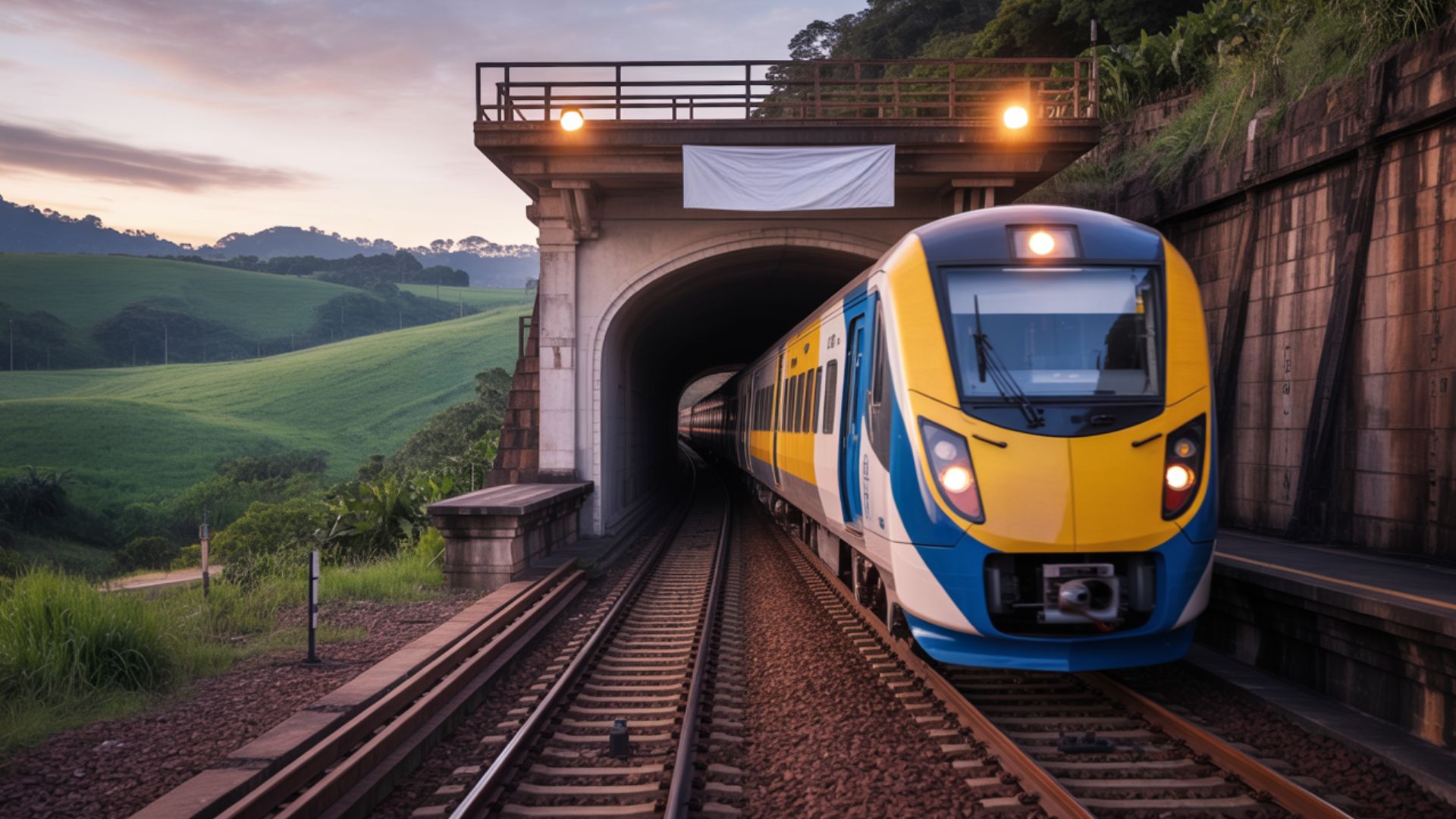
Project Seeks to Reactivate Strategic Railway in the São Paulo Interior, Connecting 14 Cities and Promising Impact on Logistics and Cargo Transport in the Region. Proposal Is in a Decisive Phase for Obtaining Environmental License.
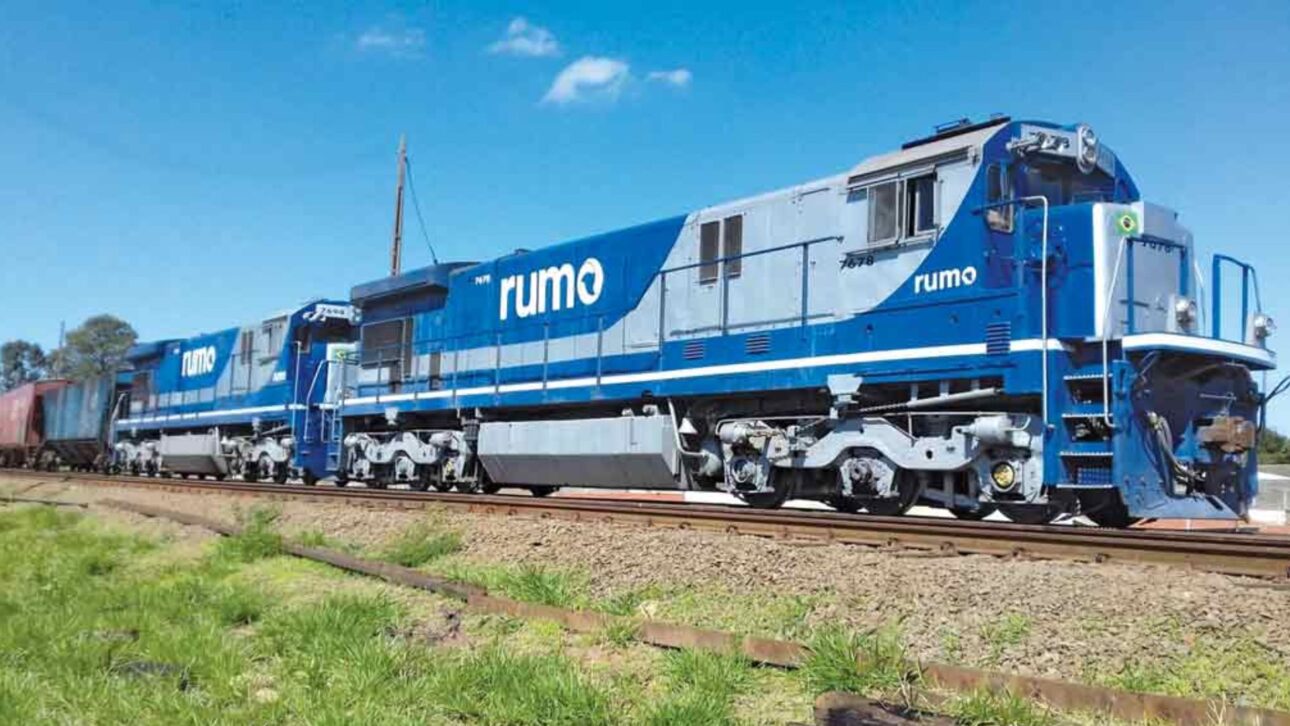
Rumo Malha Paulista submitted on this Monday (07), to the Ibama (Brazilian Institute of Environment and Renewable Natural Resources) the request for Installation License to reactivate the railway branch between Tupã and Panorama.
This section is part of the Bauru–Panorama branch, which connects the Marília region to the main railway junction in the São Paulo interior, in Bauru.
The goal is to recover 169 km of tracks, connecting 14 municipalities in the Western São Paulo.
-
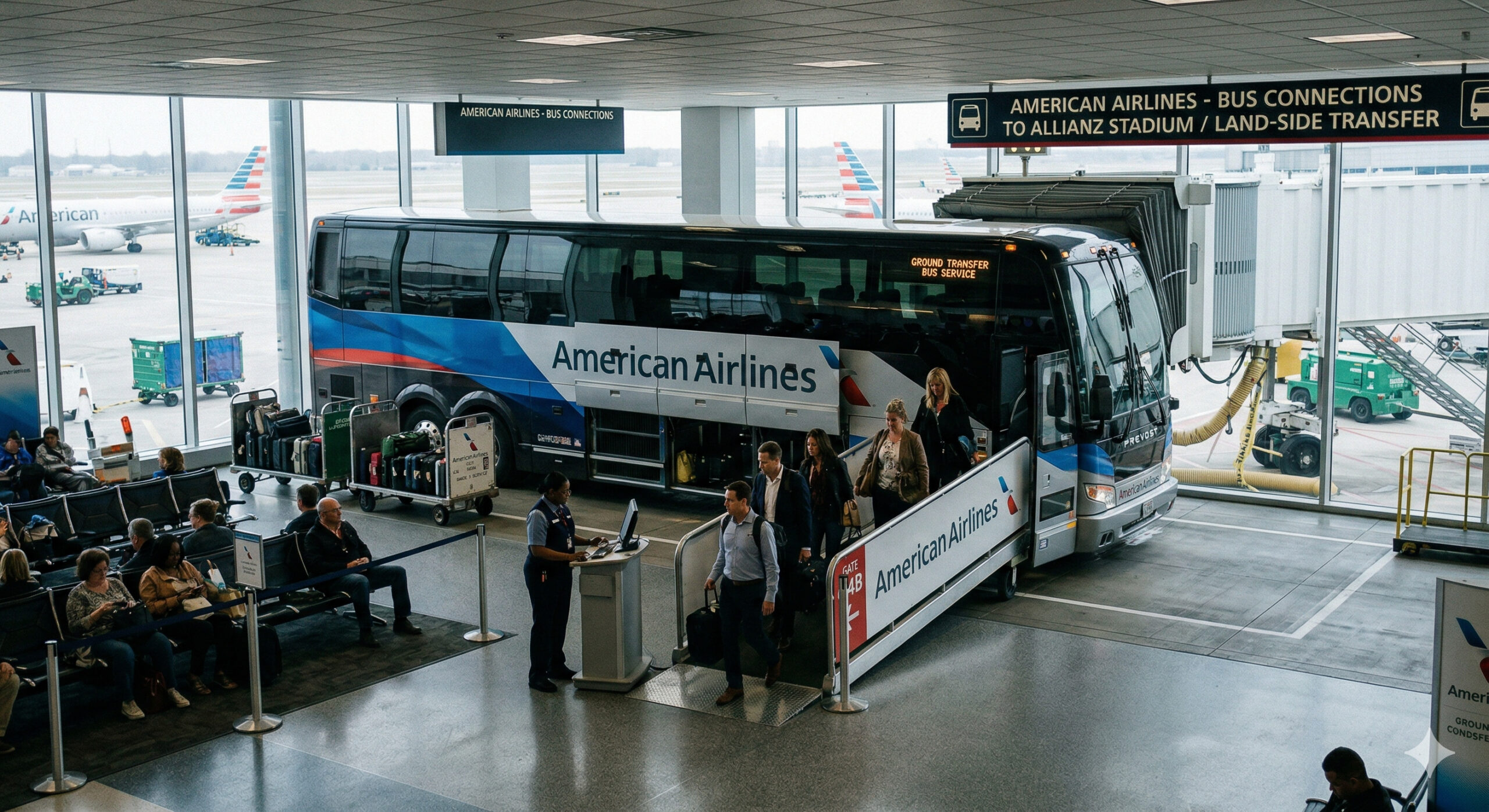
American Airlines starts selling trips as if they were flights, with check-in and baggage check at the airport, but on short routes, passengers board luxury buses connecting cities to major hubs in the U.S.
-
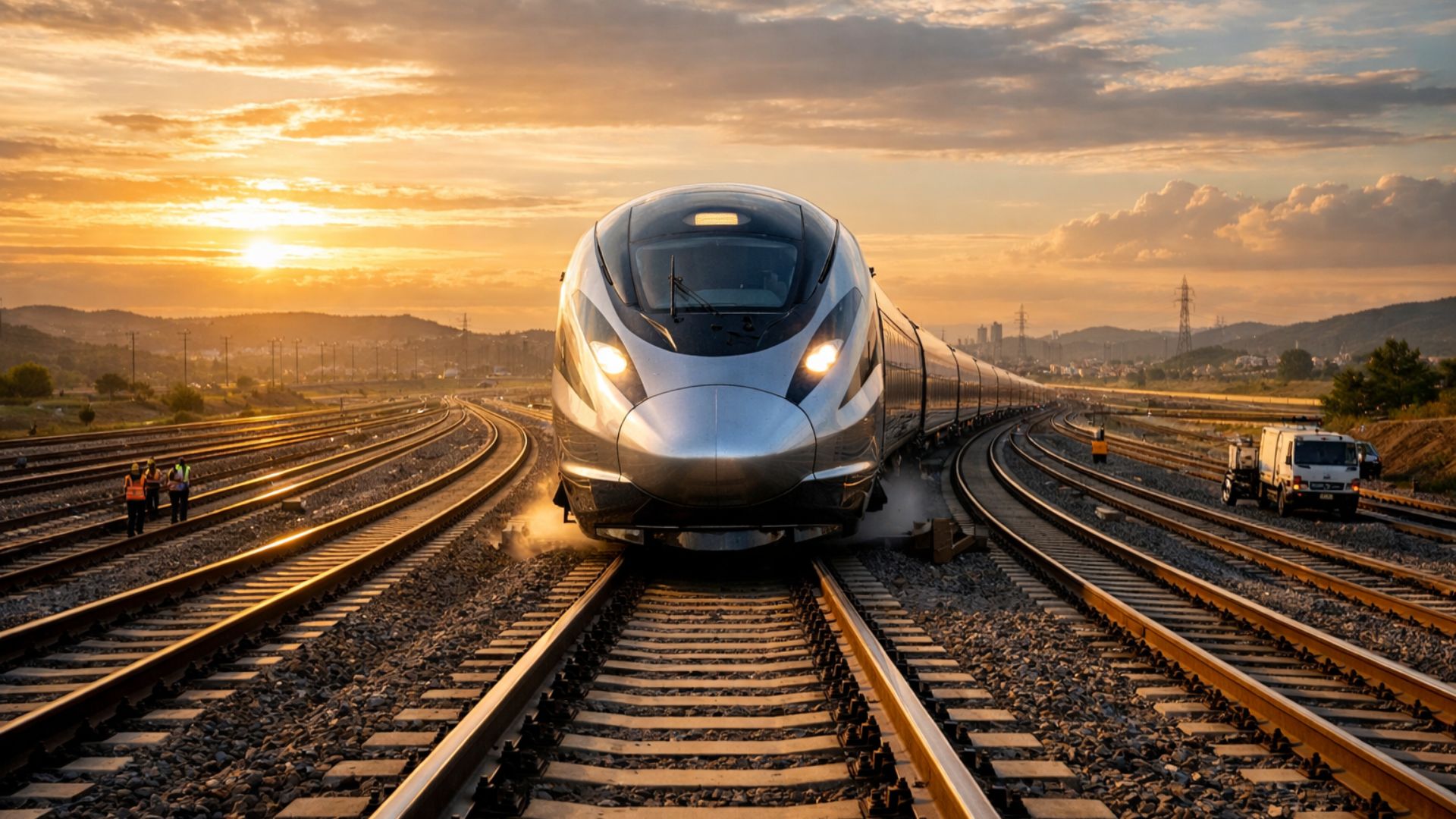
São Paulo surprises the world with a colossal railway network project that promises over 1,000 km of tracks, R$ 194 billion in investments, and 40 projects connecting the capital to the interior with fast and sustainable trains.
-
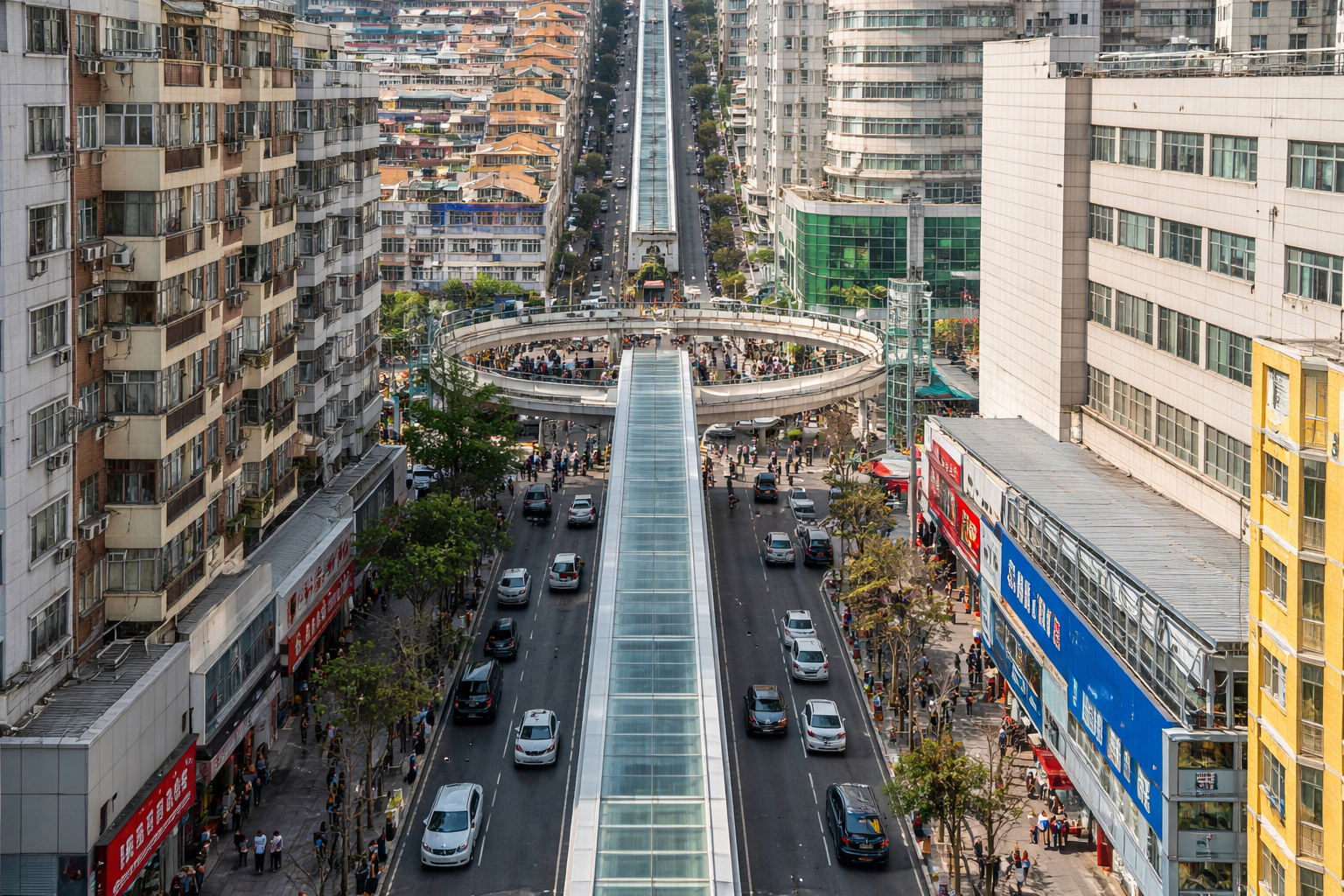
The world’s largest escalator, measuring 905 meters in China, reduces urban travel time from 1 hour to about 20 minutes and transforms mobility in mountainous regions with an engineering solution adapted to the terrain.
-
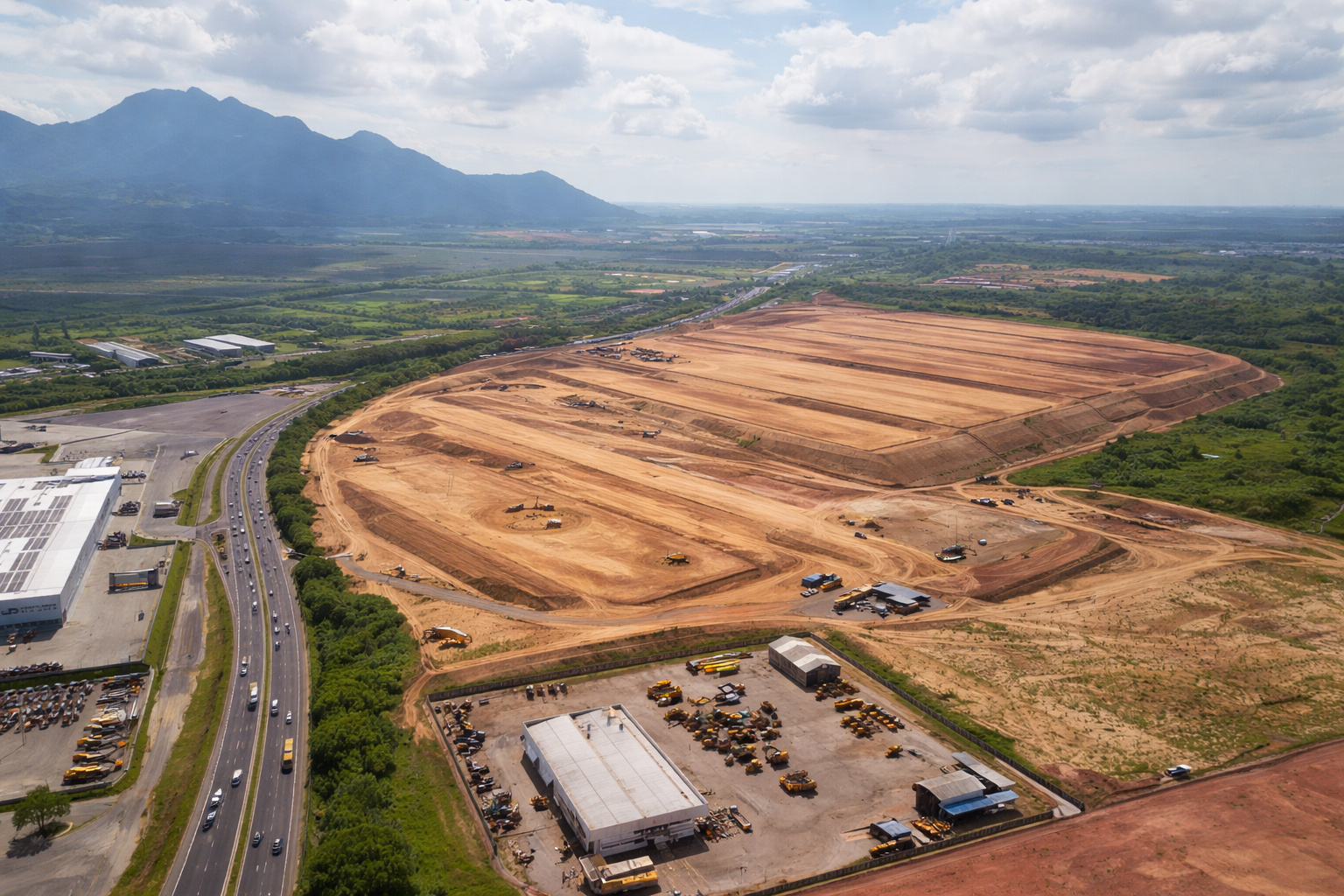
A R$ 300 million logistics giant is taking shape in Serra with over 100,000 m² and raises a question: how can this transform e-commerce and distribution in the state?

The environmental process has been ongoing since 2017 and has gone through various instances, including the Support Center for Incident and Environmental Emergency Management and the Planning and Data Analysis Service.
However, the technical reports and documents remain confidential, making it difficult to access specific details about the licensing.
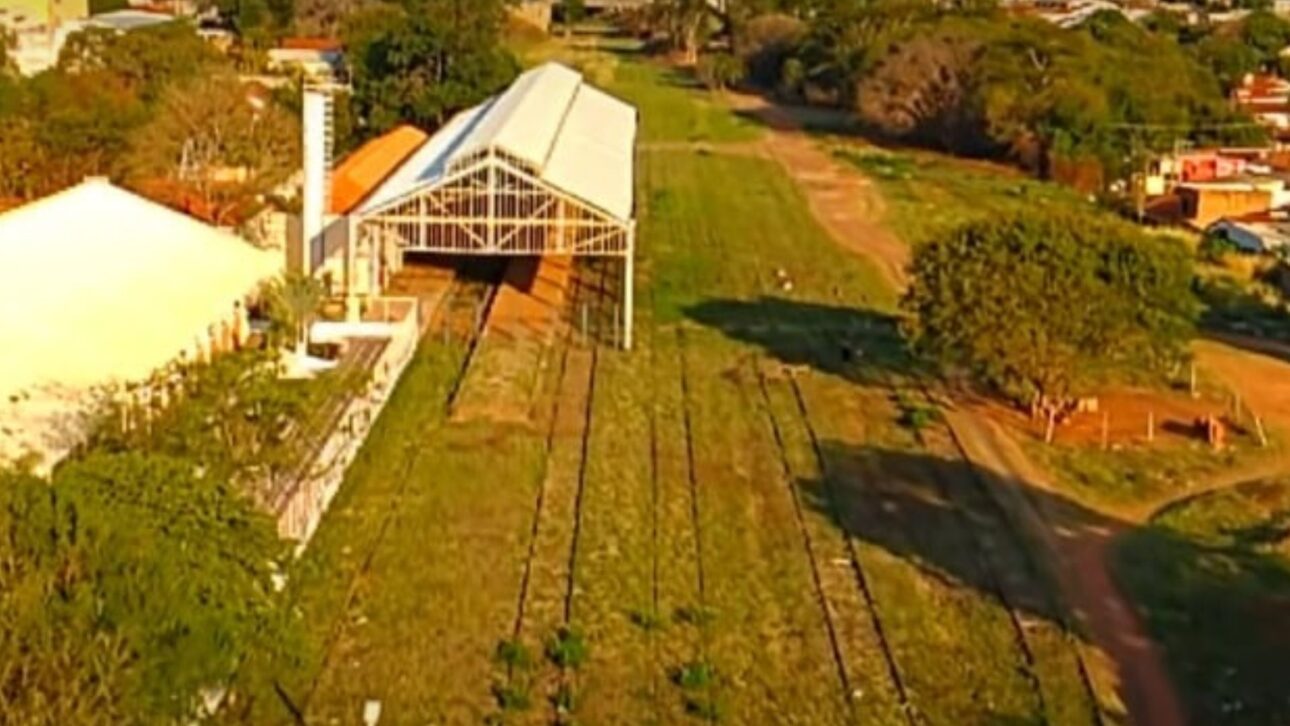
Reactivation of the Railway Branch and Concession
Rumo committed, within the context of the early concession of railways by ANTT (National Land Transportation Agency), to reactivate the branch.
The schedule foresees the completion of the clearing and recovery of the network between Bauru and Tupã by 2025, with construction ending by 2028.
The plan was divided into three phases: first, the clearing of vegetation; then, the recovery of infrastructure — including erosion, cuts, and embankments; finally, the restoration of tracks, sleepers, and ballast.
The interventions began in June 2024.
Legal Disputes and Operational Challenges
Even with the accelerated pace, execution faces legal hurdles.
Users of the right-of-way, including in Marília, had to be removed by court order, resulting in disputes that delay the project.
The branch will pass through the following municipalities: Tupã, Iacri, Parapuã, Osvaldo Cruz, Inúbia Paulista, Lucélia, Adamantina, Flórida Paulista, Pacaembu, Irapuru, Junqueirópolis, Dracena, Ouro Verde, and Panorama.
Impacts on Regional Logistics
The restoration of this railway line could reduce the costs and transport time of grains, agricultural inputs, and industrial products in the region.
The railway mode, recognized for its efficiency and lower environmental impact compared to road transport, is expected to relieve the highways and optimize the flow of production from Western São Paulo.
Despite this, there is no publicly available detailed information on projected annual cargo capacity, number of trips, or economic impact estimates.
The documents are still not available for external evaluation.
Environmental Aspects and Licensing
Due to involving urban and rural areas, the branch is subject to environmental impact studies.
The requirement for an Installation License indicates that there are significant risks associated with the reactivation – such as vegetation suppression, interference in permanent preservation areas, drainage, and soils.
So far, the technical bodies have assessed the documentation.
However, the lack of access to reports and documents prevents conclusions about the anticipated environmental mitigation or compensation measures.
Deadlines and Stages of the Railway Project
The reactivation priority of the branch is linked to agreements made with ANTT to anticipate the extension of the São Paulo network concession.
Thus, the recovery between Bauru and Tupã by the end of 2025 is part of the obligations outlined in the new concession plan.
The final schedule, concluding in 2028, was reinforced by Rumo to Diário Tupã, which highlighted that the return of operations will occur after the planned stages.
And you, reader: do you believe that the reactivation of the Tupã–Panorama branch will be a driver of transformation for the logistics of Western São Paulo?






-

2 pessoas reagiram a isso.