





 Portuguese
  English
  Spanish
  5 min of reading
  0 comments


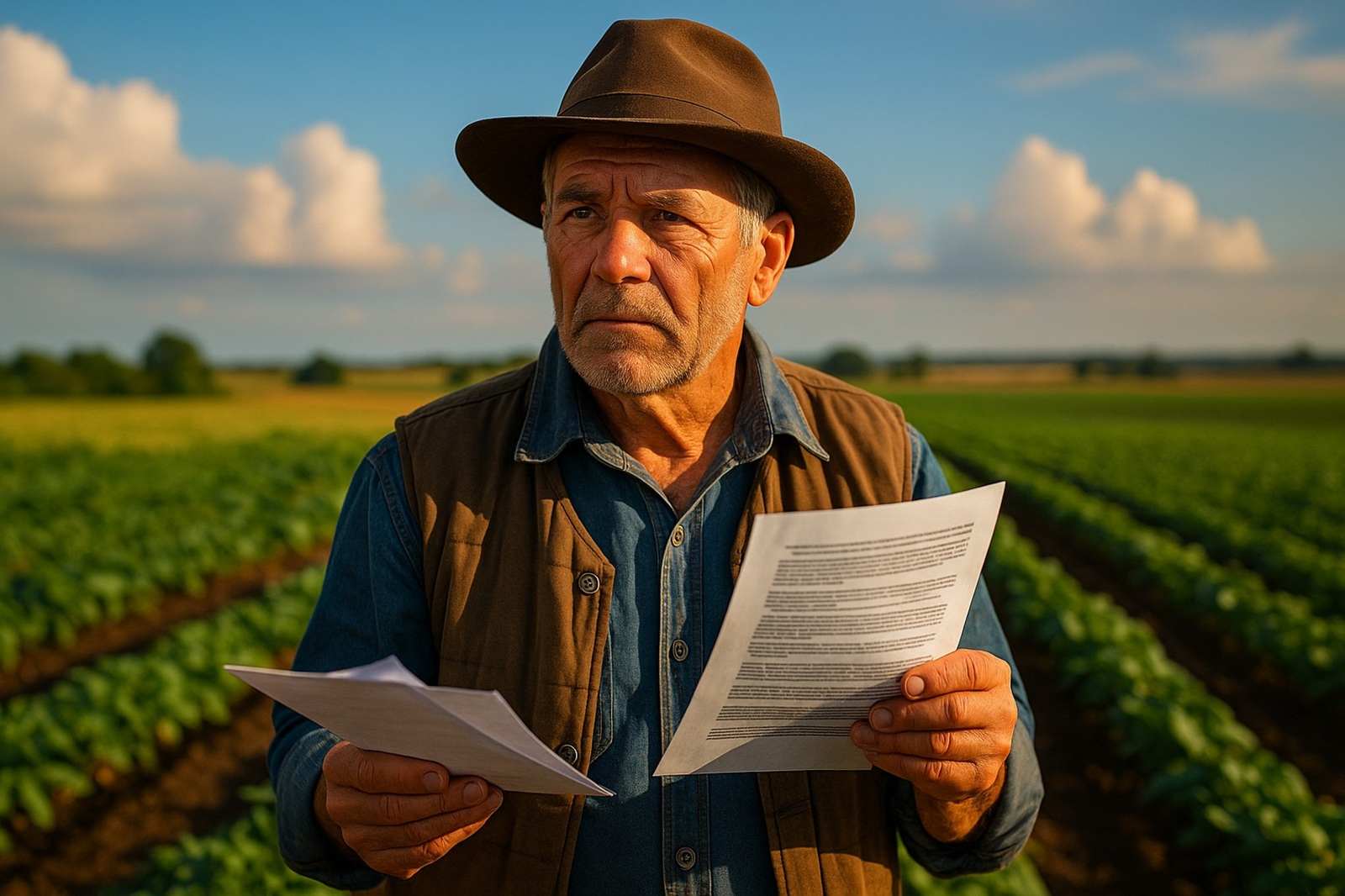
In 2025, Rural Retirement Maintains Minimum Age, Requires 180 Months of Activity, and Brings Relevant Changes to Legislation and Rights Verification.
The rural retirement is a fundamental welfare benefit for workers who dedicated years of physical effort to activities in the field, artisanal fishing, and plant extraction.
The goal is to ensure income for those who can no longer continue performing manual labor. In 2025, the main rules remain, but legal adjustments and judicial decisions have brought new important definitions for insured individuals.
What is Rural Retirement?
The rural retirement is aimed at workers who have engaged in labor activities directly linked to the field. It includes rural employees, artisanal fishermen, garimpeiros, and rural producers.
-
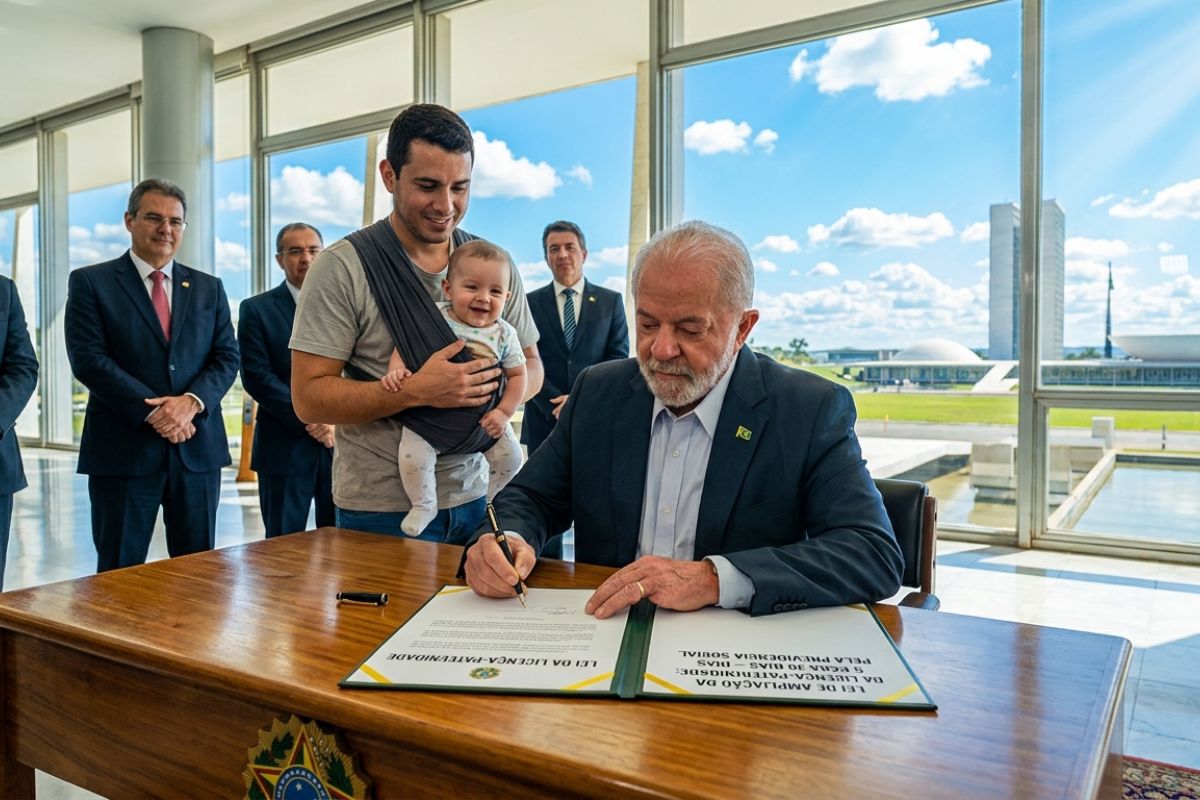
Government enacts new law: paternity leave increases from 5 to 20 days with gradual increases until 2029, and Social Security pays the paternity salary; companies no longer bear the absence cost, estimated at R$ 5.4 billion.
-
End of the 1-hour lunch break in the CLT? Current labor law maintains the break, allows for negotiated reductions, and defines rules for working hours and home office in Brazil.

-
Employee Fired After Accumulating 114 Days of Medical Leave in One Year, Labor Court Upholds Company’s Decision

-
Employee Fired While Treating Depression Wins in Court and Vale Is Required to Rehire Him Following Decision Based on the CLT and INSS Benefits


This benefit recognizes the importance of those who have supported the agricultural-based economy and ensures minimum living conditions when age or health no longer allow them to continue in manual work.
The benefit thus seeks to ensure dignity for those who depended on the land, fishing, or plant extraction throughout their lives, acknowledging the exhausting nature of these activities.
Who is Entitled to Rural Retirement?
The right to rural retirement encompasses different categories of workers. These include:
- Rural Employees with registered work contracts.
- Freelance Workers, who work without a direct link but in typical sector activities.
- Daily Workers and Boias-Frias, classified as special insured by the court, although viewed as individual contributors by the INSS.
- Special Insured Individuals, who are distinguished by not needing to prove monthly contributions, but rather the effective exercise of the activity.
In the category of special insured individuals are rural producers, artisanal fishermen, and plant extractors. The classification is defined by the family economy system, as outlined in Article 11, VII, §1 of Law 8.213/91. This system is characterized by the mutual collaboration of family members, without the use of permanent employees, in conditions where joint work is essential for the subsistence and socioeconomic development of the group.
What are the Requirements for Rural Retirement?
The main rules remain the same in 2025. The worker must prove:
- 15 Years of Rural Activity, equivalent to 180 months of waiting period.
- Minimum Age of 55 for Women and 60 for Men.
The period of activity can be discontinuous, but must total the required 15 years. It is necessary to have proof of activity in the period immediately prior to the request or to the date when the minimum age was reached. This can include older periods, provided they are appropriately documented.
If any family member conducts urban activities, the case must be analyzed individually. Simply performing urban work does not automatically disqualify the special insured individual.
How is the Proof of Rural Activity Made?
The proof of rural activity varies depending on the category of the worker. For rural employees, it is sufficient to present the Work Card or documents that prove the link with rural activities. The Social Security Profissiographic Profile (PPP) also helps to demonstrate the nature of the work performed.
For special insured individuals, proof begins with the self-declaration, a document filled out and signed by the worker themselves. Today, there is even an electronic version. The INSS cross-references this information with official databases and complementary documents.
It is important to highlight that it is not necessary to present documents for the entire period of activity. Case law (Summary 577 and Topic 554 of the STJ) allows records to cover only part of the time, as long as they are consistent. Furthermore, the legislation accepts various types of documents, such as:
- Rural producer receipts;
- Leases, partnerships, or loan agreements;
- School records;
- Marriage or birth certificates;
- Medical documents;
- Religious records;
- Certificate from FUNAI for indigenous individuals.
The documents can be in the name of third family members. It is also permitted for women to use documents in their husband’s name, or vice versa, according to the understanding established by the National Uniformization Group (Topic 327).
What is Witness Testimony in Rural Retirement?
In addition to documents, rural retirement can be reinforced by witness testimony. This procedure is called by the INSS Administrative Justification. The insured individual can indicate between 2 and 6 witnesses, who will be heard about the reality of the activity performed.
With the creation of self-declaration, the hearing of witnesses has become less frequent, but it remains possible and is relevant in cases of insufficient documentation. The involvement of lawyers in this process helps to strengthen the instruction of the request, showing the intention to collaborate with the truth and ensuring a higher chance of granting the benefit.
What Changed in 2025 in Rural Retirement?
Although the basic requirements have not changed, two significant changes marked the recent scenario:
- Law 15.072/2024: expanded Law 8.213/91, allowing the special insured to join any type of cooperative linked to their activity, except for work cooperatives.
- Topic 327 of TNU (judged on 06/11/2024): established that documents in the name of the spouse or partner can serve as initial evidence of rural activity, provided the holder is registered as a rural employee. This decision reinforces the possibility for the family group to share documentary evidence.
These changes did not alter the essence of the rules but facilitated verification and expanded options for the classification and association of insured individuals.
Rural retirement in 2025 maintains its pillars: minimum age, 15-year waiting period, and proof of activity. However, recent legislation and case law have brought instruments that make the process more flexible and comprehensive, especially for special insured individuals.
With self-declaration, the ability to use documents in the name of the spouse, and the expansion of associations to cooperatives, access to benefits has gained new verification tools.
The rural worker, therefore, finds in 2025 a safer environment to claim their rights, although proper documentation and technical support in the administrative process remain essential.










-

Uma pessoa reagiu a isso.