





 Portuguese
  English
  Spanish
  4 min of reading
  11 comments


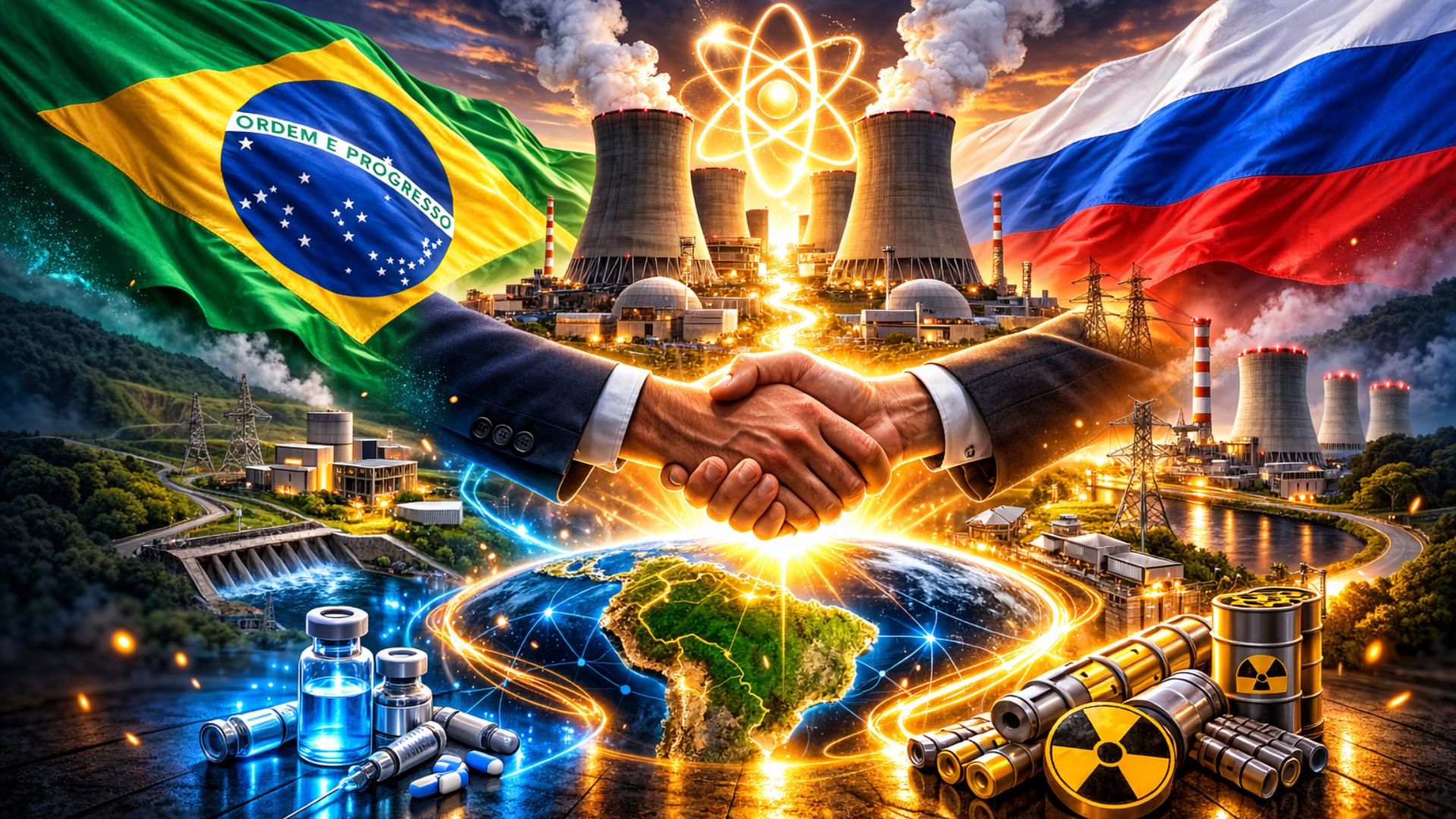


Strategic Partnership Expands Nuclear Cooperation Between Brazil and Russia Focused on Radioisotopes Medicine, Fuel Cycle, and Energy Generation, Strengthening International Commitments and Preparing Technological Agenda Until 2028.
Brazil and Russia signed a joint declaration that aims to expand cooperation in nuclear energy for peaceful purposes, focusing on radioisotopes for medicine, the nuclear fuel cycle, and electrical generation projects, according to the official document released by the authorities.
The agreement was signed during the VIII Meeting of the Brazilian-Russian High-Level Cooperation Commission, co-chaired by Vice President Geraldo Alckmin and Russian Prime Minister Mikhail Mishustin, at the Itamaraty Palace, according to a report published by the Brazilian government website on Tuesday (10).
In addition to addressing economic and sectoral topics, the declaration establishes that both countries seek to direct nuclear potential exclusively to civilian initiatives, reinforcing multilateral commitments and the need to update the legal bases supporting bilateral cooperation.
-
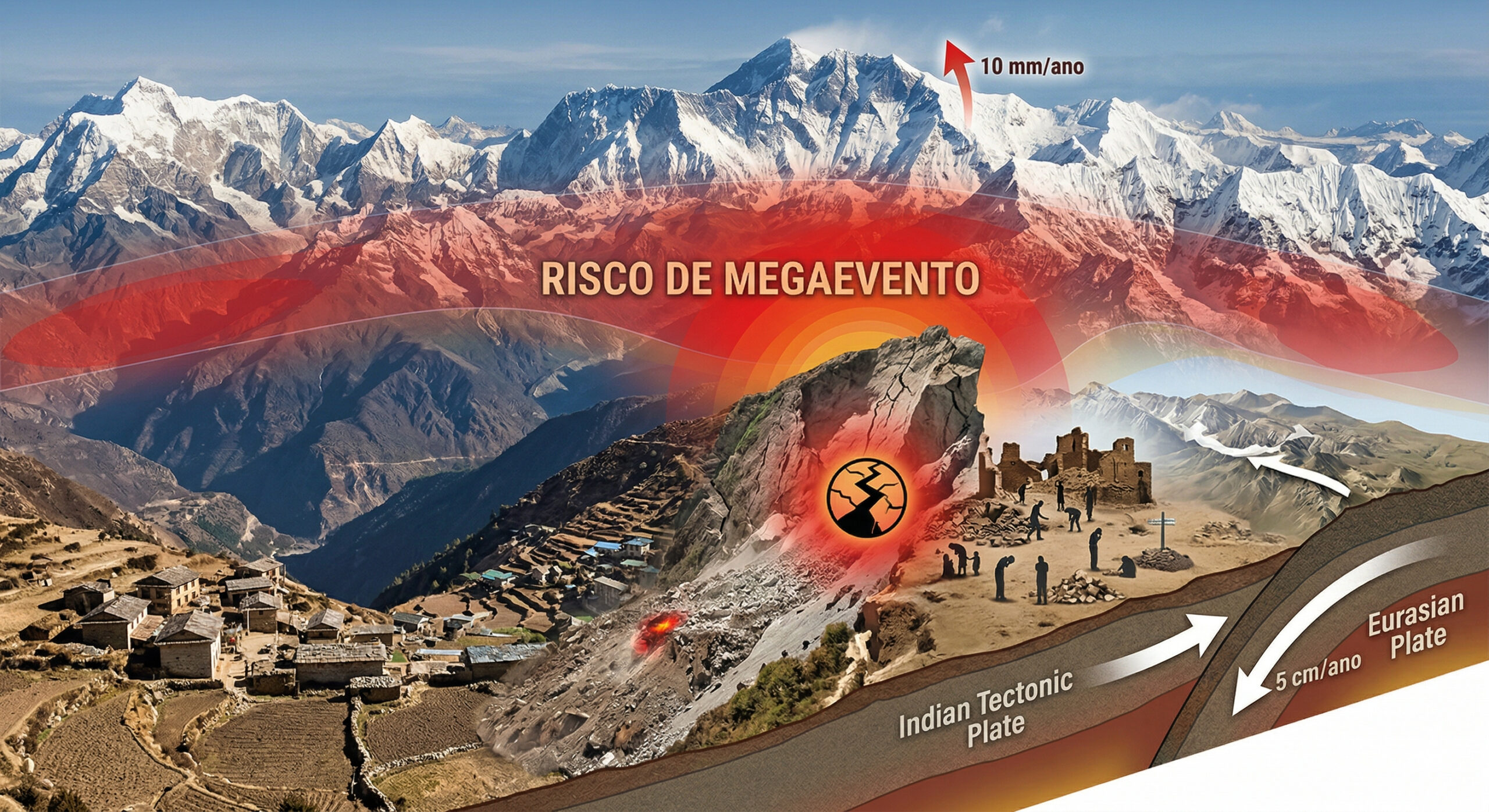
The Himalayas continue to grow to this day, with tectonic plates advancing 5 cm per year, mountains rising up to 10 mm annually, and the 2015 earthquake that killed 9,000 people may have increased the risk of an even larger seismic mega-event.
-
At an altitude of 400 km by astronauts from the International Space Station, Paris transforms at night into a golden mesh so precise that it reveals the outline of the Seine River, avenues, and entire neighborhoods like a luminous map drawn over the Earth.

-
iPhone 17 reaches historic low price with 256 GB, 120 Hz display, and drops to R$ 5,703 on Shopee, featuring A19 chip, dual 48 MP cameras, battery life of up to 30 hours, and advanced AI features.

-
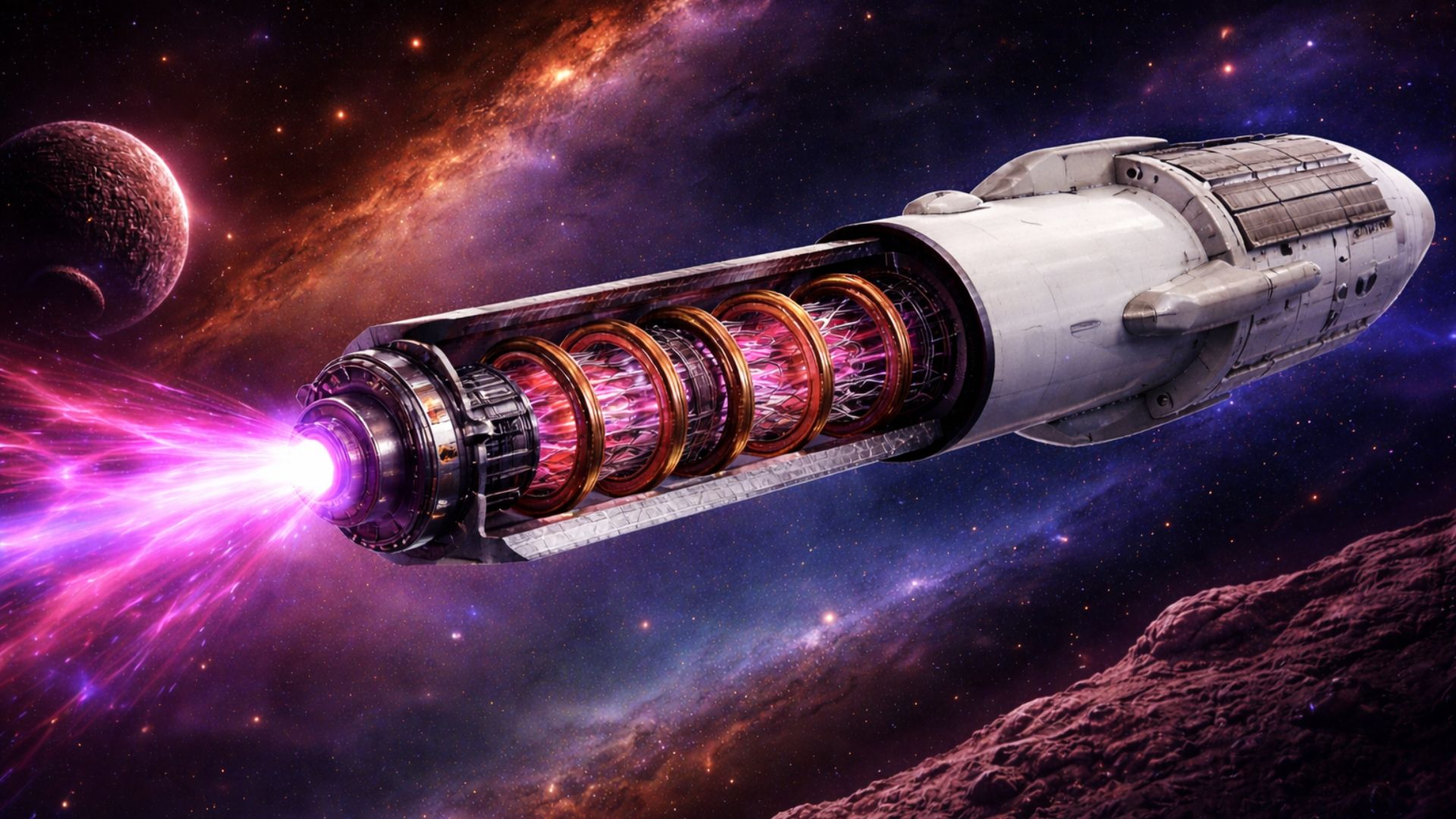
Trip to Mars getting closer: Pulsar Fusion, from the UK, advances with plasma ignition in fusion engine and could drastically reduce space travel time, making crewed missions faster, safer, and economically viable.

Nuclear Cooperation and Expansion of Radioisotopes for Medicine
In the health sector, the text expresses interest in expanding the agenda of radioisotopes aimed at diagnosis and treatment, in line with the demands of the public and private systems, although it does not detail volumes, operational timelines, or which radiopharmaceuticals would be prioritized in the initial stage.
According to information from the Brazilian government website published on Tuesday (10), the parties expressed satisfaction with the current level of cooperation in the peaceful use of nuclear energy and confirmed the intention to deepen this agenda in the coming years.

At the same time, the cooperation anticipated includes the development of stages of the nuclear fuel cycle, a set of activities that involves industrial and technological processes associated with the operation of reactors, as described in item 18 of the joint declaration.
The Brazilian government website also indicated that the document entails promoting joint projects in the nuclear energy generation field, in addition to updating the bilateral legal framework, without announcing which specific projects will be prioritized.
Still in the energy sector, the declaration indicates interest in future electrical generation initiatives but does not specify which institutions will participate, how financing will occur, or which timelines may be established for potential implementation.
Science, Technology, and MegaScience Structures
The cooperation is not limited to the traditional nuclear sector, as the document links the approach to intensified partnerships in science, technology, and innovation, including nuclear studies, quantum technologies, artificial intelligence, and digitalization.
According to a report published by the Brazilian government website on Tuesday (10), item 16 mentions the creation and development of scientific installations classified as “MegaScience,” a term used to designate large research structures with high technological impact.
In this same vein, the text cites areas such as astrophysics, biotechnology, polar research, and climate change studies, broadening the scope of cooperation beyond nuclear energy and connecting the partnership to strategic scientific agendas.
On the other hand, although the declaration presents a wide array of intentions, there are no details on quantitative targets, estimated budgets, or specific executive agreements that define the immediate application of the mentioned initiatives.
Commitment to the NPT and Peaceful Use of Nuclear Energy
On the international stage, Brazil and Russia reaffirmed their commitment to the Treaty on the Non-Proliferation of Nuclear Weapons (NPT), highlighting that the sustainability and balance of its three pillars are priorities for preserving the international security system.
In line with the official text, the parties classified as unacceptable the attempt to use the treaty for political purposes unrelated to disarmament and non-proliferation, reaffirming that nuclear energy must remain linked to peaceful ends.
The report from the Brazilian government website published on Tuesday (10) emphasized that the understanding reached is confined to the civil use of nuclear technology, with no provision for military or strategic initiatives outside multilateral frameworks.
Meanwhile, the bilateral agenda also includes cooperation in sectors such as pharmaceuticals, medical-hospital technology, shipbuilding, digital technologies, and cybersecurity, broadening the dialogue to areas considered strategic.
Bilateral Relations and Diplomatic Horizon Until 2028
The joint declaration also mentions the milestone of 200 years of diplomatic relations between Brazil and Russia, which will be celebrated in 2028, presented as a symbolic horizon to intensify projects and consolidate results.
In this context, nuclear cooperation is highlighted as one of the structuring axes of the new stage of bilateral relations, alongside science, innovation, and industrial development, as described in the official document released by the government.
Even so, the text serves as a political and institutional guideline, as practical execution will depend on complementary agreements, definitions of technical responsibilities, and potential approval of additional legal instruments.









Rumo à bomba atômica! É disso que o Brasil precisa para dissuasão dos aventureiros!
Mais um motivo pro governo roubar kkkk
Brasil, vacila não!Temos q ter nossa bomba nuclear,,,só assim teremos respeitos das maiores potências.