





 Portuguese
  English
  Spanish
  5 min of reading
  49 comments


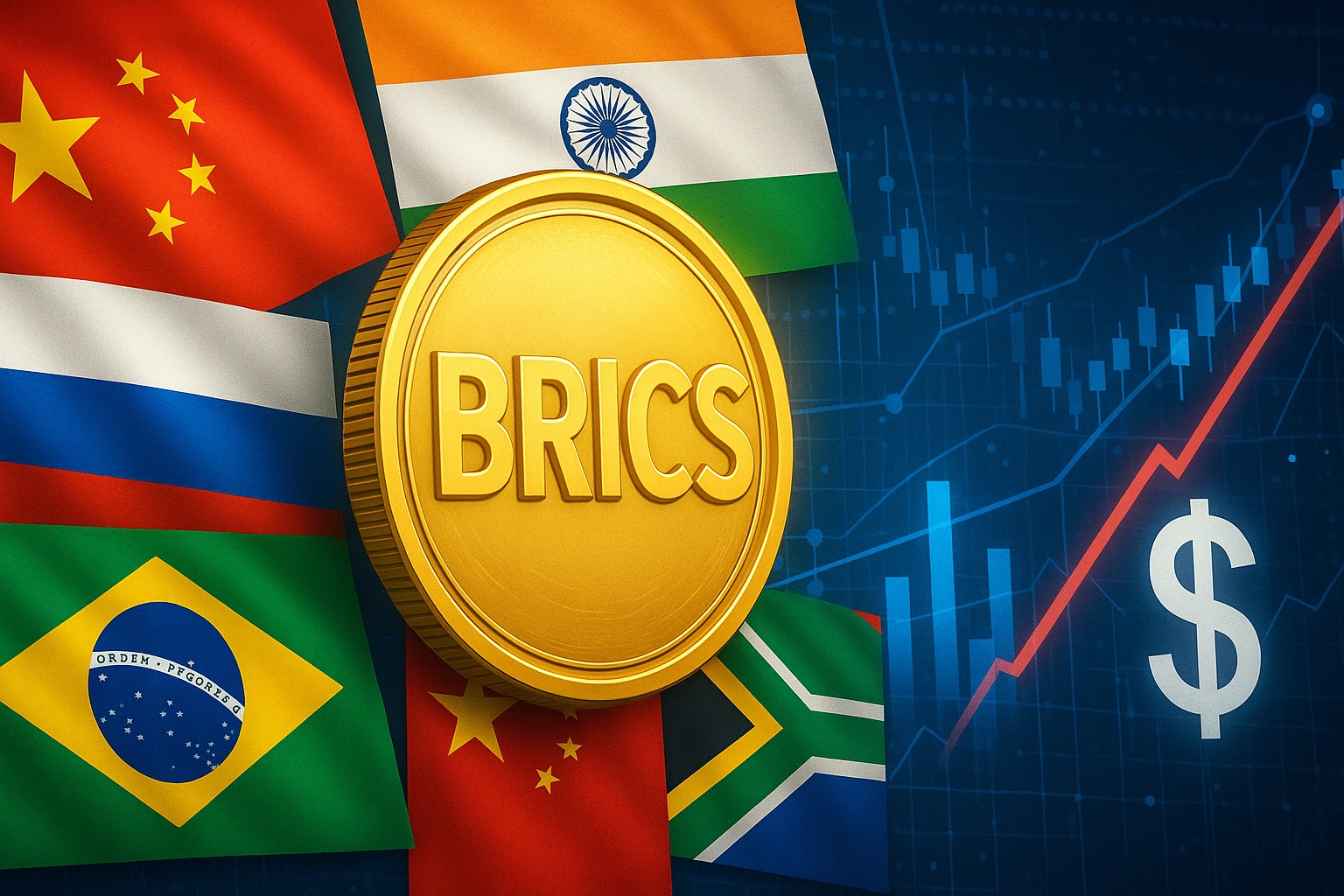


Russia Proposes Gold-Backed Global Payment System for BRICS, Challenging the Dollar’s Hegemony and Raising Tensions with the US.
Few months after strengthening its approach with BRICS countries, Russia has once again put pressure on the international financial system by publicly reviving the proposal for a global settlement mechanism backed by gold. The idea, supported by officials and economists linked to the Kremlin, aims to provide an alternative to Western-dominated payment systems, such as SWIFT, and drastically reduce dependence on the dollar in international transactions.
For Moscow, this is a strategic response to the economic sanctions imposed since 2022, which have frozen hundreds of billions of dollars in Russian assets abroad and restricted the country’s access to traditional payment channels. For Washington, however, the move represents a direct threat to American monetary hegemony — and a potential catalyst for other nations to seek alternatives outside the dollar’s orbit.
The Russian Vision: A “BRICS Pay” Shielded Against Sanctions
The proposal, according to statements from Sergey Glazyev, commissioner of the Eurasian Economic Union (EAEU), is to create a settlement system that combines gold backing with the use of national currencies of BRICS member countries and strategic allies.
-
China, Brazil, and India together control the largest rare earth reserves on the planet and are now at the center of a geopolitical dispute that could determine who will dominate technology and the global economy in the coming decades.

-
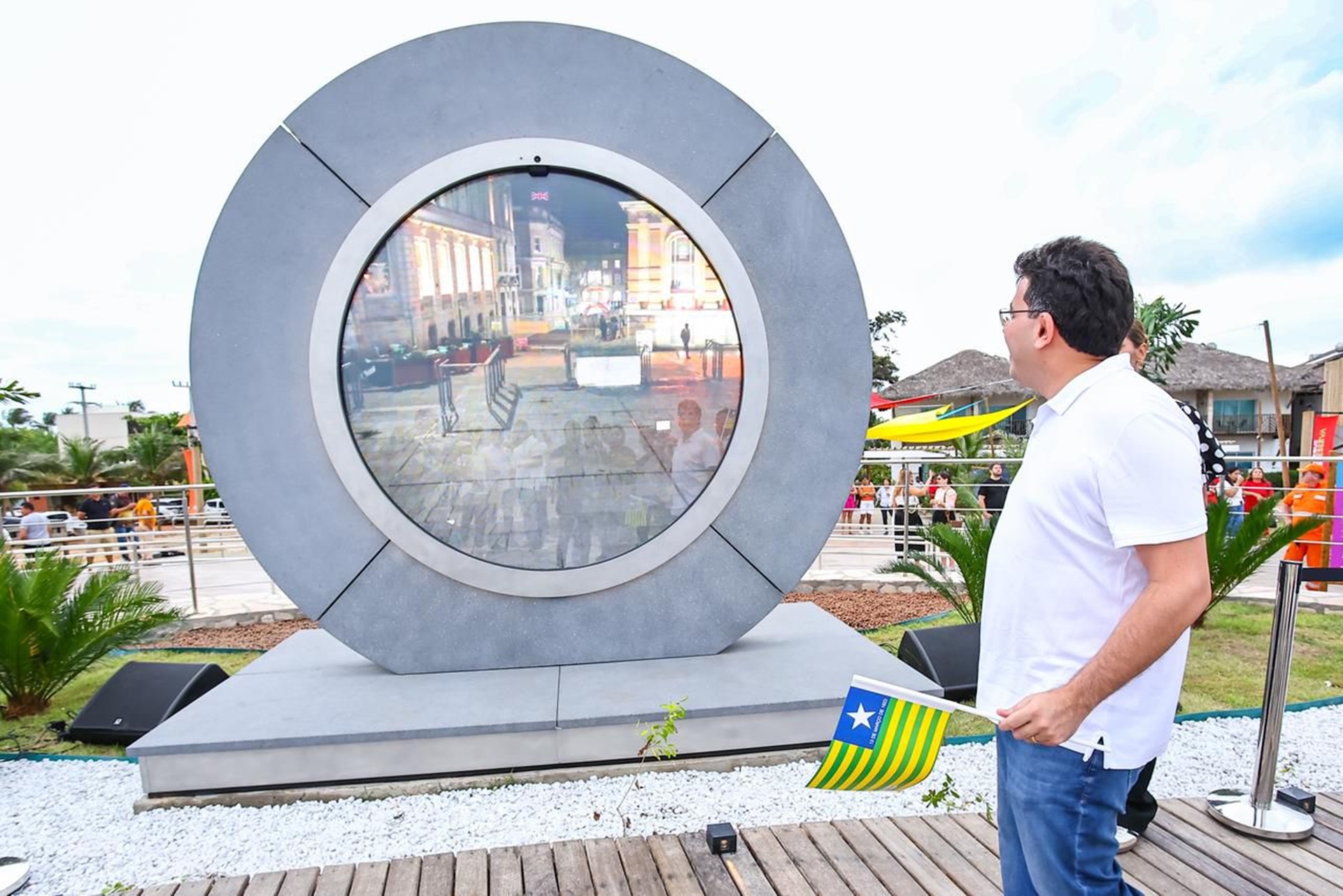
While thousands continue to lack water and sewage on the coast of Piauí, the government inaugurates a R$ 5.5 million international portal in Barra Grande and bets on global visibility.
-
Lula’s government opens 13,000 positions for teachers in Brazil and creates more than 24,000 federal jobs, with an impact of R$ 5.3 billion by 2026.

-
A Chinese electric vehicle technology giant wants to invest up to R$ 200 million in a city in Santa Catarina, and the mayor returned from China with a signed document that guarantees the immediate opening of a CNPJ and the start of operations in Brazil.


In practice, it would function as a kind of strengthened “BRICS Pay,” where the value of transactions would be protected from currency volatility and shielded from political blockages.
“Gold is the only international currency that cannot be controlled by foreign governments. It is a way to protect trade against external interference,” Glazyev stated in a recent interview.
This mechanism could operate with a multilateral digital currency, issued by a clearing bank controlled by the participating countries. Each unit of this currency would have a fixed value based on a certain amount of physical gold, stored in a decentralized manner in the vaults of the adhering countries.
Why This May Generate Concerns in the US
The strength of the dollar comes not only from the American economy but from the currency’s central role as a means of payment and store of value in international trade. Today, about 58% of global foreign exchange reserves are denominated in dollars, and over 80% of currency transactions involve the American currency.
A gold-backed global payments system, if widely adopted by emerging countries, could undermine this dominance. It would not be immediate — the network of trust, the technological infrastructure, and the volume of gold reserves needed are immense — but would already be sufficient to open cracks in the dollar’s monopoly.
For the US, allowing sanctioned countries like Russia and Iran, or geopolitical tensions such as China, to find a secure route for their international transactions means losing pressure power and diplomatic influence.
Challenges to Get Off the Ground
Experts warn, however, that turning the proposal into reality requires overcoming considerable obstacles. The first is coordination among BRICS countries (Brazil, Russia, India, China, and South Africa), which have distinct economic interests and political alignments.
Brazil, for example, maintains close relations with the US and the European Union, and its Central Bank takes a cautious stance towards alternative financial mechanisms. India, on the other hand, despite seeking monetary autonomy, maintains strategic agreements with Washington.
Another challenge is the volume of gold needed. To provide liquidity to a system capable of competing with SWIFT and sustaining trillion-dollar transactions, joint reserves equivalent to thousands of tons of gold would be necessary. Today, BRICS countries together hold about 6,500 tons — a significant number, but still insufficient to replace the dollar as the basis of international trade.
Impact in Brazil and South American Trade
If the mechanism advances, Brazil could benefit from lower costs and greater predictability in exports, especially to Asian and African markets. Transactions in gold or currency backed by gold would reduce exposure to dollar volatility and fees charged by Western financial intermediaries.
However, Brazilian analysts warn that participation in this system would require deep adjustments in exchange policy, capital controls, and reserve management. Additionally, US diplomatic pressure could intensify, affecting trade agreements and strategic investments in the country.
History and Precedents
The idea of using gold as backing for international transactions is not new. Until 1971, the US maintained the gold standard, where each dollar was convertible for a fixed amount of gold. With the end of the Bretton Woods agreement, the dollar began to be supported only by trust in the American government and the size of the country’s economy.
In recent years, Russia and China have significantly increased their gold reserves — movements interpreted by economists as part of a de-dollarization strategy. In 2023, Moscow formally proposed discussing the use of a common currency for trade among countries of the Eurasian Economic Union, with backing by gold and strategic assets.
The Geopolitics of Gold
Gold, unlike fiat currencies, does not depend on government promises or the stability of a single economy. It is accepted globally and serves as a store of value in times of crisis. Therefore, a payment system backed by this metal could attract countries facing sanctions or looking to reduce their exposure to the dollar.


On the other hand, depending exclusively on gold also brings risks: the price of the metal is influenced by external factors, such as financial crises, changes in industrial demand, and monetary policies of major economies. A system based solely on this backing could be rigidly inflexible in times of liquidity needs.
And the Future?
If the Russian proposal gains traction, we may see a new international financial architecture emerging over the next decade. It would not immediately replace the dollar but would create a parallel channel capable of gradually weakening US sanction power and offering more autonomy to emerging countries.
The movement could also accelerate the use of technologies such as blockchain and central bank digital currencies (CBDCs) to provide more security, traceability, and speed to transactions.
The fact is that for many countries, especially those that have already suffered financial restrictions imposed by the West, the idea of a system shielded from political interference is extremely attractive.









Ficar a mercê de um país comunista onde tudo é obscuro. Não há transparência de nada, imagina!!!
Estou ansioso para começar o pagamento em DREX PAY – Se livrando definitivamente desse dólar ****, 6 vezes mais caro que nosso Real.
Kkkkkkk…. moeda de ****… e pensar que um pinga sozinho tá afundando uma nação
A nação já está afundada a muito tempo kkkk, só vc não percebeu.Estude a história política do Brasil e perceberá o fundo do poço.Isso já vem de muitos anos.